
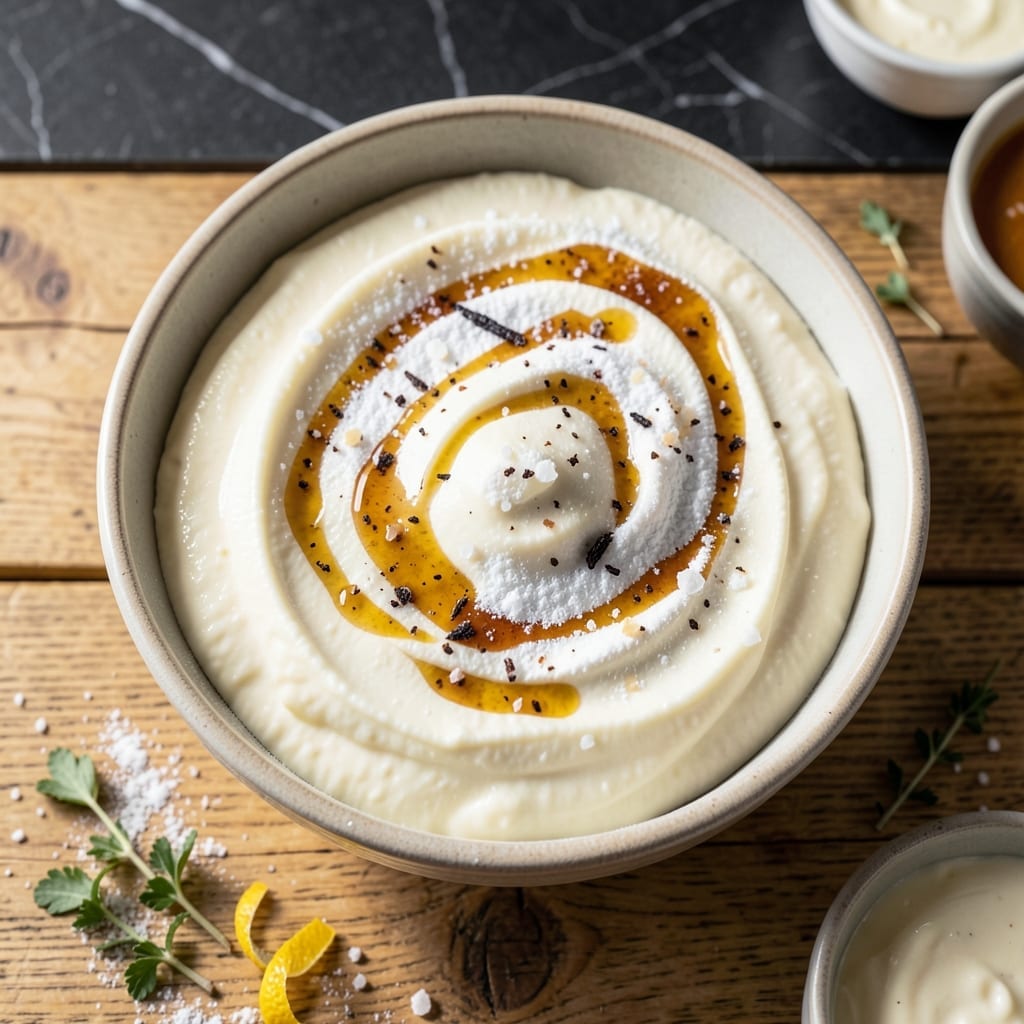
This Amish butter spread transforms ordinary bread into something extraordinary with its velvety texture and subtle sweetness. I developed this recipe after tasting a similar version at a local bakery and knew I had to recreate it at home.
The secret lies in the perfect ratio of powdered sugar to butter, creating a smooth paste that spreads effortlessly. A touch of vanilla extract adds depth, while a pinch of salt balances the sweetness beautifully.
You’ll end up with a rich, creamy spread that’s ideal for toast, muffins, or pancakes. It keeps well in the refrigerator for up to two weeks, making it a convenient addition to your breakfast routine.
Make a batch today and experience how a simple spread can elevate your morning meal. The results are worth every minute spent in the kitchen.
Ingredients for Amish Butter
Six simple ingredients create this rich, velvety spread for breads and baking.
| Ingredient | Amount | Notes |
|---|---|---|
| Unsalted Butter 🧈 | 1 cup | Softened to room temperature |
| Powdered Sugar 🍚 | 1 ½ cups | Sifted for smoothness |
| Vanilla Extract 🌿 | 1 tsp | Pure vanilla for best flavor |
| Salt 🧂 | ¼ tsp | Fine grain preferred |
| Whole Milk 🥛 | 1 tbsp | Optional for creamier texture |
| Honey 🍯 | 1 tbsp | Optional for extra sweetness |
The butter is the foundation here. Use high-quality unsalted—I like Land O’Lakes or Kerrygold for the best texture. Powdered sugar is non-negotiable; granulated won’t dissolve the same way. Vanilla extract adds that subtle depth, but skip the imitation stuff. A pinch of salt might seem small, but it balances everything beautifully (don’t skip it).
No vanilla extract? A scrape of vanilla bean paste works even better. Short on powdered sugar? Grind granulated in a blender (worth the extra minute). Want it richer? Replace the milk with heavy cream. Prefer less sweetness? Drop the honey entirely. The butter should be truly soft—not melted—so it blends smoothly with the sugar.
Store in an airtight container in the fridge for up to 2 weeks. It’ll firm up when cold, so let it sit at room temp for 10-15 minutes before spreading. Freezing isn’t recommended—it separates. Perfect for toast, pancakes, or muffins.
Why You’ll Love This Recipe
- Five-Ingredient Magic: Honestly, it’s just butter, sugar, vanilla, salt, and milk—nothing fancy, yet it tastes like a bakery secret.
- Melt-in-Your-Mouth Sweetness: The powdered sugar and vanilla create this rich, velvety flavor that’s dangerously addictive.
- Spreads Like a Dream: I slather it on toast, swirl it into oatmeal, or just eat it by the spoonful—no judgment here.
- Stays Fresh for Days: One batch lasts me a week in the fridge, so I’m never without my morning toast upgrade.
Step-by-Step Instructions for Amish Butter
Here’s the simple method that delivers that signature creamy spread every time.
Step 1: Soften and Prepare the Base
Start with the 1 cup Unsalted Butter that’s been softened to room temperature. It should give slightly when pressed but not be melty. I like to cube it first—this speeds up the softening process and makes it easier to blend evenly later.
Place the butter in a large mixing bowl. The right temperature is crucial here: too cold and it won’t cream properly, too warm and your spread will be greasy. Aim for butter that holds its shape but yields to gentle pressure.
Step 2: Gradually Incorporate the Powdered Sugar
Add the 1.5 cups Powdered Sugar to the bowl in three additions, mixing well after each. I use a hand mixer on low speed to avoid creating a sugar cloud. The sifted powdered sugar dissolves beautifully, giving that ultra-smooth texture this spread is known for.
After each addition, scrape down the sides of the bowl with a silicone spatula. You want every bit of sugar incorporated so there are no grainy pockets in your finished product. The mixture will look crumbly at first—this is normal.
Step 3: Add Flavor and Adjust Consistency
Pour in the 1 tsp Vanilla Extract and 0.25 tsp Salt, then increase mixer speed to medium. Beat for 1-2 minutes until the mixture becomes light and fluffy. The vanilla should be evenly distributed—you’ll smell its warm aroma as you mix.
Now add the 1 tbsp Whole Milk and 1 tbsp Honey. These are optional but highly recommended for that classic Amish butter richness. Beat for another 30-60 seconds until fully combined. The spread should be smooth and hold its shape when scooped.
Step 4: Test and Adjust
Give it a taste. The sweetness should be balanced, not overpowering. If it’s too thick, add another ½ tablespoon of Whole Milk. If you prefer it sweeter, you can add up to ½ cup more Powdered Sugar, but I find the original proportions perfect.
Look for a spreadable consistency that holds peaks when you lift the beater. If it looks separated or greasy, your butter may have been too warm—just pop the bowl in the fridge for 10-15 minutes and rebeat.
Step 5: Store and Enjoy
Transfer your creation to airtight containers. It will keep in the refrigerator for up to 2 weeks, though I doubt it’ll last that long. For best texture, let it sit at room temperature for 15-20 minutes before serving.
Spread it on warm bread, biscuits, or pancakes. The flavor develops even more after a day in the fridge, becoming richer and more complex. Each bite should deliver that perfect balance of sweet, salty, and creamy that makes this spread so special.
Pro Tips For Making Amish Butter
- Soften the Butter Right: Let the butter sit at room temperature for 30-45 minutes until it’s soft but still holds its shape—I learned this the hard way after using melted butter and ending up with a greasy mess.
- Sift the Sugar: Always sift the powdered sugar first to avoid lumps in your Amish butter, because nobody wants to bite into a clump of sugar.
- Skip the Margarine: Use real unsalted butter for the best flavor and texture; margarine just doesn’t cut it in this recipe.
- Add Milk Slowly: Pour the whole milk in a tablespoon at a time while mixing to get the perfect creamy consistency without making it too runny.
Flavor Customization for These Flavors
Citrus Zest Twist
Add 1 tbsp orange zest or lemon zest to brighten the sweetness. The citrus oils add a refreshing pop that cuts through the richness. I love this version on blueberry muffins for a complementary flavor pairing. 🌟
Cinnamon Spice
Mix in 1 tsp ground cinnamon for a warm, cozy flavor that’s perfect for fall. This variation works wonderfully on cinnamon rolls or apple bread. A pinch of nutmeg enhances the spice blend even more.
Maple Swap
Replace the 1 tbsp honey with 1 tbsp pure maple syrup for a deeper, earthier sweetness. Use Grade A dark maple syrup for the strongest flavor. This pairs beautifully with pumpkin bread or waffles.
Cocoa Infusion
Add 2 tbsp unsweetened cocoa powder for a chocolatey twist. This turns your spread into a dessert-like treat. I recommend using Dutch-process cocoa for a smoother, richer taste on chocolate chip pancakes.
Nutty Crunch
Fold in ¼ cup finely chopped toasted pecans or walnuts for texture. Toast the nuts in a dry pan over medium heat for 3-5 minutes first. The crunch adds a delightful contrast to the creamy spread.
Coffee Depth
Dissolve 1 tsp instant coffee granules in the 1 tbsp Whole Milk before adding. This adds a subtle coffee note that pairs wonderfully with banana bread or biscuits. Use high-quality instant coffee for best results.
Nutrition Facts
Frequently Asked Questions
Can I use salted butter instead of unsalted?
Yes, but reduce the added salt to 1/8 tsp. Salted butter already contains salt, so you’ll need to adjust to avoid over-seasoning.
How long does this spread stay fresh?
Stored in an airtight container, it keeps in the fridge for up to 2 weeks. Let it sit at room temperature for 15-20 minutes before serving.
Why did my butter turn out grainy?
Graininess usually means the butter wasn’t soft enough or the sugar wasn’t fully dissolved. Ensure butter is truly room temperature and mix thoroughly.

- 6 Egg Cake Recipe with Oil: Light as Air With Buttery Moisture - October 4, 2026
- 4 Bean Casserole Recipe: One-Pan Heartiness With Smoky Paprika Depth - October 4, 2026
- 3-Ingredient Keto Mug Cake Recipe: Microwave Magic in 2 Minutes - October 4, 2026