
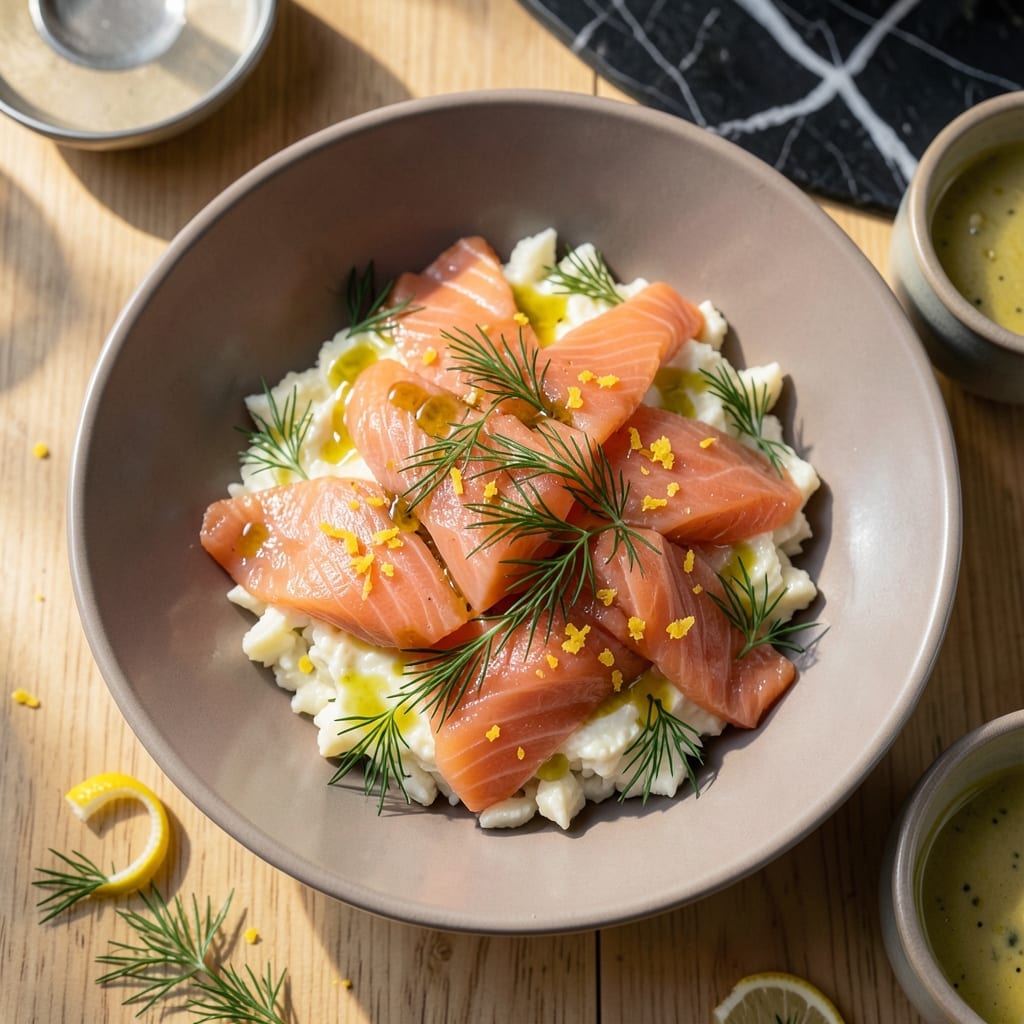
This recipe transforms canned sockeye salmon into a flaky, restaurant-worthy dish with minimal effort. The key lies in gentle handling and a bright lemon-dill sauce that enhances the fish’s natural richness.
I developed this method to highlight the salmon’s delicate texture while adding layers of fresh, herby flavor. A quick pan-sear ensures the fish stays moist and tender, never dry or overcooked.
What you’ll get is a dish that’s elegant enough for guests but simple enough for weeknights. The lemon-dill sauce cuts through the richness, creating a perfect balance.
Serve it with roasted asparagus or a crisp green salad for a complete meal. Here’s how to make it.
Ingredients for Canned Sockeye Salmon
Transform canned salmon into a flaky, elegant dish with these pantry and fresh ingredients.
| Ingredient | Amount | Notes |
|---|---|---|
| Canned Sockeye Salmon 🐟 | 4 cans | Drained, skin and bones removed |
| Olive Oil 🫒 | 3 tbsp | Extra-virgin preferred |
| Unsalted Butter 🧈 | 2 tbsp | For richness in sauce |
| Fresh Dill 🌿 | ¼ cup | Chopped, stems removed |
| Fresh Lemon Juice 🍋 | 3 tbsp | About 1 large lemon |
| Lemon Zest 🍋 | 1 tbsp | From 1 lemon |
| Garlic Cloves 🧄 | 2 cloves | Minced finely |
| Shallot 🧅 | 1 whole | Finely diced |
| Dijon Mustard 🟡 | 1 tsp | Smooth variety |
| Chicken Broth 🥣 | ¼ cup | Low-sodium preferred |
| Salt 🧂 | ½ tsp | Kosher or sea salt |
| Black Pepper 🌶️ | ¼ tsp | Freshly ground |
| Capers 🌿 | 1 tbsp | Drained, optional for garnish |
| Fresh Parsley 🌿 | 2 tbsp | Chopped, for garnish |
The salmon quality matters most here. Wild-caught canned sockeye from Alaska (like Vital Choice or Wild Planet brands) has the best texture and flavor. Avoid lower-quality pink salmon—it lacks the richness. The dill should be fresh (look for bright green, perky leaves at the store), but dried dill at one-third the amount works if needed.
No fresh herbs? Dried dill and parsley at one-third the amount maintain the flavor profile. Out of shallots? Red onion offers a similar mild bite. For a brighter sauce, add 1 tsp white wine vinegar. The chicken broth can be swapped for vegetable broth without issue. Capers add a briny pop—skip if you dislike them.
This dish is best served fresh, but leftovers keep 2-3 days in the fridge. Store canned salmon unopened in a cool pantry for up to 2 years. Once opened, use within 3 days. The lemon-dill sauce separates over time—just whisk before serving.
Why You’ll Love This Recipe
- Five-Minute Meal: I can have this on the table faster than it takes to boil pasta. Just open the can, flake the salmon, and let the butter, dill, and lemon do the rest.
- Buttery Lemon Burst: The combination of rich butter, bright lemon, and fresh dill turns simple canned salmon into something ridiculously good. Honestly, I could eat this straight from the pan.
- Weeknight Hero: It works as a quick lunch, a light dinner, or even a fancy-ish appetizer when company drops by unexpectedly. Between us, I’ve served it all three ways this week.
- Budget Luxury: Sockeye salmon feels indulgent, but the canned version keeps it affordable. I’ll be real: it’s my secret weapon for eating well without breaking the bank.
Step-by-Step Instructions for Canned Sockeye Salmon With Lemon-Dill Sauce
This method ensures the salmon stays moist and flaky while the sauce develops bright, balanced flavors.
Step 1: Prepare the Salmon Base
Drain the 4 cans Canned Sockeye Salmon thoroughly and remove any skin or bones. I gently flake the salmon into a bowl with a fork, being careful not to break it into tiny pieces—you want distinct, flaky chunks that hold their shape.
This step is crucial for texture. If the salmon is too finely broken, it will lose its appealing, meaty quality in the final dish. Set the flaked salmon aside while you build the sauce—this keeps it from drying out or absorbing too much liquid.
Step 2: Sauté Aromatics for Depth
Heat the 3 tbsp Olive Oil and 2 tbsp Unsalted Butter in a large skillet over medium heat until the butter melts. Add the finely diced Shallot and cook for 2-3 minutes until it turns translucent and just begins to soften.
Stir in the 2 cloves minced Garlic Cloves and cook for 30 seconds until fragrant but not browned. The shallot and garlic should release their aroma without taking on color—this builds a sweet, savory foundation for the sauce.
Step 3: Build the Lemon-Dill Sauce
Add the 1 tsp Dijon Mustard, 0.25 cup Chicken Broth, 3 tbsp Fresh Lemon Juice, 1 tbsp Lemon Zest, 0.5 tsp Salt, and 0.25 tsp Black Pepper to the skillet. Simmer for 2-3 minutes until the liquid reduces slightly and the flavors meld together.
Stir in the 0.25 cup chopped Fresh Dill and remove from heat. The sauce should look creamy from the butter and oil, with visible flecks of dill and lemon zest. Taste and adjust seasoning if needed—this is your last chance before adding the salmon.
Step 4: Combine and Warm Through
Gently fold the flaked salmon into the sauce, taking care not to break up the pieces. Cook over low heat for 2-3 minutes just until the salmon is warmed through. Overcooking at this stage will make the salmon dry and tough.
The salmon should glisten and absorb some of the sauce while maintaining its structure. You’ll notice the bright lemon and fresh dill cutting through the richness of the fish and butter, creating that signature balance.
Step 5: Garnish and Serve
Transfer the salmon and sauce to a serving dish. Sprinkle with the 1 tbsp Capers and 2 tbsp chopped Fresh Parsley for a pop of color and briny contrast. The capers add a tangy punch that complements the lemon beautifully.
Serve immediately while warm. The salmon should appear moist and tender, with the sauce lightly coating each flake. This dish tastes best fresh but can be gently reheated with a splash of broth if needed.
Pro Tips For Making Canned Sockeye Salmon
- Drain Well First: Press the canned sockeye salmon in a fine-mesh strainer for 30 seconds to remove excess liquid—this prevents a watery dish and helps the salmon absorb the olive oil and butter better.
- Warm the Butter: Melt the unsalted butter gently over low heat until just foamy, not browned. I learned this the hard way—high heat makes it bitter, and sockeye is too delicate for that.
- Skip the Overmixing: Fold the salmon with the other ingredients just until combined. Stirring too much breaks up the flakes and turns it into an unappetizing paste.
- Add Dill Last: Fresh dill loses its bright flavor fast when cooked. Toss it in at the very end, off the heat, so it stays vibrant and fragrant.
Pro Cooking Tips for Great canned sockeye salmon
Gentle Flaking Technique
Use a fork to break the salmon into 1-2 inch chunks—this preserves the flaky texture that makes canned sockeye special. Press too hard and you’ll turn it into a paste. I find Wild Planet brand holds its shape best.
Low and Slow Heat
Warm the salmon in the sauce over low heat for no more than 2-3 minutes. Higher temps will dry it out. The fish is already cooked, so you’re just waking up the flavors and marrying them with the sauce. 🌡️
Sauce Timing
Build your lemon-dill sauce first, then fold in the salmon off-heat. This prevents overcooking and lets you control the sauce’s consistency. If it thickens too much, add 1-2 tbsp chicken broth to loosen it.
Fresh Herb Prep
Chop the fresh dill and parsley right before using—their oils are most vibrant when fresh. If using dried, reduce quantities by two-thirds since the flavor is more concentrated.
Shallot Sweat
Cook the shallot until just translucent, not browned. This takes about 2-3 minutes over medium heat. Browning adds bitterness that clashes with the delicate salmon and bright lemon notes.
Avoid Over-Salting
Canned salmon can be salty, so start with ½ tsp salt in the sauce and adjust at the end. I often find I don’t need to add more, especially if using capers as garnish. 💡
Nutrition Facts
Frequently Asked Questions
Can I use a different type of canned salmon?
Sockeye works best for its rich flavor and firm texture. Pink salmon is a budget option but lacks depth. King salmon is too oily for this preparation. Always drain well and remove skin/bones.
How long will leftovers keep?
Store in an airtight container for 2-3 days in the fridge. Reheat gently with a splash of broth on low heat to prevent drying. The sauce may separate—just whisk before serving.
Can I make this sauce ahead?
Yes! Prepare the lemon-dill sauce up to 1 day ahead and store in the fridge. Warm it gently before adding the salmon. Don’t add fresh herbs until serving for best flavor.

- 6 Egg Cake Recipe with Oil: Light as Air With Buttery Moisture - October 4, 2026
- 4 Bean Casserole Recipe: One-Pan Heartiness With Smoky Paprika Depth - October 4, 2026
- 3-Ingredient Keto Mug Cake Recipe: Microwave Magic in 2 Minutes - October 4, 2026