
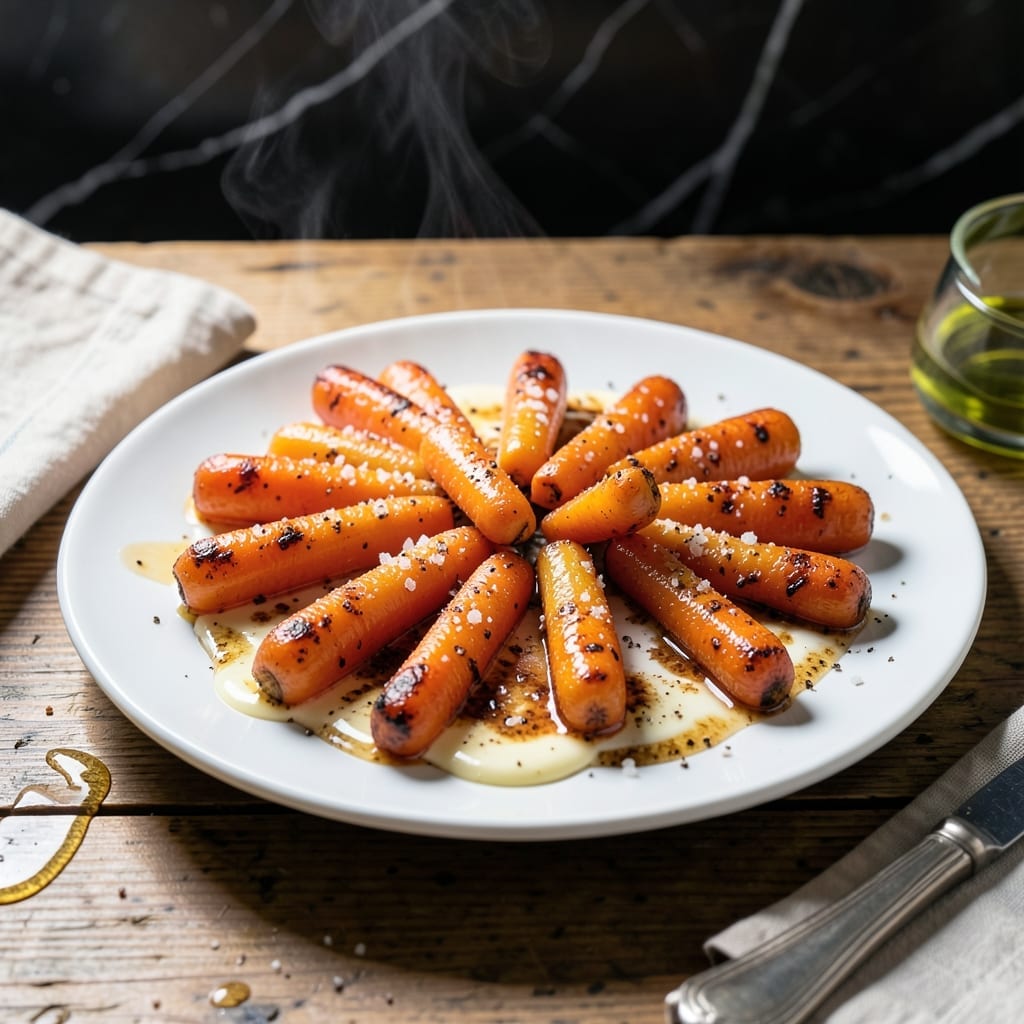
I’ve recreated the famous Cheddar’s carrots with their signature sweet, buttery glaze that’s impossible to resist. This copycat version captures the restaurant’s perfect balance of richness and subtle sweetness.
The secret lies in the glaze—a simple blend of butter, brown sugar, and a touch of honey that caramelizes beautifully. The carrots cook until tender-crisp, soaking up every drop of that golden sauce.
No complicated steps here, just straightforward cooking that delivers restaurant-quality results at home. The aroma alone will have everyone at the table before it’s even ready.
Serve these as a side for steak, chicken, or any meal that needs a touch of comforting sweetness. Here’s how to make them exactly right.
Ingredients for Cheddars Carrots
Nine simple ingredients deliver that restaurant-famous sweet, buttery carrot side everyone craves.
| Ingredient | Amount | Notes |
|---|---|---|
| Baby Carrots 🥕 | 2 lb | Whole, peeled or pre-peeled |
| Unsalted Butter 🧈 | ½ cup | 1 stick, for glaze |
| Light Brown Sugar 🍚 | ¼ cup | Packed, for caramelization |
| Honey 🍯 | 2 tbsp | Clover or wildflower variety |
| Kosher Salt 🧂 | ½ tsp | Diamond Crystal preferred |
| Ground Black Pepper 🌶️ | ¼ tsp | Freshly ground for best flavor |
| Vanilla Extract 💧 | ½ tsp | Pure extract for depth |
| Water 💧 | ¼ cup | For steaming carrots |
| Fresh Parsley 🌿 | 2 tbsp | Chopped, for garnish |
The carrots are everything here. Baby carrots from Whole Foods or Trader Joe’s save prep time, but regular carrots cut into sticks work just as well. Look for bright orange color and firm texture—avoid any with green tops still attached (they draw moisture from the root). The butter needs to be unsalted so you control the seasoning. Land O’Lakes or Kerrygold are my go-tos for that rich, creamy base.
No honey? Pure maple syrup at the same amount works perfectly (though it’ll taste slightly different). Brown sugar can be swapped for white sugar in a pinch, but you’ll lose that molasses depth. For a deeper caramel note, try dark brown sugar instead of light. The vanilla extract might seem odd, but it’s the secret to that restaurant-quality complexity. Skip it if you must, but I wouldn’t.
Leftovers keep surprisingly well—store in an airtight container for 4-5 days. Reheat in a skillet with a splash of water to revive the glaze. Honestly, they taste even better the next day once the flavors meld. Don’t freeze these, though—the texture suffers.
Why You’ll Love This Recipe
- 5-Minute Prep: I dump the baby carrots in the pan, melt the butter, and let the brown sugar and honey do their magic.
- Sweet & Buttery: That first bite—caramelized edges with a tender center, thanks to the butter and honey glaze.
- Weeknight Side: I pair it with chicken or steak, but honestly, it’s good enough to eat straight from the pan.
- Budget Friendly: A bag of baby carrots and pantry staples stretch into a side that feels fancy but costs pennies.
Step-by-Step Instructions for Copycat Sweet and Buttery Glazed Carrots
Here’s how I recreate that restaurant-quality glaze at home with minimal effort.
Step 1: Simmer the Carrots Until Tender
Place the 2 lb baby carrots in a large skillet with a tight-fitting lid. Add the 0.25 cup water and sprinkle with the 0.5 tsp kosher salt. Cover and bring to a boil over medium-high heat.
Once boiling, reduce heat to medium-low and let the carrots steam for 8-10 minutes until they’re just fork-tender. You want them slightly underdone at this stage because they’ll continue cooking in the glaze. Check by piercing a carrot with a fork—it should meet slight resistance.
Step 2: Create the Buttery Glaze Base
Uncover the skillet and increase heat to medium. Add the 0.5 cup unsalted butter, 0.25 cup light brown sugar, 2 tbsp honey, 0.5 tsp vanilla extract, and 0.25 tsp ground black pepper to the carrots.
Stir everything together as the butter melts. The sugar will begin to dissolve in the residual water, creating a glossy base. You’ll notice the mixture start to bubble and thicken slightly after 2-3 minutes of continuous stirring.
Step 3: Reduce to Perfect Consistency
Continue cooking uncovered at medium heat, stirring frequently, for another 5-7 minutes. The glaze should reduce and coat the carrots thickly. Watch for the transformation from a watery mixture to a rich, syrupy glaze that clings to each carrot.
Here’s the thing—the glaze will look thin at first, but as the water evaporates, it’ll reach that perfect sticky consistency. You’ll know it’s ready when the liquid has reduced by about half and the carrots are fully coated with a glossy sheen.
Step 4: Finish and Garnish for Serving
Remove the skillet from heat once the carrots are fully glazed and tender when pierced with a fork. The entire process should take about 20 minutes from start to finish. Real talk: if the glaze seems too thick, add a splash of water and stir to loosen it.
Transfer the glazed carrots to a serving dish. Sprinkle with the 2 tbsp fresh parsley just before serving. The parsley adds a fresh contrast to the rich, sweet glaze. Serve immediately while the glaze is still hot and glossy for the most authentic copycat experience.
Pro Tips For Making Cheddars Carrots
- Parboil First: Toss the baby carrots in boiling water for 3-4 minutes before sautéing—they’ll stay crisp-tender instead of turning mushy under the sugar glaze.
- Brown the Butter: Let the unsalted butter cook until it turns golden brown and nutty before adding the carrots—this adds depth the honey and brown sugar can’t match.
- Skip the Crowding: Use a wide skillet so the carrots have room to caramelize; if they steam instead of sear, you’ll end up with soggy, sad carrots.
- Salt in Layers: Hit the carrots with a pinch of kosher salt during parboiling and another right before serving—sweet glazes need that contrast to shine.
Common Mistakes When Making Perfect Results
Overcooking the Carrots
Carrots should be tender-crisp, not mushy. Steam them for only 8-10 minutes initially—they’ll finish cooking in the glaze. I test with a fork; it should meet slight resistance. Overcooked carrots turn the glaze watery and lose their texture. 🥕
Burning the Glaze
Keep the heat at medium when reducing the glaze, not high. Stir frequently to prevent hot spots. The sugar in the brown sugar and honey can burn quickly, turning bitter. If it starts smoking, lower the heat immediately.
Skipping the Lid
Covering the skillet initially is crucial. It traps steam to soften the carrots evenly. Without it, the carrots cook unevenly, and the glaze may not cling properly. Use a tight-fitting lid for best results.
Using Cold Butter
Always add room-temperature butter to melt smoothly into the glaze. Cold butter creates clumps that are hard to dissolve. I take mine out 30 minutes before cooking for even melting.
Overcrowding the Pan
Don’t overfill your skillet. The 2 lb baby carrots should fit in a single layer with some space. Overcrowding steams the carrots instead of glazing them, leading to a watery sauce.
Neglecting the Vanilla
That ½ tsp vanilla extract might seem odd, but it adds depth. Skipping it makes the glaze taste flat. Stir it in with the butter and sugar so it distributes evenly. 💡
Nutrition Facts
Frequently Asked Questions
Can I use regular carrots instead of baby carrots?
Cut regular carrots into ½-inch thick sticks for even cooking. Baby carrots just save prep time.
Why does the recipe include vanilla extract?
The ½ tsp vanilla adds subtle depth to the glaze, balancing the sweetness. It’s the secret to that restaurant-quality flavor.
What if my glaze turns out too thin?
Simmer uncovered for 1-2 minutes longer on medium heat. If it’s too thick, add a splash of water to loosen.
How can I make this ahead of time?
Cook and store in an airtight container for 4-5 days. Reheat in a skillet with a splash of water to revive the glaze.

- 6 Egg Cake Recipe with Oil: Light as Air With Buttery Moisture - October 4, 2026
- 4 Bean Casserole Recipe: One-Pan Heartiness With Smoky Paprika Depth - October 4, 2026
- 3-Ingredient Keto Mug Cake Recipe: Microwave Magic in 2 Minutes - October 4, 2026