
Elk Roast Recipe Oven: Fall-Off-The-Bone Wild Game Elegance

Elk Roast Recipe Oven: Fall-Off-The-Bone Wild Game Elegance

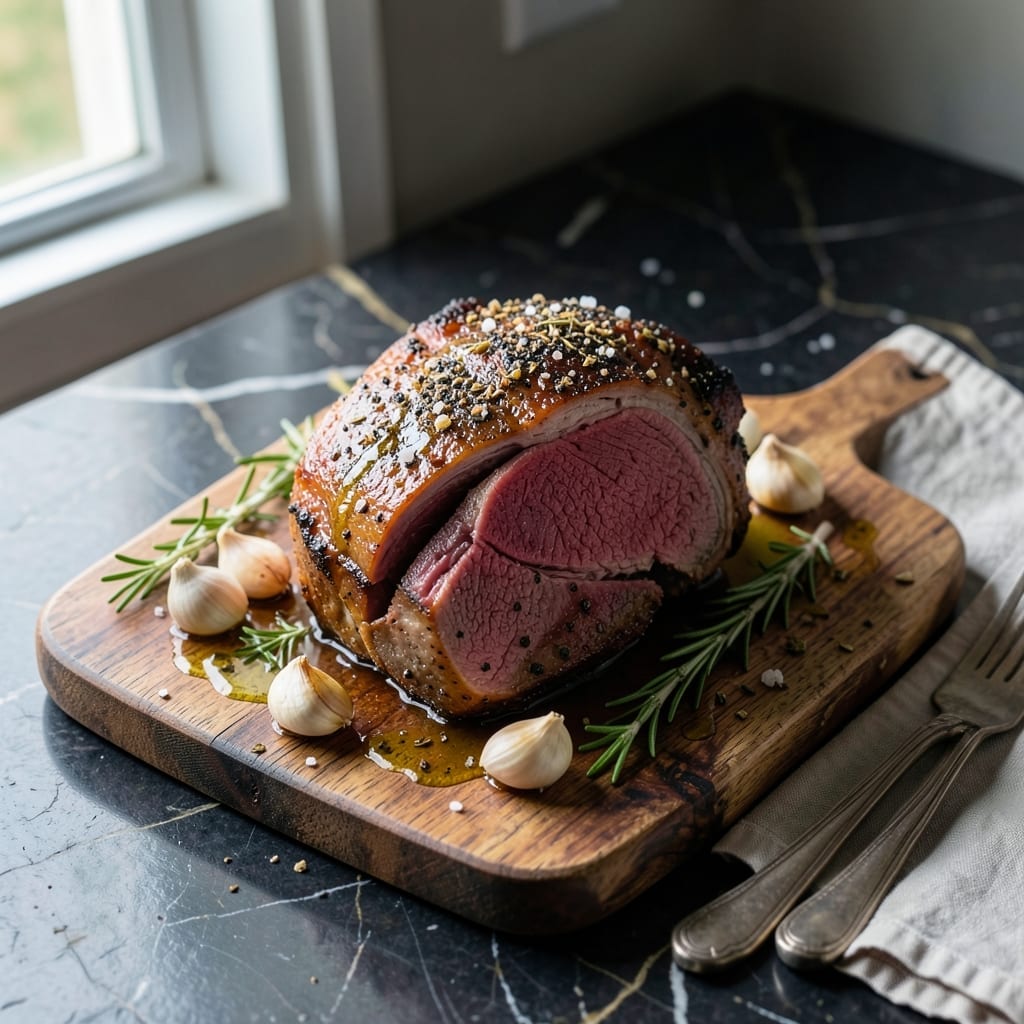
This oven-roasted elk recipe transforms lean wild game into an elegant, tender centerpiece worthy of special occasions. The key is a slow, low-temperature approach that prevents drying while coaxing out rich, deep flavors.

I developed this method after years of trial and error with wild game. A simple dry rub and periodic basting ensure the meat stays moist, while the oven’s consistent heat breaks down tough fibers into fall-off-the-bone tenderness.

The result is a beautifully browned roast with a caramelized crust and juicy interior. Serve it with roasted root vegetables or mashed potatoes to soak up every drop of the savory pan juices.

This technique works for any elk roast cut and delivers consistent, restaurant-quality results every time.

👨‍🍳
Difficulty
Medium
🥩
Diet
Meat
⏱️
Total Time
30 min
🔥
Calories
Med Cal

Ingredients for Elk Roast Recipe Oven

Elevate wild game with these carefully selected ingredients for a restaurant-worthy roast every time.

Ingredient Amount Notes
Elk Roast 🥩 3 lb any cut, trimmed of fat
Kosher Salt 🧂 2 tbsp Diamond Crystal preferred
Coarse Black Pepper 🌶️ 1 tbsp Freshly cracked for best flavor
Garlic Powder 🧄 2 tsp Not garlic salt
Onion Powder 🧅 2 tsp Fresh ground preferred
Dried Rosemary 🌿 1 tbsp Crushed between fingers
Dried Thyme 🍃 1 tbsp Crushed between fingers
Olive Oil 🫒 ¼ cup Extra-virgin for richness
Red Wine 🍷 1 cup Dry variety like Cabernet
Beef Stock 🥣 2 cups Low-sodium preferred
Carrots 🥕 3 whole Peeled, cut into chunks
Celery Stalks 🌿 3 whole Cut into large pieces
Yellow Onion 🧅 1 whole Quartered with skin on
Fresh Rosemary Sprigs 🌿 2 whole For basting and aroma

The elk roast quality is paramount. Source from reputable game processors or specialty butchers like Wild Fork. Look for deep red color with minimal fat marbling—this indicates freshness. The cut should be uniform in thickness for even cooking. For the beef stock, homemade or high-quality store-bought (like Better Than Bouillon) makes a noticeable difference in the finished pan juices.

No red wine? Substitute with additional beef stock plus 1 tbsp balsamic vinegar for acidity. Fresh herbs can replace dried at three times the amount. For the stock, chicken or vegetable may be used, but beef provides the deepest flavor. If elk is unavailable, venison or beef chuck roast work well with adjusted cooking times—venison cooks faster, beef needs longer.

Store raw elk in the coldest part of your refrigerator for up to 3 days. The dry rub can be prepared 1 week ahead and stored at room temperature. Cooked roast keeps beautifully, refrigerated, for 4-5 days and reheats gently in its juices to maintain moisture.

❤️

Why You’ll Love This Recipe

  • Set It and Forget: I rub the elk with salt, pepper, garlic and onion powder, pop it in the oven, and let the heat do the rest.
  • Deep, Meaty Flavor: The dry rub caramelizes into a crust that locks in every rich, wild taste of the elk.
  • Feeds the Freezer: One roast gives me leftovers for sandwiches, tacos, and stews all week long.
  • Weeknight Unfussy: Honestly, it’s just season and roast—no marinating, no last-minute fuss.

Step-by-Step Instructions for Elk Roast Oven

Master the technique for perfectly tender wild game with these precise oven-roasting steps.

Step 1: Season and Sear the Elk Roast

Pat the 3 lb elk roast completely dry with paper towels. Rub it generously with the 2 tbsp kosher salt, 1 tbsp coarse black pepper, 2 tsp garlic powder, 2 tsp onion powder, 1 tbsp dried rosemary, and 1 tbsp dried thyme. I crush the dried herbs between my fingers to release their oils as I apply them.

Heat the 0.25 cup olive oil in a Dutch oven over medium-high heat until shimmering. Sear the elk roast on all sides for 2-3 minutes per side until deeply browned. This step builds a flavorful crust that enhances the dish significantly.

Step 2: Prepare the Aromatic Base

Remove the seared roast and set it aside. In the same Dutch oven, add the 3 whole carrots, 3 whole celery stalks, and 1 whole yellow onion. Sauté for 4-5 minutes until the vegetables begin to soften and develop color.

Pour in the 1 cup red wine and deglaze the pan, scraping up all the browned bits from the bottom. Let the wine reduce by half, which takes about 3-4 minutes. This creates a rich foundation for the braising liquid.

Step 3: Braise the Elk Roast

Return the elk roast to the Dutch oven, adding the 2 cups beef stock and 2 whole fresh rosemary sprigs. The liquid should come about halfway up the side of the roast. Cover tightly and transfer to a preheated 325°F oven.

Braise for 2.5 to 3 hours, turning the roast halfway through the cooking time. You’ll know it’s done when the meat is fork-tender and easily pulls apart. The internal temperature should reach 195-200°F for optimal tenderness.

Step 4: Rest and Serve

Carefully remove the elk roast from the Dutch oven and transfer it to a cutting board. Tent loosely with foil and let it rest for 15-20 minutes before slicing. This allows the juices to redistribute throughout the meat.

Strain the braising liquid through a fine-mesh sieve into a saucepan. Simmer for 5-10 minutes until reduced to your desired consistency. Skim off any excess fat that rises to the surface. Serve the sliced elk roast with the reduced braising liquid spooned over the top.

👨‍🍳

Pro Tips For Making Elk Roast Recipe Oven

  • Sear It First: I learned this the hard way—starting with a hot sear in a cast-iron skillet gives the elk a deep crust and locks in juices before it hits the oven. Skip this and the roast can taste flat, even with good seasoning.
  • Rest Before Slicing: After pulling it from the oven, tent it with foil and give it a solid 15 minutes. Sounds tedious, but it keeps the juices from running all over the cutting board.
  • Don’t Over-Salt Early: Elk is leaner than beef, so it absorbs salt fast. Season lightly before cooking, then adjust after resting—you can always add more, but you can’t take it out.
  • Use a Meat Thermometer: Elk roast is best at 130-135°F for medium-rare. Guessing by time or color? I’ve ruined two roasts that way. A thermometer is the only thing that matters most here.

Dietary Considerations for This Dish

Lean Protein Power

Elk roast is incredibly lean, with about 28g of protein per 3 oz serving and only 2g of fat. This makes it ideal for anyone watching their fat intake while still building muscle. I love that it provides all nine essential amino acids. 💪

Low Calorie Option

A 3 oz serving of cooked elk contains roughly 140 calories, making it one of the lowest-calorie red meats available. The braising method helps maintain moisture without adding excessive calories from fats or oils.

Rich in Iron

You’ll get about 20% of your daily iron needs from a single serving. Elk provides heme iron, which is more easily absorbed by the body than non-heme iron from plant sources. This is particularly beneficial for active individuals.

Gluten-Free Naturally

This recipe is naturally gluten-free as written. All ingredients—elk, spices, wine, and stock—contain no gluten. Just verify your beef stock brand, as some commercial varieties may contain wheat derivatives.

Keto-Friendly Adaptation

To make this keto-compliant, simply skip the carrots or replace with low-carb vegetables like celery and onions. The elk itself has zero carbs, and the braising liquid can be thickened with xanthan gum instead of flour. 🥗

Allergen Considerations

The primary allergens to watch are in the wine (sulfites) and beef stock (soy or wheat in some brands). For sulfite-free options, look for wines labeled as such. Always check stock labels carefully.

Nutrition Facts

Servings 4
Amount Per Serving
Calories 580kcal
% Daily Value
Total Fat 28g36%
Saturated Fat 6g30%
Cholesterol 140mg47%
Sodium 980mg43%
Total Carbohydrate 12g4%
Dietary Fiber 3g11%
Sugars 4g
Protein 62g124%
Percent Daily Values are based on a 2,000 calorie diet. Your daily values may be higher or lower depending on your calorie needs.

Frequently Asked Questions

1

What’s the ideal internal temperature for tenderness?

Aim for 195-200°F internally. This higher temp breaks down collagen in the lean meat, creating that coveted fall-apart texture. Use a meat thermometer for accuracy.

2

Can I use a different cut of elk?

Yes! Any elk roast cut works, but uniform thickness ensures even cooking. Shoulder or hindquarter roasts are most common and equally delicious.

3

How do I prevent the meat from drying out?

Keep the Dutch oven tightly covered during braising and baste occasionally. The 325°F oven temp and liquid environment maintain moisture in this lean protein.

4

What if I don’t have a Dutch oven?

A heavy oven-safe pot with a tight lid works too. The key is even heat distribution and maintaining the braising liquid.

★★★★★5.0(14 reviews)
Tyler Parker

Elk Roast Recipe Oven: Fall-Off-The-Bone Wild Game Elegance

Elk Roast Recipe Oven: Fall-Off-The-Bone Wild Game Elegance

This oven-roasted elk recipe transforms lean wild game into an elegant, tender centerpiece worthy of special occasions. The key is a slow, low-temperature approach that prevents drying while coaxing out rich, deep flavors.

I developed this method after years of trial and error with wild game. A simple dry rub and periodic basting ensure the meat stays moist, while the oven’s consistent heat breaks down tough fibers into fall-off-the-bone tenderness.

The result is a beautifully browned roast with a caramelized crust and juicy interior. Serve it with roasted root vegetables or mashed potatoes to soak up every drop of the savory pan juices.

This technique works for any elk roast cut and delivers consistent, restaurant-quality results every time.

👨‍🍳
Difficulty
Medium
🥩
Diet
Meat
⏱️
Total Time
30 min
🔥
Calories
Med Cal

Ingredients for Elk Roast Recipe Oven

Elevate wild game with these carefully selected ingredients for a restaurant-worthy roast every time.

Ingredient Amount Notes
Elk Roast 🥩 3 lb any cut, trimmed of fat
Kosher Salt 🧂 2 tbsp Diamond Crystal preferred
Coarse Black Pepper 🌶️ 1 tbsp Freshly cracked for best flavor
Garlic Powder 🧄 2 tsp Not garlic salt
Onion Powder 🧅 2 tsp Fresh ground preferred
Dried Rosemary 🌿 1 tbsp Crushed between fingers
Dried Thyme 🍃 1 tbsp Crushed between fingers
Olive Oil 🫒 ¼ cup Extra-virgin for richness
Red Wine 🍷 1 cup Dry variety like Cabernet
Beef Stock 🥣 2 cups Low-sodium preferred
Carrots 🥕 3 whole Peeled, cut into chunks
Celery Stalks 🌿 3 whole Cut into large pieces
Yellow Onion 🧅 1 whole Quartered with skin on
Fresh Rosemary Sprigs 🌿 2 whole For basting and aroma

The elk roast quality is paramount. Source from reputable game processors or specialty butchers like Wild Fork. Look for deep red color with minimal fat marbling—this indicates freshness. The cut should be uniform in thickness for even cooking. For the beef stock, homemade or high-quality store-bought (like Better Than Bouillon) makes a noticeable difference in the finished pan juices.

No red wine? Substitute with additional beef stock plus 1 tbsp balsamic vinegar for acidity. Fresh herbs can replace dried at three times the amount. For the stock, chicken or vegetable may be used, but beef provides the deepest flavor. If elk is unavailable, venison or beef chuck roast work well with adjusted cooking times—venison cooks faster, beef needs longer.

Store raw elk in the coldest part of your refrigerator for up to 3 days. The dry rub can be prepared 1 week ahead and stored at room temperature. Cooked roast keeps beautifully, refrigerated, for 4-5 days and reheats gently in its juices to maintain moisture.

❤️

Why You’ll Love This Recipe

  • Set It and Forget: I rub the elk with salt, pepper, garlic and onion powder, pop it in the oven, and let the heat do the rest.
  • Deep, Meaty Flavor: The dry rub caramelizes into a crust that locks in every rich, wild taste of the elk.
  • Feeds the Freezer: One roast gives me leftovers for sandwiches, tacos, and stews all week long.
  • Weeknight Unfussy: Honestly, it’s just season and roast—no marinating, no last-minute fuss.

Step-by-Step Instructions for Elk Roast Oven

Master the technique for perfectly tender wild game with these precise oven-roasting steps.

Step 1: Season and Sear the Elk Roast

Pat the 3 lb elk roast completely dry with paper towels. Rub it generously with the 2 tbsp kosher salt, 1 tbsp coarse black pepper, 2 tsp garlic powder, 2 tsp onion powder, 1 tbsp dried rosemary, and 1 tbsp dried thyme. I crush the dried herbs between my fingers to release their oils as I apply them.

Heat the 0.25 cup olive oil in a Dutch oven over medium-high heat until shimmering. Sear the elk roast on all sides for 2-3 minutes per side until deeply browned. This step builds a flavorful crust that enhances the dish significantly.

Step 2: Prepare the Aromatic Base

Remove the seared roast and set it aside. In the same Dutch oven, add the 3 whole carrots, 3 whole celery stalks, and 1 whole yellow onion. Sauté for 4-5 minutes until the vegetables begin to soften and develop color.

Pour in the 1 cup red wine and deglaze the pan, scraping up all the browned bits from the bottom. Let the wine reduce by half, which takes about 3-4 minutes. This creates a rich foundation for the braising liquid.

Step 3: Braise the Elk Roast

Return the elk roast to the Dutch oven, adding the 2 cups beef stock and 2 whole fresh rosemary sprigs. The liquid should come about halfway up the side of the roast. Cover tightly and transfer to a preheated 325°F oven.

Braise for 2.5 to 3 hours, turning the roast halfway through the cooking time. You’ll know it’s done when the meat is fork-tender and easily pulls apart. The internal temperature should reach 195-200°F for optimal tenderness.

Step 4: Rest and Serve

Carefully remove the elk roast from the Dutch oven and transfer it to a cutting board. Tent loosely with foil and let it rest for 15-20 minutes before slicing. This allows the juices to redistribute throughout the meat.

Strain the braising liquid through a fine-mesh sieve into a saucepan. Simmer for 5-10 minutes until reduced to your desired consistency. Skim off any excess fat that rises to the surface. Serve the sliced elk roast with the reduced braising liquid spooned over the top.

👨‍🍳

Pro Tips For Making Elk Roast Recipe Oven

  • Sear It First: I learned this the hard way—starting with a hot sear in a cast-iron skillet gives the elk a deep crust and locks in juices before it hits the oven. Skip this and the roast can taste flat, even with good seasoning.
  • Rest Before Slicing: After pulling it from the oven, tent it with foil and give it a solid 15 minutes. Sounds tedious, but it keeps the juices from running all over the cutting board.
  • Don’t Over-Salt Early: Elk is leaner than beef, so it absorbs salt fast. Season lightly before cooking, then adjust after resting—you can always add more, but you can’t take it out.
  • Use a Meat Thermometer: Elk roast is best at 130-135°F for medium-rare. Guessing by time or color? I’ve ruined two roasts that way. A thermometer is the only thing that matters most here.

Dietary Considerations for This Dish

Lean Protein Power

Elk roast is incredibly lean, with about 28g of protein per 3 oz serving and only 2g of fat. This makes it ideal for anyone watching their fat intake while still building muscle. I love that it provides all nine essential amino acids. 💪

Low Calorie Option

A 3 oz serving of cooked elk contains roughly 140 calories, making it one of the lowest-calorie red meats available. The braising method helps maintain moisture without adding excessive calories from fats or oils.

Rich in Iron

You’ll get about 20% of your daily iron needs from a single serving. Elk provides heme iron, which is more easily absorbed by the body than non-heme iron from plant sources. This is particularly beneficial for active individuals.

Gluten-Free Naturally

This recipe is naturally gluten-free as written. All ingredients—elk, spices, wine, and stock—contain no gluten. Just verify your beef stock brand, as some commercial varieties may contain wheat derivatives.

Keto-Friendly Adaptation

To make this keto-compliant, simply skip the carrots or replace with low-carb vegetables like celery and onions. The elk itself has zero carbs, and the braising liquid can be thickened with xanthan gum instead of flour. 🥗

Allergen Considerations

The primary allergens to watch are in the wine (sulfites) and beef stock (soy or wheat in some brands). For sulfite-free options, look for wines labeled as such. Always check stock labels carefully.

Nutrition Facts

Servings 4
Amount Per Serving
Calories 580kcal
% Daily Value
Total Fat 28g36%
Saturated Fat 6g30%
Cholesterol 140mg47%
Sodium 980mg43%
Total Carbohydrate 12g4%
Dietary Fiber 3g11%
Sugars 4g
Protein 62g124%
Percent Daily Values are based on a 2,000 calorie diet. Your daily values may be higher or lower depending on your calorie needs.

Frequently Asked Questions

1

What’s the ideal internal temperature for tenderness?

Aim for 195-200°F internally. This higher temp breaks down collagen in the lean meat, creating that coveted fall-apart texture. Use a meat thermometer for accuracy.

2

Can I use a different cut of elk?

Yes! Any elk roast cut works, but uniform thickness ensures even cooking. Shoulder or hindquarter roasts are most common and equally delicious.

3

How do I prevent the meat from drying out?

Keep the Dutch oven tightly covered during braising and baste occasionally. The 325°F oven temp and liquid environment maintain moisture in this lean protein.

4

What if I don’t have a Dutch oven?

A heavy oven-safe pot with a tight lid works too. The key is even heat distribution and maintaining the braising liquid.

★★★★★5.0(14 reviews)
Tyler Parker