
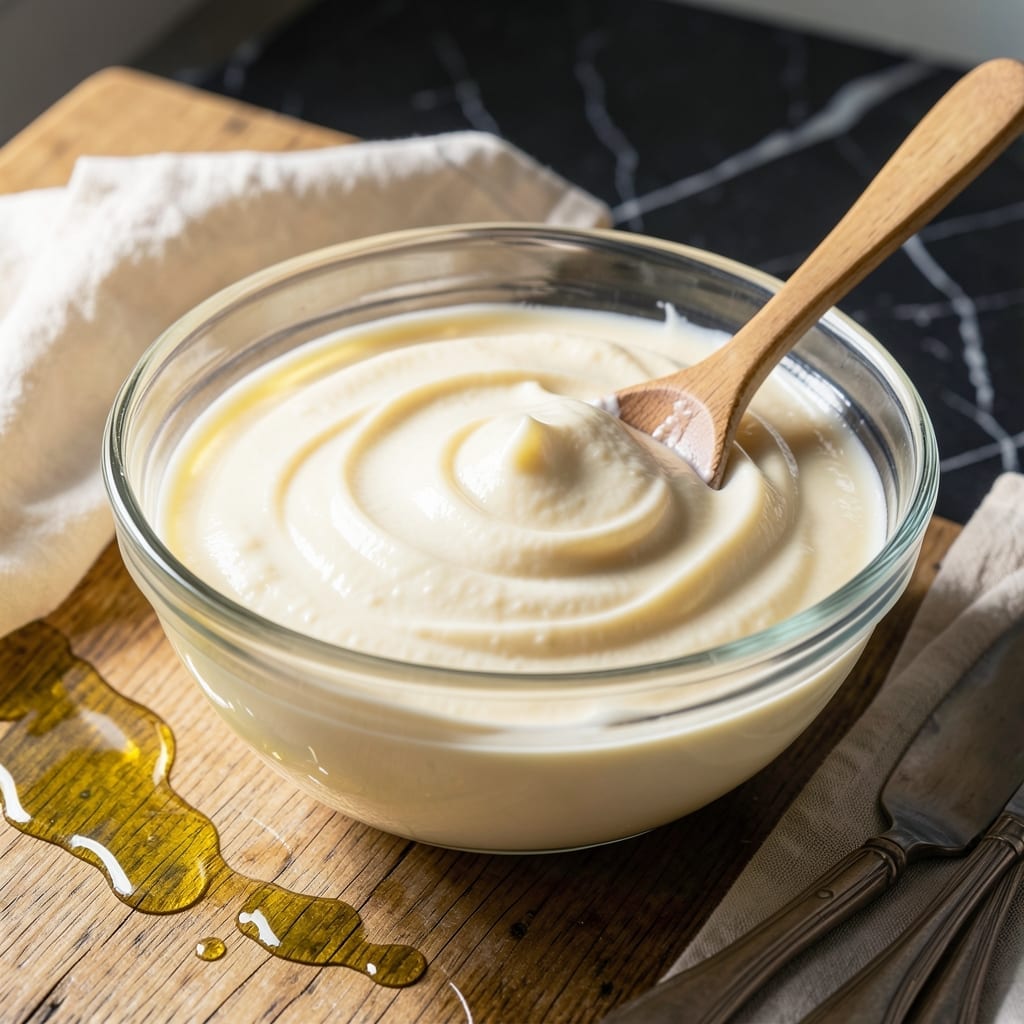
Forget the powdered sugar—this frosting delivers a silky smooth finish using only granulated sweetness. I developed this method after realizing many home bakers don’t always have confectioners’ sugar on hand.
The secret lies in dissolving granulated sugar completely into warm liquid, creating a stable base that whips up just like traditional frosting. This technique ensures a perfectly smooth texture without any graininess.
What you get is a versatile glaze that pipes beautifully, spreads easily, and holds its shape. It works for cakes, cupcakes, or even as a cookie topping.
No special equipment needed—just patience and a good whisk. This is frosting reimagined.
Ingredients for Frosting Recipe Without Powdered Sugar
Seven simple ingredients transform granulated sugar into silky smooth frosting perfection.
| Ingredient | Amount | Notes |
|---|---|---|
| Granulated Sugar 🍚 | 2 cups | Fine white sugar for best dissolution |
| Whole Milk 🥛 | ½ cup | Warm to dissolve sugar faster |
| Unsalted Butter 🧈 | ½ cup | Softened to room temperature |
| Vanilla Extract 🌿 | 2 tsp | Pure extract for best flavor |
| Heavy Cream 🥛 | ¼ cup | Cold for whipping stability |
| Corn Syrup 🍯 | 2 tbsp | Light or dark works |
| Salt 🧂 | ¼ tsp | Fine table salt preferred |
The sugar is the foundation—C&H or Domino brands dissolve most reliably. Use fine white granulated for the smoothest results (organic or raw sugars may leave texture). Warm the milk just until steaming (not boiling) to fully melt the sugar crystals. For the butter, European-style offers richer flavor, but standard unsalted works perfectly. Temperature matters here—too hot and the butter separates, too cold and the sugar won’t dissolve.
No corn syrup? Honey or agave at equal amounts works, though flavor will differ slightly. Want it richer? Swap whole milk for half-and-half. Vanilla bean paste can replace extract at half the quantity (scrape the seeds from one pod). For a dairy-free version, substitute coconut milk and vegan butter—just ensure they’re unsweetened. The cream can be omitted, but texture won’t be quite as stable.
Store in an airtight container at room temperature for up to 3 days, or refrigerate for 1 week. Rewhip briefly before using if it separates. Freezing isn’t recommended—texture breaks down. Always bring butter to room temperature before starting for best results.
Why You’ll Love This Recipe
- No-Fuss Cooking: I just melt the butter, sugar, and milk together—no sifting, no powdered sugar mess, and it’s ready in one pot.
- Rich, Buttery Taste: The combo of whole milk and heavy cream gives it that deep, velvety richness I crave in frosting.
- Crowd-Pleasing Classic: Honestly, this works on cupcakes, cakes, even cookies, and everyone always asks for the recipe.
- Budget Stretch: I save a trip to the store since I almost always have granulated sugar and butter on hand.
Step-by-Step Instructions for Frosting Without Powdered Sugar
This method transforms granulated sugar into a silky, spreadable glaze through careful dissolution and reduction.
Step 1: Dissolve Granulated Sugar in Warm Liquid
In a medium saucepan, combine the 2 cups Granulated Sugar with 0.5 cup Whole Milk over medium heat. Warm milk dissolves sugar crystals more efficiently than cold, creating a smooth base without graininess.
Stir constantly with a silicone spatula until the mixture reaches 160°F and all sugar granules have completely dissolved. You’ll notice the liquid transforms from cloudy to translucent as the sugar incorporates fully—this visual change confirms you’re ready for the next step.
Step 2: Incorporate Butter and Corn Syrup
Remove the pan from heat and immediately whisk in the 0.5 cup Unsalted Butter until fully melted and emulsified. The butter must be softened to room temperature beforehand to prevent seizing the sugar mixture.
Add the 2 tbsp Corn Syrup and 0.25 tsp Salt, stirring vigorously. The corn syrup acts as an invert sugar, preventing crystallization and contributing to the frosting’s glossy finish. At this stage, the mixture will appear thin and glossy.
Step 3: Reduce to Desired Consistency
Return the pan to medium-low heat and continue cooking without stirring until the mixture reaches 235-240°F. This reduction stage is critical—too short and the frosting remains runny; too long and it hardens excessively.
Test for doneness by drizzling a small amount from a spoon. It should fall in a thick, continuous ribbon that holds its shape briefly before melting back. The color will deepen slightly to a pale ivory, signifying proper caramelization of the sugars.
Step 4: Cool and Finish with Cream and Vanilla
Transfer the hot mixture to a heatproof bowl and let cool to 110°F, stirring occasionally to release heat evenly. This cooling prevents curdling when adding the dairy components.
Gradually whisk in the 0.25 cup Heavy Cream (cold from the refrigerator) until smooth, then add the 2 tsp Vanilla Extract. The cold cream will cause temporary thickening as the mixture cools—this is normal. Continue whisking until fully incorporated and glossy.
Step 5: Achieve Ideal Spreading Consistency
Let the frosting cool to room temperature, stirring every 5 minutes to prevent skin formation. The ideal spreading consistency occurs when the frosting holds peaks that slowly relax, typically after 30-45 minutes of cooling.
If the mixture thickens too much before use, gently rewarm over a water bath while stirring. For immediate use, you can place the bowl in an ice bath and whisk vigorously to accelerate cooling. The final product should be smooth, glossy, and spreadable with a slight sheen.
Pro Tips For Making Frosting Recipe Without Powdered Sugar
- Cook the Sugar Slow: Dissolve the granulated sugar completely in the milk over medium-low heat before boiling—rushing this step leaves grainy frosting. I learned this the hard way after scraping my first batch straight into the trash.
- Chill the Bowl First: Pop your mixing bowl and beaters in the freezer for 10 minutes before whipping the butter and cream. Sounds weird, but it prevents the frosting from turning soupy while you work.
- Skip Cold Butter: Use room-temperature butter, about 65-68°F—it should dent when pressed but not melt. After burning two batches with rock-hard butter, I finally figured out this is non-negotiable.
- Add Cream Gradually: Drizzle in the heavy cream a tablespoon at a time while beating. This isn’t the prettiest method, but it keeps the frosting from separating or curdling.
Storing and Reheating This Dish
Room Temperature Storage
Let your frosting cool completely before transferring to an airtight container. At room temperature, it stays fresh for 2-3 days. I use glass jars with tight lids to prevent drying. Stir briefly before using, as it may separate slightly. 💡
Refrigerator Storage
For longer storage, refrigerate in a sealed container for up to 1 week. The cold thickens the texture, so let it sit at room temperature for 30 minutes before rewhipping. This restores the smooth, spreadable consistency.
Rewhipping Technique
If separated, use a hand mixer on low speed for 1-2 minutes to re-emulsify. For stubborn separation, warm the container in warm water for 5-10 minutes, then whisk vigorously. This brings it back to life.
Freezing Not Recommended
Freezing changes the texture, causing graininess or separation that’s hard to fix. If you must freeze, portion into ice cube trays for 1 month max. Thaw in the fridge overnight, then rewhip.
Reheating for Piping
For piping consistency, gently warm in a double boiler over low heat, stirring constantly. Test by drizzling—a thick ribbon that holds shape briefly means it’s ready. Avoid overheating, which can cause curdling. ✨
Nutrition Facts
Frequently Asked Questions
Why does this method work without powdered sugar?
Granulated sugar dissolves completely in warm milk, creating a smooth syrup. The reduction step concentrates the mixture into a stable, spreadable consistency. The corn syrup helps prevent crystallization.
Can I use brown sugar instead of white?
Yes, but expect a deeper caramel flavor and slightly darker color. Brown sugar contains molasses which may affect texture slightly. The process remains the same.
What happens if I skip the corn syrup?
The frosting may crystallize or become grainy. Corn syrup acts as an invert sugar, keeping the texture smooth and glossy. For substitutes, use honey or agave.
How do I fix frosting that’s too runny?
Return it to low heat and cook longer until it reaches 235-240°F. Test by drizzling from a spoon—it should hold shape briefly. Stir constantly to prevent burning.

- 6 Egg Cake Recipe with Oil: Light as Air With Buttery Moisture - October 4, 2026
- 4 Bean Casserole Recipe: One-Pan Heartiness With Smoky Paprika Depth - October 4, 2026
- 3-Ingredient Keto Mug Cake Recipe: Microwave Magic in 2 Minutes - October 4, 2026