
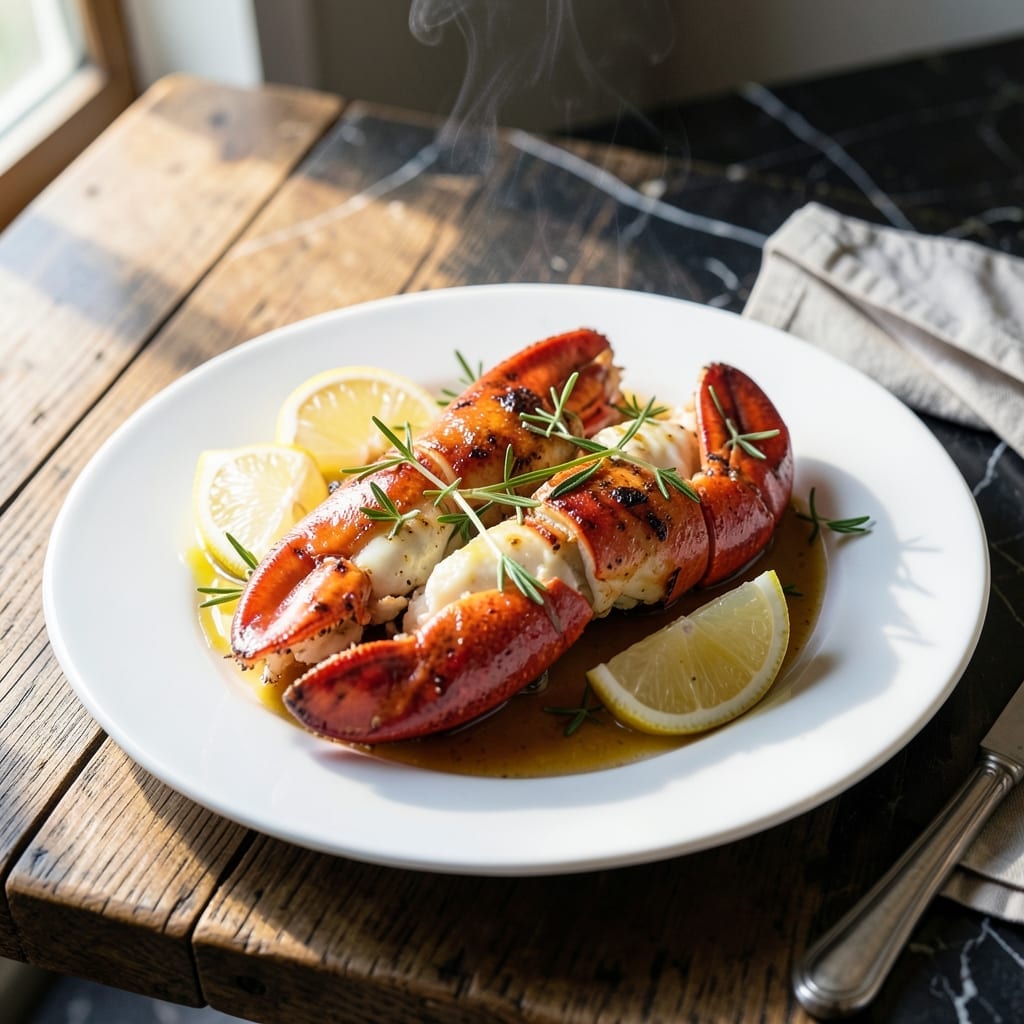
This recipe transforms lobster tail into a restaurant-worthy centerpiece with minimal effort and maximum impact. The secret lies in precise timing and a buttery finish that enhances the natural sweetness of the meat.
I’ve refined this method to ensure tender, succulent lobster every time, with a golden, caramelized exterior. The technique is straightforward but requires attention to detail, especially when it comes to temperature control.
What you’ll achieve is a dish that looks and tastes like it came from a high-end kitchen. The lobster is perfectly cooked—never tough or rubbery—with a rich, elegant presentation.
Serve it with a side of drawn butter and a sprinkle of fresh herbs for a meal that feels luxurious. Here’s how to make it happen.
Ingredients for Gordon Ramsay Lobster Tail
Restaurant-quality ingredients for a luxurious but straightforward preparation at home.
| Ingredient | Amount | Notes |
|---|---|---|
| Lobster Tails 🦞 | 4 whole | Cold water, 8-10 oz each |
| Unsalted Butter 🧈 | 1 cup | Divided for basting and drawn butter |
| Kosher Salt 🧂 | 1 tbsp | Plus more for seasoning |
| Freshly Ground Black Pepper 🌶️ | 1 tsp | Coarse grind preferred |
| Fresh Lemon 🍋 | 1 whole | Zested and juiced |
| Fresh Tarragon 🌿 | 2 tbsp | Chopped, for garnish |
| Fresh Chives 🌿 | 2 tbsp | Finely minced, for garnish |
| Olive Oil 🫒 | 1 tbsp | For brushing tails |
| Garlic Cloves 🧄 | 2 cloves | Minced, for drawn butter |
| Dry White Wine 🍷 | ¼ cup | Optional for poaching |
The lobster tails are the star—sourced fresh or flash-frozen from reputable seafood markets like Whole Foods or Local Fishmongers. Look for cold-water tails (Maine or spiny) with a firm shell and slight sweet odor. Avoid any with a strong ammonia smell (a sign of age). Size matters: 8-10 oz tails ensure even cooking and elegant plating. If buying frozen, thaw overnight in the fridge, never at room temperature.
No fresh tarragon? Fresh thyme or parsley work as substitutes, though the anise-like flavor of tarragon is ideal. For the wine, any dry white like Sauvignon Blanc or Pinot Grigio adds brightness to the drawn butter. If avoiding alcohol, seafood stock with a squeeze of lemon achieves similar depth. The butter must be unsalted—you control the seasoning. Pre-ground pepper lacks the punch of fresh.
Lobster tails keep 1-2 days in the fridge if raw, 3-4 months frozen. Drawn butter can be made ahead and reheated gently—don’t boil. Fresh herbs are best used the day of purchase, but a damp paper towel in a bag extends their life to 5 days.
Why You’ll Love This Recipe
- 20-Minute Luxury: I can have restaurant-quality lobster on the table faster than it takes to order takeout.
- Butter-Kissed Perfection: The melted butter with a squeeze of fresh lemon makes every bite ridiculously good.
- Date Night Winner: Honestly, this feels fancy enough for an anniversary but simple enough for a Tuesday.
- No Waste Here: Leftovers? Rare—but when they happen, they make an incredible lobster roll the next day.
Step-by-Step Instructions for Gordon Ramsay Lobster Tail
Master the technique with precision timing and professional execution for restaurant-quality results.
Step 1: Prepare the Lobster Tails for Cooking
Begin by patting the 4 whole Lobster Tails completely dry with paper towels to remove excess moisture. Using kitchen shears, carefully cut through the top shell lengthwise, stopping just before the tail fin. Gently pry open the shell and lift the lobster meat out, keeping it attached at the base.
Brush the exposed meat with 1 tbsp Olive Oil and season lightly with 1 tbsp Kosher Salt and 1 tsp Freshly Ground Black Pepper. Place the tails meat-side up on a cutting board, allowing the seasoning to penetrate for 5-10 minutes before cooking.
Step 2: Create the Garlic-Infused Drawn Butter
In a small saucepan over low heat, melt ½ cup Unsalted Butter from the 1 cup Unsalted Butter until it begins to foam. Add the 2 cloves Garlic Cloves (minced) and cook for 1-2 minutes until fragrant but not browned. Remove from heat immediately to prevent burning.
Strain the butter through a fine-mesh sieve into a small bowl, discarding the garlic solids. Keep the drawn butter warm by placing the bowl in a larger bowl of hot water. This garlic-infused butter will be used for basting during the cooking process.
Step 3: Cook the Lobster Tails to Perfection
Preheat your oven to 400°F. Heat a large oven-safe skillet over medium-high heat. Place the prepared lobster tails shell-side down in the hot pan. Cook for 2-3 minutes until the shells begin to turn bright red and the meat starts to firm up at the edges.
Transfer the skillet to the preheated oven and bake for 8-10 minutes for 8-10 oz tails, or until the meat is opaque and reaches an internal temperature of 140°F. Baste the tails with the warm drawn butter halfway through the cooking time.
Step 4: Finish with Citrus and Herbs
Remove the lobster tails from the oven and transfer them to a serving platter. Immediately brush with the remaining drawn butter. Zest the 1 whole Fresh Lemon over the tails, then squeeze 1 tbsp of the juice evenly across all four portions.
Garnish with 2 tbsp Fresh Tarragon (chopped) and 2 tbsp Fresh Chives (finely minced). For an optional refinement, deglaze the skillet with 0.25 cup Dry White Wine and drizzle the reduction over the tails before serving.
Pro Tips For Making Gordon Ramsay Lobster Tail
- Butter First, Shell Later: Melt the butter in the pan before adding the lobster tails—I learned this the hard way after my first batch stuck to the pan. The hot fat helps prevent sticking and starts the cooking process evenly.
- Split the Shell: Use kitchen shears to cut the top of the shell lengthwise and pry it open slightly. This lets the heat penetrate the meat directly and makes it easier to baste with butter.
- Skip Overcooking: Lobster tail meat turns rubbery fast, so pull it at 135°F internal temp. After burning one batch to toughness, I now use a meat thermometer—no exceptions.
- Lemon at the End: Squeeze fresh lemon juice over the tails just before serving. Sounds weird, but it works: the acid brightens the rich butter without making the meat tough during cooking.
Creative Variations of gordon ramsay lobster tail
Surf and Turf Luxe
Add a 6-oz filet mignon to each plate for a true Gordon Ramsay surf and turf experience. Sear the steak in the same pan after removing the lobster, using the leftover garlic butter for basting. Cook to medium-rare (130°F internal) for perfect doneness. 🔥
Thermidor Transformation
For a French twist, top cooked lobster meat with a gruyère-béarnaise sauce. Melt ½ cup gruyère into the drawn butter, add 1 tbsp Dijon mustard, and broil for 2-3 minutes until bubbly. Finish with a sprinkle of paprika for color.
Asian Fusion Glaze
Replace the drawn butter with a miso-ginger glaze. Whisk 2 tbsp white miso, 1 tbsp honey, 1 tsp grated ginger, and 1 tbsp rice vinegar. Brush onto tails during the last 3 minutes of baking. Garnish with toasted sesame seeds.
Cajun Spice Kick
Rub tails with a blend of 1 tsp smoked paprika, ½ tsp cayenne, and ½ tsp garlic powder before cooking. Serve with a side of remoulade sauce—mix ½ cup mayo, 1 tbsp capers, and 1 tsp hot sauce. This adds bold Louisiana flavor. 💛
Mediterranean Herb Crust
Press a mix of breadcrumbs, chopped parsley, and grated Parmesan onto the meat before baking. Use ¼ cup breadcrumbs and 2 tbsp Parmesan for four tails. The crust adds a delightful crunch while keeping the meat juicy.
Lemon-Herb Butter Bast
Infuse the drawn butter with 1 tbsp lemon zest and 1 tbsp mixed herbs (thyme, rosemary). Baste generously during cooking for a bright, aromatic finish. This variation highlights the lobster’s natural sweetness beautifully.
Nutrition Facts
Frequently Asked Questions
How do I know when the lobster is done?
The meat should turn opaque white and reach an internal temperature of 140°F. Avoid overcooking, as it can make the lobster tough and rubbery.
Can I use frozen lobster tails?
Yes, thaw them overnight in the fridge before cooking. Never thaw at room temperature, as this can compromise texture and safety.
What if I don’t have oven-safe skillet?
Sear the tails in a regular pan, then transfer to a baking dish for the oven finish. Preheat the dish to maintain even cooking.
Can I prepare the drawn butter ahead?
Make it up to 2 days in advance and reheat gently before serving. Keep it warm in a thermos or double boiler.

- 6 Egg Cake Recipe with Oil: Light as Air With Buttery Moisture - October 4, 2026
- 4 Bean Casserole Recipe: One-Pan Heartiness With Smoky Paprika Depth - October 4, 2026
- 3-Ingredient Keto Mug Cake Recipe: Microwave Magic in 2 Minutes - October 4, 2026