
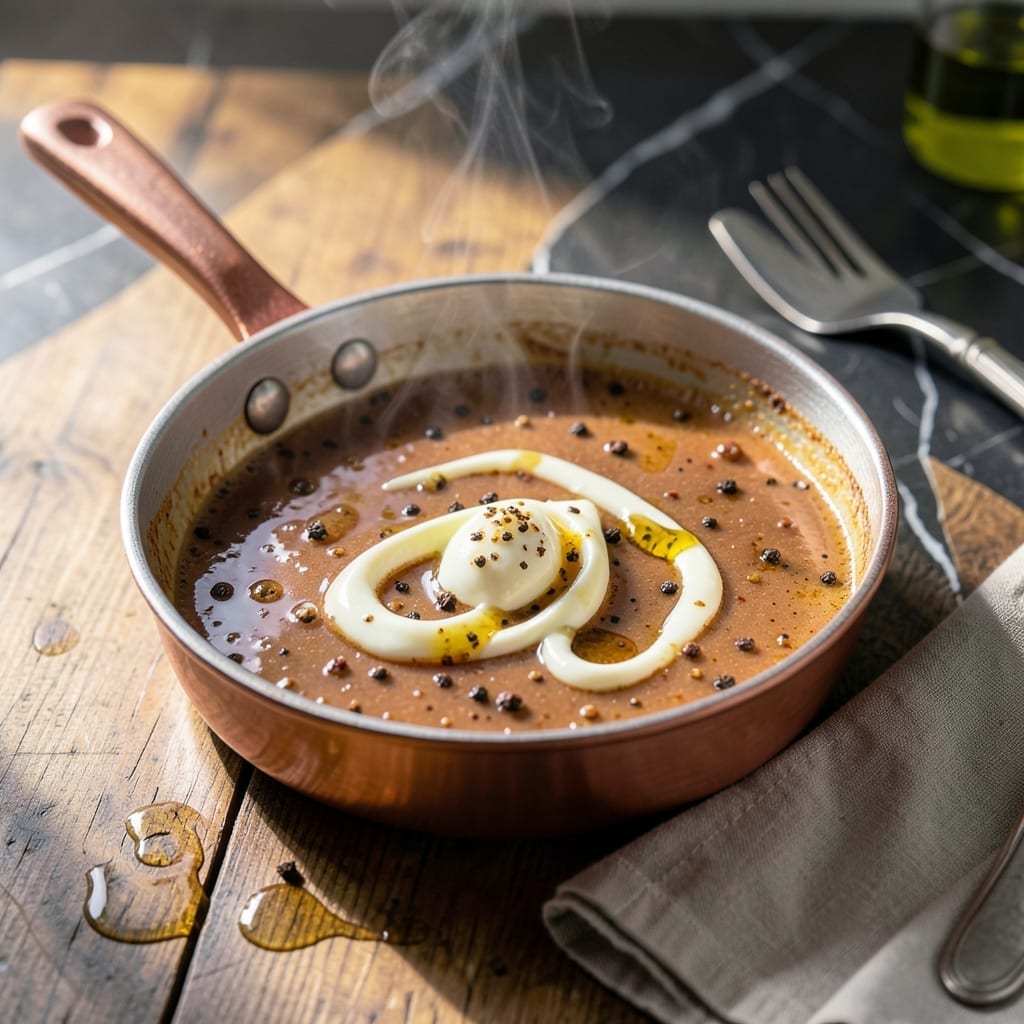
This glaze transforms a simple ham into the centerpiece of your holiday table with minimal effort. A perfect balance of sweet and tangy flavors creates that signature sticky coating everyone loves.
I’ve refined this recipe over years of family gatherings, focusing on a combination of brown sugar, honey, and a touch of mustard for depth. The result is a glossy finish that caramelizes beautifully in the oven.
The beauty of this method is its simplicity—just simmer the ingredients together until thickened, then brush onto your ham during the last 30 minutes of baking. It’s foolproof and always impressive.
Store any leftovers in the fridge for up to a week, though it’s so good you’ll likely use it all. Here’s how to make it.
Ingredients for Ham Glaze
Eight ingredients for that glossy, sticky coating everyone raves about at the holidays.
| Ingredient | Amount | Notes |
|---|---|---|
| Brown Sugar 🍚 | 1 cup | Light or dark variety |
| Honey 🍯 | ½ cup | Pure, unfiltered preferred |
| Dijon Mustard 🟡 | 2 tbsp | Smooth, not whole grain |
| Apple Cider Vinegar 🍏 | 2 tbsp | For tangy brightness |
| Unsalted Butter 🧈 | ½ cup | Melted for richness |
| Ground Cloves 🌿 | ¼ tsp | Freshly ground for best flavor |
| Ground Cinnamon 🌰 | ½ tsp | Adds warm spice depth |
| Vanilla Extract 🌿 | 1 tsp | Pure extract recommended |
Brown sugar is the backbone here. Domino or Florida Crystals work great—light or dark, your call. The honey adds that sticky shine, so use the good stuff (local if you can get it). Trader Joe’s or Whole Foods have solid options. Butter ties it all together, so don’t skimp on quality. I always keep a stick of Plugrá in the freezer just for glazes like this.
No honey? Maple syrup at a 1:1 ratio works in a pinch. Out of Dijon? Yellow mustard plus a pinch of cayenne gets you close. Apple cider vinegar can swap for white vinegar, but the cider adds nice depth. If you’re missing cloves or cinnamon, a pinch of pumpkin pie spice covers both. The vanilla is subtle but worth it—don’t use imitation.
Glaze keeps 1 week in the fridge in a sealed jar. Reheat gently to brush on—it thickens as it cools. Make a double batch and freeze half for next holiday. Just thaw and warm before using.
Why You’ll Love This Recipe
- 5-Minute Mix: I just dump everything in one saucepan and stir—brown sugar, honey, and butter melt together like magic.
- Sweet & Tangy: The honey and apple cider vinegar balance so well, with just enough kick from the Dijon to keep it interesting.
- Holiday Hero: I use this glaze for Easter ham, but honestly, it’s my secret for jazzing up weeknight leftovers too.
- Stretches Far: A small batch coats a whole ham, and I’ll be real: the leftovers taste even better the next day on sandwiches.
Step-by-Step Instructions for Ham Glaze
Here’s the method I use every holiday season—simple, flavorful, and foolproof.
Step 1: Melt the Butter and Combine Wet Ingredients
In a medium saucepan, melt the 0.5 cup unsalted butter over medium heat. I like to use a light-colored pan so I can monitor the color change as the butter melts and starts to foam.
Once the butter is fully melted and bubbling, add the 1 cup brown sugar and 0.5 cup honey. Stir constantly with a wooden spoon or silicone spatula until the sugar completely dissolves—this usually takes about 2-3 minutes.
You’ll know it’s ready when the mixture looks smooth and slightly glossy, with no visible sugar granules. Real talk: if it looks grainy, keep stirring—under-dissolved sugar will make your glaze gritty.
Step 2: Build Flavor with Spices and Vinegar
Reduce the heat to medium-low and stir in the 2 tbsp Dijon mustard, 2 tbsp apple cider vinegar, 0.25 tsp ground cloves, and 0.5 tsp ground cinnamon. The vinegar will bubble up when it hits the hot mixture—that’s normal.
Let this simmer gently for 3-4 minutes, stirring occasionally. The goal here is to let the flavors meld without letting the mixture boil over or darken too much. You want a rich, deep amber color, not burnt.
This is the moment that matters: the spice aroma will fill your kitchen, and you’ll start to see the glaze thicken slightly as it reduces. Don’t walk away—it can go from perfect to burnt quickly.
Step 3: Finish with Vanilla and Thicken
Remove the saucepan from heat and stir in the 1 tsp vanilla extract. Be careful here—the mixture will be hot and can bubble when you add the vanilla. I always use pure vanilla extract for the best depth of flavor.
Return the pan to low heat and let it simmer for another 2-3 minutes. The glaze should coat the back of a spoon thickly and drip slowly when you lift the spoon. If it’s too thin, let it reduce a bit longer; if it’s too thick, add a splash of water to loosen it.
You’re aiming for a consistency like warm syrup—thick enough to cling to your ham but still pourable. The glaze will thicken slightly more as it cools.
Step 4: Apply to Ham and Bake
Transfer the glaze to a heatproof bowl or measuring cup for easier handling. Brush a generous layer over your ham during the last 30-45 minutes of baking. I like to score the ham first so the glaze can seep into the cuts and flavor every bite.
Baste the ham with the glaze every 10 minutes as it bakes at 325°F. Watch for the glaze to caramelize and turn a deep, glossy golden brown—that’s when you know it’s developing that perfect sticky texture.
Don’t be tempted to add all the glaze at once. Using it in stages builds layers of flavor and prevents it from burning. Any leftover glaze can be served on the side for dipping.
Pro Tips For Making Ham Glaze
- Simmer Low and Slow: Keep the heat at medium-low and let the glaze simmer for 5-7 minutes—any higher and the brown sugar will burn before the flavors meld. I learned this the hard way after ruining a batch with impatient heat.
- Use Room-Temp Butter: Take the unsalted butter out 30 minutes early so it melts smoothly into the glaze instead of seizing up. Cold butter creates clumps, and nobody wants a lumpy ham glaze.
- Balance the Vinegar: Apple cider vinegar can overpower if you’re heavy-handed, so start with 1 tablespoon, taste, then add more if needed. Sounds weird, but it works: a little acid brightens the sweetness without making it sour.
- Strain for Smoothness: After cooking, run the glaze through a fine-mesh strainer to catch any stray sugar crystals or mustard seeds. It’s an extra 2 minutes that guarantees a silky finish on your ham.
Troubleshooting Perfect Results
Glaze Too Thin
If your glaze is watery after simmering, don’t panic. Continue cooking over low heat for another 3-5 minutes, stirring frequently. The sugar needs more time to caramelize and thicken. I often add 1 tsp cornstarch mixed with 1 tbsp water for a quick fix. 💡
Glaze Too Thick
Over-reduced glaze can be saved easily. Remove from heat and whisk in 1-2 tbsp hot water until smooth. Return to low heat if needed, but don’t boil. The consistency should coat a spoon but still drip slowly.
Burnt Flavor
If you detect a burnt taste, immediately transfer the glaze to a clean pan. Stir in 1 tbsp apple cider vinegar and 1 tbsp honey to mask bitterness. Next time, use medium-low heat and stir more often. Honestly, this happens to everyone at least once.
Grainy Texture
Undissolved sugar causes graininess. Return the glaze to medium heat and stir vigorously until smooth. If needed, add 1-2 tbsp water to help dissolve remaining crystals. A light-colored pan helps you spot sugar granules early.
Separated Glaze
If the butter separates, whisk vigorously off heat. If that fails, slowly drizzle in 1-2 tbsp warm water while whisking constantly. This usually brings it back together. I find this happens most when the heat is too high.
Glaze Not Sticking
For better adhesion, score your ham in a diamond pattern before glazing. Brush a thin layer first, let it set for 5 minutes at 325°F, then add more. The initial layer creates a sticky base for subsequent coats. ✨
Nutrition Facts
Frequently Asked Questions
Can I make this ahead of time?
Yes! Prepare the glaze up to 3 days in advance. Store in an airtight container in the fridge, then reheat gently before using.
What can I use instead of Dijon mustard?
Yellow mustard works in a pinch, but add a pinch of cayenne for depth. 1 tsp powdered mustard mixed with 1 tbsp water is another good substitute.
How do I prevent burning while baking?
Baste every 10 minutes and tent with foil if it browns too quickly. Keep oven at 325°F—higher heat risks burning the sugar.
Can this glaze work for other meats?
It’s delicious on roasted chicken, pork tenderloin, or even meatballs. Adjust sweetness to taste—reduce sugar by 25% for less sweet meats.

- 6 Egg Cake Recipe with Oil: Light as Air With Buttery Moisture - October 4, 2026
- 4 Bean Casserole Recipe: One-Pan Heartiness With Smoky Paprika Depth - October 4, 2026
- 3-Ingredient Keto Mug Cake Recipe: Microwave Magic in 2 Minutes - October 4, 2026