
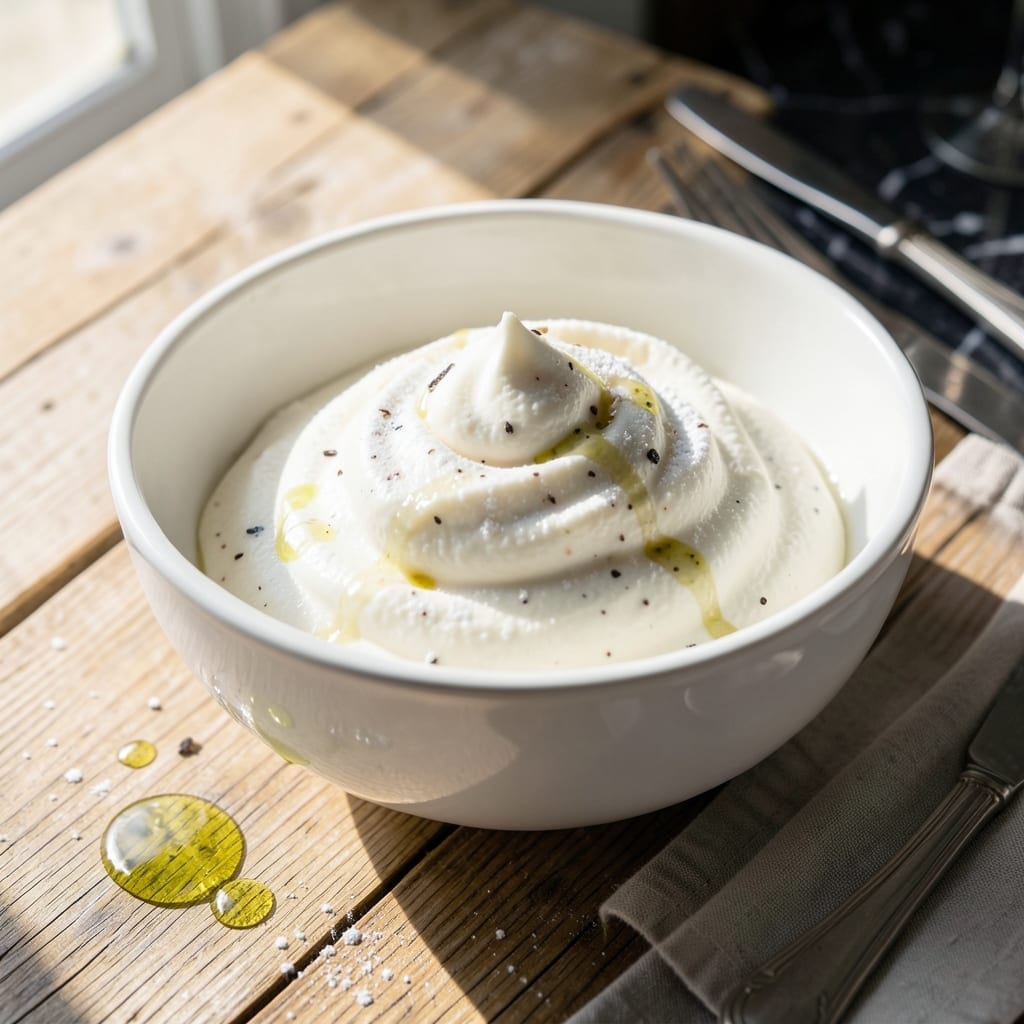
There’s a reason vintage bakers swore by this method—it delivers unmatched richness and a velvety texture that modern shortenings can’t replicate. This traditional approach creates a smooth, spreadable icing with a delicate mouthfeel that enhances any cake or pastry.
The key lies in properly creaming the lard with powdered sugar until light and fluffy. I’ve found that room temperature ingredients incorporate more evenly, preventing a grainy texture. A splash of milk or cream adjusts the consistency to your preference.
What you get is a pure white frosting with a subtle sweetness that lets the cake’s flavor shine. Unlike buttercream, this version holds its shape beautifully in warm weather and pipes with professional precision.
Perfect for layer cakes, cupcakes, or even as a filling between cookies. This icing keeps well at room temperature for several days.
Ingredients for Lard Icing
Six classic ingredients deliver that vintage richness and velvety texture everyone remembers from old-fashioned baking.
| Ingredient | Amount | Notes |
|---|---|---|
| Leaf Lard 🐷 | 1 cup | Fresh, high-quality, rendered |
| Powdered Sugar 🍚 | 4 cups | Sifted for smooth texture |
| Whole Milk 🥛 | 2 tbsp | Room temperature preferred |
| Vanilla Extract 🌿 | 2 tsp | Pure extract for best flavor |
| Salt 🧂 | ¼ tsp | Fine grain, balances sweetness |
| Lemon Juice 🍋 | ½ tsp | Freshly squeezed, optional |
Leaf lard is essential here—look for high-quality, fresh lard from a trusted butcher or specialty store like Whole Foods. Avoid the hydrogenated stuff in blocks; it lacks the smoothness needed. The powdered sugar must be sifted first to prevent graininess. Room temperature ingredients blend more evenly, so take the lard and milk out of the fridge about an hour before starting.
No leaf lard? Vegetable shortening as a last resort, but texture won’t be the same. Need more volume? Scale the recipe evenly—1 cup lard to 4 cups sugar is the golden ratio. Heavy cream instead of milk adds extra richness. For a hint of brightness, the lemon juice is optional but recommended—it cuts through the sweetness beautifully.
This icing holds up well at room temperature for 3-4 days in an airtight container. For longer storage, refrigerate for up to 2 weeks or freeze for 3 months. Let it come to room temperature and re-whip briefly before using again.
Why You’ll Love This Recipe
- Five-Minute Whip: I can mix this up faster than my coffee brews—just beat the lard, sugar, milk, and vanilla until fluffy.
- Rich Old-Fashioned Taste: The leaf lard gives it a depth my grandma’s cakes had; sweet, creamy, with a hint of salt that just works.
- Crowd-Pleasing Staple: Birthday cakes, sugar cookies, even cinnamon rolls—this icing never gets eye-rolls, only seconds.
- Pantry Savior: Powdered sugar and lard stay on my shelf for months, so I’m never more than five ingredients from a batch.
Step-by-Step Instructions for Lard Icing
This method delivers a smooth, rich icing with the perfect consistency for spreading on cakes and pastries.
Step 1: Cream the Leaf Lard to a Light, Fluffy Texture
In a stand mixer fitted with the paddle attachment, beat the 1 cup Leaf Lard on medium speed for 2-3 minutes. You want the lard to become pale and fluffy, almost doubling in volume as it incorporates air.
This step is crucial for achieving a light, spreadable texture. The lard should look similar to whipped butter when it’s ready. If it appears greasy or separates, you’ve overmixed—stop immediately and proceed to the next step.
Step 2: Gradually Incorporate the Powdered Sugar
Reduce the mixer speed to low and slowly add the 4 cups Powdered Sugar, about 1 cup at a time. Allow each addition to fully incorporate before adding more. This prevents a cloud of sugar dust and ensures even distribution.
Once all the sugar is added, increase the speed to medium and beat for an additional 2-3 minutes until the mixture is smooth and free of lumps. The texture should resemble thick, coarse sand at this stage.
Step 3: Thin with Whole Milk and Add Flavorings
With the mixer still running on low speed, pour in the 2 tbsp Whole Milk in a slow, steady stream. Follow with the 2 tsp Vanilla Extract, 0.25 tsp Salt, and 0.5 tsp Lemon Juice (if using).
Beat for another 1-2 minutes until the icing is creamy and glossy. The milk helps achieve the ideal spreading consistency, while the vanilla and salt balance the sweetness. The lemon juice adds a subtle brightness, but it’s optional.
Step 4: Adjust Consistency and Use Immediately
Check the icing’s consistency. If it’s too thick, add additional whole milk, 1 teaspoon at a time, until it reaches your desired texture. For a stiffer icing (ideal for piping), use less milk; for a thinner, spreadable icing, add a bit more.
This icing sets up quickly, so use it immediately after preparing. Spread it over cooled cakes or pastries with a spatula for a smooth finish. If you notice any separation, briefly rebeat the mixture to restore its creamy texture.
Pro Tips For Making Lard Icing
- Soften the Lard: Let the leaf lard sit at room temperature for 15-20 minutes before mixing—I learned this the hard way after ending up with a greasy, uneven texture from using it straight from the fridge.
- Sift the Sugar: Always sift your powdered sugar first, or you’ll end up with tiny lumps no matter how long you beat it. A quick pass through a fine-mesh sieve makes a real difference.
- Add Milk Slowly: Drizzle in the whole milk a tablespoon at a time while mixing. After over-thinning my icing twice, I finally realized less is more until you hit the right consistency.
- Chill Before Piping: Give the icing 10 minutes in the fridge after mixing—it’ll hold its shape better when piped and won’t slide off your cakes or cookies. Sounds simple, but it’s the step I skip when I’m in a hurry and always regret it.
Flavor Customization for These Flavors
Citrus Brightness
Add 1-2 tsp lemon zest along with the juice for a pronounced citrus kick. I love how it brightens the rich lard base. For a tropical twist, substitute lime zest or orange zest for a different flavor profile. 🌿
Spiced Warmth
Incorporate ½ tsp cinnamon or ¼ tsp nutmeg with the powdered sugar for warm, comforting notes. A pinch of ground cloves adds depth. These spices pair beautifully with spice cakes or gingerbread.
Coffee Infusion
Mix 1 tsp instant coffee granules into the milk before adding to the icing. This creates a mocha-like flavor that’s perfect for chocolate cakes. I’ve found Starbucks Via dissolves smoothly without grit.
Almond Elegance
Replace vanilla with 1 tsp almond extract for a nutty, sophisticated taste. Use sparingly—almond extract is potent. This variation works wonderfully with vanilla cakes or sugar cookies.
Chocolate Variation
Add ½ cup cocoa powder with the sugar for a rich chocolate icing. Use Dutch-process cocoa for smoother flavor. You may need an extra 1-2 tbsp milk to maintain spreadable consistency. 💛
Coconut Twist
Substitute 1-2 tbsp coconut milk for the whole milk and add ½ tsp coconut extract. This tropical version pairs exceptionally well with pineapple upside–down cake or coconut layer cake.
Nutrition Facts
Frequently Asked Questions
What’s the best substitute for leaf lard?
Vegetable shortening works in a pinch, but texture won’t match. For best results, seek high-quality leaf lard from a butcher. Avoid hydrogenated lard—it ruins the smoothness.
How do I fix grainy icing?
Graininess often means under-creamed lard or unsifted sugar. Beat the lard longer and sift powdered sugar before adding. A splash of warm milk can help smooth it out.
Can I make this ahead?
Yes! Store in an airtight container at room temperature for 3-4 days. For longer storage, refrigerate for up to 2 weeks or freeze for 3 months. Re-whip before use.
Why add lemon juice?
It cuts through the richness and balances sweetness. Use freshly squeezed for best flavor. Skip it if you prefer a neutral taste.

- 6 Egg Cake Recipe with Oil: Light as Air With Buttery Moisture - October 4, 2026
- 4 Bean Casserole Recipe: One-Pan Heartiness With Smoky Paprika Depth - October 4, 2026
- 3-Ingredient Keto Mug Cake Recipe: Microwave Magic in 2 Minutes - October 4, 2026