
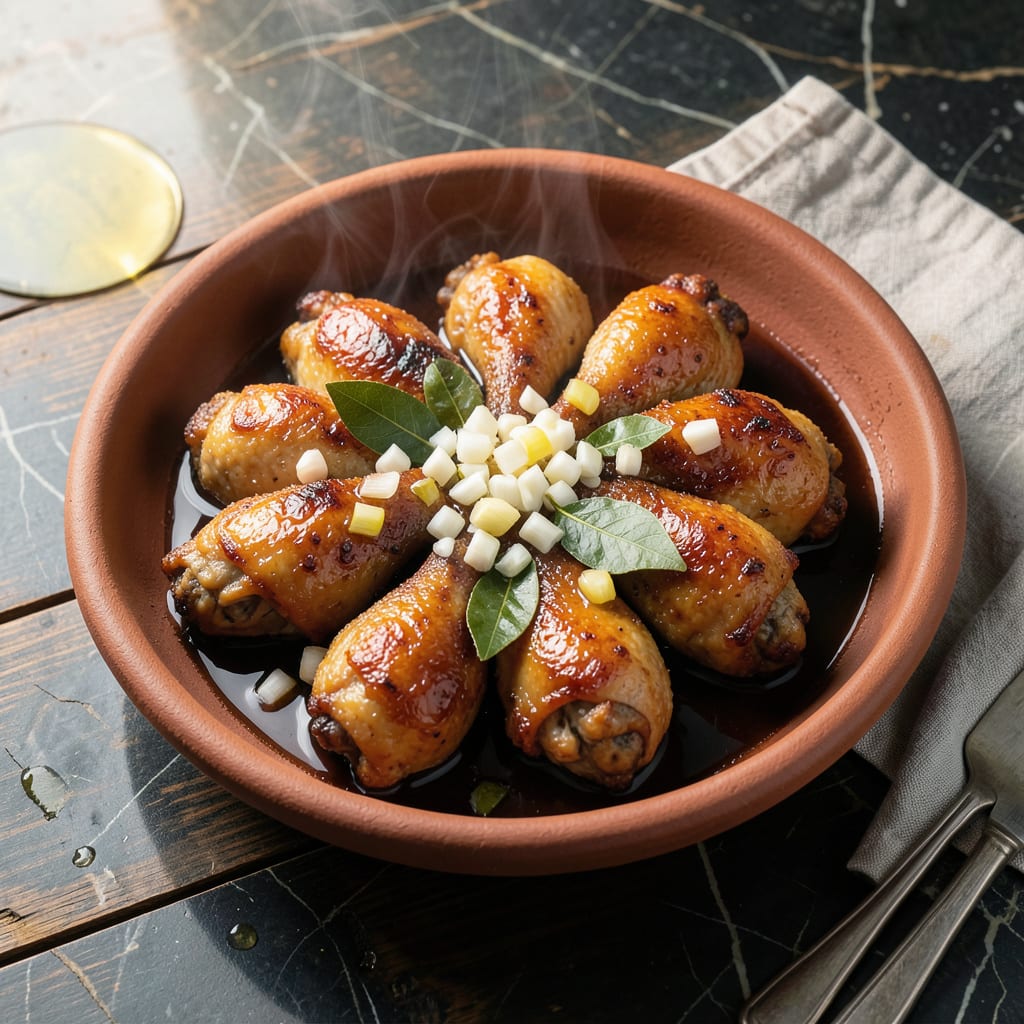
I’ve compiled a collection of authentic Filipino recipes that bring traditional flavors to your kitchen with simplicity.
Each dish stays true to its roots while using straightforward methods, making it easy to recreate classic Lutong Pinoy meals at home.
Ingredients for Lutong Pinoy Recipe List
Traditional flavors meet simple ingredients for a taste of home. Nothing complicated here.
| Ingredient | Amount | Notes |
|---|---|---|
| Chicken Thighs 🍗 | 1 ½ lb | Boneless, skin-on preferred |
| Garlic Cloves 🧄 | 6 cloves | Minced for maximum flavor |
| Yellow Onion 🧅 | 1 whole | Medium-sized, finely chopped |
| Soy Sauce 🫒 | ½ cup | Filipino brand like Silver Swan |
| Vinegar 💧 | ¼ cup | White vinegar or cane vinegar |
| Bay Leaves 🍃 | 3 pieces | Dried, for aromatic depth |
| Black Peppercorns 🌶️ | 1 tsp | Crushed for freshness |
| Potatoes 🥔 | 1 lb | Yukon Gold, peeled and cubed |
| Carrots 🥕 | 2 whole | Peeled and sliced into rounds |
| Green Beans 🌱 | ½ lb | Trimmed, cut into 2-inch pieces |
| Tomato Sauce 🍅 | 1 cup | For rich, savory base |
| Water 💧 | 1 cup | For simmering stew |
| Salt 🧂 | 1 tsp | Adjust to taste |
| Cooking Oil 🫒 | 2 tbsp | Neutral oil like vegetable or canola |
The chicken thighs are key—skin-on, bone-in gives the richest flavor, but boneless works too (just adjust cooking time). Most Filipino markets carry the right soy sauce and vinegar, but look for Silver Swan or Datu Puti at international aisles in larger supermarkets. Bay leaves should be whole, not ground, for the best aroma. I always grab mine from Seafood City when I’m stocking up.
No chicken thighs? Drumsticks or breast (skin-on) can substitute, but they cook faster. Fresh out of vinegar? Lemon or calamansi juice adds the tang, though the flavor shifts slightly. For soy sauce, oyster sauce (if not strictly veg) or coconut aminos work in a pinch. The tomato sauce can be swapped with fresh tomatoes—just let them simmer down first.
This tastes even better the next day after flavors meld overnight. Keeps well in the fridge for 4-5 days and freezes beautifully for up to 3 months. Portion into containers for easy reheating—perfect for busy weeknights.
Why You’ll Love This Recipe
- One Pot Wonder: I toss everything in a single pan—chicken thighs, garlic, onion, soy sauce, and vinegar—then let it simmer. No fuss, no extra dishes.
- Tangy & Savory: The soy sauce and vinegar blend creates that classic adobo tang I crave every time. Honestly, it’s the kind of flavor that lingers in the best way.
- Feeds the Whole Crew: This dish stretches easily for family dinners or potlucks. Between us, it’s my go-to when I need to feed a crowd without breaking the bank.
- Better the Next Day: Leftovers taste even richer after a night in the fridge. I’ll be real: I sometimes make double just to have extra for lunch.
Step-by-Step Instructions for Chicken Afritada
This traditional Filipino stew comes together beautifully with simple, hands-on technique.
Step 1: Sear the Chicken Thighs for Depth of Flavor
Heat the 2 tbsp cooking oil in a large pot over medium-high heat. Add the 1.5 lb chicken thighs and sear for 4-5 minutes per side until the skin turns golden brown and crispy.
I always start with skin-on thighs because the rendered fat creates a rich foundation for the sauce. Don’t crowd the pot—work in batches if needed to ensure proper browning. Remove the chicken and set aside; you’ll add it back later.
This searing step builds the base flavor that makes Chicken Afritada so satisfying. The fond (browned bits) left in the pot will dissolve into the sauce, adding depth to every bite.
Step 2: Sauté Aromatics Until Fragrant
In the same pot, add the minced 6 cloves garlic cloves and finely chopped 1 whole yellow onion. Sauté for 2-3 minutes until the onion becomes translucent and the garlic releases its aroma.
Here’s the thing—Filipino cooking relies heavily on this aromatic base. I stir frequently to prevent burning, as garlic can go from golden to bitter in seconds. The scent should be rich and inviting, not sharp or acrid.
This combination of garlic and onion forms the flavor backbone that defines the dish’s authentic character.
Step 3: Build the Sauce and Simmer the Vegetables
Pour in the 0.5 cup soy sauce, 0.25 cup vinegar, 1 cup tomato sauce, and 1 cup water. Add the 3 pieces bay leaves and 1 tsp black peppercorns, then bring to a gentle boil.
Add the peeled and cubed 1 lb potatoes, sliced 2 whole carrots, and trimmed 0.5 lb green beans. Stir to combine, then return the chicken to the pot. Season with 1 tsp salt.
Reduce heat to medium-low, cover, and simmer for 30-35 minutes until the chicken is tender and the vegetables are fork-tender. Stir occasionally to prevent sticking.
Step 4: Adjust Seasoning and Finish
Taste the sauce and adjust seasoning if needed—Filipino palates often prefer a balance of salty, tangy, and slightly sweet. The potatoes should have absorbed some of the sauce, turning rich and flavorful.
Remove the bay leaves before serving. I like to let the stew sit off heat for 5 minutes to allow the flavors to meld completely. The sauce will thicken slightly as it cools, coating every piece perfectly.
Serve hot over steamed rice, the traditional way to enjoy this comforting dish.
Pro Tips For Making Lutong Pinoy Recipe List
- Sear Chicken First: I learned this the hard way—browning the chicken thighs in the pan before adding the sauce gives them that sticky, caramelized crust. Skip this and you’ll end up with pale, boiled-looking meat.
- Marinate 30 Minutes: Sounds like a hassle, but letting the chicken soak in soy sauce, garlic, and vinegar for at least 30 minutes (even just while you prep the rest) makes the flavor sink in deeper.
- Simmer, Don’t Boil: After adding vinegar, keep the heat at a gentle simmer—boiling it hard turns the sauce bitter and makes the chicken tough. My grandmother swore by this, and she was right.
- Use Bone-In Thighs: Boneless might seem easier, but bone-in, skin-on thighs stay juicier and handle the tangy sauce better. They also hold up during the longer cooking time without drying out.
Perfect Pairings for This lutong pinoy recipe list
Rice Pairings
Steamed jasmine rice is the classic choice—its fragrant aroma complements the rich sauce of Chicken Afritada perfectly. I cook mine with a 1:1.25 rice-to-water ratio for fluffy, separate grains. Garlic fried rice adds an extra layer of flavor if you’re feeling adventurous. 💛
Side Dish Ideas
A simple atchara (pickled papaya salad) cuts through the richness beautifully. I also love serving ginataang gulay (vegetables in coconut milk) alongside for a balanced meal. Both are easy to prepare ahead of time.
Beverage Matchings
Calamansi juice is my top pick—its citrusy tang refreshes your palate between bites. For beer lovers, a cold San Miguel Pale Pilsen works wonders. Iced tea with a squeeze of lemon is another excellent option.
Condiments
Offer patis (fish sauce) or toyo’mansan (soy sauce with calamansi) on the side for those who want to adjust the seasoning. Some even add a dash of banana ketchup for a sweet contrast. 🔥
Dessert Follow-ups
End with leche flan or halo-halo for a traditional Filipino meal experience. Both desserts balance the savory main course beautifully. I often make the flan the day before for easy serving.
Nutrition Facts
Frequently Asked Questions
What are the easiest dishes for beginners?
Start with sinigang (sour soup) or adobo—both use simple ingredients and one-pot methods. These recipes require minimal prep but deliver authentic flavor.
How can I adjust recipes for dietary restrictions?
Swap soy sauce for coconut aminos in gluten-free versions. Use tofu instead of meat for vegetarian options. Most dishes adapt easily without losing their traditional taste.
What’s the best way to store leftovers?
Store in airtight containers in the fridge for up to 5 days or freeze for 3 months. Reheat gently on the stove to maintain texture and flavor.

- 6 Egg Cake Recipe with Oil: Light as Air With Buttery Moisture - October 4, 2026
- 4 Bean Casserole Recipe: One-Pan Heartiness With Smoky Paprika Depth - October 4, 2026
- 3-Ingredient Keto Mug Cake Recipe: Microwave Magic in 2 Minutes - October 4, 2026