
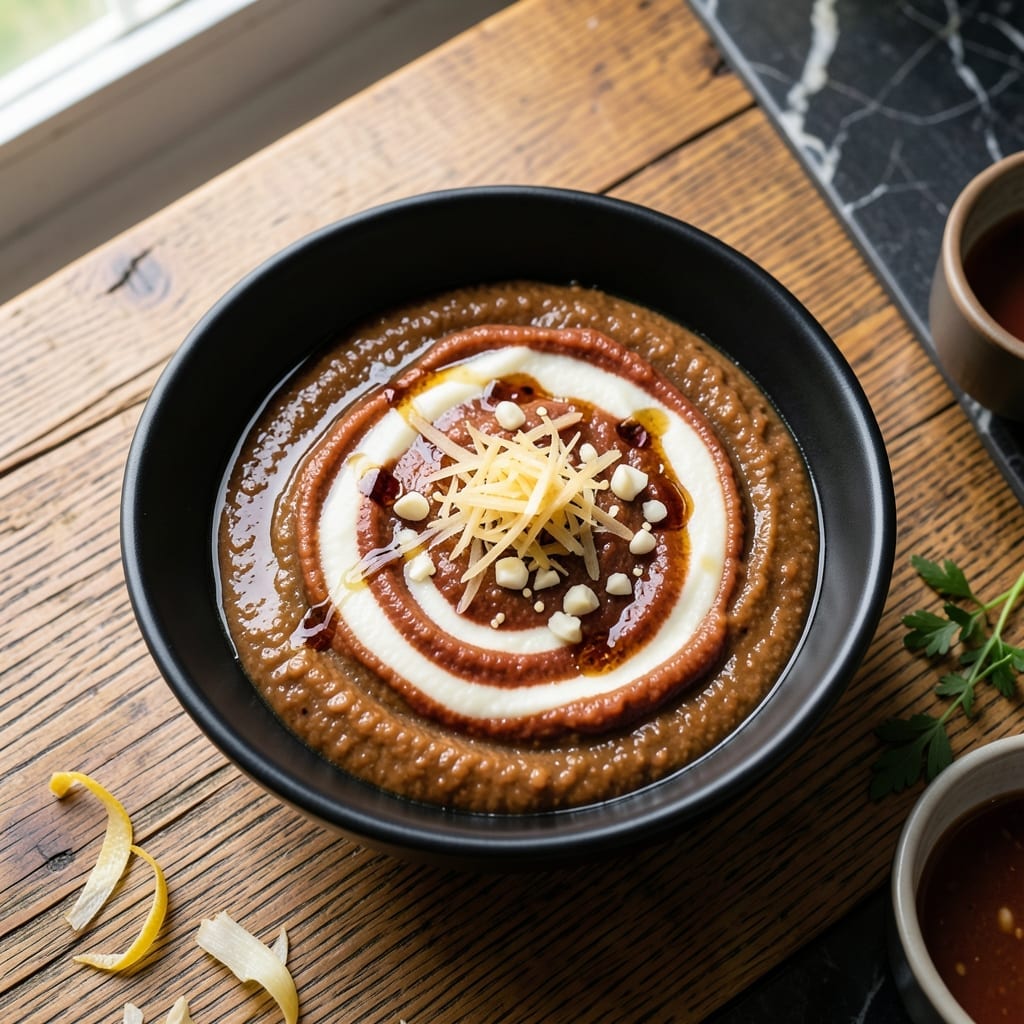
Miso paste is one of the most versatile ingredients you can keep in your kitchen. Its deep, savory umami flavor transforms simple dishes into restaurant-worthy meals with minimal effort.
This fermented soybean paste comes in varieties from light to dark, each offering different intensity levels. I’ve found that white miso works beautifully in dressings, while red miso adds boldness to marinades and glazes.
You’ll discover how a small spoonful can elevate soups, enhance meat rubs, or create complex sauces. The key is balancing its saltiness with complementary ingredients like honey, vinegar, or citrus.
Store it in the refrigerator, where it keeps for months, ready to add depth to your next creation.
Ingredients for Miso Paste Recipe Ideas
Eight simple ingredients to create bold, umami-rich miso paste variations at home.
| Ingredient | Amount | Notes |
|---|---|---|
| White Miso Paste 🥣 | ½ cup | Fermented soybean, smooth texture |
| Red Miso Paste 🟤 | ¼ cup | Darker, stronger umami flavor |
| Rice Vinegar 🍶 | 2 tbsp | Balances saltiness with acidity |
| Maple Syrup 🍁 | 1 tbsp | Vegan sweetener for dressings |
| Sesame Oil 🫒 | 1 tbsp | Toasted for nutty aroma |
| Fresh Ginger 🌿 | 1 tbsp | Grated, enhances depth |
| Garlic Cloves 🧄 | 2 cloves | Minced for marinades |
| Soy Sauce 🥫 | 1 tbsp | Low-sodium preferred for control |
The miso paste quality is non-negotiable here. White miso should be pale and smooth—Miso Master or South River are reliable brands. For red miso, look for deep color and rich aroma (avoid anything with preservatives). Whole Foods or Asian markets usually have the freshest stock. Always check the label for additives—pure fermented soybeans and koji are all you need.
No white miso? Sweet miso (like saikyo) works in dressings, though it’s pricier. Swapping red for white in dressings will overpower—use half the amount and taste. Maple syrup can be replaced with agave or date syrup. For nut-free versions, neutral oil like avocado instead of sesame works fine. The rice vinegar can be subbed with apple cider vinegar in a pinch.
Both miso pastes keep in the fridge for 12-18 months (yes, really). Store rice vinegar and sesame oil in a cool, dark place—they’ll last 6-12 months unopened. Once opened, vinegar stays good for 6 months, while sesame oil should be used within 3-4 months for peak flavor.
Why You’ll Love This Recipe
- Five-Minute Mix: I just stir the miso pastes with rice vinegar and maple syrup—no chopping, no fuss.
- Umami Bomb: The red miso gives it this deep, salty-sweet punch that lingers on your tongue.
- Endless Uses: I’ve slathered it on salmon, tossed it with roasted veggies, and even stirred it into salad dressing.
- Stays Fresh: Honestly, a jar in the fridge lasts me weeks, and the flavor only gets richer.
Step-by-Step Instructions for Miso Paste Recipe Ideas
This versatile base comes together quickly and transforms simple dishes into flavor powerhouses.
Step 1: Combine the Miso Pastes for Depth
In a medium bowl, whisk together the 0.5 cup White Miso Paste and 0.25 cup Red Miso Paste until completely smooth. The white miso provides a milder, sweeter backbone while the red miso adds that intense umami punch.
I find that vigorously whisking for about 1 minute ensures the two pastes blend seamlessly. You should end up with a uniform, glossy mixture without any streaks. This combination gives you the perfect balance of complexity and approachability in every bite.
Step 2: Incorporate the Aromatic Base
Add the 1 tbsp Fresh Ginger (finely grated) and the 2 cloves Garlic Cloves (minced) to your miso mixture. Stir these in thoroughly—you want their flavors to infuse fully into the paste base.
Here’s the thing—the ginger and garlic will mellow slightly as they sit with the miso, but they’ll still provide that bright, aromatic kick that makes this blend so special. You’ll notice the mixture becomes slightly looser as these ingredients release their juices.
Step 3: Add the Liquid Components
Pour in the 2 tbsp Rice Vinegar, 1 tbsp Maple Syrup, 1 tbsp Soy Sauce, and 1 tbsp Sesame Oil. The rice vinegar cuts through the saltiness beautifully while the maple syrup adds just enough sweetness to round out the flavors.
The sesame oil brings that distinctive nutty aroma that makes this blend irresistible. Whisk everything together for about 30 seconds until you have a completely smooth, pourable mixture. The soy sauce should darken the color slightly, creating a rich, caramel hue.
Step 4: Adjust and Store for Future Use
Give your creation a taste and adjust if needed. If it seems too thick, you can thin it with a splash of water. I’ve found that letting it sit for 10-15 minutes allows all the flavors to meld together perfectly.
Transfer to an airtight container and store in the refrigerator for up to 2 weeks. The flavors will continue to develop over time. This makes enough for multiple uses—perfect for marinades, dressings, or glazes throughout the week.
Pro Tips For Making Miso Paste Recipe Ideas
- Balance the Misos: Mix white and red miso in a 2:1 ratio to keep the sweetness of white miso while adding depth from red—this combination works better than using one alone.
- Bloom the Miso: Heat the miso paste gently in sesame oil for 1-2 minutes before adding liquids; this wakes up the flavors and prevents a raw, pasty taste.
- Temper the Acid: Add rice vinegar slowly and taste as you go—too much upfront can make the dish harsh, and you can’t take it out once it’s in.
- Skip the Clumps: Whisk the miso with a splash of warm water first to loosen it before mixing with other ingredients—saves you from fighting stubborn lumps later.
Make-Ahead Tips for Leftovers
Batch Prep Advantage
I always make a double batch of this blend because it keeps so well in the fridge. Simply scale up all ingredients proportionally—1 cup white miso, ½ cup red miso, and double the liquids. This gives you enough for 4-6 recipes without sacrificing freshness. 💡
Portioning for Convenience
Divide your finished mixture into ¼ cup portions in small jars or silicone molds. This way, you can grab exactly what you need for a recipe without exposing the whole batch to air. I use 4-ounce mason jars for perfect single-use amounts.
Freezing for Longevity
For longer storage, freeze portions in ice cube trays. Once solid, transfer cubes to a freezer bag—they’ll keep for 3 months. Each cube equals about 1 tablespoon, perfect for quick marinades or dressings. Just thaw overnight in the fridge.
Flavor Development
Let your mixture rest for 24 hours before first use. The ginger and garlic will mellow, and the miso will absorb all the liquids fully. I notice the umami becomes more pronounced after this resting period.
Quick Use Ideas
Toss 1 tablespoon with roasted vegetables or stir into ½ cup mayonnaise for an instant sandwich spread. This blend works beautifully in salad dressings or as a glaze for tofu. The possibilities are endless with this versatile base.
Storage Tips
Always use a clean, dry spoon when scooping from your container. This prevents contamination and extends shelf life. Store in the coldest part of your fridge, not the door, for most consistent temperature.
Nutrition Facts
Frequently Asked Questions
Can I use just one type of miso paste?
Yes, but combining types creates depth. Using only white miso keeps it mild, while red miso alone will be much saltier and stronger. For best results, stick with the blend.
How long does the mixture keep in the fridge?
Properly stored in an airtight container, it stays fresh for up to 2 weeks. The flavors actually improve after 24 hours as they meld together.
What’s the best way to adjust the thickness?
If too thick, thin with water 1 teaspoon at a time. For thicker applications like glazes, reduce on low heat for 2-3 minutes.
Can I make this without maple syrup?
Substitute with honey, agave, or date syrup in equal amounts. Each adds a slightly different sweetness profile.

- 6 Egg Cake Recipe with Oil: Light as Air With Buttery Moisture - October 4, 2026
- 4 Bean Casserole Recipe: One-Pan Heartiness With Smoky Paprika Depth - October 4, 2026
- 3-Ingredient Keto Mug Cake Recipe: Microwave Magic in 2 Minutes - October 4, 2026