
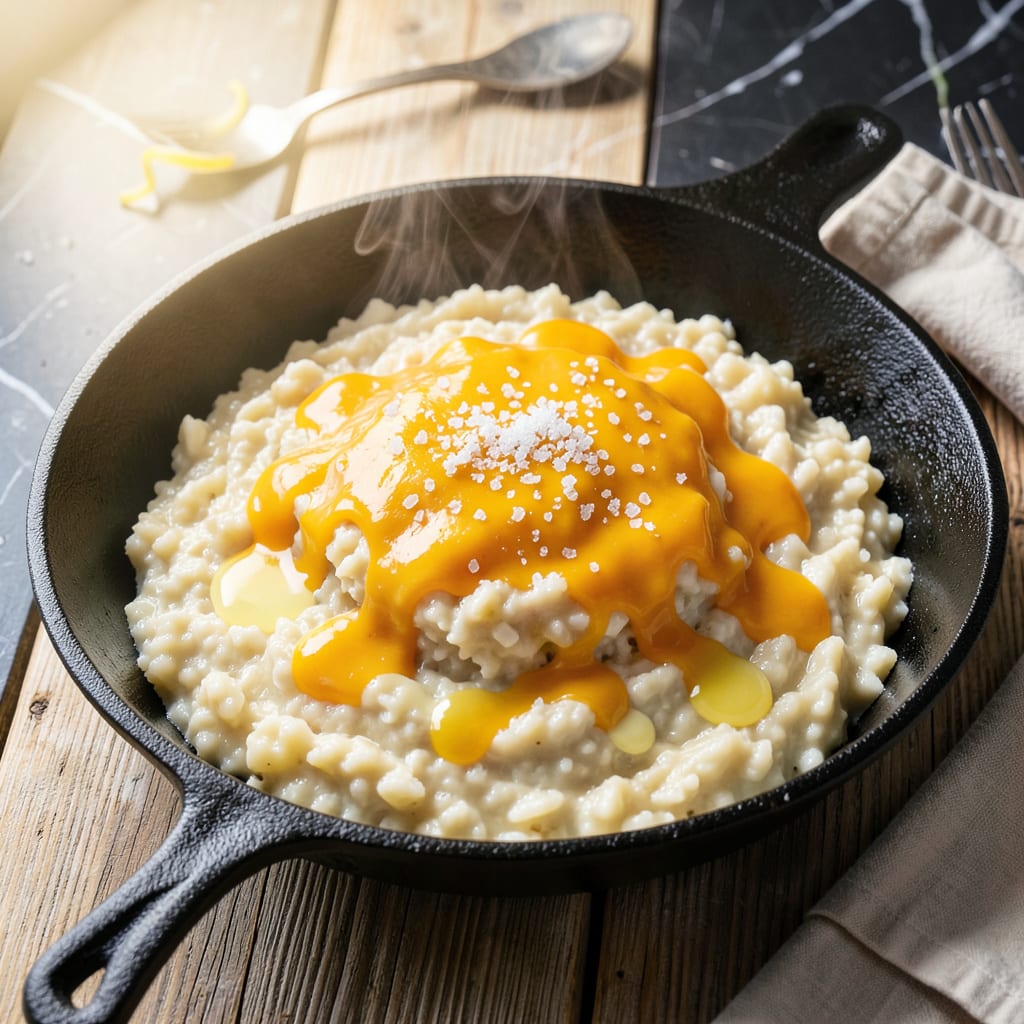
There’s a reason Paula Deen’s grits have become legendary in Southern kitchens—this recipe delivers that perfect balance of creamy texture and rich, buttery flavor that defines true comfort food. The secret lies in the slow simmering process and the precise ratio of stone-ground grits to liquid, creating a dish that’s smooth without being gluey.
What sets this version apart is its versatility as both a hearty breakfast base and an elegant side dish. The technique ensures consistently velvety results every time, while simple additions like sharp cheddar or a pat of extra butter can elevate it from everyday to extraordinary. This is Southern cooking at its most satisfying—simple ingredients transformed into something truly special.
Ingredients for Paula Deen Grits
Stone-ground grits, rich dairy, and simple seasonings create this legendary Southern staple with velvety texture and deep flavor.
| Ingredient | Amount | Notes |
|---|---|---|
| Stone-Ground Grits 🌾 | 1 cup | Uncooked, not instant |
| Water 💧 | 4 cups | For simmering grits |
| Whole Milk 🥛 | 1 cup | Whole for creaminess |
| Unsalted Butter 🧈 | 4 tbsp | Divided for cooking and finishing |
| Kosher Salt 🧂 | 1 tsp | Adjust to taste |
| Sharp Cheddar Cheese 🧀 | 1 cup | Freshly grated, packed |
| Black Pepper 🌶️ | ½ tsp | Freshly ground preferred |
| Heavy Cream 🥛 | ¼ cup | Optional for extra richness |
| Garlic Clove 🧄 | 1 clove | Minced, optional for depth |
| Chicken Broth 🍲 | 1 cup | Low-sodium preferred |
The grits are non-negotiable—stone-ground is essential for that signature creamy texture. Look for brands like Anson Mills or Log Cabin at specialty stores or online. Whole milk and heavy cream create the luscious mouthfeel, so don’t substitute low-fat versions (they’ll make the grits thin and watery). For the sharp cheddar, Cabot or Tillamook brands offer the best melt and flavor balance. The butter should be unsalted—you control the seasoning.
Need a dairy-free version? Swap in full-fat coconut milk for the dairy and use vegan butter. For extra depth, a splash of white wine can replace some broth. If you’re out of chicken broth, vegetable broth works in a pinch, though the flavor profile shifts slightly. The garlic is optional but recommended—it adds subtle complexity without overpowering. For those watching sodium, homemade broth lets you control the salt content perfectly.
Cooked grits keep well in the fridge for 4-5 days in an airtight container. Reheat gently with extra milk or water to restore creaminess. For make-ahead, prepare through cooking but omit cheese—add it when reheating. The cheese sauce can separate if frozen, so it’s best enjoyed fresh. Always use freshly grated cheese—pre-shredded contains anti-caking agents that make the sauce grainy.
Why You’ll Love This Recipe
- Five Ingredients, Done: Honestly, this is the kind of recipe that makes me feel like a genius with zero effort. Stone-ground grits, milk, butter—no fancy techniques, just stir and let them work their magic while I set the table.
- That Creamy, Buttery Bite: Here’s what sold me—the way the whole milk and butter transform the grits into something rich but not heavy. The salt ties it all together, so each bite is pure comfort without being cloying.
- Breakfast or Dinner MVP: I’ve served these grits under fried eggs for brunch and alongside roasted shrimp for dinner. They’re my secret weapon for making any meal feel like a Southern hug.
- Leftovers? Even Better: Between us, they thicken up overnight into this glorious, spreadable porridge. A splash of milk and 30 seconds in the microwave, and it’s back to creamy perfection—no waste, no fuss.
Step-by-Step Instructions for Creamy Stone-Ground Grits
This method delivers the signature Southern texture—smooth, rich, and perfectly seasoned every time.
Step 1: Simmer the Grits in Liquid
In a heavy-bottomed saucepan, combine the 4 cups water and 1 cup chicken broth. Bring to a rolling boil over medium-high heat. Slowly whisk in the 1 cup stone-ground grits, ensuring no lumps form as you pour.
Reduce heat to low and cover with a tight-fitting lid. Simmer for 20-25 minutes, stirring occasionally with a wooden spoon. The grits should thicken gradually to a porridge-like consistency. Stone-ground grits take longer to cook than instant varieties, so be patient—this slow cooking develops their signature creamy texture.
Step 2: Incorporate Dairy for Richness
After the grits have absorbed most of the liquid, stir in the 1 cup whole milk and 2 tbsp unsalted butter. Continue cooking uncovered over low heat for an additional 10-12 minutes, stirring frequently to prevent sticking.
The mixture will transform from watery to velvety smooth. Watch for small bubbles breaking the surface—this indicates the proper simmering temperature. If the grits become too thick before reaching your desired consistency, add warm water 1 tablespoon at a time while stirring constantly.
Step 3: Develop Flavor with Seasonings
Remove the pan from heat and stir in the 1 tsp kosher salt, 0.5 tsp black pepper, and 1 minced garlic clove (if using). Let the grits rest for 2 minutes off heat—this allows the salt to dissolve completely and the garlic flavor to mellow.
Taste and adjust seasoning if needed. The grits should have a subtle savory depth from the chicken broth and garlic, balanced by the richness of the dairy. Remember that the cheese will add additional saltiness in the next step, so season judiciously.
Step 4: Create Creamy Decadence with Cheese
Gradually add the 1 cup sharp cheddar cheese, stirring constantly until fully melted and incorporated. The cheese should create silky ribbons as you stir, transforming the grits into a luscious, golden mixture.
For extra richness, stir in the 0.25 cup heavy cream and remaining 2 tbsp unsalted butter. The final texture should coat the back of a spoon while still maintaining some body. Return to low heat for 1-2 minutes if needed to achieve the perfect creamy consistency.
Step 5: Rest and Serve at Peak Creaminess
Cover the grits and let them rest for 5 minutes before serving. This brief resting period allows the flavors to meld completely and the texture to reach its creamiest state.
Serve immediately while hot and smooth. The grits should have a glossy sheen and ribbon-like consistency when spooned. For presentation, top with additional cheese or a pat of butter if desired, and serve with your favorite Southern accompaniments.
Common Mistakes When Making paula deen grits
Rushing the Cooking
Stone-ground grits require patience—20-25 minutes of simmering is essential for that signature creamy texture. I’ve seen many cooks try to speed things up by boiling them hard, but that just creates a gluey mess. Keep the heat at a gentle low simmer and stir occasionally. Trust me, the slow cooking process is what develops that perfect velvety consistency. 🌾
Skipping the Liquid Ratio
The 4:1 liquid-to-grits ratio is non-negotiable for Paula Deen’s method. Using too little liquid results in thick, pasty grits, while too much makes them soupy. Measure carefully—I use a 4-cup measuring cup for the water and broth combined. If your grits seem too thick during cooking, add warm water 1 tablespoon at a time while stirring constantly.
Neglecting to Stir
Grits love to stick and form lumps if left unattended. I stir mine every 3-4 minutes during the initial cooking phase, then more frequently as they thicken. A wooden spoon works best—it’s gentle on the pot and helps you feel any developing lumps. The stirring motion should be smooth and consistent, almost like making risotto.
Adding Cheese Too Early
Adding cheese before the grits are fully cooked causes two problems: the cheese can become stringy, and the grits might not reach proper doneness. Wait until the very end, after you’ve removed the pot from heat. Then stir in the sharp cheddar gradually, letting it melt completely between additions. This creates that beautiful, smooth texture we’re after. 🧀
Overlooking Seasoning Layers
Many cooks under-season grits, thinking the cheese will be enough. But you need to build flavor in stages: salt the cooking liquid, then adjust after adding dairy, and finally taste after the cheese. I use kosher salt because its coarse texture dissolves evenly. Remember, the chicken broth adds some saltiness, so taste as you go.
Using the Wrong Grits
Instant grits won’t give you that authentic Southern texture. You must use stone-ground grits—I recommend Anson Mills or Log Cabin brands. They take longer to cook but develop a depth of flavor and creaminess that instant versions just can’t match. The package should specify “stone-ground” or “old-fashioned” to ensure you’re getting the right product.
Nutrition Facts
Frequently Asked Questions
Can I use quick grits instead of stone-ground?
No, quick grits won’t deliver the same texture. Stone-ground grits require 20-25 minutes of slow cooking to develop that signature creamy consistency. Quick grits cook in 5-7 minutes but lack the depth and richness. Stick with brands like Anson Mills for authentic results.
Why does my cheese make the grits grainy?
Pre-shredded cheese contains anti-caking agents that prevent smooth melting. Always use freshly grated sharp cheddar for silky results. Add it off-heat at the very end, stirring constantly until fully incorporated. This creates that luscious, velvety texture we all love.
Can I make these grits ahead of time?
Yes, but with adjustments. Cook through Step 3, then cool and refrigerate for up to 4 days. Reheat gently with extra milk or water, stirring constantly. Add cheese only when reheating to prevent separation. The texture may thicken, so thin with warm liquid as needed.
What’s the best way to fix lumpy grits?
Whisk vigorously while adding 1-2 tablespoons of warm liquid. A wooden spoon works best to break up lumps. If needed, briefly blend with an immersion blender. Prevent lumps by whisking constantly when adding grits to boiling liquid. Smooth grits start with proper technique!

- 6 Egg Cake Recipe with Oil: Light as Air With Buttery Moisture - October 4, 2026
- 4 Bean Casserole Recipe: One-Pan Heartiness With Smoky Paprika Depth - October 4, 2026
- 3-Ingredient Keto Mug Cake Recipe: Microwave Magic in 2 Minutes - October 4, 2026