
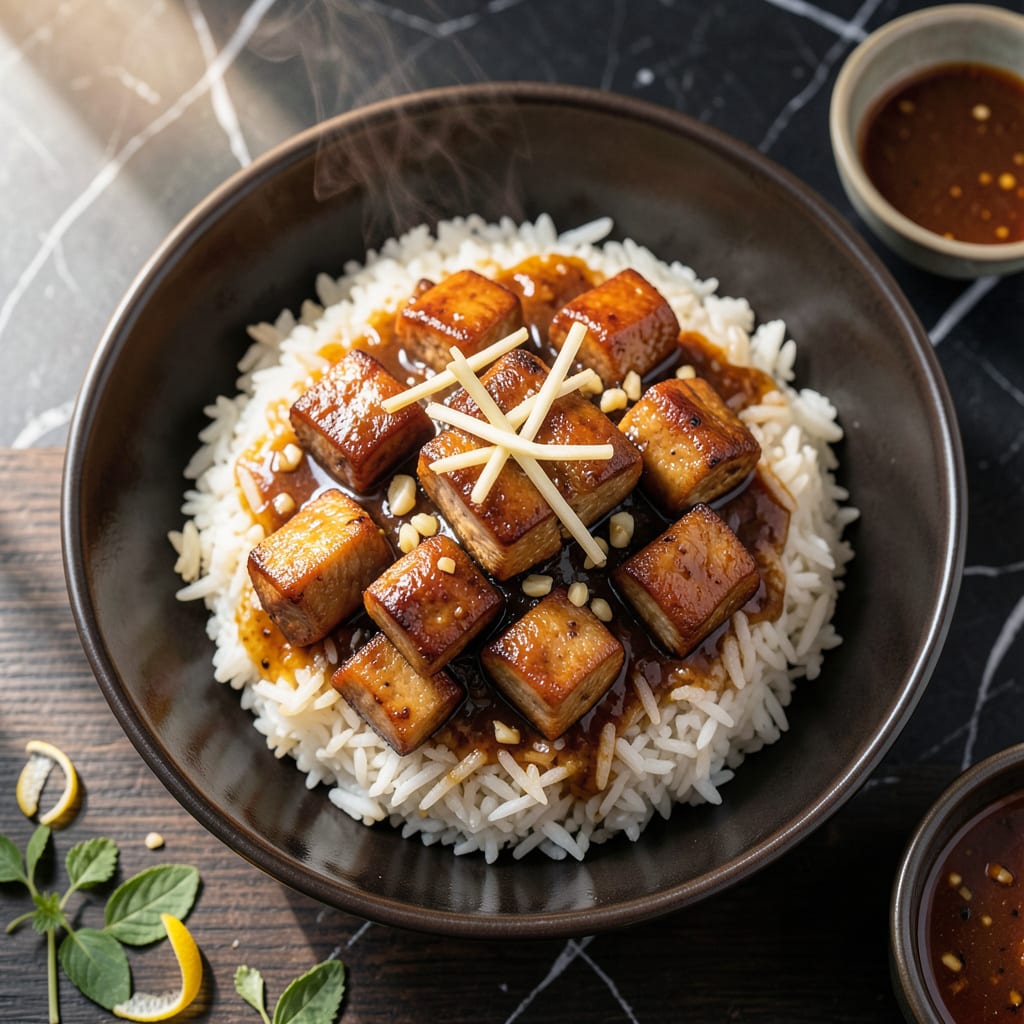
This Cantonese-inspired dish brings tender pork and fragrant rice together in a harmonious blend of textures and flavors. The pork is marinated to perfection, ensuring each bite is juicy and packed with savory depth.
The steamed rice absorbs the rich pork flavors, creating a comforting and satisfying meal. This recipe delivers restaurant-quality results with simple, precise steps and easy-to-find ingredients.
Ingredients for Pork Steamed Rice Cebu
Tender pork and fragrant jasmine rice come together with Cantonese-inspired marinade ingredients for restaurant-quality results at home.
| Ingredient | Amount | Notes |
|---|---|---|
| Pork Shoulder 🥩 | 1 ½ lb | Cut into bite-sized cubes |
| Jasmine Rice 🍚 | 2 cups | Rinsed until water runs clear |
| Light Soy Sauce 🫒 | 3 tbsp | Low-sodium preferred |
| Dark Soy Sauce 🫒 | 1 tbsp | For depth of color |
| Oyster Sauce 🫒 | 2 tbsp | Vegetarian oyster sauce if needed |
| Shaoxing Wine 🍷 | 2 tbsp | Dry sherry as substitute |
| Granulated Sugar 🍚 | 1 tbsp | Balances savory flavors |
| Garlic Cloves 🧄 | 4 cloves | Minced finely |
| Ginger Root 🌿 | 1 whole | Sliced into thin matchsticks |
| Green Onions 🧅 | 4 whole | Thinly sliced for garnish |
| Sesame Oil 🫒 | 1 tsp | Toasted variety preferred |
| Cornstarch 🌾 | 1 tbsp | For pork marinade coating |
| White Pepper 🌶️ | ½ tsp | Ground for subtle heat |
| Chicken Stock 💧 | 1 cup | Low-sodium for control |
The pork shoulder is non-negotiable here. Butterfly pork or pork butt from Costco or Asian markets yields the most tender results, with good fat marbling for flavor. Look for pieces with a visible fat cap—this renders down during cooking, basting the meat. For the rice, Thai jasmine rice from brands like Elephant or Golden Phoenix delivers authentic fragrance and stickiness.
No Shaoxing wine? Dry sherry at equal parts works well, or use mirin plus a pinch of salt in a pinch. For a vegetarian version, swap oyster sauce for vegetarian stir-fry sauce. The soy sauces should be Chinese light and dark varieties—light for saltiness, dark for color. If you only have regular soy sauce, add 1 tsp molasses to mimic dark soy’s depth.
Marinated pork keeps in the fridge for up to 24 hours before cooking. Leftovers stay fresh for 3-4 days refrigerated, though the rice absorbs more moisture over time. For best results, steam the rice just before serving—reheated rice loses its delicate texture.
Why You’ll Love This Recipe
- One Pot Wonder: I just toss everything into the steamer—pork shoulder, jasmine rice, and those sauces—and let it work its magic.
- Umami Bomb: The mix of light soy, dark soy, and oyster sauce gives this dish a deep, savory richness that’s honestly hard to beat.
- Feeds the Crew: Between us, this is my go-to for family dinners or when friends drop by unannounced.
- Budget Stretch: Pork shoulder is affordable, and a little goes a long way in this dish. Leftovers? Even better the next day.
Step-by-Step Instructions for Pork Steamed Rice Cebu
Master this Cantonese-style technique for perfectly tender pork atop fragrant jasmine rice every time.
Step 1: Marinate and Coat the Pork
In a large bowl, combine the 1.5 lb Pork Shoulder cubes with 3 tbsp Light Soy Sauce, 1 tbsp Dark Soy Sauce, 2 tbsp Oyster Sauce, 2 tbsp Shaoxing Wine, 1 tbsp Granulated Sugar, 0.5 tsp White Pepper, 4 cloves Garlic Cloves (minced), and 1 whole Ginger Root (sliced into thin matchsticks). Mix thoroughly to ensure even coating.
Add the 1 tbsp Cornstarch and toss until the pork is evenly dusted. This creates a velvety texture when cooked. Let the mixture marinate for 15-20 minutes at room temperature while you prepare the rice.
Step 2: Par-Cook the Jasmine Rice
Rinse the 2 cups Jasmine Rice under cold water until the water runs clear—this removes excess starch and prevents gummy texture. Drain well in a fine-mesh sieve.
In a saucepan, combine the rinsed rice with the 1 cup Chicken Stock and enough water to reach 3 cups total liquid. Bring to a boil, then reduce heat to low, cover, and simmer for 10 minutes. The rice should be about 70% cooked—grains will still have a slight bite in the center.
Step 3: Layer and Steam the Dish
Transfer the par-cooked rice to a heatproof dish or steamer-safe plate, spreading it into an even layer. Arrange the marinated pork shoulder cubes on top, pressing them lightly into the rice. Drizzle any remaining marinade over the pork.
Place the dish in a steamer with 2-3 inches of boiling water. Cover tightly and steam over medium-high heat for 25-30 minutes. Check occasionally to ensure the water hasn’t evaporated—add more boiling water if needed.
Step 4: Finish and Garnish
After steaming, carefully remove the dish. The pork should be tender and the rice fully cooked with no dry spots. Drizzle the 1 tsp Sesame Oil evenly over the top for added aroma.
Garnish with the 4 whole Green Onions (thinly sliced). Let the dish rest for 5 minutes before serving to allow the flavors to meld. The pork should be juicy with a glossy sauce, and the rice should be fragrant and slightly sticky.
Pro Tips For Making Pork Steamed Rice Cebu
- Marinate Overnight: Soak the pork shoulder in a mix of light soy, dark soy, and oyster sauce for at least 4 hours—overnight if possible. I learned this the hard way when my first attempt tasted bland because I rushed it. —
- Use Day-Old Rice: Fresh jasmine rice turns mushy when steamed with the pork. Use leftover rice from the fridge—it holds its shape and soaks up the sauce better. —
- Don’t Overcrowd the Steamer: Leave space between the pork and rice in the steamer so the heat circulates. After burning a batch from uneven cooking, I now arrange everything in a single layer. —
- Finish with Dark Soy: Drizzle a little dark soy sauce over the pork just before serving. Sounds weird, but it adds that deep, caramelized color and rich flavor Cebu-style dishes are known for.
Creative Variations of This Recipe
Spicy Sichuan Twist
Add 2 tsp Sichuan peppercorns and 1 tbsp chili bean paste to the marinade for a bold, numbing heat. This variation nods to Sichuan cuisine while keeping the Cantonese base. I love how the peppercorns add a tingling sensation that pairs perfectly with the pork.
Sweet and Sticky Glaze
Mix 2 tbsp hoisin sauce and 1 tbsp honey with the marinade for a sweeter, stickier finish. Brush extra glaze over the pork after steaming for a glossy, caramelized look. This version reminds me of takeout-style char siu rice. 💛
Vegetable Boost
Layer 1 cup diced carrots and ½ cup peas between the rice and pork before steaming. The veggies soak up the savory pork juices while adding texture. Use frozen peas for convenience—they steam perfectly without turning mushy.
Coconut Rice Base
Replace ½ cup chicken stock with coconut milk when par-cooking the rice. The subtle coconut aroma complements the pork’s savoriness. I recommend Thai Kitchen coconut milk for balanced richness without overpowering the dish.
Mushroom Medley
Add 1 cup shiitake mushrooms (sliced) to the pork marinade. They absorb the sauce beautifully and add an earthy depth. For extra umami, include 2 dried Chinese mushrooms, rehydrated and chopped. 🔥
Five-Spice Infusion
Stir ½ tsp five-spice powder into the marinade for warm, aromatic notes. This blend of star anise, cinnamon, and cloves adds complexity. A little goes a long way—too much can dominate the pork’s natural flavor.
Nutrition Facts
Frequently Asked Questions
What cut of pork works best for this dish?
Pork shoulder is ideal for its marbling and tenderness. Pork butt from Costco or Asian markets also works well. Avoid lean cuts like tenderloin—they dry out during steaming.
Can I use a different type of rice?
Jasmine rice gives the best fragrance and texture. For substitutes, use long-grain white rice, but add 5 minutes to the steaming time. Avoid basmati—it stays too dry.
Why is my rice turning out mushy?
Over-rinsing or using too much water causes this. Rinse just until water runs clear, and measure liquids precisely. Par-cook rice to only 70% doneness before steaming.
How can I make this dish spicier?
Add 1 tbsp chili bean paste or 1 tsp red pepper flakes to the marinade. For heat with aroma, include 2 tsp Sichuan peppercorns. Adjust to taste.

- 6 Egg Cake Recipe with Oil: Light as Air With Buttery Moisture - October 4, 2026
- 4 Bean Casserole Recipe: One-Pan Heartiness With Smoky Paprika Depth - October 4, 2026
- 3-Ingredient Keto Mug Cake Recipe: Microwave Magic in 2 Minutes - October 4, 2026