
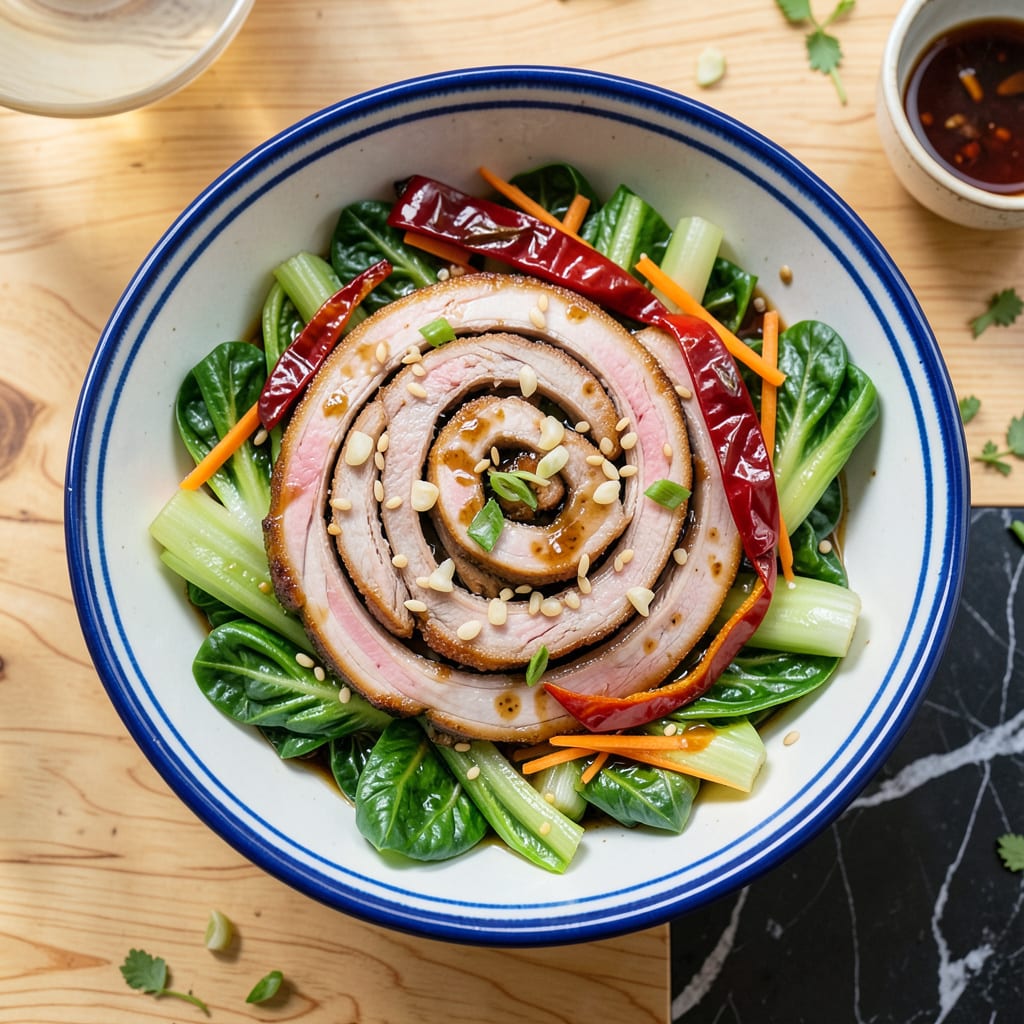
Weeknight dinners demand speed without sacrificing flavor, and this pork stir fry delivers both. I’ve refined this recipe through countless busy evenings, perfecting a method that gets dinner on the table in 20 minutes while packing restaurant-quality taste. The high-heat technique creates that signature wok hei flavor, transforming simple ingredients into something extraordinary.
The secret lies in proper preparation and timing. Thinly sliced pork absorbs the marinade quickly, while vegetables maintain their crisp texture when stir-fried at the right temperature. This isn’t just fast food—it’s a balanced meal with protein, vegetables, and bold Asian-inspired flavors that come together faster than takeout arrives. Serve over steamed rice for a complete dinner solution.
Ingredients for Pork Stir Fry
Thinly sliced pork and crisp vegetables combine with bold Asian-inspired sauces for restaurant-quality results in 20 minutes.
| Ingredient | Amount | Notes |
|---|---|---|
| Boneless Pork Shoulder 🍖 | 1 ¼ lb | Thinly sliced against grain |
| Soy Sauce 🫙 | 3 tbsp | Low-sodium preferred for control |
| Oyster Sauce 🐚 | 2 tbsp | Vegan oyster sauce if needed |
| Shaoxing Wine 🍶 | 1 ½ tbsp | Dry sherry as substitute |
| Cornstarch 🌾 | 1 ½ tbsp | Divided for marinade and slurry |
| Garlic Cloves 🧄 | 5 cloves | Minced for maximum flavor |
| Fresh Ginger 🌿 | 1 tbsp | Finely grated, peeled |
| Red Bell Pepper 🌶️ | 1 whole | Julienned for even cooking |
| Broccoli Florets 🥦 | 2 cups | Cut into uniform pieces |
| Carrot 🥕 | 1 whole | Thinly sliced on bias |
| Green Onions 🧅 | 3 whole | White/light green parts only |
| Neutral Oil 🫒 | 3 tbsp | High smoke point required |
| Sesame Oil 🌰 | 1 tsp | Toasted, for finishing |
| White Granulated Sugar 🍚 | 1 tsp | Balances savory elements |
| Steamed Jasmine Rice 🍚 | 4 cups | Cooked, for serving |
The pork selection determines texture and flavor absorption. Boneless pork shoulder offers ideal marbling and tenderness when thinly sliced—avoid leaner cuts like tenderloin. For authentic flavor, Shaoxing wine is non-negotiable; seek it at Asian markets or substitute dry sherry in equal measure. Oyster sauce quality varies dramatically—Lee Kum Kee’s premium version delivers consistent umami depth without artificial aftertaste. Professional kitchens maintain separate cornstarch containers to prevent cross-contamination with other dry ingredients.
Soy sauce substitutions require careful salt balancing. Tamari provides gluten-free alternative at 1:1 ratio, while coconut aminos offer lower-sodium option with slight sweetness. Vegetable flexibility accommodates seasonal availability: snap peas or bok choy replace broccoli without texture compromise. For alcohol-free preparation, apple cider vinegar with 1/2 tsp sugar mimics Shaoxing’s acidity. Always verify oyster sauce labels—some contain fish while others use mushroom-based alternatives for vegetarian adaptations.
Proper ingredient storage preserves freshness and flavor integrity. Refrigerate sliced pork in sealed container for 24 hours maximum—freeze for longer storage. Sauces maintain potency for 6-12 months unopened; transfer to glass containers after opening. Fresh ginger and garlic keep 3 weeks refrigerated in airtight containers with paper towels to absorb moisture. Prepped vegetables stay crisp when stored in ice water for 4-6 hours before cooking.
Why You’ll Love This Recipe
- One-Bowl Wonder: I toss the pork with cornstarch, soy sauce, and Shaoxing wine right in the same bowl I’ll use for marinating—no extra dishes, no fuss. The oyster sauce goes straight in later, so cleanup’s just a quick rinse while the pan’s still warm.
- Umami Bomb Alert: That first bite where the caramelized pork hits the back of your tongue? Honestly, it’s the oyster sauce and soy working overtime. The Shaoxing wine cuts through the richness, so it’s deep but never heavy—just pure, savory satisfaction.
- Meal Prep MVP: Between us, this pork reheats like a dream. I double the batch on Sundays, then toss it with fresh veggies or rice all week—no sad, soggy leftovers, just crispy-edged protein ready in two minutes flat.
- Budget-Friendly Flex: Pork shoulder’s cheaper than tenderloin, but here’s what sold me—it soaks up the marinade like a sponge, so every bite tastes like you splurged. Feed four for the price of two steaks, and no one will complain. (Yes, even the picky eaters.)
Step-by-Step Instructions for Pork Stir Fry
This method delivers perfectly seared pork and crisp-tender vegetables with minimal effort and maximum flavor.
Step 1: Marinate and Prepare the Pork
Begin by slicing the 1.25 lb boneless pork shoulder thinly against the grain into ¼-inch strips. This ensures tenderness and quick cooking. In a medium bowl, combine the pork with 3 tbsp soy sauce, 1.5 tbsp Shaoxing wine, 1 tbsp cornstarch, and 1 tsp white granulated sugar. The cornstarch creates a velvety texture while the sugar balances the savory elements.
Mix thoroughly until all pieces are evenly coated. Let the pork marinate for 15 minutes at room temperature. This brief marinating period allows the flavors to penetrate without over-softening the meat. Meanwhile, prepare your vegetables: julienne the red bell pepper, slice the carrot on a bias, and separate the 2 cups broccoli florets into uniform pieces.
Step 2: Sear the Pork for Optimal Texture
Heat a wok or large skillet over high heat until smoking. Add 2 tbsp neutral oil and swirl to coat the surface. Working in batches to avoid overcrowding, add the marinated pork in a single layer. Let it sear undisturbed for 1-2 minutes until the bottom develops a golden crust.
Stir-fry the pork for an additional 2-3 minutes until all pieces are lightly browned and cooked through. Transfer the pork to a clean plate, leaving as much oil as possible in the pan. The high heat creates the Maillard reaction essential for deep flavor development, while the cornstarch coating ensures each piece maintains its juiciness.
Step 3: Stir-Fry the Vegetables for Crisp-Tender Results
Return the wok to high heat and add the remaining 1 tbsp neutral oil. Immediately add the 5 cloves minced garlic and 1 tbsp grated ginger, stirring constantly for 30 seconds until fragrant but not browned. Add the carrot slices and stir-fry for 1 minute before incorporating the broccoli florets and julienned red bell pepper.
Cook for 3-4 minutes, stirring frequently, until the vegetables reach a crisp-tender state—the broccoli should be bright green and the peppers slightly softened but still retaining some bite. The high heat preserves the vegetables’ vibrant colors and nutritional value while developing a slight char on the edges.
Step 4: Combine and Finish with Signature Sauce
Return the cooked pork to the wok with the vegetables. In a small bowl, whisk together the remaining ½ tbsp cornstarch with 2 tbsp oyster sauce and ¼ cup water to create a slurry. Pour this mixture over the pork and vegetables, stirring constantly as it comes to a simmer.
Cook for 1-2 minutes until the sauce thickens and becomes glossy, coating all ingredients evenly. Remove from heat and stir in the 1 tsp sesame oil. The sesame oil adds a final layer of aroma and richness that ties all the flavors together. Taste and adjust seasoning if needed, though the balanced combination of soy, oyster sauce, and sugar typically requires no additional salt.
Step 5: Serve Over Jasmine Rice
Divide the 4 cups steamed jasmine rice among four plates, creating a bed for the stir-fry. Spoon the pork and vegetable mixture over the rice, ensuring each serving includes an equal distribution of protein and vegetables. Garnish with the white and light green parts of 3 green onions, thinly sliced on a diagonal for visual appeal.
Serve immediately while hot. The contrast between the tender pork, crisp vegetables, and fragrant rice creates a satisfying textural experience. The sauce should lightly coat each component without making the dish soggy, allowing the individual flavors to shine through in perfect harmony.
Common Mistakes When Making This Dish
Overcrowding the Pan
This is the #1 mistake I see with stir-fries. When you add too much pork at once, the temperature drops dramatically and the meat steams instead of searing. I always cook in two batches—this ensures each piece gets that beautiful golden crust. Remember, your wok should be smoking hot before adding anything. 🔥
Skipping the Marinade
That 15-minute marinade isn’t optional—it’s what makes the pork tender and flavorful. The cornstarch creates a protective coating that locks in juices, while the soy sauce and Shaoxing wine infuse every bite. I’ve tried skipping it, and the difference is night and day in both texture and taste.
Underheating the Wok
Your wok needs to be ripping hot—you should see wisps of smoke before adding oil. Medium heat won’t cut it for proper stir-frying. I test my wok by flicking a drop of water—it should evaporate instantly with a loud sizzle. This high heat is crucial for that restaurant-quality wok hei flavor.
Overcooking Vegetables
Broccoli should stay bright green, not olive drab. The moment your vegetables lose their vibrant color, they’ve lost nutrients and texture. I stir-fry veggies for exactly 3-4 minutes—just until crisp-tender. They’ll continue cooking slightly from residual heat after you plate them.
Wrong Oil Choice
Neutral oils like avocado or peanut oil are essential—they handle high heat without burning. I learned this the hard way when my olive oil started smoking and gave everything a bitter taste. Save the sesame oil for finishing—its low smoke point makes it terrible for actual stir-frying.
Neglecting Mise en Place
Stir-frying moves fast—you can’t chop garlic while pork burns. I arrange all ingredients in small bowls before turning on the heat. Have your sauce ingredients measured, vegetables prepped, and rice cooked. This preparation makes the actual cooking process smooth and stress-free. ⏰
Nutrition Facts
Frequently Asked Questions
What’s the best cut of pork for stir fry?
Boneless pork shoulder is ideal for its perfect fat-to-meat ratio. The marbling keeps the meat juicy during high-heat cooking. Avoid lean cuts like tenderloin—they dry out quickly.
Can I make this ahead of time?
Prep ingredients up to 6 hours ahead (store pork and veggies separately). Cook just before serving—stir-fry loses texture when reheated. The sauce can be mixed 1 day in advance.
How do I get that restaurant-quality sear?
Pat pork completely dry before cooking and use ripping hot oil. Don’t stir immediately—let it sear 1-2 minutes undisturbed for proper browning. A screaming-hot wok is non-negotiable.
What if I don’t have Shaoxing wine?
Dry sherry works in equal measure. For alcohol-free, use apple cider vinegar + ½ tsp sugar. The acidity mimics Shaoxing’s flavor profile without overpowering the dish.
Why are my vegetables soggy?
Overcrowding steams instead of stir-frying. Cook in small batches with high heat. Veggies should sizzle loudly—if they don’t, your pan isn’t hot enough.

- 6 Egg Cake Recipe with Oil: Light as Air With Buttery Moisture - October 4, 2026
- 4 Bean Casserole Recipe: One-Pan Heartiness With Smoky Paprika Depth - October 4, 2026
- 3-Ingredient Keto Mug Cake Recipe: Microwave Magic in 2 Minutes - October 4, 2026