
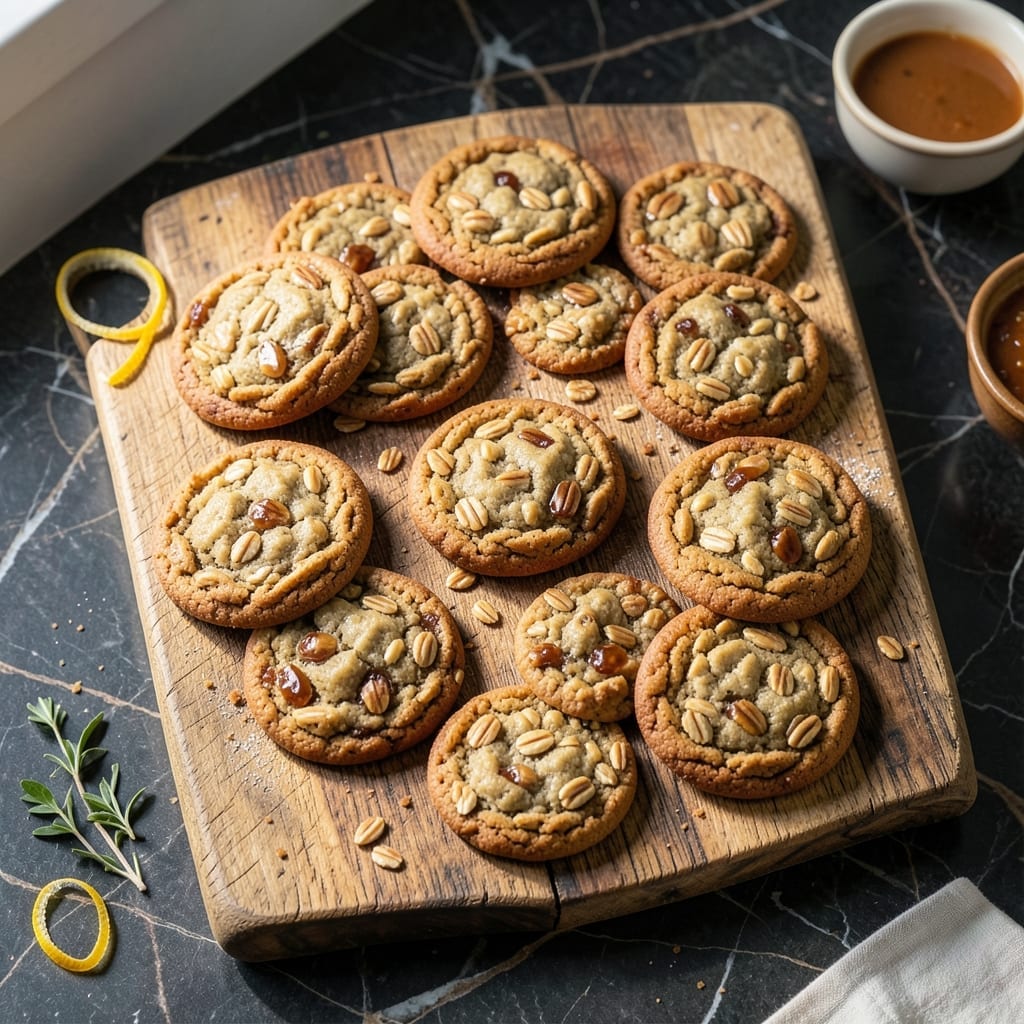
This classic oatmeal cookie recipe delivers the perfect balance of textures—chewy edges with soft, tender centers. Shortening creates a stable structure that keeps them moist for days, making it the ideal choice for baking.
The combination of old-fashioned oats and warm spices creates a nostalgic flavor that’s hard to resist. Each bite offers a satisfying chew with just the right amount of sweetness, proving why this method has stood the test of time.
What sets this version apart is the precise ratio of ingredients, ensuring consistent results every batch. The dough comes together quickly with minimal effort, yet bakes into cookies that look and taste professionally made.
Perfect for baking ahead, these cookies stay fresh and maintain their texture far longer than butter-based recipes. The shortening base guarantees a reliable outcome, whether you’re making a single batch or doubling the recipe.
Ingredients for Quaker Oatmeal Cookie Recipe with Shortening
Old-fashioned oats, warm spices, and shortening create these nostalgic cookies with perfect texture every time.
| Ingredient | Amount | Notes |
|---|---|---|
| Old-Fashioned Rolled Oats 🌾 | 3 cups | Quaker brand preferred |
| All-Purpose Flour 🌾 | 1 ½ cups | Spoon and level method |
| Vegetable Shortening 🧈 | 1 cup | Crisco recommended for texture |
| Granulated Sugar 🍚 | 1 cup | Fine white sugar |
| Packed Light Brown Sugar 🟤 | 1 cup | Adds moisture and chew |
| Large Eggs 🥚 | 2 whole | Room temperature preferred |
| Vanilla Extract 💧 | 1 tsp | Pure vanilla for best flavor |
| Ground Cinnamon 🌿 | 1 tsp | Warm spice essential |
| Baking Soda 🧂 | 1 tsp | Leavening for lift |
| Salt 🧂 | ½ tsp | Balances sweetness |
| Raisins 🍇 | 1 cup | Optional mix-in (or sub chocolate chips) |
The shortening is non-negotiable here. Crisco all-vegetable shortening gives that signature texture—stable structure, chewy edges, soft centers. Quaker old-fashioned oats are the gold standard, but store-brand works if that’s what’s in the pantry. Look for oats without additives (just oats). The flour should be all-purpose; skip the bread flour or cake flour for this recipe.
No raisins? Swap in chocolate chips, chopped nuts, or dried cranberries. Brown sugar is key for chewiness—don’t substitute white sugar. Out of cinnamon? Apple pie spice at one-third the amount works. For a richer flavor, use dark brown sugar instead of light. The eggs bind everything; if you’re out, flax eggs won’t work as well here (shortening needs the structure).
Dough keeps for 3 days refrigerated in an airtight container. Baked cookies stay fresh for 1 week at room temperature. Freeze dough balls for up to 3 months—bake straight from frozen, adding 1-2 minutes. Always bring shortening to room temp before mixing (don’t melt it).
Why You’ll Love This Recipe
- No-Fuss Mixing: I can dump everything in one bowl—even the shortening stays soft straight from the cupboard.
- Chewy Crisp Edges: The shortening gives them this perfect texture: soft middle with just the right bite at the edges.
- Lunchbox Hero: My kids request these weekly, and they actually last until Friday if I hide a few.
- Pantry Staples: Between us, I always have oats and shortening on hand, so these are my 20-minute cookie emergency.
Step-by-Step Instructions for Oatmeal Cookies With Shortening
This method ensures chewy edges and soft centers with every batch.
Step 1: Cream Shortening and Sugars
In a large mixing bowl, beat the 1 cup Vegetable Shortening with the 1 cup Granulated Sugar and 1 cup Packed Light Brown Sugar until light and fluffy. I use an electric mixer on medium speed for 3-4 minutes to properly aerate the mixture.
The shortening creates a tender texture, while the brown sugar adds moisture for that signature chew. You’ll notice the mixture turn pale and increase in volume. Don’t rush this step—proper creaming is essential for the right cookie structure.
Step 2: Incorporate Eggs and Vanilla
Add the 2 whole Large Eggs one at a time, beating well after each addition. Then mix in the 1 tsp Vanilla Extract. The eggs provide structure, while the vanilla adds depth of flavor that complements the oats.
I always use room temperature eggs here—they emulsify better with the fats. Beat until each egg is fully incorporated before adding the next. The mixture should look smooth and homogenous at this stage.
Step 3: Combine Dry Ingredients
In a separate bowl, whisk together the 1.5 cups All-Purpose Flour, 1 tsp Ground Cinnamon, 1 tsp Baking Soda, and 0.5 tsp Salt. The cinnamon adds warmth, while the baking soda helps the cookies spread and brown properly.
Gradually add this dry mixture to the wet ingredients, mixing on low speed just until combined. Overmixing develops gluten, which can make the cookies tough. Stop mixing as soon as you no longer see flour streaks.
Step 4: Fold in Oats and Raisins
Using a wooden spoon or spatula, stir in the 3 cups Old-Fashioned Rolled Oats and 1 cup Raisins. The oats should be evenly distributed throughout the dough, with the raisins scattered uniformly.
I prefer old-fashioned rolled oats for their texture—they hold their shape better than quick oats. If the dough seems too thick, let it rest for 5 minutes to hydrate the oats slightly before scooping.
Step 5: Bake to Golden Perfection
Drop rounded tablespoons of dough onto ungreased baking sheets, spacing them 2 inches apart. Bake at 375°F for 10-12 minutes until the edges are light golden brown but the centers still look slightly underdone.
The cookies will continue to set as they cool on the baking sheet for 5 minutes before transferring to a wire rack. This cooling period is crucial for achieving the right texture—crisp at the edges, soft in the middle.
Pro Tips For Making Quaker Oatmeal Cookie Recipe With Shortening
- Cream Shortening Well: Beat the shortening with both sugars for at least 2-3 minutes—this traps air and makes the cookies lighter. I learned this the hard way after my first batch came out dense and flat.
- Toast the Oats: Spread the rolled oats on a baking sheet and toast at 350°F for 8-10 minutes before mixing. Sounds weird, but it deepens their flavor and keeps the cookies from tasting raw.
- Chill the Dough: Let the dough rest in the fridge for 30 minutes before baking. After burning three batches, I finally figured out this stops them from spreading into one giant cookie.
- Use Room-Temp Shortening: Take the shortening out of the fridge 15-20 minutes before starting. My grandmother swore by this, and she was right—it blends smoother and prevents greasy cookies.
Make-Ahead Tips for quaker oatmeal cookie recipe with shortening
Dough Prep Ahead
Mix the dough as directed, then portion it into 1.5-tbsp balls and arrange on a parchment-lined tray. Chill uncovered for 30 minutes to firm up before transferring to an airtight container. This prevents the dough from sticking together. 💡
Refrigerator Storage
Store the pre-portioned dough balls in an airtight container in the fridge for up to 3 days. When ready to bake, let them sit at room temperature for 15 minutes before baking as usual. The texture stays consistent, and the flavors deepen over time.
Freezer Storage
Freeze dough balls on a tray first for 1 hour, then transfer to a freezer bag. They’ll keep for 3 months. Bake straight from frozen, adding 1-2 minutes to the bake time. No thawing needed—this method locks in freshness.
Baked Cookie Storage
Once cooled completely, store baked cookies in an airtight container at room temperature for up to 1 week. Layer them with parchment paper to prevent sticking. The shortening base keeps them soft longer than butter would. ⏰
Reviving Stale Cookies
If your cookies lose their softness, place a slice of white bread in the container overnight. The bread’s moisture will rehydrate them. Alternatively, warm in a 300°F oven for 5 minutes to restore that just-baked feel.
Batching for Efficiency
Double or triple the recipe and freeze the dough in batches. This way, you’ll always have freshly baked cookies ready in 12-15 minutes. Perfect for unexpected guests or late-night cravings. 💛
Nutrition Facts
Frequently Asked Questions
Why use shortening instead of butter?
Shortening has a higher melting point, creating stable cookies that hold their shape with chewy edges and soft centers. It also keeps them moist longer than butter-based recipes.
Can I substitute quick oats for old-fashioned?
Quick oats work but will make your cookies slightly less textured. For the best chew, stick with old-fashioned rolled oats. They hold their shape better during baking.
How do I prevent cookies from spreading too much?
Chill the dough for 30 minutes before baking. This firms up the shortening, helping maintain thick cookies. Also, ensure your oven is at 375°F before putting them in.
Can I make these without raisins?
Try chocolate chips, chopped nuts, or dried cranberries instead. The base recipe works with any mix-in you prefer.

- 6 Egg Cake Recipe with Oil: Light as Air With Buttery Moisture - October 4, 2026
- 4 Bean Casserole Recipe: One-Pan Heartiness With Smoky Paprika Depth - October 4, 2026
- 3-Ingredient Keto Mug Cake Recipe: Microwave Magic in 2 Minutes - October 4, 2026