
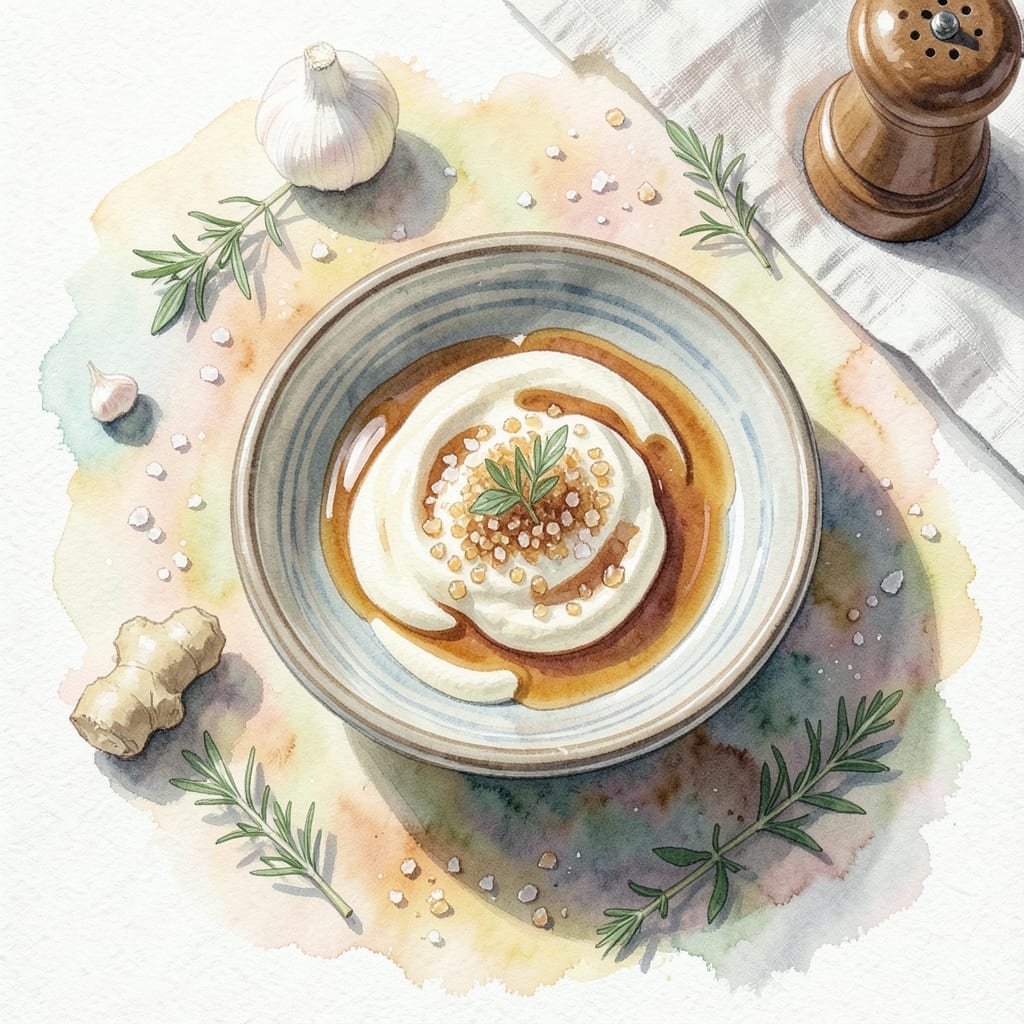
This homemade hibachi sauce brings the signature tangy-sweet flavor of Japanese teppanyaki to your kitchen. With just a few pantry staples, you can create a versatile condiment that elevates grilled meats, vegetables, and rice dishes.
The secret lies in balancing mayonnaise with soy sauce and a touch of sweetness. A hint of garlic and ginger adds depth, while a splash of rice vinegar brightens the blend. The result is a creamy, umami-rich sauce that’s impossible to resist.
Unlike store-bought versions, this sauce stays fresh for up to a week in the fridge. Use it as a dipping sauce, drizzle over stir-fries, or spread on burgers for an instant flavor upgrade.
No special equipment needed—just whisk and serve. The perfect companion for your next teppanyaki night.
Ingredients for Recipe for Hibachi Sauce
A few pantry staples create that signature teppanyaki flavor you crave.
| Ingredient | Amount | Notes |
|---|---|---|
| Mayonnaise 🥫 | 1 cup | Full-fat for creaminess |
| Soy Sauce 🫒 | ¼ cup | Low-sodium preferred |
| Rice Vinegar 🍚 | 1 tbsp | Unseasoned variety |
| Granulated Sugar 🍚 | 1 tbsp | White or raw cane |
| Garlic Cloves 🧄 | 2 cloves | Minced or pressed |
| Fresh Ginger 🌿 | 1 tsp | Peeled and grated |
| Sesame Oil 🫒 | ½ tsp | Toasted for depth |
| Black Pepper 🌶️ | ¼ tsp | Freshly ground |
The mayonnaise is the base here, so Duke’s or Hellmann’s give you that perfect creamy texture. Soy sauce matters too—Kikkoman or San-J are reliable picks at any grocery store. Rice vinegar can be found in the Asian aisle (look for unseasoned, not the seasoned kind). Fresh ginger and garlic are non-negotiable for that authentic restaurant flavor.
No rice vinegar? Apple cider vinegar at half the amount works in a pinch. Swap sugar for honey or maple syrup if you prefer. Missing sesame oil? Skip it entirely—the sauce will still be delicious. If you’re watching sodium, tamari or coconut aminos can replace soy sauce at a 1:1 ratio. The garlic and ginger can be doubled if you love a stronger bite.
This keeps beautifully in the fridge for up to 1 week in an airtight container. The flavors meld and deepen over time. Great for drizzling, dipping, or spreading—just give it a stir before using. Freezing isn’t recommended as it can separate.
Why You’ll Love This Recipe
- 5-Minute Mix: I just dump everything in a bowl—no cooking, no fuss. Honestly, it’s faster than waiting for takeout.
- Umami Bomb: The soy sauce and garlic hit that perfect salty-savory note. Between us, I’ve caught my kids licking the spoon.
- Drizzle on Anything: It’s my secret for turning plain rice or veggies into restaurant-quality meals. Yes, even on a Tuesday night.
- Stays Fresh: I make a big batch and it keeps for a week. One less thing to stress about during meal prep.
Step-by-Step Instructions for Hibachi Sauce
Here’s the method I use to create this restaurant-quality sauce with perfect balance every time.
Step 1: Combine the Wet Base Ingredients
In a medium bowl, whisk together the 1 cup Mayonnaise and 0.25 cup Soy Sauce until completely smooth and uniform in color. I always start with these two because they form the creamy foundation that defines hibachi sauce.
The mayonnaise should be full-fat—this isn’t the time for low-fat versions, as they won’t emulsify properly with the other ingredients. You’ll notice the mixture thicken slightly as the soy sauce incorporates into the mayonnaise.
Step 2: Incorporate the Acidic and Sweet Elements
Add the 1 tbsp Rice Vinegar and 1 tbsp Granulated Sugar to the bowl. Whisk vigorously for about 30 seconds until the sugar begins to dissolve and the vinegar is fully distributed throughout the mixture.
This step is crucial for achieving that signature tangy-sweet balance that makes hibachi sauce so addictive. The rice vinegar adds a subtle sharpness, while the sugar rounds out the saltiness from the soy sauce. Continue whisking until you see no visible sugar granules.
Step 3: Add the Aromatic Components
Finely mince the 2 cloves Garlic Cloves and peel and grate the 1 tsp Fresh Ginger. Add both to the bowl along with the 0.5 tsp Sesame Oil. The sesame oil should be toasted for maximum depth of flavor.
Whisk everything together for another 20-30 seconds until the aromatics are evenly dispersed. Here’s the thing—the garlic and ginger need to be finely minced or grated to distribute their flavors properly without creating an unpleasant texture. You’ll start to smell that characteristic hibachi aroma as you work.
Step 4: Season and Finish
Add the 0.25 tsp Black Pepper (freshly ground works best) and give the sauce one final whisk. Taste and adjust the seasoning if needed, though with these proportions, it should be perfectly balanced.
Let the sauce rest for 10-15 minutes at room temperature before using. This allows the flavors to meld together fully. The finished sauce should be smooth, creamy, and have a beautiful light brown color with a glossy sheen. It will thicken slightly as it sits.
Pro Tips For Making Recipe For Hibachi Sauce
- Mince Garlic Fine: Press or finely mince the garlic cloves—big chunks leave harsh bits that overpower the creamy sauce. I learned this the hard way after biting into a raw garlic chunk mid-bite.
- Balance the Sugar: Dissolve the granulated sugar in the rice vinegar first with a quick stir over low heat. Sounds extra, but it prevents grainy texture in your finished sauce.
- Skip the Cheap Mayo: Use full-fat mayonnaise like Hellmann’s—low-fat versions separate and give the sauce a watery, sad consistency.
- Rest Before Serving: Let the sauce sit for 10 minutes after mixing. The flavors meld better, and the garlic mellows out just enough.
Wine and Beer Pairings for This Dish
Beer Pairings
Light Japanese lagers like Sapporo or Asahi complement this sauce perfectly—their crisp, clean finish cuts through the richness. The subtle sweetness in the beer balances the tangy notes in your hibachi sauce beautifully. 🍺
Wheat Beer Option
A German hefeweizen with its banana and clove notes adds an interesting contrast. I particularly enjoy Weihenstephaner with this sauce. The effervescence cleanses your palate between bites.
White Wine Choices
For wine lovers, try a dry Riesling from Germany or Alsace. The slight acidity mirrors the rice vinegar in the sauce while the subtle fruit notes complement the umami. Chilled to 45-50°F works best. 🍷
Rosé Alternative
A crisp, dry Provençal rosé offers a refreshing pairing. The light berry flavors and mineral notes won’t overpower the sauce’s delicate balance. Serve at 45°F for optimal enjoyment.
Sake Recommendation
For authenticity, pair with junoshi or ginjo sake served chilled. The clean, slightly sweet profile enhances the sauce’s flavors without competition. I prefer Dassai 39 for its smooth finish. ✨
Non-Alcoholic Option
Sparkling yuzu soda or ramune provides the same palate-cleansing effect as beer. The citrus notes in yuzu complement the sauce’s tanginess perfectly. Serve ice-cold for best results.
Nutrition Facts
Frequently Asked Questions
Can I use a different type of vinegar?
Yes, but stick to mild options. Apple cider vinegar works at half the amount, while white vinegar may taste too sharp. Avoid balsamic as it will change the flavor profile.
How long does homemade hibachi sauce last?
Store in an airtight container in the fridge for up to 1 week. The flavors deepen over time. Stir before using if separation occurs.
Can I make this sauce spicier?
Add 0.5 tsp sriracha or a pinch of cayenne. For heat without color, use a dash of hot sauce. Adjust to your preferred spice level.
What’s the best way to use leftover sauce?
Drizzle over grilled chicken, use as a dip for fries, or mix into mayo for sandwiches. It also works great as a salad dressing base.

- 6 Egg Cake Recipe with Oil: Light as Air With Buttery Moisture - October 4, 2026
- 4 Bean Casserole Recipe: One-Pan Heartiness With Smoky Paprika Depth - October 4, 2026
- 3-Ingredient Keto Mug Cake Recipe: Microwave Magic in 2 Minutes - October 4, 2026