
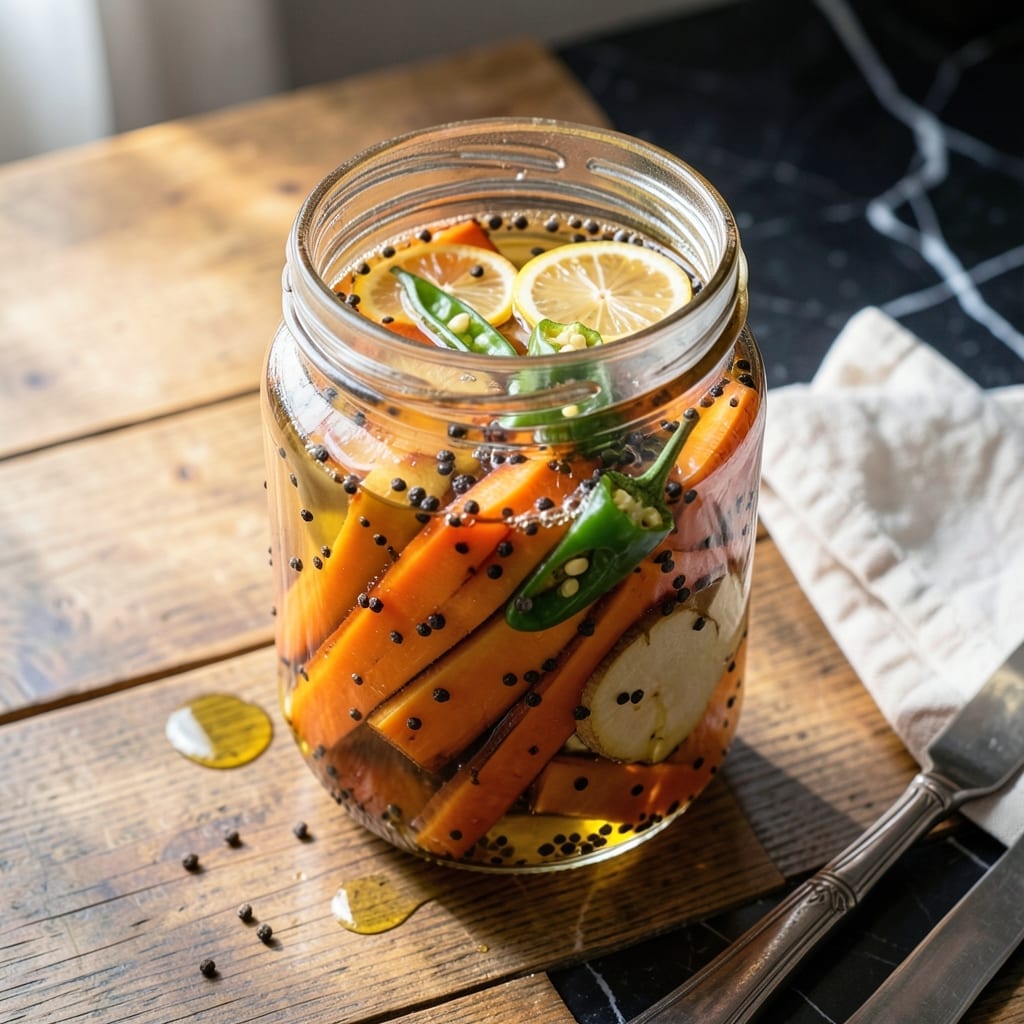
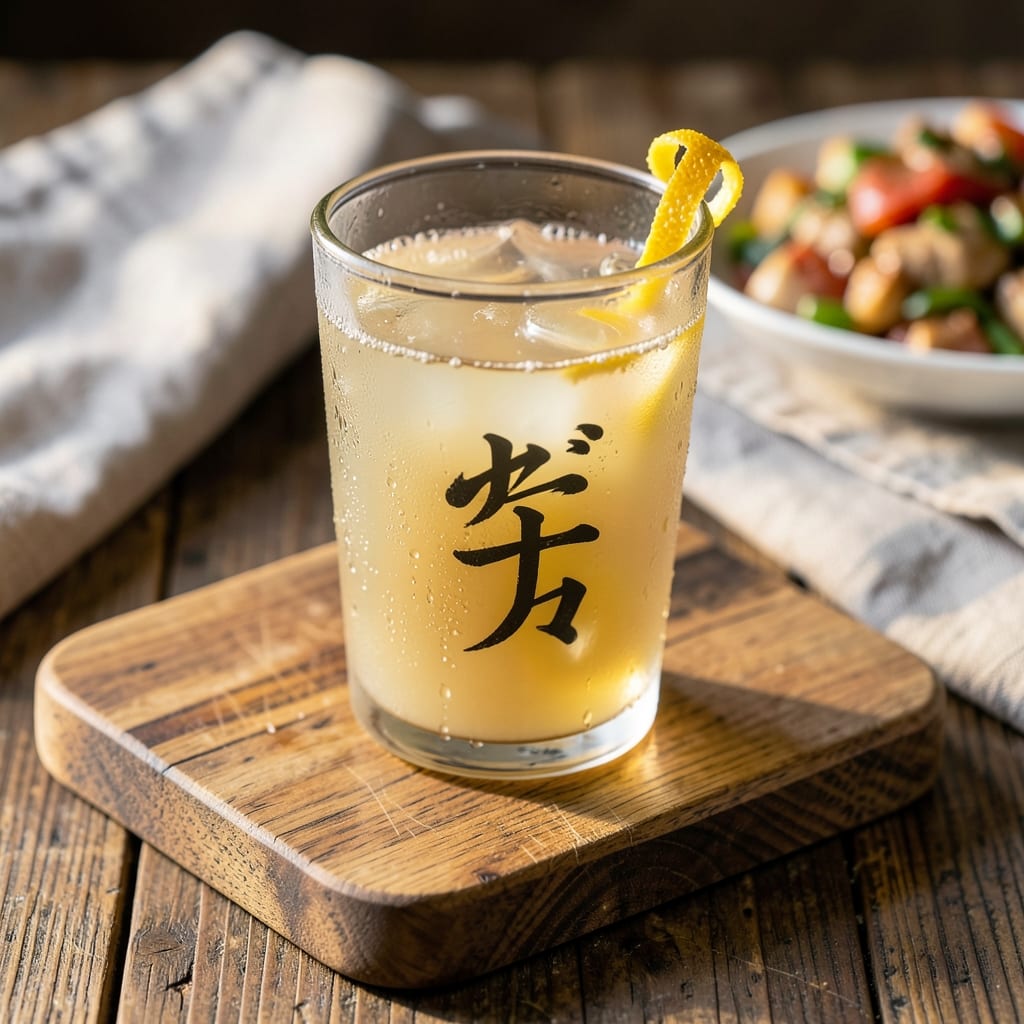
This traditional fermented beverage offers a refreshing, probiotic-rich experience rooted in centuries-old practices.
With simple ingredients and a 48-hour fermentation process, you’ll create a tangy, effervescent drink that aids digestion and revitalizes.
Ingredients for Recipe for Kanji Drink
Simple, traditional ingredients for a probiotic-rich fermented beverage with centuries of history.
| Ingredient | Amount | Notes |
|---|---|---|
| Red Beets 🟣 | 2 lb | Peeled and cubed |
| Carrots 🥕 | 1 lb | Peeled and sliced |
| Fresh Ginger 🌿 | ½ cup | Peeled and grated |
| Lemon Juice 🍋 | ½ cup | Freshly squeezed |
| Black Salt 🧂 | 1 tbsp | For tangy flavor |
| Cumin Seeds 🌿 | 1 tbsp | Lightly toasted |
| Mustard Seeds 🌿 | 1 tbsp | Yellow or brown |
| Asafoetida 🌿 | ½ tsp | Optional for depth |
| Water 💧 | 8 cups | Filtered preferred |
| Sugar 🧈 | ¼ cup | Coconut or cane |
| Fresh Cilantro 🌿 | ½ cup | Chopped for garnish |
| Green Chilies 🌶️ | 2 whole | Sliced lengthwise |
[recipeingredientscaler]
The vegetables are the foundation here. Organic red beets and carrots from Whole Foods or your local farmers market ensure the best fermentation results. Look for firm, unblemished produce with vibrant color. Ginger should be fresh and plump—avoid any pieces that feel dry or shriveled. The black salt (kala namak) is essential for that signature sulfurous tang, available at Indian grocery stores or online.
No black salt? Himalayan pink salt with a pinch of sulfur powder can approximate the flavor, though it won’t be identical. Fresh ginger can be swapped for ginger paste at half the quantity. If asafoetida isn’t available, a tiny bit of garlic powder adds depth (but use sparingly). For sugar, coconut or cane works best—avoid refined white sugar as it can slow fermentation.
This kanji improves with time—wait at least 48 hours before tasting. Store in a glass jar at room temperature during fermentation, then refrigerate for up to 1 week. The flavors deepen after a day or two in the fridge. Always use a clean spoon to avoid contamination.
Why You’ll Love This Recipe
- No-Fuss Blending: I just toss the beets, carrots, ginger, and a squeeze of lemon into the blender—no fancy steps, no fuss.
- Zingy Refreshment: The ginger kicks in first, then the earthy beets and carrots smooth it out, finished with that tangy black salt punch.
- Week Prep Hero: I make a big batch Sunday and it stays fresh all week—perfect for grabbing a glass before work or after a workout.
- Pantry Savior: Honestly, it’s just root veggies and spices I already have, so it saves me a grocery trip every time.
Step-by-Step Instructions for Kanji Drink
This traditional method ensures proper fermentation and balanced flavors every time.
Step 1: Prepare and Combine Vegetables
Begin by thoroughly washing and peeling the 2 lb red beets and 1 lb carrots. Cube the beets into 1-inch pieces and slice the carrots into ¼-inch rounds. This uniform size ensures even fermentation and consistent texture in the final drink.
Peel and grate the 0.5 cup fresh ginger using a fine grater. In a large fermentation jar or glass container, combine the prepared beets, carrots, and grated ginger. The ginger’s pungency will intensify during fermentation, so freshness is key.
Step 2: Toast Spices and Bloom Aromatics
In a dry skillet over medium heat, lightly toast the 1 tbsp cumin seeds and 1 tbsp mustard seeds for 1-2 minutes until fragrant. Remove from heat and let cool slightly. This step enhances their natural oils and deepens their flavor profile.
Add the toasted spices to the jar along with the 0.5 tsp asafoetida, 1 tbsp black salt, and 2 whole green chilies sliced lengthwise. The asafoetida adds a subtle umami depth, while the black salt provides the characteristic tang of traditional kanji.
Step 3: Create the Fermentation Base
In a saucepan, combine the 8 cups water and 0.25 cup sugar. Heat over medium-high until the sugar fully dissolves, then remove from heat and let cool to room temperature. Pour this syrup over the vegetables and spices in the jar.
Add the 0.5 cup lemon juice to the jar. The acidity from the lemon not only adds brightness but also helps preserve the mixture during fermentation. Stir all ingredients thoroughly to ensure the vegetables are fully submerged in the liquid.
Step 4: Ferment and Develop Flavor
Cover the jar loosely with a lid or cloth to allow airflow while keeping out debris. Store at room temperature (ideally 70-75°F) in a dark place for 48-72 hours. You’ll notice bubbles forming within 24 hours, signaling active fermentation.
Stir the mixture gently once daily to distribute the flavors. The kanji is ready when it develops a tangy aroma and the vegetables have softened slightly. The longer it ferments within this window, the more complex the flavor becomes.
Step 5: Strain and Serve
After fermentation, strain the liquid through a fine-mesh sieve into a clean pitcher, pressing the vegetables gently to extract all flavor. Discard the solids or compost them. The resulting liquid should be a vibrant deep pink with a tangy, slightly spicy aroma.
Serve the kanji chilled over ice, garnished with 0.5 cup fresh cilantro. The cilantro adds a fresh herbal note that complements the earthy, fermented flavors. Store any remaining kanji in the refrigerator for up to 1 week, where the flavors will continue to develop subtly.
Pro Tips For Making Recipe For Kanji Drink
- Grate the Ginger: Fresh ginger releases more juice when finely grated—use a microplane for about 1 tablespoon to get that sharp, warming kick without fibrous bits.
- Roast the Beets First: I learned this the hard way—raw beets make the drink earthy and harsh, but roasting them at 400°F for 45 minutes mellows the flavor and deepens the color.
- Strain While Warm: After blending, strain the mixture through a fine mesh sieve while it’s still warm—it flows faster and you’ll extract every last drop of vibrant liquid.
- Balance the Salt: Black salt adds that sulfurous tang, but start with ½ teaspoon, taste, then adjust—too much overpowers the sweetness of the carrots and beets.
Troubleshooting recipe for kanji drink
🍳 Kanji Isn’t Fermenting?
If your kanji drink isn’t bubbling or developing a tangy flavor after 2-3 days, the issue is often temperature or ingredients. Yeast and bacteria need warmth (70-80°F) to activate, and old or chlorinated water can inhibit fermentation.
Quick Fix: Move the jar to a warmer spot, like near the oven (off) or in sunlight. Use filtered or boiled-and-cooled water, and ensure fresh vegetables and spices are used.
⏰ Too Sour or Over-Fermented?
Leaving kanji to ferment too long (beyond 4-5 days) or in high heat can make it overly sour or fizzy. The natural sugars convert to acid and CO₂, which intensifies flavor and carbonation.
Quick Fix: Taste daily after day 3. Once it reaches your preferred tang, refrigerate it to slow fermentation. If it’s too strong, dilute with water or add a touch of sweetener.
🥘 Mold or Unpleasant Odor?
Mold or a foul smell usually means contamination, often from dirty utensils, uncovered jars, or using spoiled ingredients. Kanji should smell sharp and tangy, not rotten.
Quick Fix: Discard the batch and sanitize all equipment with hot, soapy water. Use a clean cloth to cover the jar, secured with a rubber band, and always use fresh, unbruised produce.
🌡️ Not Fizzy Enough?
Lack of fizz can result from insufficient sugar, weak starter culture (like mustard seeds), or cool fermentation temps. Sugar feeds the bacteria, creating CO₂ for bubbles.
Quick Fix: Add 1-2 tsp of sugar or jaggery and stir. Move the jar to a warmer place for 12-24 hours. Use a bit of leftover kanji as a starter for the next batch to boost activity.
Nutrition Facts

- 12 Lb Rib Roast Recipe: Low-and-Slow Mastery for Showstopping Taste - October 4, 2026
- 5-Gallon Apple Mash Recipe: Slow-Simmered Spice Infusion for Crowds - October 4, 2026
- 5 Star Pineapple Upside Down Cake Recipe: Caramelized Rings and Buttery Streusel Crown - October 4, 2026