
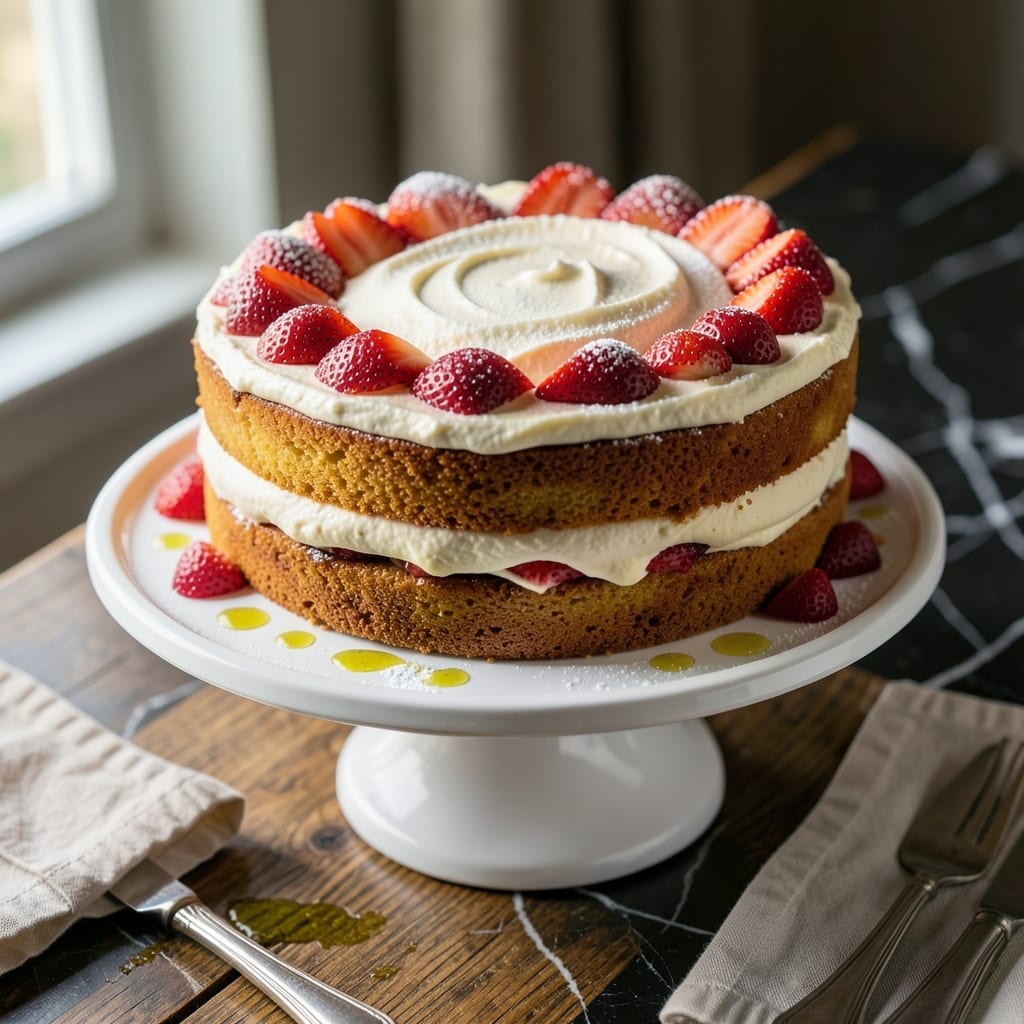
This timeless cake recipe brings the charm of an old-fashioned bakery right into your kitchen. The secret lies in the rich, velvety buttercream that perfectly complements the moist, tender layers.
I’ve perfected this version to deliver that nostalgic Sanders Colonial taste with simple, pantry-friendly ingredients. The process is straightforward, but the results are anything but ordinary.
Each slice offers a perfect balance of sweetness and texture, with a light, fluffy crumb and a frosting so smooth it melts in your mouth. It’s a dessert that feels special for any occasion.
Whether you’re baking for a celebration or just craving a classic treat, this cake delivers bakery-quality indulgence every time.
Ingredients for Sanders Colonial Buttercream Cake
Classic bakery ingredients for a nostalgic, light, fluffy cake with velvety buttercream frosting.
| Ingredient | Amount | Notes |
|---|---|---|
| All-Purpose Flour 🌾 | 3 cups | Sifted for lighter texture |
| Granulated Sugar 🍚 | 2 ¼ cups | Divided for cake and frosting |
| Unsalted Butter 🧈 | 1 ½ cups | Room temperature, softened |
| Large Eggs 🥚 | 4 whole | Room temperature for best volume |
| Whole Milk 🥛 | 1 ¼ cups | Full-fat for richness |
| Baking Powder 🧂 | 1 tbsp | Ensures light, fluffy crumb |
| Vanilla Extract 🌿 | 2 tsp | Pure extract for best flavor |
| Salt 🧂 | ½ tsp | Fine sea salt preferred |
| Confectioners Sugar 🍚 | 4 cups | Sifted for smooth frosting |
| Heavy Cream 🥛 | ½ cup | For buttercream consistency |
| Cream of Tartar 🧂 | ½ tsp | Stabilizes egg whites if used |
The butter is non-negotiable here—Plugrá or Land O’Lakes for that old-school bakery richness. Use room temperature eggs and butter (they’ll cream together properly). For the flour, King Arthur or Gold Medal all-purpose give consistent results. Skip the cake flour—this recipe’s magic is in its simplicity. Whole milk is key (2% works in a pinch, but don’t go lower).
No cream of tartar? White vinegar or lemon juice at the same amount works. Out of buttermilk? Milk plus 1 tbsp vinegar per cup. For a lighter frosting, whip in 2 tbsp meringue powder—it’s the Sanders Colonial secret. If you’re at high altitude, reduce baking powder by half a teaspoon. Confectioners sugar must be sifted (lumps ruin the texture).
Cake layers freeze beautifully for up to 3 months—wrap tightly in plastic, then foil. Frosting can sit at room temperature for 2 days (cover tightly). For the fluffiest texture, mix frosting just before assembling. Leftovers? They won’t last, but store in the fridge for 5 days.
Why You’ll Love This Recipe
- One Bowl Wonder: I love that everything mixes in a single bowl—flour, sugar, butter, eggs, milk—no fancy equipment needed.
- Buttery Heaven: That rich, velvety buttercream layered between moist cake is what dreams are made of.
- Feeds a Crowd: Honestly, one batch covers birthdays, potlucks, or just a Sunday craving.
- Budget Friendly: All-purpose flour and basic pantry staples keep costs low without skimming on taste.
Step-by-Step Instructions for Sanders Colonial Buttercream Cake
This timeless method ensures a moist crumb and silky frosting that defined the original bakery classic.
Step 1: Prepare the Cake Batter
Preheat your oven to 350°F and grease two 9-inch round cake pans, lining the bottoms with parchment paper. This preparation prevents sticking and ensures easy release after baking.
In a large mixing bowl, cream together the 1.5 cups Unsalted Butter and 2.25 cups Granulated Sugar until light and fluffy—about 4-5 minutes on medium-high speed. The mixture should be pale and nearly double in volume, which incorporates air for a tender texture.
Add the 4 whole Large Eggs one at a time, beating well after each addition. Then mix in the 2 tsp Vanilla Extract. In a separate bowl, whisk together the 3 cups All-Purpose Flour, 1 tbsp Baking Powder, and 0.5 tsp Salt. Alternate adding the dry ingredients and the 1.25 cups Whole Milk to the butter mixture, beginning and ending with the flour. Mix just until combined to avoid over-developing the gluten.
Step 2: Bake the Cake Layers
Divide the batter evenly between the prepared pans, smoothing the tops with a spatula. Bake for 25-30 minutes, or until a toothpick inserted into the center of each layer comes out clean.
The cakes are done when they spring back lightly when touched and the edges have pulled slightly away from the sides of the pans. Avoid overbaking, as this can lead to dry layers. Let the cakes cool in the pans for 10 minutes, then transfer them to a wire rack to cool completely before frosting.
Step 3: Prepare the Colonial Buttercream Frosting
In a clean mixing bowl, beat the remaining Unsalted Butter (from the 1.5 cups total) until smooth and creamy. Gradually add the 4 cups Confectioners Sugar, mixing on low speed to prevent a sugar cloud.
Once combined, add the 0.5 cup Heavy Cream and 2 tsp Vanilla Extract, then increase the speed to medium-high. Beat for 3-4 minutes until the frosting is light, fluffy, and holds soft peaks. If the frosting seems too thick, add a splash more heavy cream, one tablespoon at a time, until it reaches the desired consistency.
Step 4: Assemble and Frost the Cake
Place one cake layer on a serving plate or cake stand. Spread a generous layer of buttercream frosting over the top, ensuring it reaches the edges. This creates a seal that locks in moisture and adds a rich flavor with every bite.
Add the second cake layer and press down gently to level it. Spread a thin crumb coat of frosting over the entire cake, then refrigerate for 15-20 minutes to set. This step prevents crumbs from mixing into the final frosting layer. Finish with a smooth, even coating of the remaining buttercream, using a spatula to create clean edges and a polished finish.
Pro Tips For Making Sanders Colonial Buttercream Cake
- Cream Butter Longer: Beat the unsalted butter and sugar for at least 5-7 minutes until it’s pale and fluffy—I learned this the hard way after my first few cakes turned out dense.
- Room Temp Eggs: Take the large eggs out 30 minutes before starting, or they won’t emulsify properly with the butter and sugar.
- Don’t Overmix Flour: Fold in the all-purpose flour just until combined, or you’ll end up with a tough cake instead of a tender one.
- Use Whole Milk: Skip the skim or 2%—the fat in whole milk makes a real difference in keeping this cake moist and rich.
Perfect Pairings for This Dish
Beverage Pairings
This cake shines with a cup of hot coffee—the bitterness balances the sweetness beautifully. I prefer a medium roast like Starbucks Breakfast Blend for that classic bakery experience. The contrast makes every bite taste richer. 🍺
Tea Time Favorites
A strong black tea like Earl Grey or English Breakfast adds a sophisticated touch. The bergamot notes in Earl Grey complement the vanilla in the frosting. I always keep Twinings on hand for this exact pairing.
Dessert Wines
For a special occasion, serve with a Moscato d’Asti—its light fizz and honeyed flavor elevate the cake. Saracco Moscato is my go-to. The bubbles cleanse your palate between each forkful.
Milk Choices
Nothing beats a cold glass of whole milk with this classic cake. For a twist, try vanilla almond milk—it adds a nutty depth. The creaminess mirrors the buttercream’s texture perfectly. 💛
Ice Cream Sides
A small scoop of vanilla bean ice cream on the side turns this into an à la mode delight. I love Ben & Jerry’s for its rich, creamy texture. The warm-cold contrast is irresistible.
Fruit Accompaniments
Fresh strawberries or raspberries add a bright, tangy counterpoint. Toss them in a bit of granulated sugar to macerate for 10 minutes before serving. Their acidity cuts through the richness beautifully.
Nutrition Facts
Frequently Asked Questions
Can I use salted butter instead of unsalted?
It’s best to stick with unsalted butter to control the salt content precisely. If you only have salted, reduce the added salt by half to avoid overpowering the sweetness.
Why does my frosting look grainy?
Grainy frosting usually means the confectioners sugar wasn’t sifted or the butter was too cold. Sift the sugar first and ensure butter is room temperature before mixing.
How far in advance can I bake the layers?
You can bake the layers 1-2 days ahead. Cool completely, wrap tightly in plastic, and store at room temperature. For longer storage, freeze for up to 3 months.
Can I make this in a sheet pan instead?
Yes! Use a 9×13-inch pan and bake for 20-25 minutes. Check for doneness with a toothpick. Adjust frosting quantity as needed for coverage.

- 6 Egg Cake Recipe with Oil: Light as Air With Buttery Moisture - October 4, 2026
- 4 Bean Casserole Recipe: One-Pan Heartiness With Smoky Paprika Depth - October 4, 2026
- 3-Ingredient Keto Mug Cake Recipe: Microwave Magic in 2 Minutes - October 4, 2026