
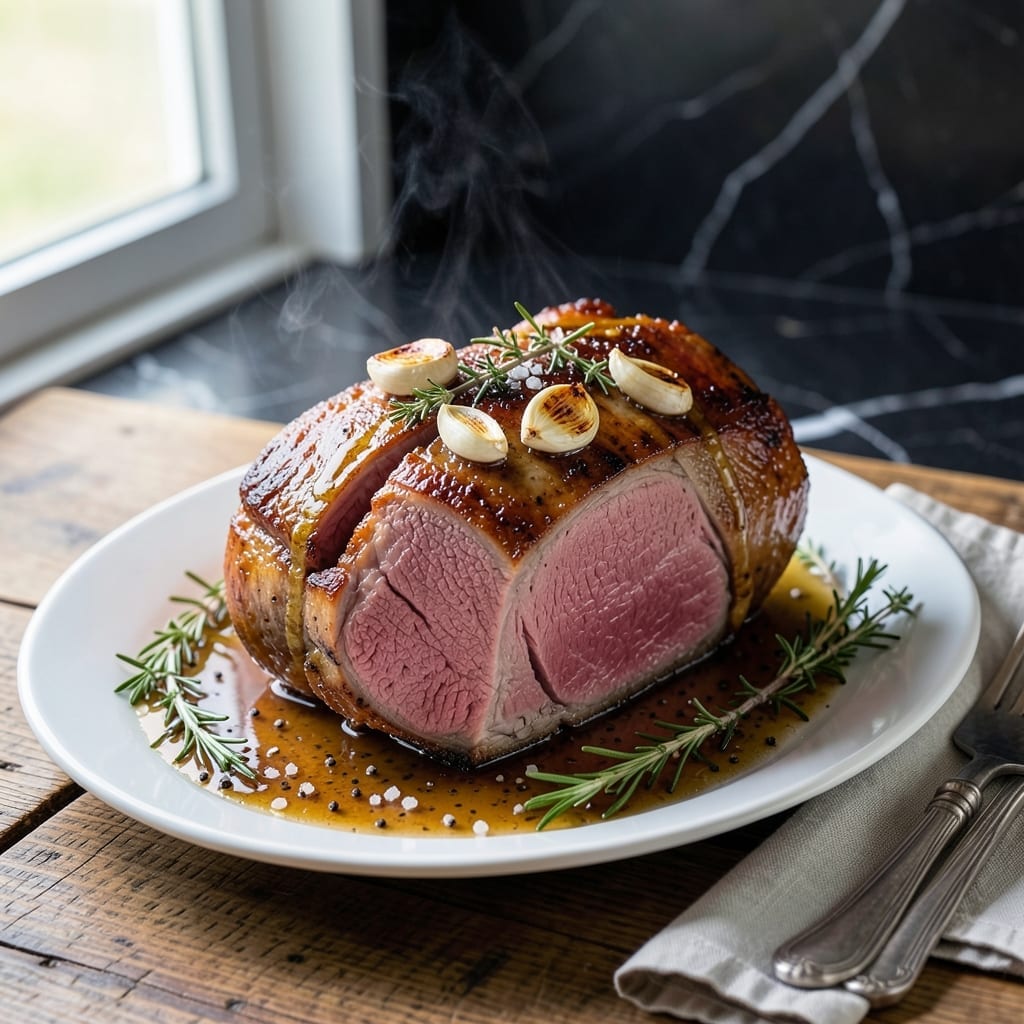
Mastering a rib roast means getting the most from every cut, and this technique delivers perfectly even slices with minimal waste. I developed this method after years of watching valuable meat go unused during carving.
The key is understanding the roast’s structure. By trimming and slicing strategically, you can transform the often-overlooked top portion into beautiful, uniform servings that rival the center cuts.
What you achieve is a presentation-worthy dish with consistent texture and flavor in every piece. No more irregular slices or wasted portions—just elegant, restaurant-quality results.
This approach maximizes yield while maintaining the roast’s natural juiciness and tenderness. Here’s how to execute it properly.
Ingredients for Top of the Rib Roast
Prime rib roast plus aromatic herbs and bold seasonings transform this cut into restaurant-quality perfection.
| Ingredient | Amount | Notes |
|---|---|---|
| Beef Rib Roast 🥩 | 4 lb | Bone-in, prime rib preferred |
| Kosher Salt 🧂 | 2 tbsp | Diamond Crystal brand preferred |
| Freshly Ground Black Pepper 🌶️ | 1 tbsp | Coarse grind for texture |
| Garlic Cloves 🧄 | 6 cloves | Peeled, smashed for rub |
| Fresh Rosemary Sprigs 🌿 | 4 whole | Leaves stripped and chopped |
| Fresh Thyme Sprigs 🍃 | 4 whole | Leaves stripped and chopped |
| Dijon Mustard 🟡 | 2 tbsp | For herb crust binding |
| Olive Oil 🫒 | 2 tbsp | Extra-virgin for richness |
| Unsalted Butter 🧈 | 4 tbsp | Softened for basting |
| Red Wine 🍷 | 1 cup | Dry variety for deglazing |
| Beef Stock 🥘 | 1 cup | Low-sodium preferred |
| All-Purpose Flour 🌾 | 2 tbsp | For thickening pan sauce |
The beef is non-negotiable here. Prime rib roast with the bone in delivers superior flavor and juiciness—USDA Prime grade if available, though Choice works well. Source from a trusted butcher or Whole Foods for consistent marbling. The top portion, often discarded, contains incredible depth when sliced properly. Ask for a roast with even fat cap distribution for optimal results.
No prime rib? Ribeye roast works as a substitute though it lacks the bone structure. Fresh herbs are ideal but dried at one-third the amount can substitute—just rehydrate in warm water first. The red wine can be swapped for beef broth with a splash of balsamic vinegar. For the mustard, whole-grain Dijon adds texture, but smooth works too.
Store the raw roast uncovered on a rack in the fridge for 1-2 days to dry the surface for better searing. Leftovers keep 4-5 days wrapped tightly, or freeze sliced portions for 3 months. Always bring meat to room temperature before cooking.
Why You’ll Love This Recipe
- Hands-Off Cooking: I just season it with salt, pepper, garlic, and rosemary, then let the oven do all the work.
- Rich, Herby Crust: The garlic and rosemary form this incredible crust that’s packed with flavor in every bite.
- Holiday Centerpiece: It’s my go-to for special dinners—impressive but never stressful to prepare.
- Leftovers for Days: One roast means sandwiches, tacos, or stew for the whole week. Honestly, it’s a gift that keeps giving.
Step-by-Step Instructions for Top of the Rib Roast
Master the technique for perfectly even slices with maximum yield from your roast.
Step 1: Prepare and Season the Beef Rib Roast
Remove the 4 lb Beef Rib Roast from the refrigerator 1 hour before cooking to bring it to room temperature. This ensures even cooking throughout the thick cut. Pat it completely dry with paper towels—moisture prevents proper browning.
In a small bowl, combine the 2 tbsp Kosher Salt, 1 tbsp Freshly Ground Black Pepper, 6 cloves Garlic Cloves (peeled and smashed), 2 tbsp Olive Oil, and the chopped leaves from 4 whole Fresh Rosemary Sprigs and 4 whole Fresh Thyme Sprigs. Rub this mixture all over the roast, pressing firmly to adhere. The herb mixture will form a flavorful crust while cooking.
Step 2: Sear and Begin the Roasting Process
Preheat your oven to 450°F. Heat a large oven-safe skillet or roasting pan over medium-high heat. Add 2 tbsp Olive Oil and sear the roast on all sides until deeply browned, about 2-3 minutes per side. This creates a flavorful crust and enhances the overall richness of the dish.
Once seared, spread 2 tbsp Dijon Mustard evenly over the top and sides of the roast. This acts as a binder for the herbs and adds a subtle tangy depth to the crust. Transfer the pan to the preheated oven.
Step 3: Roast to Perfection with Basting
Roast the beef for 20 minutes at 450°F, then reduce the oven temperature to 325°F. Add 4 tbsp Unsalted Butter to the pan, allowing it to melt. Baste the roast with the butter and pan juices every 15-20 minutes to ensure even browning and moisture retention.
Continue roasting until the internal temperature reaches 125-130°F for medium-rare, about 1.5 to 2 hours total, depending on your oven. Use a meat thermometer inserted into the thickest part of the roast for accuracy. The crust should be deep golden brown and the juices should run clear when pierced.
Step 4: Rest and Prepare the Pan Sauce
Transfer the roast to a cutting board, tent loosely with foil, and let it rest for 20-30 minutes. This resting period allows the juices to redistribute, ensuring a moist and tender result when sliced.
Place the roasting pan on the stovetop over medium heat. Pour in 1 cup Red Wine and deglaze the pan, scraping up all the browned bits with a wooden spoon. Simmer for 3-4 minutes until the wine reduces by half. Stir in 1 cup Beef Stock and bring to a gentle simmer.
Step 5: Finish the Sauce and Slice
In a small bowl, mix 2 tbsp All-Purpose Flour with 2 tbsp of the warm pan sauce to create a slurry. Whisk this back into the pan and simmer for 2-3 minutes until the sauce thickens enough to coat the back of a spoon. Strain if desired for a smoother consistency, then adjust seasoning with additional Kosher Salt and Freshly Ground Black Pepper if needed.
Slice the roast against the grain into even ½-inch thick slices. Serve immediately with the pan sauce drizzled over the top. Each slice should have a perfect crust and rosy pink center, demonstrating the precision of your cooking technique.
Pro Tips For Making Top Of The Rib Roast
- Rest Before Slicing: Let the roast rest for at least 20-30 minutes under loose foil after cooking—I learned this the hard way when all the juices ended up on the cutting board instead of in the meat.
- Salt Generously Overnight: Coat the rib roast with kosher salt at least 12 hours ahead; it’s the only way to get that deep seasoning and perfect crust without over-salting the surface.
- Skip Cold Meat: Take the roast out of the fridge 2 hours before cooking—After burning the outside of a cold roast once, I now swear by this for even doneness.
- Use Fresh Rosemary: Dried rosemary won’t cut it here; the fresh sprigs release oils that actually flavor the meat, not just smell good while cooking.
Regional Styles of top of the rib roast
Texas-Style Prime Rib
In Texas, we go big on flavor and simplicity. I use a coarse salt and pepper rub with 1 tbsp smoked paprika for a bold crust. Sear the roast in a Lodge cast iron skillet over high heat, then finish in the oven at 325°F until reaching 130°F internal. 🔥
French Herb-Crusted
The French approach incorporates a persillade of parsley, shallots, and capers mixed with the herbs. I add 1 tbsp Dijon mustard and 2 crushed juniper berries to the rub. Roast at 400°F for the first 20 minutes, then reduce to 275°F for slow finishing.
Midwest Classic
Midwestern cooks often use a garlic and onion powder blend in their crust. I combine 1 tbsp each with the kosher salt. The roast goes into a 350°F oven with ½ cup beef broth in the pan for continuous basting. This creates incredibly tender slices.
California Fusion
West Coast style incorporates Asian influences. I add 1 tbsp grated ginger and 2 tbsp soy sauce to the herb mixture. Roast at 375°F and baste with a mix of red wine and hoisin sauce every 20 minutes.
Southern Comfort
Southern cooks often include brown sugar in their rub. I mix 2 tbsp with the salt and pepper. The roast gets a 10-minute sear in bacon fat, then slow-roasted at 300°F with hickory smoke for that authentic Southern flavor. ✨
Nutrition Facts
Frequently Asked Questions
How do I ensure even slicing from the top portion?
Trim the fat cap evenly first. Then slice against the grain in ½-inch thick pieces, keeping your knife parallel to the bones for uniform servings.
Why rest the meat before carving?
Resting for 20-30 minutes lets juices redistribute. Skipping this causes dry slices as precious moisture leaks onto the cutting board.
Can I use a boneless roast instead?
Yes, but bone-in adds flavor. For boneless, reduce cooking time by about 15% and use a thermometer to hit 125°F internal.
What if my crust burns before the center cooks?
Tent loosely with foil and lower heat to 300°F. The crust protects while the inside finishes safely.

- 6 Egg Cake Recipe with Oil: Light as Air With Buttery Moisture - October 4, 2026
- 4 Bean Casserole Recipe: One-Pan Heartiness With Smoky Paprika Depth - October 4, 2026
- 3-Ingredient Keto Mug Cake Recipe: Microwave Magic in 2 Minutes - October 4, 2026