
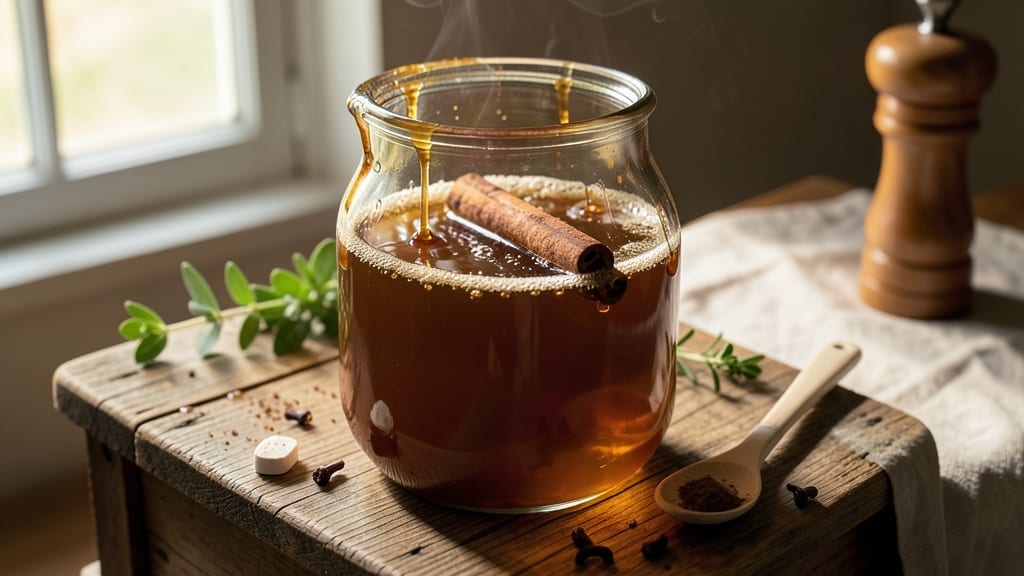
Transforming 1 gallon of hard apple cider into a rich, spiced fermented batch is a rewarding process that captures the essence of autumn. This recipe delivers a crisp, flavorful cider with warm spices that elevate any gathering—whether sipped by a crackling fire or paired with seasonal treats.
The key lies in precise fermentation techniques and patient aging, ensuring a balanced, complex drink every time.
To achieve professional results, you’ll need just five core ingredients: 1 gallon of unpasteurized apple cider, a packet of cider-making yeast, 1 pound of brown sugar for fermentation, cinnamon sticks, and cloves for depth.
Temperature control is critical—maintaining a steady 68–72°F during fermentation ensures smooth carbonation and flavor development. Safety is built into the process, with optional pasteurization steps for longer shelf life.
The result is a golden, aromatic cider with notes of caramel, spice, and subtle tartness—perfect for toasting or gifting. Fermentation takes 2–3 weeks, while aging adds complexity, so plan ahead for the best flavor. Whether you’re a homebrewer or a first-timer, this method simplifies the process without sacrificing quality.
Serve chilled in mugs or bottles for a festive touch, and experiment with variations like adding orange peel or nutmeg. The recipe scales easily, so double the batch for parties. Here’s how to craft your own 1-gallon hard cider with confidence.
Ingredients for 1 gallon hard apple cider
Five core ingredients transform raw cider into a rich, spiced fermented masterpiece.
| Ingredient | Amount | Notes |
|---|---|---|
| Unpasteurized Apple Cider 🍎 | 1 gallon | Raw, unpasteurized for fermentation |
| Cider-Making Yeast 🍺 | 1 packet | Lalvin EC-1118 or similar |
| Light Brown Sugar 🍚 | 1 ½ lb | Granulated for even dissolving |
| Cinnamon Sticks 🌿 | 4 whole | Ceylon variety preferred |
| Whole Cloves 🌶️ | 8 whole | Freshly cracked for aroma |
| Campden Tablets 💊 | 1 tablet | For sterilization (optional) |
| Pectic Enzyme 🧪 | 1 tsp | For clarity (optional) |
| Lemon Juice 🍋 | 2 tbsp | Freshly squeezed |
| Priming Sugar 🍚 | ½ cup | For carbonation |
| Chlorine Dioxide Sanitizer 🧼 | ½ tsp | For equipment sanitization |
The quality of your apple cider is non-negotiable—unpasteurized, raw cider is essential for fermentation. Local orchards and specialty grocery stores like Whole Foods or Trader Joe’s carry excellent options. Look for cider with minimal processing and a vibrant golden hue. Brown sugar provides the fermentable sugars; light brown works best as it dissolves more easily. For spices, Ceylon cinnamon adds subtle warmth without overpowering, while whole cloves contribute deep aromatic notes. Always source spices from reputable brands like Penzeys for optimal flavor. The optional Campden tablet acts as a sterilizing agent—critical for preventing contamination during fermentation.
No cider-making yeast? Champagne yeast or ale yeast can substitute in a pinch, though results may vary. Substituting white sugar for brown sugar reduces caramel notes but maintains fermentation. For spice variations, star anise or orange peel work beautifully—just adjust quantities to taste. The pectic enzyme, while optional, enhances clarity; if unavailable, gelatin or Irish moss can be used instead. Lemon juice adds acidity and prevents bacterial growth. For priming sugar, corn sugar or dextrose are direct substitutes. Always sanitize equipment thoroughly with chlorine dioxide or Star San—never skip this step, as contamination ruins batches.
Store fermented cider in a cool, dark place (60–65°F) for 2–3 weeks1 inch headspace. Age for 4–6 weeks for optimal flavor development. Unopened bottles keep 6–12 months refrigerated, while opened bottles should be consumed within 1 week. For extended shelf life, pasteurize at 140°F for 30 minutes. Always use sanitized equipment to prevent spoilage. Double batches ferment faster—just ensure your vessel can handle the volume without overflowing.
Why You’ll Love This Recipe
- Five-Ingredient Magic: I swear, this recipe is the kind of thing that makes me feel like a mad scientist—except instead of explosions, you get flavor. Just unpasteurized cider, yeast, sugar, and a handful of spices? That’s it. No fancy equipment, no stress, just pure, bubbly satisfaction.
- Spiced to Perfection: Between us, the cinnamon and cloves turn this into something that tastes like autumn in a glass. The yeast does its thing, but those spices? They’re the secret weapon—warm, cozy, and just sweet enough to make you reach for another sip.
- Party in a Jug: This isn’t just for sipping by the fire—it’s my go-to for tailgates, picnic coolers, or when friends drop by unannounced. Batch it once, and suddenly you’ve got a crowd-pleaser that’s cheaper than store-bought and way more impressive.
- No Waste, All Rewards: Make a gallon, and you’ve got leftovers for weeks. Freeze some in ice cube trays for cocktails later, or let it age in the fridge for a smoother taste. Honestly, the only regret is not making it more often.
Step-by-step instructions for fermenting hard apple cider
Transforming raw cider into rich, spiced hard cider requires precision and patience.
Sanitize Equipment and Prepare the Base
Begin by thoroughly sanitizing all equipment using the 0.5 tsp Chlorine Dioxide Sanitizer diluted in 1 quart of water. Scrub the fermentation vessel, airlock, and any tools that will come into contact with the cider. This critical step prevents contamination that could ruin your batch.
Pour the 1 gallon Unpasteurized Apple Cider into the sanitized fermentation vessel. Add the 1 tablet Campden Tablets, crushing it lightly to dissolve completely. Stir gently for 5 minutes to ensure even distribution. This sterilization step is optional but highly recommended for preventing wild yeast and bacteria from competing with your cider-making yeast.
Add Spices and Sugar for Fermentation
In a separate bowl, combine the 1.5 lb Light Brown Sugar with the 2 tbsp Lemon Juice and 1 tsp Pectic Enzyme. Stir until the sugar fully dissolves, creating a thick syrup. This mixture will provide both nutrition for the yeast and acidity to balance the sweetness.
Add the spice blend—4 whole Cinnamon Sticks and 8 whole Whole Cloves—directly to the cider. Pour the sugar-lemon-pectic enzyme mixture into the vessel and stir thoroughly for 3 minutes until completely integrated. The spices will infuse their warm, aromatic qualities during fermentation, while the sugar provides the fermentable substrate for yeast activity.
Activate the Yeast and Begin Fermentation
Rehydrate the 1 packet Cider-Making Yeast in a small bowl with ½ cup of the fermenting cider at 75°F. Stir gently and let it sit for 10 minutes until frothy. This activation ensures a vigorous fermentation start. Pour the yeast mixture back into the main vessel and stir gently to distribute evenly.
Attach the airlock to the fermentation vessel and place it in a location where the temperature will remain consistent between 65-75°F. Ferment for 7-10 days, stirring gently every 24 hours during the first 3 days. You’ll notice bubbling through the airlock and a slight reduction in volume—this indicates active yeast consumption of sugars and alcohol production.
Monitor and Condition the Fermenting Cider
After 7-10 days, check the specific gravity using a hydrometer. When it stabilizes at 1.000-1.005, fermentation has slowed significantly. This typically occurs when the alcohol content reaches 5-8% ABV. Remove the airlock and let the cider sit uncovered for 24 hours to allow sediment to settle at the bottom.
Using a sanitized siphon, transfer the cider to a secondary vessel, leaving behind the sediment. This step ensures clarity and prevents off-flavors from developing. Add the 0.5 cup Priming Sugar to the secondary vessel and stir gently to dissolve. This priming sugar will create carbonation during the second fermentation stage.
Bottle and Condition for Carbonation
Fill sanitized bottles with the conditioned cider, leaving 1 inch of headspace at the top. Cap the bottles immediately and store them at 65-75°F for 7-14 days. During this secondary fermentation, the priming sugar will convert to carbonation, creating the characteristic fizz of hard cider.
After the conditioning period, check for proper carbonation by opening a bottle carefully—listen for a gentle hiss. If the carbonation is insufficient, extend the conditioning period by another 3-5 days. Once fully carbonated, store the cider in a cool, dark place for 2-4 weeks to mellow flavors before serving. The result should be a crisp, spiced hard cider with balanced sweetness and autumnal warmth.
Pro Tips For Making 1 Gallon Hard Apple Cider
- Sanitize Everything First: I learned this the hard way—skipping sanitization leads to cloudy, off-tasting cider. Boil your gallon jug, airlock, and all tools in hot water for 10 minutes before adding anything. Yeast and bacteria don’t play nice when you cut corners here.
- Pitch Yeast at Night: Yeast loves the 68–72°F range, which is often cooler in the evening. Add your cider-making yeast when your must is at the lower end of that spectrum—around 70°F—and let it ferment overnight. This gives it a head start before your kitchen warms up.
- Skip the Crowding: Packing your gallon jug too full leaves zero room for CO₂ buildup, and that’s a fast track to a blown seal or stuck fermentation. Fill it only 3/4 full—yes, even if it feels like you’re wasting cider. Trust me, the yeast will thank you.
- Toast Your Spices: Lightly toast your cinnamon sticks and cloves in a dry skillet for 30 seconds before adding them to the must. This deepens their flavor without bitterness—no need to burn them, just warm them up. (Your future self will notice the difference.)
Best sauces and condiments for this recipe
Spiced Syrup Glaze
Elevate your hard cider with a spiced syrup glaze that adds depth and warmth. Simmer ½ cup honey, ¼ cup water, 2 cinnamon sticks, and 4 whole cloves for 10 minutes.
Strain and drizzle 1 tablespoon over each glass of cider just before serving. The caramelized spices complement the fermented flavors beautifully. 🌟
Apple Cider Vinegar Reduction
For a tangy twist, reduce ½ cup apple cider vinegar with 2 tablespoons brown sugar over medium-high heat until syrupy (about 8 minutes). Strain and add ½ teaspoon vanilla extract.
Drizzle over ice for a refreshing contrast to the rich cider. This works especially well with spiced or dry cider variations. ✨
Caramelized Onion Topping
Sauté 1 large onion, thinly sliced, in 2 tablespoons butter until deep golden (15-20 minutes). Add a pinch of salt and 1 teaspoon maple syrup at the end.
Spoon over frothy cider to add a sweet, savory layer. The caramelized onions pair perfectly with the crisp acidity of the cider. 🍏
Citrus Zest Garnish
Brighten your cider with orange or lemon zest—simply grate ½ teaspoon of zest over the top of each glass. For extra flair, add a few thin citrus slices as a garnish.
The citrus cuts through the richness and adds a refreshing aroma. I love using blood orange zest for a deeper flavor profile. 🍊
Maple-Bourbon Drizzle
For a sophisticated touch, mix 1 tablespoon pure maple syrup with 1 teaspoon bourbon and warm slightly. Drizzle over chilled cider for a smooth, smoky-sweet finish. This works especially well with dry or semi-dry cider styles and adds a touch of indulgence. 🥃
Herbal Infusions
Infuse your cider with fresh herbs like rosemary or thyme for a unique twist. Add 2 sprigs of fresh rosemary or 1 tablespoon chopped thyme to the cider during fermentation for subtle herbal notes.
Remove before bottling, or muddle a sprig into each glass for a fragrant garnish. Perfect for herbal or floral cider variations. 🌿
Nutrition facts
Frequently asked questions
Can I use store-bought apple cider for this recipe?
Only if it’s unpasteurized and raw—never use pasteurized or “ready-to-drink” cider. Look for labels that specify “raw” or “unpasteurized” at specialty stores or orchards. These contain live yeast and bacteria that kickstart fermentation naturally. Store-bought pasteurized cider will not ferment properly.
How do I know when fermentation is complete?
Fermentation is done when the bubbling in your airlock slows to just a few bubbles every 2-3 minutes and the specific gravity reads 1.000-1.005 on a hydrometer. This typically takes 7-10 days at 68-72°F. The cider should smell sweet with faint yeasty notes, not sour or vinegary.
What happens if I skip the Campden tablet?
You risk contamination from wild yeast or bacteria in your cider. The Campden tablet acts as a sterilizing agent that kills unwanted microbes. Without it, your batch might develop off-flavors, cloudiness, or even spoil. If you skip it, at least use chlorine dioxide sanitizer on all equipment instead.
Can I adjust the alcohol content?
Yes! For a stronger batch, add an extra ½ lb brown sugar (raising ABV to ~8-10%). For a lighter drink (~3-5% ABV), reduce sugar to 1 lb. Always adjust in ¼ lb increments and monitor fermentation closely—too much sugar can overwhelm the yeast.
How long does homemade hard cider last?
Unopened bottles last 6-12 months refrigerated, while opened bottles should be consumed within 1 week. For longer shelf life, pasteurize at 140°F for 30 minutes before bottling. Properly fermented and stored cider won’t spoil—just lose carbonation over time.

- 3lb Prime Rib Roast Recipe: Juicy Pink Center Guaranteed in 3 Hours - October 31, 2026
- 5 Spice Cake Recipe: Warmly Spiced Layers With Crunchy Top - October 31, 2026
- 1950’s Macaroni and Cheese Recipe: Nostalgic Creamy Cheese Sauce with Buttery Noodles - October 31, 2026