
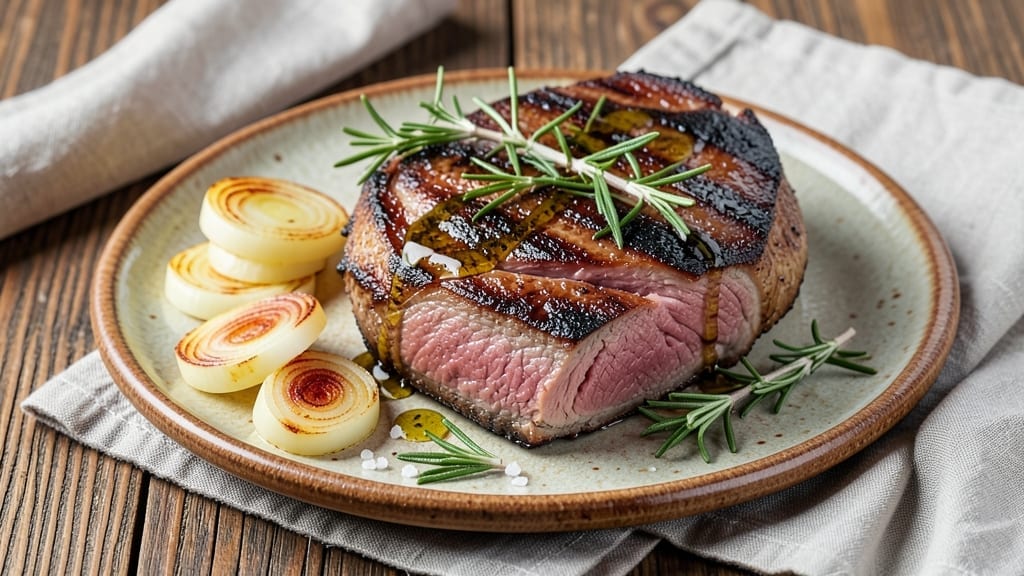
A 1-pound sirloin tip roast cooked with reverse-sear method delivers restaurant-quality results at home—juicy, tender meat with perfectly browned edges every time. This technique transforms tougher cuts into melt-in-your-mouth perfection by controlling internal temperature before searing.
The key lies in patience: slow roasting first ensures even cooking, while high-heat searing creates that coveted crust.
What sets this method apart is precision: using a meat thermometer guarantees medium-rare doneness (130°F internal temp) before the final sear. Seasoning with coarse salt and black pepper creates a flavorful crust without overpowering the beef’s natural richness.
The reverse-sear approach eliminates guesswork, making it ideal for home cooks who want professional results without specialized equipment.
By following this method, you’ll achieve a tender, flavorful roast with a caramelized exterior that locks in juices. The internal texture remains silky and even, while the crust delivers satisfying crunch.
This technique works equally well for larger cuts—simply adjust cooking times proportionally—but the 1-pound size makes it perfect for weeknight dinners or intimate gatherings.
Pair with classic sides like garlic mashed potatoes or roasted vegetables to complete the meal. The beauty of this method is its versatility: the same principles apply to other roasts, making it a valuable skill for any home cook’s repertoire.
Let’s get started on creating your perfectly cooked sirloin tip roast.
Ingredients for 1 lb sirloin tip roast
Precision seasoning and temperature control transform a simple 1-pound roast into restaurant-quality perfection.
| Ingredient | Amount | Notes |
|---|---|---|
| Sirloin Tip Roast 🥩 | 1 lb | Center-cut for even cooking |
| Kosher Salt 🧂 | 1 ½ tsp | Diamond Crystal preferred |
| Freshly Ground Black Pepper 🌶️ | 1 tsp | Coarse grind for texture |
| Extra-Virgin Olive Oil 🫒 | 1 tbsp | High smoke point preferred |
| Yellow Onion 🧅 | 1 whole | Thinly sliced for garnish |
| Fresh Rosemary 🌿 | 1 sprig | For aroma infusion |
| Fresh Thyme 🌿 | 2 sprigs | Leaves only for seasoning |
| Garlic Cloves 🧄 | 4 cloves | Minced for crust enhancement |
| Unsalted Butter 🧈 | 2 tbsp | Cold for final sear |
| Vegetable Oil 🫒 | 2 tbsp | For high-heat searing |
| Meat Thermometer 🌡️ | 1 whole | Instant-read preferred |
The sirloin tip roast is the star here—center-cut pieces deliver the most even cooking. Whole Foods or local butcher shops typically carry this cut, often labeled as ‘tip roast’ or ‘sirloin tip.’ Look for good marbling (white flecks within the meat) as this indicates flavor and tenderness. If your butcher offers it pre-trimmed, even better—it saves time and ensures consistent results. The 1-pound size is ideal for this reverse-sear method, balancing cooking time and portion control for four servings. For optimal flavor, let the roast sit at room temperature for 30-45 minutes before cooking to ensure even doneness throughout.
No instant-read thermometer? A meat thermometer with probe is the only way to nail that 130°F internal temp for medium-rare. The Diamond Crystal kosher salt is crucial—its coarse texture creates a better crust than table salt. Short on time? Substitute sea salt at a 1:1 ratio, but avoid iodized salts as they can impart off-flavors. The extra-virgin olive oil should have a high smoke point—look for labels indicating ‘light’ or ‘refined’ olive oil if you’re concerned about burning. For the aromatics, dried thyme at 1/3 the amount works in a pinch, but fresh has that unmatched brightness. The cold butter during searing is non-negotiable—it adds richness and helps create that coveted crust.
This roast reheats beautifully—3-5 minutes at 350°F restores moisture without overcooking. For make-ahead prep, cook the roast completely to 140°F internal (well-done), then slice and refrigerate. The crust will soften slightly but remains flavorful. Store cooked roast in airtight containers for up to 4 days in the fridge or 3 months in the freezer. For serving, slice against the grain at a 45-degree angle for maximum tenderness. Pair with garlic mashed potatoes or roasted root vegetables to complement the rich beef flavors—both sides reheat well and balance the meal perfectly.
Why You’ll Love This Recipe
- Same recipe, different results: slice thin for tacos on a Tuesday or serve thick with pan juices for a Sunday dinner. My go-to for when I’m too tired to overthink it.
- Two-Handed Prep: The roast takes five minutes to prep—just salt, pepper, and a quick sear in olive oil. No brining, no fancy rubs, just you, a knife, and a pan.
- Caramelized Crust Magic: That onion and olive oil sear? It turns the outside into a golden, crispy blanket while keeping the inside juicy. Honestly, the first bite makes me pause mid-chew.
- Weeknight or Guest Night: Same recipe, different results: slice thin for tacos on a Tuesday or serve thick with pan juices for a Sunday dinner. My go-to for when I’m too tired to overthink it.
Step-by-step instructions for reverse-seared sirloin tip roast
Master the reverse-sear technique for a roast with flawless doneness and caramelized crust.
Season and Prepare the Roast for Low-Temperature Cooking
Pat the 1 lb Sirloin Tip Roast completely dry with paper towels—this ensures maximum surface area for browning. Rub all sides with 1.5 tsp Kosher Salt and 1 tsp Freshly Ground Black Pepper, pressing firmly so the seasoning adheres. Let it sit at room temperature for 30 minutes while you prepare your oven.
Place a wire rack on a rimmed baking sheet and position the roast on the rack. This allows heat to circulate evenly around all sides. Preheat your oven to 275°F—this low temperature is crucial for achieving even doneness without overcooking the exterior.
Cook Until Internal Temperature Reaches 115°F
Place the roast in the preheated oven and cook until the internal temperature reaches 115°F at the thickest part, measured with your meat thermometer. This typically takes 1 hour to 1 hour 15 minutes, depending on your oven’s calibration. The roast will look pale and unappetizing at this stage, but patience is key.
During this time, prepare your searing station. In a small bowl, combine 1 tbsp Extra-Virgin Olive Oil with 2 tbsp Vegetable Oil—this high-smoke-point blend ensures a stable sear. Mince the 4 cloves Garlic Cloves and finely chop the 1 whole Yellow Onion for garnish later.
Sear for a Perfect Crust and Infuse Aromatics
Remove the roast from the oven and let it rest for 5 minutes while you prepare your searing pan. Heat a heavy skillet over high heat until it’s smoking hot. Add the oil mixture and let it shimmer for 1 minute before adding the roast.
Sear the roast for 2 minutes per side, pressing down gently with a spatula to ensure full contact with the pan. The goal is to develop a deep mahogany crust while keeping the interior tender. During the last 30 seconds of searing, add 2 tbsp Unsalted Butter to the pan—it will foam and baste the roast, adding richness.
Rest and Garnish for Optimal Texture
Transfer the seared roast to a cutting board and let it rest for 10 minutes, loosely tented with foil. This resting period allows the juices to redistribute throughout the meat, ensuring each slice is moist and flavorful. While it rests, prepare your garnish by combining the minced garlic cloves, thyme leaves from the 2 sprigs Fresh Thyme, and rosemary leaves from the 1 sprig Fresh Rosemary in a small bowl.
Slice the roast against the grain into ½-inch thick portions. Arrange the slices on a warm platter, drizzle with any rendered pan juices, and sprinkle with the herb-garlic mixture. The result should be a roast with a perfectly seared exterior and a tender, juicy interior—exactly what you’d expect from a restaurant-quality cut.
Pro Tips For Making 1 Lb Sirloin Tip Roast
- SEAR IN TWO BATCHES: That 1-pound roast won’t fit flat in most pans, and crowding it ruins the crust. Cut it in half, sear each side over medium-high heat for 3-4 minutes until deep brown—no rushing. The second batch will still taste great, I promise.
- SALT THE ONION: You’re seasoning the meat, but the onion deserves love too. Cut it into even slices, toss with a pinch of kosher salt and a drizzle of olive oil, then let it sit for 10 minutes. It’ll caramelize faster and add way more flavor to whatever sauce or pan juices you’re using.
- SKIP THE PREHEATING TRICK: Cold meat releases juices when it hits a screaming-hot pan, and that’s the enemy of a good crust. Pat the roast bone-dry with paper towels, then let it sit at room temp for 20-30 minutes before searing. Yes, it’s tempting to jump straight to cooking, but this makes all the difference.
- BASTE WITH PAN JUICES: After searing, don’t pour away that golden brown fond—it’s liquid gold. Deglaze the pan with a splash of water or broth, spoon the sauce over the roast every 5 minutes while it rests. The meat will stay moist, and you’ll have extra flavor to drizzle on top. (Pro move: Do this right after removing it from the pan.)
Flavor customization for this dish
Classic Herb Crust
For a traditional, aromatic finish, create a crust using 2 tbsp Dijon mustard mixed with 1 tbsp minced garlic and 1 tbsp chopped fresh parsley. Spread this mixture evenly over the roast before searing—it adds depth while complementing the beef’s natural flavors.
I always use Annie’s Organic Dijon for its balanced tang. 🌿
Spicy Chipotle Rub
Transform your roast into a smoky, spicy masterpiece by mixing 1 tbsp smoked paprika, 1 tsp chipotle powder, ½ tsp cayenne, and 1 tsp garlic powder. Apply this blend after the initial seasoning but before the low-temperature roast.
For extra heat, add ½ tsp crushed red pepper flakes during the final sear. This works beautifully with Penzeys chipotle powder for authentic smokiness.
Garlic Butter Baste
Elevate the searing step by using a garlic butter baste—melt 2 tbsp unsalted butter with 2 minced garlic cloves and 1 tsp chopped thyme in a small saucepan. Brush this mixture over the roast during the last 2 minutes of searing.
The butter adds richness while the garlic infuses the crust with aromatic depth. I love using Plugrá butter for its high fat content and clean flavor.
Coffee and Brown Sugar Glaze
For a sweet-savory twist, create a glaze by simmering 2 tbsp strong brewed coffee, 1 tbsp brown sugar, and 1 tsp soy sauce> until reduced by half. Brush this glaze over the roast during the final 5 minutes> of low-temperature cooking.
The coffee enhances the beef’s depth, while the brown sugar caramelizes beautifully during searing. Use Peet’s Major Dickason’s Blend for robust coffee flavor.
Rosemary and Lemon Zest
Brighten the dish with a citrusy finish by combining 1 tbsp finely chopped fresh rosemary, 1 tsp lemon zest, and ½ tsp cracked black pepper. Mix this with 1 tbsp olive oil> and brush it over the roast during the last 10 minutes**> of low-temperature cooking.
The lemon zest adds a refreshing contrast to the rich beef. I prefer Eden Foods organic rosemary for its vibrant aroma.
Smoky Paprika and Cumin
Infuse the roast with warm, earthy notes by creating a dry rub with 1 tbsp smoked paprika, ½ tsp ground cumin, and ½ tsp onion powder. Apply this mixture after the initial salt and pepper seasoning.
The cumin adds complexity that pairs wonderfully with the beef’s natural richness. Badia smoked paprika is my go-to for its deep, consistent smoke flavor. ✨
Nutrition facts
Frequently asked questions about sirloin tip roast
Can I cook this recipe with a smaller or larger roast?
The reverse-sear method works perfectly for roasts between 1-3 pounds. For larger cuts (3 lbs+), increase the low-temperature cooking time by 15-20 minutes per pound while aiming for 115°F internal temp before searing. For smaller cuts (½ lb), reduce low-temp cooking to 45-50 minutes—just monitor closely with your thermometer.
What’s the best way to store leftovers?
Slice the roast and store in airtight containers for up to 4 days in the fridge. For longer storage, freeze slices wrapped tightly in plastic wrap for 3 months. Reheat leftovers in a skillet over medium heat for 3-4 minutes per side, or microwave for 1-2 minutes (covered) until warmed through.
Why does the roast look pale before searing?
This is completely normal! The low-temperature roast (275°F) cooks the meat evenly without browning. The pale appearance means it’s perfectly cooked to 115°F internally—the searing step later creates that beautiful crust while keeping the interior juicy. Don’t be tempted to increase oven temp—it’ll overcook the outside before the center reaches target temp.
Can I use this method for other beef cuts?
Yes! The reverse-sear works wonderfully with top sirloin roast, chuck roast, or even ribeye roast. For leaner cuts like sirloin, aim for 115°F before searing, while fattier cuts like ribeye can go to 120°F. Adjust seasoning slightly—ribeye benefits from extra coarse salt to enhance its natural richness.
What if my oven doesn’t go below 250°F?
No problem! Use your oven’s broiler setting instead. Place the roast on a wire rack over a baking sheet and cook at 250°F until it reaches 115°F internal temp (about 1 hour 30 minutes). Then proceed with the searing step as directed. The key is maintaining that 115°F target before the final sear for perfect results.

- 5 Lb Eye Round Roast Recipe: Slow-Braised to Melt-in-Mouth Tenderness - November 3, 2026
- 3-Hour Ciabatta Bread Recipe: Crusty Chews and Airy Holes Mastered - November 3, 2026
- 5 Fruit Salad Recipe: Vibrant Rainbow Layers With No Brown Spots - November 3, 2026