
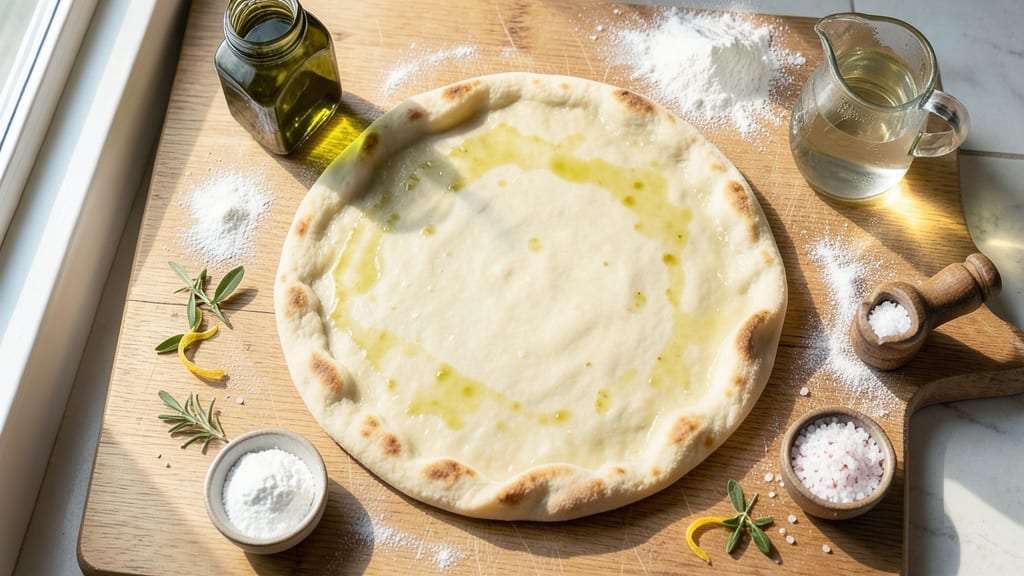
Making 1 person pizza dough without yeast or long waits just got easier—this no-yeast recipe rises in 15 minutes, perfect for a quick homemade meal. The secret lies in baking powder and baking soda, which create airy texture without fermentation.
I developed this after craving pizza but not wanting to wait hours for dough to rise. This method requires just 5 simple ingredients and minimal effort—no kneading, no proofing, and no yeast to measure.
The dough comes together in minutes, then bakes directly on a tray or in a pan for crispy edges and soft centers. Ideal for a single serving or small appetizers, it delivers restaurant-quality results without the fuss.
What you’ll end up with is a golden, airy crust that holds toppings perfectly, whether you keep it classic with tomato sauce and cheese or go wild with gourmet ingredients. The dough stays flexible enough to stretch by hand, so no rolling pin is needed.
Serve immediately or store for later use—this dough keeps well for up to 24 hours. Let’s get started with a recipe that proves homemade pizza can be fast, easy, and delicious.
Ingredients for 1 person pizza dough
Five simple ingredients transform into golden, airy pizza dough in minutes—no yeast, no waiting.
| Ingredient | Amount | Notes |
|---|---|---|
| All-Purpose Flour 🌾 | 1 ½ cups | Spooned and leveled, not packed |
| Baking Powder 🧂 | 1 ½ tsp | Aluminum-free preferred |
| Baking Soda 🧂 | ½ tsp | Freshly opened |
| Salt 🧂 | ½ tsp | Fine sea salt preferred |
| Olive Oil 🫒 | ¼ cup | Extra-virgin for flavor |
| Warm Water 💧 | ¾ cup | 110°F, not boiling |
The flour is everything here. King Arthur or Gold Medal work best—they have the right protein for tender yet sturdy dough. If you’re at Whole Foods, grab their organic all-purpose flour; it’s worth the extra dollar for this recipe. For the leavening agents, check the expiration dates—old baking powder or baking soda won’t rise properly. The olive oil adds flavor, but you can swap for melted butter if you prefer. Just make sure it’s warm, not hot, when mixing.
No baking powder? Substitute 1.5 tsp cream of tartar plus 0.5 tsp cornstarch—it’s the same chemical reaction. Running short on olive oil? Vegetable oil or melted butter works fine, though the flavor will differ slightly. The warm water is critical—if it’s cold, the dough won’t activate properly. Too hot? You’ll kill the baking soda. 110°F is ideal, but room temp water with a 10-second microwave zap works in a pinch. For a lighter crust, add 1 tbsp cornmeal to the flour mix.
This dough keeps for 24 hours in the fridge, wrapped tightly in plastic. For longer storage, freeze portions on a tray, then transfer to a bag. Thaw at room temperature before using. The dough doubles as a quick flatbread—just stretch it thin and bake with olive oil and salt for crispy, chewy bites. Leftovers make great garlic bread the next day.
Why You’ll Love This Recipe
- No-Fuss Mixing: The dough comes together in five minutes—just flour, baking powder, a splash of olive oil, and a pinch of salt. I swear, I’ve made this while waiting for my coffee to brew.
- Crispy Yet Soft: That baking powder and soda combo? It gives you a perfectly crisp edge without sacrificing the pillowy center. Honestly, it’s the kind of texture that makes you forget you’re eating solo.
- Weeknight Magic: Use it for pizza tonight, flatbread tomorrow, or even a quick focaccia—no need to commit. Between us, I’ve turned leftover dough into garlic knots (yes, even on a Tuesday night).
- Pantry Staples Only: No yeast, no waiting, no fancy ingredients. Just flour, oil, and a few cents’ worth of baking powder. I’ll be real: this is my go-to when I’m broke but still want to feel like I’m treating myself.
Step-by-step instructions for 1 person pizza dough
This no-yeast dough comes together in minutes for perfectly crispy, flavorful pizza.
Mix Dry Ingredients Thoroughly
In a medium mixing bowl, combine the 1.5 cups all-purpose flour, 1.5 teaspoons baking powder, 0.5 teaspoon baking soda, and 0.5 teaspoon salt. Use a whisk to break up any flour clumps and distribute the leavening agents evenly throughout the dry mixture. This ensures even rising and a light texture in your final dough.
I like to press the baking powder and baking soda through a fine-mesh sieve first—this prevents lumps that can create uneven pockets of air in the dough. Set the bowl aside once everything is thoroughly mixed. The dry ingredients should look completely homogeneous with no visible speckles of baking powder or salt.
Incorporate Olive Oil and Warm Water
Create a well in the center of the dry ingredients and pour in the 0.25 cup olive oil. Using a fork or wooden spoon, gradually incorporate the oil into the flour mixture until it forms a coarse crumbly texture. This step is crucial for developing gluten strands that will give your dough structure.
Next, add the 0.75 cup warm water (about 110°F) to the center. The water should be warm but not hot—just warm enough to dissolve any remaining dry ingredients. Begin mixing immediately with a wooden spoon, stirring from the bottom of the bowl to work the ingredients together. You’ll notice the mixture start to clump as the flour absorbs the liquid.
Knead Until Smooth and Elastic
Transfer the dough to a lightly floured surface and knead for 3-5 minutes until smooth and elastic. I press down firmly with the heel of my hand, then fold the dough over itself and rotate the bowl. This motion helps develop gluten, which gives the dough its structure and chewiness.
You’ll know it’s ready when the dough springs back slightly when pressed and feels smooth to the touch. If it’s still sticky, add 1 tablespoon more flour at a time until it comes together cleanly. Avoid over-kneading—this can make the dough tough. The dough should be soft but not wet, and should hold its shape when gently pinched.
Rest for Optimal Texture
Shape the dough into a ball and place it in a lightly oiled bowl. Cover the bowl with a damp kitchen towel or plastic wrap to prevent the dough from drying out. Let it rest at room temperature for 10 minutes. This short rest period allows the gluten to relax, making it much easier to roll out without tearing.
During this time, I like to preheat my oven to 475°F for baking. The resting step might seem unnecessary, but it makes all the difference in achieving a perfectly even crust. If you’re short on time, you can skip this step, but your dough will be slightly more resistant to rolling.
Shape and Roll for Perfect Pizza
After resting, turn the dough out onto a lightly floured surface and gently pat it into a 10-inch circle using your hands. I find that pressing from the center outward works best—this prevents the edges from becoming too thin while keeping the center thick enough for proper cooking.
Roll the dough out to your desired thickness, about ⅛ inch for a crispy crust or ¼ inch for a softer texture. Transfer the shaped dough to a parchment-lined baking sheet or pizza stone. This makes it easy to slide the pizza into the oven without sticking. Now it’s ready for your favorite toppings and sauce!
Pro Tips For Making 1 Person Pizza Dough
- Measure Flour Right: Use the spoon-and-sweep method—don’t scoop straight from the bag. This recipe’s baking powder and soda are picky; too much flour throws off the rise, and you’ll end up with a dense, chewy brick instead of a light crust. I learned this the hard way after making dough that tasted like a hockey puck.
- Hydrate the Dough Slowly: Mix the olive oil and water first, then add it to the dry ingredients in stages. Dumping everything at once creates a gummy mess that’s hard to knead, and this recipe’s minimal yeast needs gentle handling. Work it by hand for 5 minutes—no food processor needed.
- Skip the Over-Kneading: Stop when the dough holds together without sticking to your fingers. This recipe’s baking soda means it’ll rise fast but collapse if you overwork it. I used to knead until my arms ached, but now I just stretch it once and let it rest—less effort, same great result.
- Rest It Properly: Cover the dough with a damp towel and let it sit for at least 30 minutes in a warm spot (like a turned-off oven with the light on). This isn’t just waiting—it’s letting the baking soda and powder do their thing. I used to rush it, and the crust always came out flat and sad.
Common mistakes when making this recipe
Overmixing the Dough
I see this all the time—people treat no-yeast dough like traditional yeast dough and overmix it. Once the dough comes together, stop mixing immediately. Overworking develops too much gluten, which makes the crust tough and chewy instead of tender.
Aim for 3-5 minutes of kneading max, just until the dough is smooth and springs back when pressed. 💪
Skipping the Rest
The 10-minute rest is non-negotiable for this dough. Without it, the gluten remains tight and resistant, making rolling difficult. I’ve made this mistake—skipping the rest leads to uneven thickness and a denser crust. Cover the dough with a damp towel during this time to prevent drying.
Using Cold Water
Cold water kills the baking soda’s reaction, leaving your dough flat and dense. Always use water that’s 110°F or warmer. If you’re in a hurry, microwave the water for 10 seconds to reach the right temp.
Test it by sprinkling a pinch of baking soda—it should fizz immediately. If it doesn’t, warm it up more.
Incorrect Leavening Ratios
Using too much or too little baking powder/soda throws off the rise. Measure carefully—1.5 tsp baking powder and 0.5 tsp baking soda are critical. Old baking powder loses potency, so check the expiration date.
If unsure, test it by mixing 1 tsp baking powder with 2 tbsp hot water—it should bubble vigorously. If not, replace it.
Ignoring the Oil
Olive oil isn’t just flavor—it’s essential for tenderness. Skipping it or using too little results in a dry, crumbly crust. The 0.25 cup creates pockets of air that make the dough light.
For extra flavor, use extra-virgin olive oil straight from the bottle. If you must substitute, melted butter works but lacks the same richness.
Baking Without Parchment
Directly baking on a tray without parchment causes the bottom to burn before the top cooks. Always use parchment or a pizza stone. If you don’t have parchment, lightly grease the tray with olive oil.
For even crispiness, bake on the middle rack—too high and the edges burn, too low and the crust stays soggy. 🔥
Nutrition facts
Frequently asked questions
Can I make this dough without olive oil?
Yes, but the flavor and texture will change. Use 0.25 cup melted butter or vegetable oil instead—just know the crust won’t have the same richness. For a lighter option, try 1 tablespoon olive oil plus 1 tablespoon melted butter to balance flavor and tenderness.
How do I store leftover dough?
Wrap tightly in plastic wrap and refrigerate for up to 24 hours. For longer storage, freeze portions on a tray, then transfer to a bag. Thaw at room temperature before using. The dough reheats beautifully—just bake as directed with your toppings.
Can I make this dough in a stand mixer?
Use the dough hook attachment on low speed for 2-3 minutes until smooth. Avoid high speed—this dough doesn’t need vigorous mixing. The mixer saves time but requires slightly more flour (add 1 tablespoon if needed) to prevent sticking.
What toppings work best for a single serving?
Keep it simple: ½ cup marinara sauce, 1 cup shredded mozzarella, and your choice of toppings like pepperoni, mushrooms, or fresh basil. For a lighter option, try pesto, goat cheese, and roasted vegetables. The dough’s crispy texture holds up well to both classic and gourmet combinations.
Why did my dough turn out dense?
Most likely, the water was too cold or the baking powder/soda was old. Always use 110°F water and test your leavening agents by mixing 1 tsp baking powder with 2 tbsp hot water—it should bubble vigorously. If not, replace them. Also ensure you kneaded just 3-5 minutes—overmixing develops too much gluten.

- 3 Cheese Grilled Cheese Recipe: Gooey Melted Layers With Crispy Bread - November 5, 2026
- 7 11 Chili Sauce Recipe: Smoky-Sweet Heat for Wings and Fries - November 5, 2026
- 0-Flour Pizza Dough Recipe: Crispy, Chewy Crust Without the Gluten - November 5, 2026