
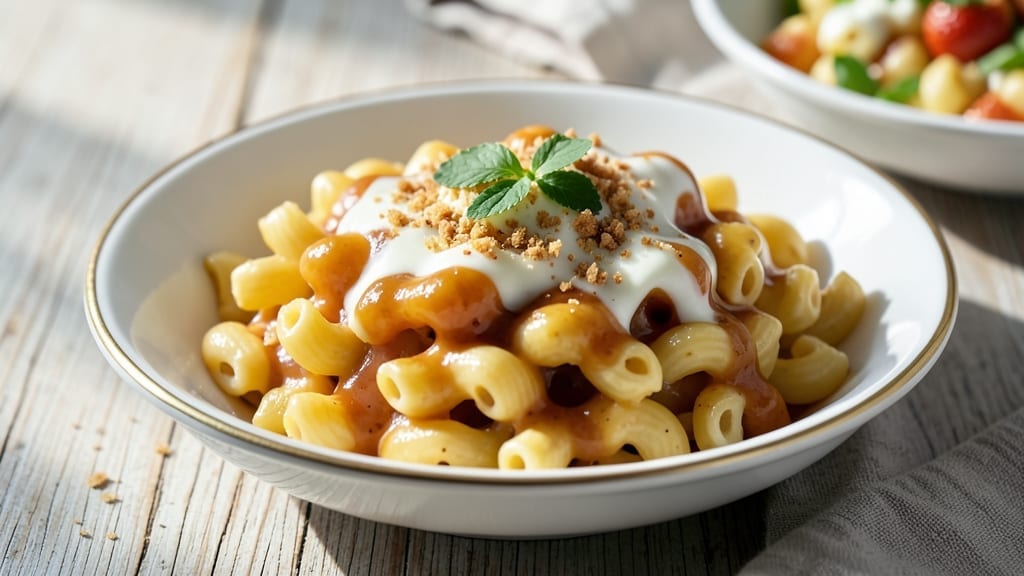
Here’s your 1 serving mac and cheese recipe—creamy, cheesy, and ready in just 15 minutes with zero leftovers or fuss. The secret lies in precise measurements and technique that transforms ordinary ingredients into al dente noodles smothered in stretchy, melty cheese pulls that resist breaking.
This isn’t your childhood boxed version; it’s a carefully balanced dish where every element works in harmony.
What sets this recipe apart is the two-step cooking method: first boiling the pasta until perfectly al dente (never mushy), then finishing it directly in the cheese sauce. This ensures the noodles absorb maximum flavor while maintaining their texture.
The cheese sauce itself is built on a simple roux foundation, but the real magic happens when we incorporate sharp cheddar and cream cheese in the right proportions for that signature pull-and-stretch quality.
By the time you’re done, you’ll have a golden, bubbling bowl of mac and cheese with crispy edges on the noodles and gooey cheese strings that cling to every bite. The sauce is rich enough to satisfy cravings but balanced enough to stand alone as a meal.
This is the kind of single-serving recipe that proves comfort food doesn’t require compromise—just the right technique.
The beauty of this method is its versatility: use it as a side dish, a light main course, or even a late-night snack. The measurements are designed specifically for one serving, eliminating waste while maintaining restaurant-quality results.
Ready to make the most satisfying bowl of mac and cheese you’ve ever eaten, one serving at a time?
Ingredients for 1 serving mac and cheese
Twelve ingredients transform into one perfect bowl of mac and cheese with restaurant-quality texture.
| Ingredient | Amount | Notes |
|---|---|---|
| Elbow Macaroni 🍝 | 2 oz | Dry, medium or short elbow shape |
| Unsalted Butter 🧈 | 2 tbsp | Cold, cut into small cubes |
| All-Purpose Flour 🌾 | 1 ½ tbsp | Sifted, light spooning method |
| Sharp White Cheddar Cheese 🧀 | 1 ½ oz | Shredded, 2+ year aged preferred |
| Cream Cheese 🧈 | 1 oz | Full-fat, room temperature |
| Whole Milk 🥛 | ¼ cup | Warm, not hot |
| Yellow Onion 🧅 | ¼ small | Fine diced, about 2 tbsp |
| Garlic Cloves 🧄 | 1 whole | Minced, about 0.5 tsp |
| Diamond Crystal Kosher Salt 🧂 | ¼ tsp | Fine grain preferred |
| Freshly Ground Black Pepper 🌶️ | ⅛ tsp | Cracked peppercorns preferred |
| Extra-Virgin Olive Oil 🫒 | ½ tsp | For finishing drizzle |
| Nutritional Yeast 🍃 | ½ tsp | Optional, for umami boost |
The cheese selection determines success. Sharp white cheddar is non-negotiable here—it needs to be aged at least 2 years for that signature tang. Kraft or generic brands won’t cut it; look for Cabot or Tillamook in the dairy section. The cream cheese should be full-fat and room temperature when mixed—cold lumps ruin the sauce. For the pasta, De Cecco or Barilla hold up best during the two-step cooking process. Pre-shredded cheese contains anti-caking agents that prevent proper melting, so grate your own using a microplane for maximum stretch.
No sharp cheddar? Pepper jack or Gruyère add complexity, though the texture will differ slightly. Substituting cream cheese with equal parts ricotta and cream cheese lightens the sauce without sacrificing creaminess. The onion and garlic are flavor anchors—red onion adds sweetness, while garlic powder at half strength works in a pinch. For the roux, butter and flour must cook 2-3 minutes to remove raw taste; rushing leads to a floury aftertaste. The milk should be warmed to 160°F before adding to the roux to prevent lumps. Nutritional yeast isn’t essential but adds a cheesy, umami depth that elevates the dish.
Pasta water is your secret weapon—reserve 1/2 cup before draining. The cheese sauce reheats beautifully but loses stretchiness; add a splash of milk when warming to restore creaminess. Store leftovers in an airtight container for 3 days—the sauce thickens as it cools, so reheat with extra milk. For crispy edges, broil for 2-3 minutes before serving. Portion the cheese sauce separately if making ahead; combine only when reheating to maintain texture.
Why You’ll Love This Recipe
- No Meal Left Behind: I make this when I’m cooking for one and don’t want to waste leftovers—or buy takeout. The single serving means I can reheat just what I need without guessing if I’ll finish it.
- Cheese Overload (In a Good Way): Sharp cheddar and cream cheese blend into a sauce that’s rich but not heavy, with that perfect stretch when you pull it off the fork. Honestly, the first bite makes me want to skip dinner and just eat the pan.
- Pantry Staple Power: Between us, this uses stuff I always have: elbow pasta, butter, flour, and cheese. No fancy ingredients, no last-minute grocery runs—just open the cabinet and go.
- Budget-Friendly Luxury: A single serving costs me pennies but feels like a splurge. The cream cheese adds that restaurant-quality creaminess without breaking the bank, and I can stretch it into lunch the next day. Win-win.
Step-by-step instructions for 1 serving mac and cheese
A perfectly balanced single-serving mac and cheese delivers al dente pasta with velvety, stretchy cheese pulls every time.
Cook the Elbow Macaroni to Al Dente Perfection
Bring a small pot of water to a rolling boil and add 2 oz elbow macaroni. Cook over medium-high heat for 8-9 minutes until the pasta is al dente—when you bite into it, there should be a slight resistance in the center. Reserve ½ cup pasta water before draining, as this starchy liquid is essential for creating a silky sauce.
I always use a small pot for single servings to ensure the water heats up quickly and the pasta cooks evenly. Overcooking is the fastest way to ruin this dish—pasta continues cooking as it sits in the sauce, so pull it out just before it’s fully done. Drain the pasta in a colander and set aside, shaking off any excess water.
Create a Rich Roux for the Cheese Sauce
In a 10-inch skillet, melt the 2 tbsp unsalted butter over medium heat until it foams. Add the 1.5 tbsp all-purpose flour all at once and whisk vigorously for 1-2 minutes until the mixture forms a smooth, pale roux with no raw flour taste. This step is crucial—it forms the foundation of your sauce.
Watch the roux carefully. If it darkens to a golden color, you’ve gone too far. The moment it stops bubbling and smells nutty, it’s ready. Immediately add the 0.25 small yellow onion and 1 whole garlic clove (minced) and cook for 30 seconds until fragrant. This builds flavor into the sauce before adding the dairy.
Add Cheeses and Warm Milk for a Silky Sauce
Gradually whisk in the 0.25 cup warm whole milk to the roux, allowing it to absorb completely before adding more. Once fully incorporated, reduce heat to low and stir in the 1.5 oz sharp white cheddar cheese and 1 oz cream cheese until completely melted and smooth. The sauce should begin to thicken as it heats.
Here’s the thing—adding the cheeses gradually prevents clumping. I like to stir constantly for 2-3 minutes until the mixture is velvety and coats the back of a spoon. If the sauce becomes too thick, whisk in 1-2 tablespoons of reserved pasta water to reach your desired consistency. The goal is a sauce that clings to the pasta without being gluey.
Combine Pasta and Sauce for Maximum Stretchiness
Add the drained elbow macaroni to the skillet and toss gently to coat evenly with the cheese sauce. Stir in the 0.25 tsp diamond crystal kosher salt and 0.125 tsp freshly ground black pepper, then add 0.5 tsp extra-virgin olive oil for a subtle finish. The oil enhances the cheese flavor and adds a touch of brightness to balance the richness.
For that signature “cheese pull” effect, I like to transfer the mac and cheese to a small baking dish and broil for 1-2 minutes until the top develops a golden crust. Watch it closely—this is where the magic happens. The broiler creates a crispy top while keeping the interior creamy. If you prefer it without broiling, simply stir in the 0.5 tsp nutritional yeast at the end for an umami boost.
Serve Immediately with Perfect Texture
Remove from heat and let rest for 1 minute before serving. This brief pause allows the sauce to fully coat the pasta and settle into its ideal consistency. The mac and cheese should have a silky, stretchy texture with each bite delivering creamy cheese and al dente pasta.
For an extra touch, drizzle with a tiny amount of extra-virgin olive oil or sprinkle with additional cheese. The beauty of this single-serving recipe is that every element comes together perfectly—no leftovers to worry about, just a satisfying bowl of comfort food tailored just for you.
Pro Tips For Making 1 Serving Mac And Cheese
- Cook pasta al dente: I learned this the hard way—overcooked macaroni turns to mush in the sauce. For one serving, boil 2 ounces elbow macaroni in salted water until it’s just firm to the bite (about 7 minutes). Drain and immediately rinse with cold water to stop cooking—this keeps the texture perfect when mixed with the rich cheese sauce.
- Melt cheese slowly: After burning three batches, I finally figured out: low and slow is the only way. Once your butter-flour roux is golden, remove from heat and let it cool for 30 seconds before adding the shredded cheddar and cream cheese. Stirring over residual heat melts the cheese smoothly without scrambling it.
- Shred cheese evenly: My grandmother swore by this, and she was right: skip the food processor for sharp cheddar—it turns to cheese dust. Use a box grater and shred the cheese yourself, then pick out any large chunks. This ensures every bite has that perfect, gooey texture without clumps.
- Finish with butter: Sounds weird, but it works: stir in a pat of cold butter at the very end. It coats the pasta, making the sauce silky and adding a subtle richness. I was skeptical until I tried it—now I never skip this step, even if I’m in a hurry.
Pro cooking tips for great 1 serving mac and cheese
Roux Perfection
Your roux is the foundation of that velvety sauce, so nail it with these pro tips. Use a light-colored roux—cook the 2 tbsp butter and 1.5 tbsp flour over medium heat for exactly 1-2 minutes until it stops bubbling and smells nutty.
If it darkens, you’ve overcooked it, and the sauce will taste bitter. I like to use a 10-inch skillet for better heat control—it’s my secret for a smooth, lump-free sauce every time. 🌡️
Cheese Melting Mastery
Sharp cheddar and cream cheese need love to melt properly. Shred your own cheese—pre-shredded contains anti-caking agents that prevent that perfect stretch. Add cheeses gradually while stirring constantly over low heat to avoid clumping.
If the sauce thickens too much, whisk in 1-2 tbsp reserved pasta water to restore creaminess. The sauce should coat the back of a spoon like silk. 🧀
Pasta Water Rescue
Never drain your pasta water completely! Reserve ½ cup before draining—this starchy liquid is pure gold for your sauce. It helps emulsify the cheese, creating that signature stretchy, clingy texture. If your sauce looks too thick, add 1 tbsp at a time until it reaches a velvety consistency.
I keep a small pitcher nearby to add as needed while cooking. This is the difference between gluey and glorious mac and cheese. 💫
Broil for Crispy Edges
Want that restaurant-quality finish? Transfer your mac and cheese to a small baking dish and broil for 1-2 minutes until the top turns golden and crispy. Keep a close eye on it—broilers can be aggressive!
This step adds texture contrast that makes every bite exciting. If you’re short on time, skip the broiler and simply stir in ½ tsp nutritional yeast for an umami boost that elevates the dish. 🔥
Salt and Pepper Timing
Seasoning matters—add ¼ tsp kosher salt and ⅛ tsp black pepper after combining the pasta and sauce. This ensures even distribution throughout the dish. I like to use freshly ground black pepper for maximum flavor impact.
Taste as you go and adjust—sometimes the cheese is salty enough that you only need a pinch of salt. Trust your palate over measurements here. 🌶️
One-Minute Rest
This is non-negotiable: let your mac and cheese rest for 1 full minute after cooking. This brief pause allows the sauce to fully coat the pasta and settle into its ideal consistency.
Skipping this step often leads to a runny mess. I promise you, that minute of waiting makes all the difference in the world for texture and flavor harmony. 💡
Nutrition facts
Frequently asked questions
Why does this recipe use elbow macaroni instead of other pasta shapes?
Elbow macaroni is perfect for single-serving mac and cheese because its shape holds sauce beautifully while maintaining structure. The nooks and crannies trap cheese pulls, creating that signature stretchy texture. Other shapes like penne or fettuccine work too, but elbows deliver the most satisfying bite-for-bite consistency in a single serving.
Can I make this recipe without cream cheese?
Yes, but the texture will be different. Replace the 1 oz cream cheese with 1 oz ricotta cheese or an extra 0.5 oz sharp cheddar for a tangier flavor. The cream cheese adds richness and prevents the sauce from becoming too thick—without it, you’ll need to add more milk or pasta water to maintain the silky consistency.
What’s the best way to reheat leftovers?
Reheat leftovers in a small saucepan over low heat, adding 1-2 tablespoons of milk to restore creaminess. Stir constantly to prevent sticking, and cover the pan to trap moisture. For a crispy top, transfer to a baking dish and broil for 1-2 minutes. Never microwave—it makes the sauce rubbery and loses that perfect stretch.
How do I know when my roux is ready?
Your roux is perfect when it stops bubbling, turns a pale golden color, and smells nutty—not burnt. This takes about 1-2 minutes of constant whisking over medium heat. If it darkens, you’ve overcooked it, and the sauce will taste bitter. A properly cooked roux is the secret to a smooth, lump-free cheese sauce.
Can I use powdered milk instead of whole milk?
Not recommended for this recipe. Powdered milk lacks the fat and creaminess needed for that signature stretchy texture. If you’re out of whole milk, warm ¼ cup water and whisk in 1 tbsp powdered milk to mimic the consistency, but expect slightly less richness. For best results, stick with whole milk—it’s worth the trip to the store!

- 5 Lb Eye Round Roast Recipe: Slow-Braised to Melt-in-Mouth Tenderness - November 3, 2026
- 3-Hour Ciabatta Bread Recipe: Crusty Chews and Airy Holes Mastered - November 3, 2026
- 5 Fruit Salad Recipe: Vibrant Rainbow Layers With No Brown Spots - November 3, 2026