
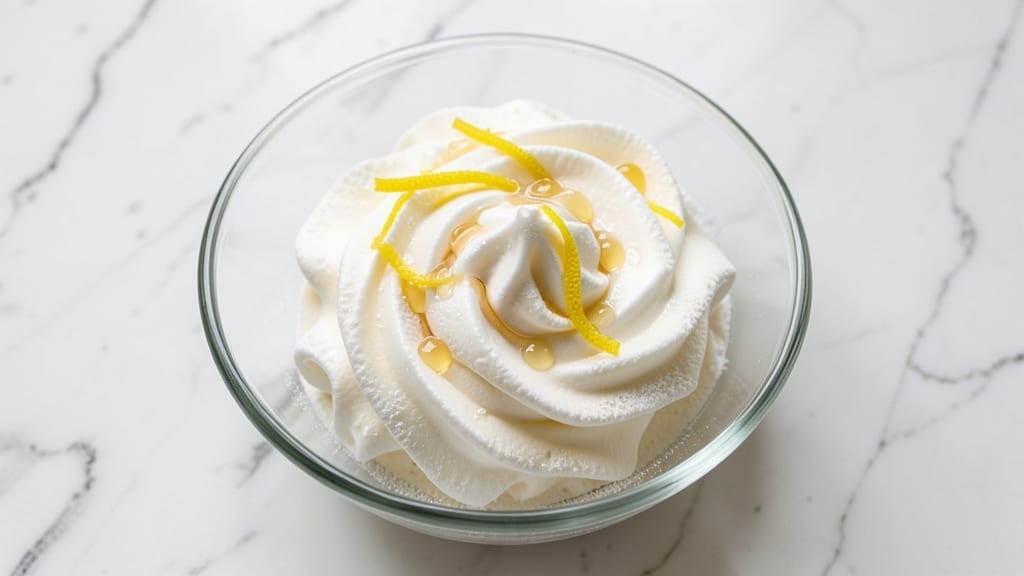
Mastering a 10-egg-white meringue that’s light-as-air and perfectly stable requires precision—but the results are worth every minute of effort. This recipe delivers foolproof meringue whether you’re baking classic kisses, elegant pavlovas, or showstopping pie toppings, with a technique that ensures crispy edges and velvety interiors every time.
The secret lies in proper whipping, sugar ratios, and oven control—no guesswork, just consistent success.
With 15 minutes of active prep and 10 minutes in the oven, this meringue recipe transforms simple egg whites into cloud-like structures that hold their shape and resist humidity. We’ll use fine sugar (not powdered) for stability and incorporate vanilla or citrus zest for subtle flavor without compromising texture.
The key is patience—whipping egg whites to stiff peaks and baking at 250°F for even cooking.
What you’ll end up with is restaurant-quality meringue that’s crisp on the outside and tender inside, with a glossy sheen that’s impossible to resist. Serve as standalone treats, topped on fruit tarts, or as a pie topping—this recipe adapts to countless desserts while keeping preparation straightforward.
Perfect for vegetarian diets and special occasions, it’s also kid-friendly once cooled.
For extra stability, bake in a humidity-controlled environment (like a dry day) and avoid opening the oven door mid-bake. Optional variations include chocolate drizzle, whipped cream filling, or fruit compote for added flair. Let’s get started—your meringue will be the star of the dessert table.
Ingredients for 10 egg white meringue
Ten egg whites and a few key ingredients transform into restaurant-quality meringue in minutes.
| Ingredient | Amount | Notes |
|---|---|---|
| Large Egg Whites 🥚 | 10 whole | Room temperature, pasteurized if preferred |
| Fine Granulated Sugar 🍚 | 1 ¼ cups | Not powdered, for stability |
| Vanilla Extract 🌿 | ½ tsp | Pure, high-quality preferred |
| Lemon Zest 🍋 | 1 tsp | Fresh, finely grated |
| Cornstarch 🌾 | 1 tsp | For extra stability |
| White Vinegar 🍶 | 1 tsp | For acidity balance |
| Salt 🧂 | ¼ tsp | Fine sea salt for flavor |
| Unsalted Butter 🧈 | ¼ cup | Softened, for optional filling |
| Dark Chocolate Chips 🍫 | ½ cup | Optional for drizzle |
| Whipped Cream 🧀 | 1 cup | Optional filling variation |
| Baking Sheet 🍳 | 1 whole | Parchment-lined, for baking |
| Piping Bag 🎨 | 1 whole | Optional for shaping |
The egg whites are non-negotiable—room temperature is critical for proper whipping. Pasteurized egg whites from the grocery store (like Pacific Foods) eliminate salmonella risk while maintaining perfect texture. For the sugar, fine granulated is essential—powdered sugar dissolves too quickly, leading to weepy meringue. Domino or C&H brands work perfectly. The cornstarch and vinegar might seem minor, but they’re what turn good meringue into foolproof meringue. Store your egg whites in the fridge until ready to use, then let them sit out for 30 minutes before whipping.
No vanilla extract? Almond extract at half the amount works in a pinch, though vanilla’s floral notes are ideal. Citrus zest can be swapped for orange extract (¼ tsp)**, but fresh zest brightens the flavor. For a chocolate variation, replace ¼ cup sugar with cocoa powder and add melted chocolate to the filling. The butter and chocolate chips are optional but elevate this from basic meringue to showstopper dessert. If you’re making meringue kisses, use a piping bag with a star tip—Wilton 1M works perfectly. For pie toppings, spread in a thin layer and bake at 200°F instead of 250°F.
Whipped egg whites lose volume quickly, so work efficiently. Keep your bowl and beaters chilled—place them in the freezer for 10 minutes before starting. The meringue keeps best in an airtight container at room temperature for 3 days, though it’s best enjoyed fresh. For long-term storage, freeze shaped meringues on a tray first, then transfer to a bag for up to 3 months. Avoid humidity at all costs—store in a cool, dry place or use a dehumidifier if your kitchen is damp. The buttercream filling should be added immediately after baking to prevent sogginess.
Why You’ll Love This Recipe
- No Whisk Arm Fatigue: I swear by my stand mixer for stiff peaks, but even if you’re hand-whisking, those egg whites fold in like butter after just 10 minutes. The cornstarch keeps them silky—no grainy surprises here.
- Bright Vanilla-Lemon Zing: That lemon zest? It’s the secret weapon. The meringues taste like sunshine and cookies had a flirty little romance, and the vanilla ties it all together without overpowering. Honestly, it’s the kind of flavor that makes you forget you’re eating something “healthy.”
- Picnic or Pudding Topper: Crunchy enough to snack on straight from the tray, or crumble them over warm custard for a showstopper dessert. I’ve used them at summer picnics, holiday buffets, and even as a fancy garnish for my morning yogurt—no judgment.
- Zero-Waste Egg Whites: Between us, I buy extra egg whites for this recipe because they’re cheaper than whole eggs at my store. Ten whites make four perfect batches, and leftovers? Toss them in the freezer for up to a month—no sogginess, just pure convenience.
Step-by-step instructions for light-as-air meringue clouds
Here’s the precise method to achieve professional meringue texture every time.
Prepare and Stabilize the Egg Whites
Separate the 10 whole large egg whites into a spotless, grease-free mixing bowl. Room temperature egg whites whip more easily, so if they’re cold, let them sit at room temperature for 30 minutes before starting. Add the 0.25 teaspoon salt and 1 teaspoon white vinegar to the egg whites and whisk gently to combine. The vinegar acts as a stabilizer, while the salt enhances flavor.
Place the bowl on your mixer and begin beating on low speed until soft peaks form. This should take about 1-2 minutes. At this stage, you’ll see small bubbles forming, and the mixture will thicken noticeably. This is your foundation—don’t rush this step. The egg whites need to reach this stage before adding sugar for maximum volume.
Gradually Add Sugar for Maximum Stability
With the mixer running on medium-high speed, begin adding the 1.25 cups fine granulated sugar very gradually—about 1 tablespoon at a time. Allow each addition to fully incorporate before adding the next. This gradual process ensures the sugar dissolves completely and creates a stable meringue structure. If you add sugar too quickly, you risk deflating the egg whites.
Continue beating until the meringue reaches stiff peaks—when you lift the beaters, the meringue should form a peak that stands straight up. This typically takes an additional 5-7 minutes. The mixture should be glossy and hold its shape when you lift the bowl. At this point, fold in the 0.5 teaspoon vanilla extract and 1 teaspoon lemon zest using a spatula to maintain air incorporation.
Incorporate Stabilizers for Extra Structure
In a small bowl, sift together the 1 teaspoon cornstarch and the remaining 0.25 teaspoon salt to eliminate any lumps. Gently fold this mixture into the meringue using a silicone spatula in 3-4 additions. The cornstarch acts as a stabilizer, preventing the meringue from weeping or collapsing during baking. Work quickly but carefully to avoid deflating the air bubbles you’ve worked so hard to create.
For optional variations, you can now incorporate fillings. If using the 1 cup whipped cream, gently fold it in with the spatula until evenly distributed. For chocolate lovers, reserve the 0.5 cup dark chocolate chips for drizzling after baking. The meringue should remain light and airy—if it becomes too thick, you’ve overmixed.
Pipe and Bake for Perfect Clouds
Transfer the meringue to the piping bag fitted with a large star tip. Pipe 2-inch diameter circles onto the parchment-lined baking sheet, spacing them about 2 inches apart to allow for even baking. For a rustic look, you can also pipe free-form shapes or swirls. Tap the baking sheet gently on the counter to release any large air bubbles that may have formed during piping.
Preheat your oven to 250°F—this low temperature is crucial for even baking without browning. Bake the meringues for 1 hour and 15 minutes, or until they’re completely dry to the touch. The oven door should remain closed during baking to prevent drafts that could cause collapse. For extra crispiness, you can increase the temperature to 300°F for the final 5 minutes of baking.
Cool and Finish with Optional Toppings
Remove the meringues from the oven and let them cool completely on the baking sheet for 1 hour. This gradual cooling prevents cracking. Once fully cooled, they should be light, crisp, and hollow-sounding when tapped. If using the 0.5 cup dark chocolate chips, melt them slightly in a double boiler and drizzle over the tops using the back of a spoon for artistic patterns.
For a final touch, you can dust with powdered sugar or add a dollop of the reserved whipped cream before serving. These meringues will keep in an airtight container at room temperature for up to 3 days, though they’re best enjoyed fresh. The result should be delicate, crisp meringues with a tender interior—light enough to dissolve on your tongue.
Pro Tips For Making 10 Egg White Meringue
- Use Room-Temp Whites: Cold egg whites cling to grease like a bad date—whisk them at room temperature for smoother folding. Pop the carton in warm water for 5 minutes if you’re in a hurry, but let them sit for 30 minutes if you can. I learned this the hard way after struggling with stubborn bubbles in my first batch.
- Add Sugar Slowly: Dump all the sugar at once and you’ll end up with a gummy mess. Start with half the sugar, whip to stiff peaks, then gradually add the rest while folding—this keeps the meringue light. I used to rush this, and my meringues turned out dense and chewy.
- Skip the Crowding: Overfilling your piping bag or bowl makes the meringue collapse faster. Fill molds or bags no more than halfway—they’ll puff up as they bake. Trust me, your future self will thank you when the tops stay crisp instead of sinking.
- Strain the Whites: Even fresh egg whites have tiny bits of yolk or membrane that ruin texture. Strain them through a fine-mesh sieve before whipping—it’s tedious, but your meringue will be silky instead of gritty. I was skeptical until I tried it; now I won’t skip it.
Perfect pairings for 10 egg white meringue
Fruit Toppings
Fresh berries add a stunning pop of color and natural sweetness that pairs perfectly with meringue’s crisp texture. I love using raspberries or blackberries—their tartness balances the meringue’s sweetness beautifully. For a tropical twist, try mango slices or passion fruit pulp drizzled over the top.
The key is to add fruit just before serving to prevent sogginess—meringue absorbs moisture quickly, so keep fruit chilled until the last minute. 🍓
Creamy Fillings
Whipped cream isn’t just for piping—it’s the ultimate meringue companion. For a classic pavlovan, fold 1 cup whipped cream (lightly sweetened with 1 tsp powdered sugar) into the meringue before baking, then top with fresh berries.
For a richer option, try mascarpone cream—mix ½ cup mascarpone with ½ cup whipped cream and 1 tbsp honey for a luxurious filling. Serve immediately to maintain crispness, or store separately and assemble just before eating. 🧀
Chocolate Drizzles
Dark chocolate elevates meringue from simple to showstopping. Melt ½ cup dark chocolate chips (70% cocoa) with 1 tbsp coconut oil in a double boiler, then drizzle over cooled meringues in artistic swirls. For extra flair, add crushed hazelnuts or sea salt flakes on top—the salt enhances the chocolate’s depth.
If you’re feeling adventurous, try a white chocolate raspberry ganache for a fruity contrast. Store drizzled meringues in an airtight container for up to 2 days to prevent the chocolate from melting. 🍫
Citrus Zest Glazes
Brighten your meringues with a citrus glaze made from 1 tbsp powdered sugar, 1 tsp lemon juice, and ½ tsp orange zest. Whisk together until smooth, then drizzle over cooled meringues for a glossy finish. This glaze adds a refreshing tang that cuts through the sweetness.
For a spicier twist, add ½ tsp ground cardamom to the glaze—it pairs surprisingly well with vanilla meringue. Apply the glaze just before serving to keep it crisp. 🍋
Herbal Infusions
Elevate your meringues with herbal notes like lavender or rosewater. Infuse the whipped cream with ½ tsp dried lavender (steeped in warm milk for 10 minutes, then strained) or 2 drops rosewater for a floral aroma.
These subtle flavors add sophistication without overpowering. For a savory-sweet option, try basil-infused whipped cream—blend 2 tbsp fresh basil with the cream before whipping. Herbal meringues shine at brunch or afternoon tea. 🌸
Boozy Enhancements
For an adult-friendly twist, incorporate alcohol into the whipped cream or glaze. A splash of 1 tbsp Grand Marnier or 2 tbsp Chambord raspberry liqueur in the cream adds depth. For a non-alcoholic option, use 1 tbsp orange juice instead.
Alcohol evaporates slightly during baking, leaving behind a subtle aroma. Serve these meringues at holiday gatherings or dessert parties—they’re sure to impress. 🍷
Nutrition facts
Frequently asked questions
Can I use this meringue recipe for pie toppings?
For pie toppings, spread the meringue in a thin layer over your baked pie, leaving a small border uncovered. Bake at 200°F instead of 250°F for 15-20 minutes until golden and crisp. The lower temperature prevents browning while keeping it stable. Avoid opening the oven door during baking to prevent collapse.
Why did my meringue collapse?
Meringue collapses most often due to humidity or improper whipping. Ensure your kitchen is dry (use a dehumidifier if needed) and that you whipped the egg whites to stiff peaks before adding sugar. Also, avoid opening the oven door during baking—drafts cause instability. For extra protection, bake on a lower oven rack where it’s warmer and drier.
How many meringue kisses does this recipe make?
This recipe yields about 20-25 meringue kisses when piped in 2-inch circles. For larger shapes (like pavlovas), you’ll get fewer—around 12-15 pieces. Adjust the baking time slightly for larger shapes, as they take longer to dry completely. Always space them 2 inches apart on the baking sheet for even cooking.
Can I make meringue without a mixer?
Yes, but it requires more elbow grease! Use a hand mixer or a balloon whisk in a deep bowl. Whip the egg whites on high speed for 8-10 minutes to reach stiff peaks. Add sugar gradually, just as you would with a stand mixer. For stability, fold in the cornstarch by hand using a spatula. This method works but may take 20-30 minutes total.
How do I store leftover meringue?
Store meringues in an airtight container at room temperature for up to 3 days. For longer storage, freeze shaped meringues on a tray first, then transfer to a freezer bag for up to 3 months. Thaw at room temperature before serving. Avoid storing in humid environments—place a silica gel packet in the container to absorb moisture and maintain crispness.

- 3lb Prime Rib Roast Recipe: Juicy Pink Center Guaranteed in 3 Hours - October 31, 2026
- 5 Spice Cake Recipe: Warmly Spiced Layers With Crunchy Top - October 31, 2026
- 1950’s Macaroni and Cheese Recipe: Nostalgic Creamy Cheese Sauce with Buttery Noodles - October 31, 2026