
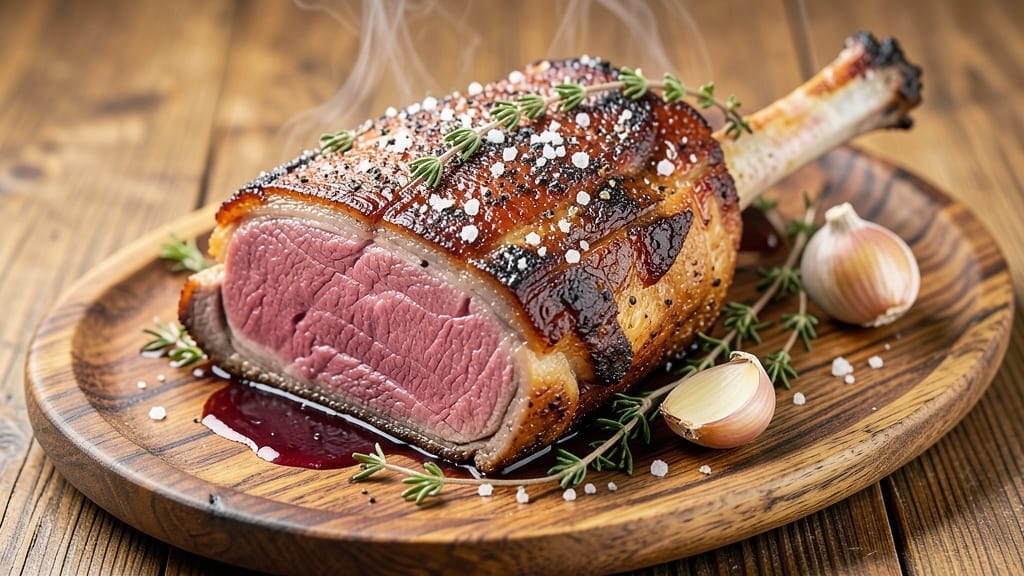
A 10 lb bone-in ribeye roast recipe transforms a simple dinner into a showstopping centerpiece when slow-braised to juicy perfection with a caramelized crust. This recipe delivers restaurant-quality results at home, where tender beef meets rich, flavorful gravy in one dish.
The secret lies in precise timing and temperature control—no guesswork, just guaranteed success.
Unlike quick-cooked steaks, this method relies on low-and-slow braising to break down connective tissue, resulting in melt-in-your-mouth texture while the bone renders flavor into the pan. You’ll start with a dry brine overnight, ensuring maximum moisture retention, and finish with a high-heat sear for that coveted crust.
Every step is designed to handle a large roast safely and efficiently.
The final result is a juicy, deeply flavorful roast with a glossy, caramelized exterior that holds up beautifully for slicing. The accompanying red wine gravy ties everything together, adding richness and depth to each bite. This isn’t just dinner—it’s an experience worth planning ahead for.
Pair with roasted root vegetables, creamy mashed potatoes, or a fresh green salad to complete the meal. The leftovers reheat perfectly, making this the ultimate crowd-pleaser for holidays or special occasions. Let’s get started on creating your centerpiece roast.
Ingredients for 10 lb bone in ribeye roast
Precision-crafted ingredients for a restaurant-worthy roast that delivers melt-in-your-mouth tenderness and caramelized perfection.
| Ingredient | Amount | Notes |
|---|---|---|
| Bone-In Ribeye Roast 🥩 | 10 lb | Center-cut, bone-in preferred |
| Kosher Salt 🧂 | ½ cup | Diamond Crystal preferred |
| Freshly Ground Black Pepper 🌶️ | ¼ cup | Coarse grind for texture |
| Dried Thyme 🌿 | 2 tbsp | Or 1 tbsp fresh thyme leaves |
| Dried Rosemary 🌿 | 1 tbsp | Finely chopped for even distribution |
| Garlic Cloves 🧄 | 12 whole | Smash flat before using |
| Yellow Onion 🧅 | 1 whole | Cut into 1-inch chunks |
| Carrots 🥕 | 4 whole | Cut into 2-inch pieces |
| Celery Stalks 🥬 | 4 whole | Cut into 2-inch pieces |
| Dry Red Wine 🍷 | 2 cups | Bold variety like Cabernet Sauvignon |
| Beef Broth 💧 | 4 cups | Low-sodium preferred |
| Unsalted Butter 🧈 | ½ cup | Cold, cut into 1-inch cubes |
| All-Purpose Flour 🌾 | ½ cup | For gravy thickening |
| Fresh Parsley 🌿 | ¼ cup | Chopped, for garnish |
The bone-in ribeye roast is non-negotiable for this recipe—center-cut with good marbling ensures maximum flavor and tenderness. Source from a reputable butcher or high-end grocery store like Whole Foods or Wegmans, where they can cut it to your exact specifications. Look for a piece with a thick fat cap (at least 1/4-inch) and even distribution of marbling throughout the meat. If buying frozen, thaw overnight in the fridge—never at room temperature. The bone helps render flavor into the pan, creating a rich base for the gravy. For a crowd of 12, this 10 lb roast provides generous 12-ounce portions, perfect for special occasions.
No dry thyme? Fresh thyme works at double the amount, but the dried version is more convenient for large batches. The garlic and onion can be pre-minced to save time, though smashing the garlic cloves with the flat side of your knife releases more flavor. Substituting wine? Beef broth with a splash of balsamic vinegar works in a pinch, though the acidity won’t caramelize as beautifully. For the butter, use unsalted—you’re controlling the seasoning here. The flour should be all-purpose, not cake flour, as it has the right protein structure for gravy thickening. If you’re short on carrots or celery, swap for mushrooms or fennel—they add depth without overpowering the beef.
The roast and aromatics can be prepped a day ahead and refrigerated—bring to room temperature before cooking. Store the dry brine mixture (salt, pepper, thyme, rosemary) in an airtight container for up to 3 days before using. Once cooked, the roast reheats best low and slow in the oven (275°F) with a splash of broth to prevent drying. The gravy can be made ahead and reheated on the stovetop, adding a splash of water or broth as needed. Portion leftovers into individual containers for easy reheating—this roast tastes even better the second day as flavors meld further.
Why You’ll Love This Recipe
- One-Pan Magic: I swear by this—just salt, pepper, and herbs on a hunk of ribeye, then let the oven do the work. No flipping, no fussing, no extra pans to wash.
- Deep Flavor Payoff: That bone-in magic? It renders down into rich, buttery goodness while the crust stays perfect. The thyme and rosemary? Earthy, warm, and impossible to resist.
- Weekend Feast or Weeknight Win: Too big for Tuesday? Freeze half. Hosting a crowd? It’s your secret weapon. One roast, endless possibilities—sliced for sandwiches, cubed for hash, or served whole for showstoppers.
- Leftovers That Don’t Suck: Honestly, the second day is even better. Shred it into tacos, toss it in pasta, or reheat slices until crispy. No sad, dry meat—just pure, satisfying leftovers.
Step-by-step instructions for slow-braised bone-in ribeye roast
Mastering this technique transforms tough cuts into melt-in-your-mouth perfection.
Prepare the Roast and Seasoning
Begin by patting the 10 lb bone-in ribeye roast completely dry with paper towels—this is critical for developing that signature caramelized crust. I like to use two layers of towels to ensure no moisture remains, especially in the crevices around the bone.
In a small bowl, combine the 0.5 cup kosher salt, 0.25 cup freshly ground black pepper, 2 tbsp dried thyme, and 1 tbsp dried rosemary. Rub this mixture all over the roast, pressing firmly so the spices adhere. Let it sit uncovered in the refrigerator for at least 4 hours or overnight—this dry-brining step ensures maximum flavor penetration and proper moisture control during the long cook.
Sear the Roast for Depth of Flavor
Preheat your oven to 325°F. Heat a large Dutch oven over medium-high heat and add 0.5 cup unsalted butter cut into cubes. Once the butter foams, add the seasoned roast fat-side down and sear for 8-10 minutes until deeply browned on all sides. This step creates the Maillard reaction that forms complex flavors.
While searing, smash the 12 whole garlic cloves flat with the side of a knife, cut the 1 whole yellow onion into 1-inch chunks, and cut the 4 whole carrots and 4 whole celery stalks into 2-inch pieces. Add these vegetables to the Dutch oven along with the seared roast. Pour in 2 cups dry red wine and scrape up all the browned bits from the bottom—this deglazing captures all the flavor.
Slow-Braise Until Fork-Tender
Cover the Dutch oven tightly and transfer it to the preheated 325°F oven. Braise for 3-4 hours until the meat is fork-tender and the internal temperature reaches 200-205°F—this low-and-slow method breaks down connective tissue while keeping the meat incredibly juicy.
About 1 hour into cooking, add 4 cups beef broth to the pot. This extra liquid prevents the vegetables from drying out and adds depth to the braising liquid. Check the liquid level occasionally and add more broth if needed—you want enough to partially submerge the roast and vegetables.
Create the Rich Gravy
Once the roast reaches the proper internal temperature, carefully remove it from the pot and place it on a cutting board. Tent loosely with foil to keep warm. Skim any excess fat from the braising liquid, then place the Dutch oven back on the stovetop over medium heat. Whisk in 0.5 cup all-purpose flour to create a roux, cooking for 2-3 minutes until thickened.
Gradually whisk in 1 cup of the braising liquid, then return the roast to the pot. Simmer for 10 minutes to allow the flavors to meld. The result should be a velvety gravy that coats the meat beautifully. Garnish with 0.25 cup chopped fresh parsley just before serving for a pop of color and freshness.
Rest and Slice for Maximum Juiciness
Transfer the roast to a cutting board and let it rest for 20-30 minutes before slicing. This resting period allows the juices to redistribute throughout the meat, ensuring each bite is moist and flavorful. The bone will continue to render fat during this time, creating an additional basting sauce.
Slice the roast against the grain into ½-inch thick portions. Serve immediately with the rich gravy spooned over the top. The result should be tender, juicy meat with a deep, caramelized crust and a sauce that clings beautifully to each slice. This method delivers restaurant-quality results in your own kitchen.
Pro Tips For Making 10 Lb Bone In Ribeye Roast
- Sear the Outside First: I learned this the hard way—skipping the sear means a bland crust. Hit that 10-pounder with a screaming-hot cast-iron or Dutch oven for 3-4 minutes per side before adding thyme and rosemary. The Maillard reaction kicks in fast, and that’s when the flavor magic happens. (Yes, even if you’re impatient like me.)
- Salt Like It’s 1920: Don’t hold back with kosher salt—this isn’t a delicate fillet. Generously coat the ribeye 24 hours ahead (or at least 4 hours) so the salt penetrates deep. After searing, add another layer—about 1 tablespoon per pound—while it’s still warm. Trust me, your future self will slice into a juicier, more flavorful roast.
- Avoid the Crowd Rush: That bone-in roast needs space to breathe during searing. If your pan’s too crowded, you’ll steam the meat instead of browning it. Work in batches if needed, and resist the urge to flip too soon—let the bottom develop a deep crust first. (Your pan will thank you too.)
- Use a Meat Thermometer: Guessing medium-rare on a 10-pound roast is a recipe for disaster. For perfect doneness, pull it at 120°F for rare, 125°F for medium-rare—then rest it 15-20 minutes under foil. The internal temp will rise another 5-10 degrees while it rests. (I used to cut into it early, and the juices always ran away.)
Perfect pairings for these flavors
Classic Comfort Sides
Creamy garlic mashed potatoes take center stage as the perfect partner for this roast. Use 4 lbs Yukon Gold potatoes, boiled until tender, then mashed with ½ cup unsalted butter, ½ cup whole milk, ½ cup heavy cream, and 4 minced garlic cloves.
Season with 1 tsp kosher salt and ½ tsp white pepper for a velvety texture that soaks up the rich gravy beautifully. 🥔
For a touch of freshness, serve with roasted root vegetables—toss 2 lbs baby carrots, 2 lbs baby potatoes, and 1 lb parsnips with 2 tbsp olive oil, 1 tsp dried thyme, and ½ tsp smoked paprika.
Roast at 400°F for 35 minutes until caramelized. The earthy sweetness contrasts the beef’s richness perfectly.
Wine Pairings
A bold Cabernet Sauvignon from Napa Valley (like Opus One or Caymus) mirrors the roast’s depth and tannins. The wine’s dark fruit and oak notes complement the caramelized crust and red wine gravy. For a budget-friendly option, try Louis Martini Cabernet Sauvignon—it’s reliable and affordable. 🍷
If you prefer red blends, a Syrah-Shiraz (like Penfolds Bin 389) adds spice and peppery notes that cut through the beef’s richness. Serve slightly chilled to enhance its aromatic qualities and balance the meal’s heartiness.
Beer Pairings
A dark ale or stout works surprisingly well with this rich dish. Try Guinness or Samuel Adams Black Lager—their roasted malt flavors and slight bitterness cleanse the palate between bites. The carbonation also helps cut through the gravy’s richness. 🍺
For a lighter option, a malty amber ale (like Fat Tire) bridges the gap between the beef and sides. The caramel and biscuit notes in the beer harmonize with the roast’s caramelized crust and the sweetness of roasted vegetables.
Garnish & Finishing Touches
Add a sprinkle of toasted breadcrumbs to the gravy just before serving for extra texture. Toast ½ cup panko in a dry skillet over medium heat for 2-3 minutes until golden, then stir into the gravy. This adds a subtle crunch that elevates the dish. 🌾
For a pop of color, garnish each plate with microgreens or chopped chives. Their freshness contrasts the richness of the roast and gravy, making the presentation as impressive as the flavors. A final drizzle of truffle oil (just ½ tsp) adds a luxurious touch for special occasions.
Nutrition facts
Frequently asked questions
How long should I let a 10 lb bone-in ribeye roast rest before carving?
Always let the roast rest for 20-30 minutes after removing it from the oven. This crucial step allows the juices to redistribute throughout the meat, preventing them from running out when sliced. The bone will continue rendering fat during this time, creating an extra basting sauce for even more flavor.
Can I substitute red wine in this recipe?
Yes, but the flavor will differ. For a non-alcoholic version, use 2 cups beef broth with 1 tbsp balsamic vinegar or red wine vinegar. If you prefer beer, try 2 cups dark ale like Guinness—it adds malt sweetness that complements the beef beautifully. The acidity helps tenderize the meat, though red wine’s depth can’t be fully replicated.
What’s the best way to reheat leftover ribeye roast?
Slice the roast and reheat in a skillet over medium-low heat with a splash of beef broth or gravy to keep it moist. For oven reheating, wrap slices in foil with 1 tsp butter and bake at 300°F for 15-20 minutes. Microwaving works in a pinch, but it can make the meat rubbery—always cover with a damp paper towel. The gravy reheats perfectly on the stovetop, adding a few drops of water if needed.
Why does the recipe call for such a low oven temperature?
The 325°F temperature is key for breaking down connective tissue while keeping the meat incredibly tender. Bone-in roasts benefit from this slow cook because the bone renders fat that baste the meat internally. Cooking too fast would dry out the center before the exterior browns. This method ensures a perfectly cooked roast with a caramelized crust that forms during the final sear.
How do I know when the roast is done?
Use a meat thermometer to check the internal temperature—it should reach 200-205°F for bone-in beef. The meat will be fork-tender at this point, with a slight give when pressed. For a more precise gauge, cut into the thickest part: the juices should run clear, not pink or bloody. The bone should feel warm but not scorching to the touch.

- 5 Lb Eye Round Roast Recipe: Slow-Braised to Melt-in-Mouth Tenderness - November 3, 2026
- 3-Hour Ciabatta Bread Recipe: Crusty Chews and Airy Holes Mastered - November 3, 2026
- 5 Fruit Salad Recipe: Vibrant Rainbow Layers With No Brown Spots - November 3, 2026