
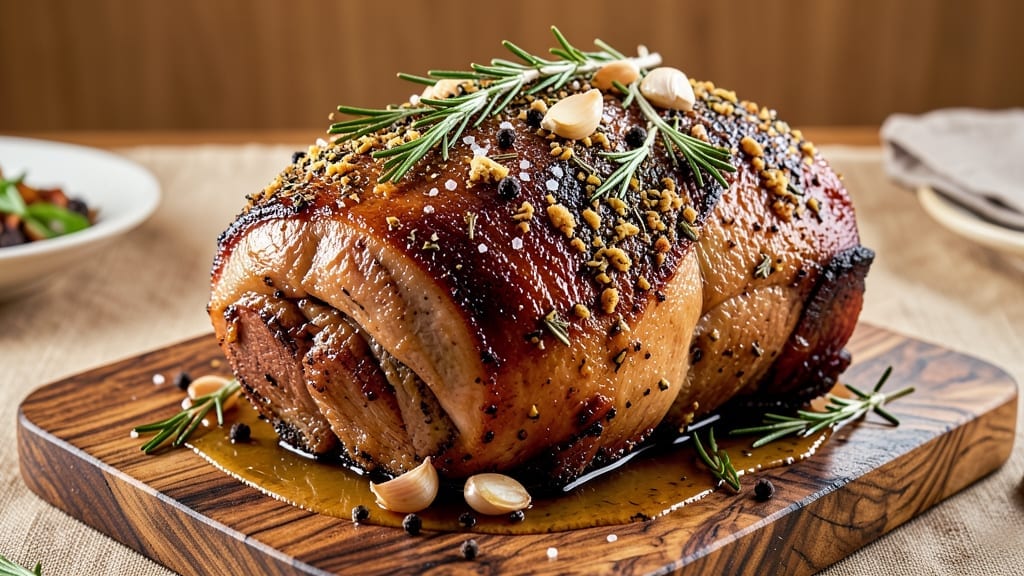
A 12 lb standing rib roast transforms any gathering into a showstopping centerpiece—juicy pink centers, caramelized crusts, and layers of herbaceous flavor that impress even the most discerning guests.
The secret lies in a dry-brine technique that ensures moisture retention while building an aromatic crust, followed by precise roasting at high heat to lock in tenderness. This isn’t just a cut of beef; it’s a culinary event that demands respect but rewards with effortless perfection.
The process begins with a herb-crust blend of rosemary, thyme, and garlic, rubbed into the roast 12 hours ahead to let the flavors penetrate deeply. A low-and-slow start at 275°F ensures even cooking, while a final sear at 450°F creates that coveted crust.
For a 12 lb roast, plan 20-25 minutes per pound—but never rush the resting period (at least 45 minutes), as this is where the magic happens. Every slice should glide off the bone, revealing a juicy pink center that’s tender yet still rich with flavor.
What you’ll achieve is a restaurant-quality roast that’s crisp on the outside, velvety within, and infused with aromatic herbs. The crust crackles with every bite, while the meat melts like butter—proof that a standing rib roast doesn’t require a butcher’s skill, just patience and precision.
Serve with a red wine reduction or roasted root vegetables to elevate the experience further.
This recipe scales beautifully for large groups, making it ideal for holidays or celebrations where presentation matters as much as taste. The key to success? Trust the process—no peeking at the oven, no rushing the rest, and absolutely no skimping on the herb crust.
The result will be worth every minute of wait time.
Ingredients for 12 lb standing rib roast
Twelve pounds of beef meets aromatic herbs and precise technique for a showstopping centerpiece.
| Ingredient | Amount | Notes |
|---|---|---|
| Standing Rib Roast 🥩 | 12 lb | Bone-in, center-cut for even cooking |
| Fresh Rosemary 🌿 | ½ cup | Finely chopped, stems removed |
| Fresh Thyme 🌿 | ¼ cup | Leaves only, stems discarded |
| Garlic Cloves 🧄 | 12 cloves | Peeled, smashed for intense flavor |
| Kosher Salt 🧂 | 2 tbsp | Diamond Crystal preferred |
| Freshly Ground Black Pepper 🌶️ | 1 ½ tbsp | Coarsely cracked |
| Extra-Virgin Olive Oil 🫒 | ¼ cup | For herb crust application |
| Dry White Wine 🍷 | 1 cup | Sauvignon Blanc recommended |
| Beef Tallow or Duck Fat 🧈 | ½ cup | For final crust sear |
| Yellow Onion 🧅 | 1 whole | Thinly sliced for pan juices |
| Fresh Parsley 🌿 | ¼ cup | Chopped for garnish |
| Red Wine Reduction 🍷 | 1 ½ cups | Store-bought or homemade |
| Freshly Squeezed Lemon Juice 🍋 | 2 tbsp | Brightens final presentation |
The standing rib roast is the star—bone-in and center-cut ensures even cooking and maximum flavor. Source from a reputable butcher or high-end grocer like Whole Foods or D’Artagnan for prime quality. Look for rich marbling and a deep red color; avoid pale or overly lean cuts. The roast should be dry-brined for 12 hours prior, which means no pre-washing—the natural enzymes will tenderize the meat. For large gatherings, consider ordering 24 hours ahead to ensure freshness. The herb crust blend of rosemary, thyme, and garlic should be finely chopped—use a food processor for even distribution.
No fresh rosemary? Dried rosemary at one-third the amount works, but the flavor won’t be as vibrant. Substitute white wine with beef broth if needed, though the acidity enhances the crust. For the olive oil, use high-quality extra-virgin—cheap oil will burn and create bitterness. If you’re short on time, pre-mix the herb crust and store it in the fridge for up to 3 days. The red wine reduction can be store-bought (like Bertolli) or homemade—simmer 1 cup red wine and 1 cup beef stock until reduced by half. The lemon juice is optional but adds a bright contrast to the rich meat.
The roast keeps best at room temperature for up to 2 hours before cooking, but never exceed 90°F to avoid bacterial growth. After roasting, rest for at least 45 minutes—this is non-negotiable for juicy slices. Leftovers reheat beautifully; wrap tightly in foil and reheat in a 350°F oven for 20-30 minutes. For long-term storage, portion into vacuum-sealed bags and freeze for up to 3 months. Garnish with fresh parsley just before serving to maintain color and aroma. The red wine reduction can be made ahead and reheated gently before drizzling.
Why You’ll Love This Recipe
- Foolproof Prep: I swear by this method—just rub the roast with garlic, rosemary, thyme, and salt, then let the oven do the work. No basting, no fuss, no second-guessing.
- Herb-Crusted Magic: That rosemary-thyme crust? It’s the secret weapon—sticks to the meat like a glove and turns every bite into a flavor explosion. (My husband steals slices before they even hit the plate.)
- Leftovers That Shine: The best part? The roast keeps its juicy perfection for days. Slice it thin for sandwiches, dice it for hash, or just reheat with a splash of broth—it’s always a crowd-pleaser.
- Weekend-Worthy, Budget-Smart: A 12-pound roast feeds a crowd without breaking the bank, and the leftovers stretch across lunches like a dream. Honestly, it’s the kind of meal that makes you look like a hero.
Step-by-step instructions for 12 lb standing rib roast
Master this herb-crusted technique for a roast with perfect pink centers and deeply flavorful crust.
Prepare the Herb Crust Mixture
In a food processor, pulse the 0.5 cup fresh rosemary, 0.25 cup fresh thyme, 12 cloves garlic, 2 tablespoons kosher salt, and 1.5 tablespoons freshly ground black pepper until finely chopped but not pasty. With the motor running, slowly add the 0.25 cup extra-virgin olive oil until the mixture forms a coarse paste. This should take about 30 seconds—you’re aiming for a texture that will cling to the roast without being too wet.
Transfer the herb mixture to a bowl and let it sit at room temperature while you prepare the roast. The flavors will meld slightly, creating a more cohesive crust. I like to press the mixture between my fingers to ensure even distribution when we apply it later. This step ensures every bite of the crust delivers maximum herb impact without overwhelming the beef’s natural flavor.
Season and Sear the Roast
Preheat your oven to 325°F and position a rack in the lower third. Pat the 12 lb standing rib roast completely dry with paper towels—this is critical for developing that deep, caramelized crust. Using your hands, press the herb mixture firmly over the entire surface of the roast, including the fat cap. The mixture should adhere well; if it’s too dry, add a teaspoon of water to help it stick.
Heat a heavy roasting pan over medium-high heat until smoking hot. Add the roast fat-side down and sear for 8-10 minutes until the fat renders and the crust develops a deep golden brown color. Flip the roast and sear the other side for another 5-7 minutes. This initial searing creates a flavor barrier that locks in juices during the long cook. Don’t rush this step—patience here prevents a dry roast later.
Roast to Perfect Medium-Rare
Transfer the seared roast to the preheated oven and roast for 2 hours 15 minutes for a medium-rare finish (125°F internal temperature). The standing rib’s natural shape allows even heat distribution, but I still recommend using a meat thermometer inserted into the thickest part of the roast. You’ll notice the roast releases a wonderful aroma about 1 hour 45 minutes in—this is when the collagen begins breaking down and the beef starts transforming.
About 30 minutes before the roast is done, prepare the red wine reduction and 1 cup dry white wine by combining them in a saucepan over medium heat. Simmer for 10 minutes until reduced by half, then stir in the 0.5 cup beef tallow or duck fat and set aside. This rich sauce will baste the roast and create an elegant presentation. The wine reduction also adds depth that complements the herb crust beautifully.
Develop the Crust and Rest
When the roast reaches 125°F, remove it from the oven and increase the heat to 450°F. Return the roast to the oven fat-side up and roast for an additional 15-20 minutes until the crust is deeply browned and crisp. This high-heat finish creates that signature restaurant-quality crust while keeping the interior juicy. The roast should register 130°F at this point—it will carry over to 135°F during resting.
Transfer the roast to a cutting board and tent loosely with foil. Let it rest for 20-30 minutes before carving. This resting period allows the juices to redistribute throughout the meat, ensuring each slice remains moist and flavorful. During this time, keep the roasting pan on the stovetop over low heat and add the 1 whole yellow onion (thinly sliced) and any accumulated pan juices. Cook for 5 minutes to create a simple pan sauce.
Carve and Serve with Garnishes
Slice the roast against the grain into 1-inch thick portions. The standing rib’s natural shape makes this easier than with other primals. Arrange the slices on a platter and spoon the onion pan sauce over the top. Drizzle with the prepared red wine reduction and finish with 2 tablespoons freshly squeezed lemon juice and 0.25 cup fresh parsley. The acidity brightens the rich flavors, while the parsley adds a fresh contrast.
Serve immediately with roasted root vegetables or a simple green salad. Each slice should reveal a perfect pink center surrounded by a deeply flavorful herb crust. The combination of the wine reduction, crisp crust, and juicy interior creates a harmonious balance that’s both impressive and deeply satisfying. This technique ensures your standing rib roast becomes the centerpiece of any holiday feast.
Pro Tips For Making 12 Lb Standing Rib Roast
- CRANK THE HEAT FIRST: That roast won’t caramelize right if you start gentle—blast it with 475°F for the first 20 minutes. I learned this the hard way when my crust stayed pale and sad. After that, drop to 325°F for the rest, but that initial sear locks in flavor like nothing else.
- SALT THE ROAST 48 HOURS EARLY: Dry-brining a 12-pounder means sprinkling 2 tablespoons kosher salt all over (yes, even the bone side) and letting it sit uncovered in the fridge. I used to skip this, and the meat always tasted bland no matter how much I seasoned later. The salt works its magic deep—trust the wait.
- STUFF THE CAVITY WITH GARLIC: Don’t just rub garlic on top—peel 8-10 cloves, smash them flat, and tuck them into the cavity with sprigs of rosemary and thyme. My grandmother swore by this, and she was right: the garlic melts into the fat as it roasts, infusing every bite. (Pro move: add a splash of red wine to the cavity for extra depth.)
- REST IT WRAPPED IN FOIL: Skip the plate—after pulling the roast from the oven, wrap it tightly in foil and let it rest for 30 minutes. I know, I know, but trust the process: this keeps the juices from pooling out when you slice. Cutting into it too soon turns that perfect medium-rare into a sad, dry mess. (Your future self will thank you.)
Regional styles of this dish
British Herb-Crusted Tradition
The British approach to standing rib roast emphasizes a heavy herb crust with mustard and brandy for depth. I like to mix 1 tablespoon English mustard into the herb paste and deglaze the roasting pan with 2 tablespoons brandy after searing.
The mustard adds tang while the brandy caramelizes into a glossy, aromatic crust. Serve with Yorkshire pudding and horseradish cream for a classic Sunday roast experience. 🍽️
French Wine-Infused Technique
French chefs elevate rib roast by incorporating red wine reduction into the crust itself. After searing, I brush the roast with ½ cup red wine reduction before the final high-heat finish. The French also prefer butter-basting during roasting—every 15 minutes, I spoon melted beef butter over the roast.
Pair with ratatouille and crusty baguette for an authentic bistro-style meal. The wine infusion creates a rich, velvety crust that melts in your mouth.
American BBQ-Inspired Twist
For a Southern-inspired version, I replace half the herb crust with smoked paprika and brown sugar (about 1 tablespoon each). After roasting, I glaze the roast with ½ cup BBQ sauce during the final 10 minutes at 450°F.
Serve with cornbread stuffing and collard greens for a fusion of traditional roast and BBQ flavors. The caramelized sugar creates a sticky, smoky crust that’s perfect for hearty gatherings. 🔥
Italian Rosemary-Garlic Focus
Italian cooks simplify the herb blend to rosemary and garlic, using freshly cracked black pepper for heat. They often finish the roast with lemon zest and olive oil instead of wine reduction. I find this version particularly bright and aromatic, with the lemon cutting through the richness beautifully.
Pair with polenta and roasted asparagus for an elegant yet rustic meal. The Italian method highlights the beef’s natural flavor without overpowering it.
German Beer-Braised Approach
German-style rib roast incorporates beer basting for moisture and depth. I use 1 cup dark lager reduced by half, then brush it over the roast during the final 30 minutes of cooking. The beer adds a malty sweetness that complements the herbs.
Serve with red cabbage and potato dumplings for a hearty, comforting meal. This method works especially well for well-done preferences, as the beer helps keep the meat tender. 🍺
Japanese Miso-Glazed Variation
For an Asian-inspired twist, I blend 1 tablespoon white miso paste into the herb crust and glaze the roast with 2 tablespoons mirin during the final sear. The miso adds umami depth while the mirin creates a glossy, slightly sweet crust.
Serve with steamed jasmine rice and miso-glazed carrots for a fusion of Eastern and Western flavors. This version is rich yet balanced, with the miso enhancing rather than overpowering the beef’s natural taste.
Nutrition facts
Frequently asked questions
How long should I let a 12 lb standing rib roast rest before carving?
Always rest the roast for at least 45 minutes—this is crucial for redistributing juices and ensuring tender slices. For a 12 lb roast, I recommend 60 minutes if possible, as larger cuts benefit from extra rest time. Tent loosely with foil and let it sit at room temperature. Never skip this step or you’ll end up with dry, stringy meat!
Can I cook a standing rib roast at a lower temperature for longer?
Yes, but with adjustments! For low-and-slow cooking at 250°F, plan 25-30 minutes per pound (about 5-6 hours total). The meat will be more tender but may lack the crisp crust. To compensate, sear aggressively before and after the slow cook, and finish with 15 minutes at 450°F to develop color and texture. This works well for well-done preferences or tougher cuts.
What’s the best way to reheat leftover standing rib roast?
Slice the roast into portions and reheat in a 350°F oven for 20-30 minutes on a wire rack over a baking sheet. This prevents sogginess. For quick reheating, use the stovetop with 1 tablespoon beef broth per slice over medium-low heat for 3-4 minutesairtight container for up to 4 days.
How do I adjust the herb crust for a smaller roast (like 6 lb)?
Scale all ingredients proportionally—halve the herbs, salt, and pepper, and use 0.125 cup olive oil. The key is maintaining the same ratio of crust to meat surface area. For a 6 lb roast, reduce oven time to 1 hour 45 minutes at 325°F and the final sear to 10-12 minutes at 450°F. The smaller size cooks faster, so monitor internal temp closely—aim for 125°F for medium-rare.
Why does my standing rib roast sometimes come out dry?
Most common causes: overcooking (check temp with a thermometer!), not resting long enough, or peeking at the oven (which lets heat escape). For a 12 lb roast, never exceed 135°F internal temp. Also, ensure your roast is bone-in—the bone conducts heat and keeps the meat moist. If using a boneless cut, reduce oven temp by 25°F and cook 10% longer.

- 6 Egg Cake Recipe with Oil: Light as Air With Buttery Moisture - October 4, 2026
- 4 Bean Casserole Recipe: One-Pan Heartiness With Smoky Paprika Depth - October 4, 2026
- 3-Ingredient Keto Mug Cake Recipe: Microwave Magic in 2 Minutes - October 4, 2026