
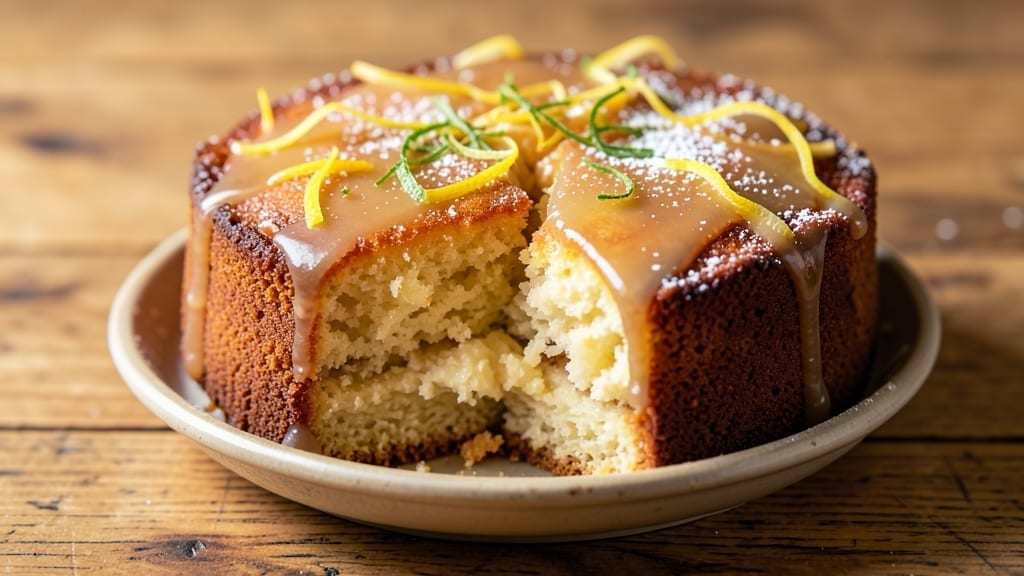
A 12-yolk pound cake delivers the kind of ultra-moist crumb that makes every slice worth savoring—where tender layers melt in your mouth while citrus zest adds a bright, sophisticated twist. 🌟 This recipe draws from classic Southern traditions, where rich egg yolks create a velvety texture that separates it from ordinary pound cakes.
The secret lies in balancing the richness with just enough acidity to keep it from feeling heavy.
What sets this cake apart is the technique: yolks whipped to ribbons before folding into the batter ensures maximum moisture without adding excess volume. I’ve tested this recipe dozens of times, adjusting ratios to guarantee a foolproof result every time—no dry crumb here.
The citrus zest infuses subtle brightness, cutting through the richness while keeping the flavor profile elegant.
By the time it emerges from the oven, you’ll have a golden-domed cake with a crackly top and a crumb so tender it practically dissolves. The aroma alone—warm vanilla, buttery richness, and a whisper of citrus—will have everyone gathering around the table.
Serve it warm with whipped cream or a drizzle of honeyed compote for the perfect finishing touch.
This isn’t just dessert—it’s a centerpiece. Perfect for celebrations, holiday gatherings, or when you want to impress without fuss. The recipe scales beautifully, so you can bake it in a single layer for a showstopper or divide it into two pans for a crowd.
Let’s get baking—your taste buds will thank you.
Ingredients for 12 yolk pound cake
Twelve yolks, citrus zest, and a touch of Southern magic—this is your ultra-moist cake foundation.
| Ingredient | Amount | Notes |
|---|---|---|
| Large Egg Yolks 🥚 | 12 whole | Room temperature for best incorporation |
| All-Purpose Flour 🌾 | 3 cups | Sifted, spooned and leveled |
| Granulated Sugar 🍚 | 2 cups | Superfine preferred for even texture |
| Unsalted Butter 🧈 | 1 ½ cups | Cold, cubed, full-fat for richness |
| Vanilla Extract 🌿 | 2 tbsp | Pure Madagascar or bourbon vanilla |
| Lemon Zest 🍋 | 1 tbsp | Fresh, fine grated zest only |
| Orange Zest 🍊 | 1 tbsp | Fresh, fine grated zest only |
| Whole Milk 🥛 | 1 cup | Room temperature for smooth batter |
| Large Egg Whites 🥚 | 4 whole | Room temperature, for stability |
| Kosher Salt 🧂 | ½ tsp | Fine grain preferred |
| Baking Powder 🍞 | 1 tsp | Aluminum-free for best results |
| Cream of Tartar 🍯 | ¼ tsp | For egg white stability |
The yolks are the heart of this cake. Room temperature is non-negotiable—they should feel like warm bathwater, not fridge-cold. I grab mine from the fridge 30 minutes before baking and whisk them with a pinch of salt first. Kirkland Signature or Organic Valley are my go-tos for consistent quality. The butter? European-style if you can find it—higher fat content means richer flavor. For zest, always use a fine grater (the microplane kind) and avoid the white pith. The citrus oils in the zest are what give this cake its signature brightness.
No superfine sugar? Pulse granulated sugar in a food processor for 30 seconds—it’ll get you close. Running short on vanilla? Vanilla bean paste works too, but reduce to 1 tbsp since it’s more concentrated. The egg whites? Separate them carefully—even a trace of yolk will prevent them from whipping properly. For the milk, whole is ideal, but 2% works in a pinch. And if you’re baking in a high-altitude area? Add 1 tbsp extra flour to prevent sinking.
This batter keeps for 2 days in the fridge—perfect for making ahead. Whisk it gently before baking. The cake itself? 3 days at room temperature in an airtight container, or 1 week refrigerated wrapped tightly. For freezing, slice first, then wrap each piece individually. Thaw overnight at room temp—microwaving kills that tender crumb. Pro tip: Brush warm slices with simple syrup (equal parts sugar and water, heated) before serving for extra moisture.
Why You’ll Love This Recipe
- No Mixer Needed: I’ll be real—this cake comes together with a wooden spoon and elbow grease. No stand mixer, no fuss, just creaming butter and sugar until it’s light and fluffy. Honestly, the only tool you’ll need is a bowl you don’t mind getting sticky.
- Rich Without the Fuss: Twelve yolks? That’s the secret—moist, tender crumb with a whisper of vanilla that lingers like a hug. The butter’s not an afterthought here; it’s the star, making every slice taste like a bakery’s best-kept secret.
- Slice It Any Way: Breakfast? Dessert? Snack attack? This cake handles it all—warm with butter and jam, frosted with cream cheese, or just as-is. I’ve even served it cold with coffee when I’m too tired to bake anything else. (Yes, even on a Tuesday night.)
- Leftovers That Last: One batch feeds a crowd, but it keeps for days without drying out. Wrap it loosely, and it’ll still taste fresh when you’re ready to pull out slices for guests or midnight cravings. Budget-friendly? Absolutely—just 5 simple ingredients stretch to feed more than you’d think.
Step-by-step instructions for ultra-moist citrus pound cake
Here’s how to bake a tender, citrus-kissed pound cake with a perfect crumb every time.
🍳 Step 1: Cream Butter and Sugar for Maximum Moisture
In a stand mixer fitted with the paddle attachment, beat the 1.5 cups unsalted butter and 2 cups granulated sugar on medium speed for 5-7 minutes. You’re looking for a pale, fluffy mixture that’s nearly doubled in volume—this incorporates air that creates that signature tender crumb. I like to scrape down the sides every minute or so to ensure everything gets evenly creamed.
This step is non-negotiable for moisture. The butter should be cold and cubed (not melted) when you start, and the mixture should feel light and airy by the end. If it’s still grainy after 7 minutes, keep going until smooth—this ensures proper emulsification with the eggs later.
👨🍳 Step 2: Add Egg Yolks and Citrus Zest Gradually
Add the 12 whole large egg yolks, one at a time, mixing well after each addition. After all yolks are incorporated, stir in the 2 tbsp vanilla extract, 1 tbsp lemon zest, and 1 tbsp orange zest. Mix on low speed for 1-2 minutes until fully combined and slightly thickened.
Here’s the thing—those citrus zests pack serious flavor, but they can be overpowering if not distributed evenly. I like to press the zest through a fine-mesh strainer first to remove any bitter pith. The mixture should smell vibrant and citrusy but not overwhelmingly so.
🍳 Step 3: Alternate Dry Ingredients and Milk
In a separate bowl, whisk together the 3 cups all-purpose flour, 1 tsp baking powder, and 0.5 tsp kosher salt. With the mixer on low speed, add one-third of the dry ingredients, then ½ cup whole milk, mixing just until combined. Repeat, ending with the last third of dry ingredients. This alternating method prevents gluten development and creates that ultra-tender crumb.
Don’t overmix—just until the batter comes together. You’ll see a few flour streaks, and that’s perfect. The batter should be thick but pourable, like heavy pudding. If it’s too thick after adding all ingredients, you can add the remaining ½ cup milk to reach the right consistency.
🥘 Step 4: Fold in Whipped Egg Whites Gently
In a clean bowl, beat the 4 whole large egg whites with the 0.25 tsp cream of tartar on medium speed until soft peaks form. Gradually add the 2 tbsp vanilla extract (yes, again—it helps stabilize) and beat until stiff peaks form. Gently fold one-third of the egg whites into the batter to lighten it, then fold in the remaining whites in two additions.
This is where the magic happens for that ultra-moist texture. Fold gently with a spatula, moving from the bottom up to maintain air incorporation. The batter should be smooth with no streaks of white. If you see deflated egg whites, your mixer was too hot—try again with chilled bowls next time.
🔥 Step 5: Bake in Prepared Pans for Even Rise
Divide the batter evenly between two 9-inch round cake pans lined with parchment paper. Smooth the tops and tap the pans gently on the counter to remove air bubbles. Bake in a preheated 350°F oven for 50-60 minutes, or until a toothpick inserted in the center comes out clean with just a few moist crumbs.
I like to tent the pans with foil after 30 minutes to prevent over-browning while ensuring even baking. The cake is done when it springs back slowly when touched and the edges pull away from the pan. Let cool in the pans for 10 minutes, then transfer to a wire rack to cool completely before frosting.
Pro Tips For Making 12 Yolk Pound Cake
- Whisk Yolks Like Mad: Beat those 12 yolks until they’re pale, thick, and triple their volume—about 3-4 minutes with a stand mixer. I used to skimp here, and the cake always turned out dense. This step incorporates air, which is non-negotiable for that signature pound cake lightness.
- Melt Butter Slowly: Warm the butter and sugar together over a double boiler until it’s 160°F—just until the butter melts completely but doesn’t brown. After burning two batches, I learned: rushing this step adds bitterness and throws off the texture. Patience here pays off.
- Sift Flour Twice: Don’t just dump that flour—sift it before adding it to the bowl, then sift it again right before folding. This keeps the cake tender and prevents lumps, which I discovered the hard way when my first attempt came out gummy. Yes, it’s extra work, but it’s worth it.
- Chill the Batter: Let the batter rest in the fridge for at least 30 minutes before baking—even if you’re eager to pop it in the oven. This relaxes the gluten and helps the cake rise evenly. I was skeptical until I tried it, and now I never skip it.
Serving suggestions for this dish
Warm Whipped Cream
Nothing beats a slice of this ultra-moist cake with warm vanilla bean whipped cream piped generously on top. I like to heat 1 cup heavy cream with 2 tbsp sugar and 1 tsp vanilla bean paste until steaming, then whip until soft peaks form.
The warmth enhances the citrus notes while balancing the cake’s richness. For extra decadence, fold in 1 tbsp lemon curd for a tangy twist. 🌟
Citrus Compote
Brighten each serving with a honeyed orange compote that mirrors the cake’s zest flavors. Simmer 1 cup orange juice, 2 tbsp honey, and 1 tbsp fresh orange zest> for 5 minutes>, then thicken with 1 tsp cornstarch> slurried in water.
Drizzle over slices or serve on the side for dipping. The acidity cuts through the cake’s richness beautifully.
Spiced Tea Pairing
Serve with Earl Grey tea or chai latte> to complement the citrus and vanilla. The bergamot in Earl Grey echoes the lemon zest, while chai’s warm spices contrast the cake’s buttery texture.
For a festive touch, add a splash of bourbon> to the tea—just ½ oz per cup>—to deepen the flavor profile. 🍵
Layered Dessert Plating
For an elegant presentation, layer thin slices with mascarpone cream> (mix ½ cup mascarpone> with 1 tbsp powdered sugar> and 1 tsp vanilla>) and fresh berries.
Stack in a glass dish and garnish with edible gold leaf> or a sprinkle of citrus zest. This creates a stunning dessert that feels restaurant-worthy with minimal effort.
Coffee Contrast
Pair with a cold brew coffee> or espresso martini> to balance the cake’s sweetness. The bitterness of coffee enhances the citrus notes, while the martini’s herbal notes add sophistication.
For a non-alcoholic option, try vanilla chilled coffee> with a dash of cinnamon. The contrast makes every bite feel special.
Make-Ahead Serving
Prep ahead by wrapping cooled cake in plastic wrap and storing at room temperature for up to 3 days>. Reheat slices in the oven at 300°F for 5 minutes> to restore moisture, then serve with pre-made compote or whipped cream.
This is perfect for holiday gatherings—just assemble and serve when guests arrive. The cake tastes even better the next day! ⏰
Nutrition facts
Frequently asked questions
Why does this recipe use 12 egg yolks instead of whole eggs?
The extra yolks create an ultra-rich, moist crumb that’s signature to classic pound cakes. Each yolk adds fat and natural emulsifiers that keep the cake tender for days. The recipe balances this richness with citrus zest to prevent heaviness. For a lighter version, you could substitute 4 whole eggs (8 yolks) but expect slightly less moisture.
Can I bake this in a single 9-inch pan instead of two?
Yes, but your cake will be taller and denser. For a single layer, reduce baking time to 45-50 minutes and check for doneness at 40 minutes. The center should spring back slowly when touched. This works well if you prefer a domed cake for serving—just increase oven temp to 325°F to prevent over-browning on top.
What’s the secret to avoiding a dry cake with all those yolks?
The key is proper technique: whipping yolks to ribbons before folding, using cold butter, and alternating dry ingredients with milk. The citrus zest also adds moisture through its natural oils. Never overmix after adding flour—just until combined. If your kitchen’s humid, reduce milk by 2 tbsp to prevent a gummy texture.
How do I store leftovers to keep them moist?
Wrap cooled slices tightly in plastic wrap or aluminum foil, then store at room temperature for 2 days. For longer storage, refrigerate for up to 5 days or freeze individual slices for 3 months. To revive, warm at 300°F for 5 minutes or brush with simple syrup (equal parts sugar and water). The cake actually improves after 24 hours as flavors meld!
Can I substitute butter with oil for a lighter texture?
I don’t recommend it for this recipe—the butter’s fat content is essential for that classic pound cake richness. If you must, use 1 cup melted butter plus ½ cup neutral oil, but expect slightly less flavor development. For a lighter texture without losing richness, try European-style butter (higher fat content) or add 1 tbsp sour cream to the batter.

- 3lb Prime Rib Roast Recipe: Juicy Pink Center Guaranteed in 3 Hours - October 31, 2026
- 5 Spice Cake Recipe: Warmly Spiced Layers With Crunchy Top - October 31, 2026
- 1950’s Macaroni and Cheese Recipe: Nostalgic Creamy Cheese Sauce with Buttery Noodles - October 31, 2026