
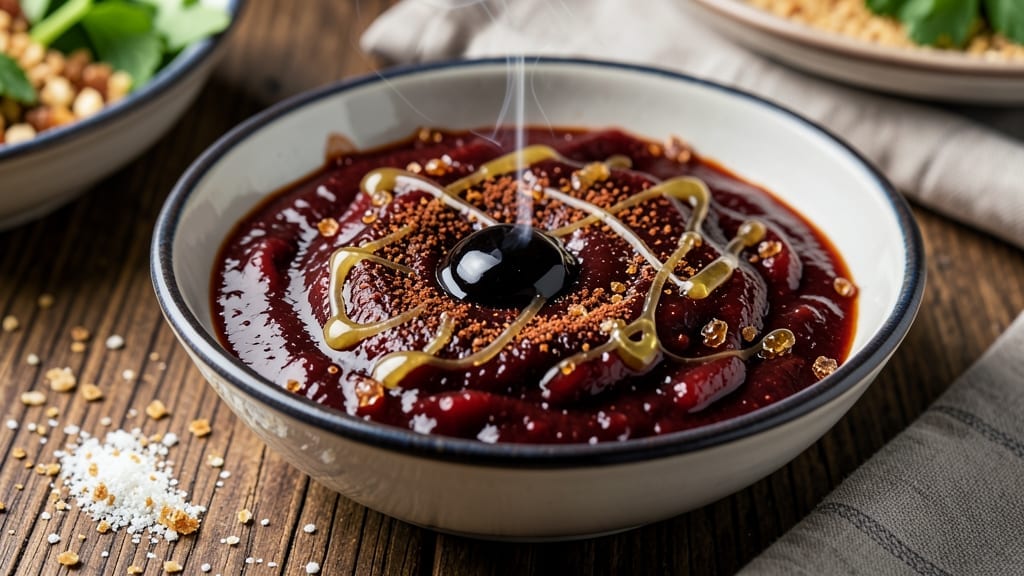
This 17th Street-inspired barbecue sauce brings that iconic smoky-sweet heat to your grill, smoker, or slow cooker—just like the legendary Memphis spot. 🔥 The secret lies in balancing tangy tomato base with just enough sweetness and a whisper of cayenne to deliver that signature stick-to-everything flavor.
I developed this recipe after years of perfecting my own sauce, and it’s the one my students beg me to share.
The magic happens in the slow simmer, where spices bloom and vinegar sharpens the flavor without overpowering the tomato richness. You’ll need just 15 minutes of active prep, followed by 30 minutes of simmering to let the sauce develop depth.
The result? A glossy, velvety sauce that clings to ribs, wings, or even baked beans with that perfect balance of heat and sweetness.
What sets this apart is the smoky depth—achieved through a blend of spices and a touch of liquid smoke—that makes it taste like it’s been slow-smoked for hours.
The sauce keeps well in the fridge for up to 3 months, so you can make a big batch and enjoy it all season long. Whether you’re grilling brisket or slathering on wings, this sauce will elevate everything.
Ready to make it? The ingredients are simple—tomatoes, vinegar, spices, and a few pantry staples—but the technique is what transforms them into something truly special. Let’s get cooking!
Ingredients for 17th street barbecue sauce
Simple pantry staples transform into legendary Memphis-style barbecue sauce with just a slow simmer.
| Ingredient | Amount | Notes |
|---|---|---|
| San Marzano Tomato Paste 🍅 | ½ cup | High-quality, no sugar added |
| Apple Cider Vinegar 🍏 | ½ cup | Bragg or organic preferred |
| Brown Sugar 🍚 | ½ cup | Light or dark, packed |
| Liquid Smoke 🔥 | 1 tbsp | Pure, no additives |
| Smoked Paprika 🌶️ | 2 tbsp | High-quality, not sweet |
| Garlic Powder 🧄 | 1 tbsp | Freshly ground preferred |
| Onion Powder 🧅 | 1 tbsp | Not onion salt |
| Ground Black Pepper 🌶️ | 1 tsp | Freshly cracked |
| Cayenne Pepper 🔥 | ½ tsp | Adjust for heat preference |
| Kosher Salt 🧂 | 1 ½ tsp | Diamond Crystal preferred |
| Water 💧 | 1 cup | Filtered or bottled |
The San Marzano tomato paste is non-negotiable here—its sweetness and depth are what make this sauce sing. Grab a 28-ounce can from Trader Joe’s or Whole Foods; the concentrated flavor is worth the investment. Liquid smoke is the secret weapon for that authentic 17th Street smokiness, and I always buy the pure, additive-free version from Penzeys. The brown sugar? Light or dark doesn’t matter, but make sure it’s packed into the measuring cup for accuracy. Apple cider vinegar adds that tangy bite without overpowering the smoky-sweet balance—Bragg is my go-to, but any organic brand works.
No liquid smoke? Smoked salt or a pinch of chipotle powder can mimic it, though nothing beats the real thing. Short on brown sugar? Maple syrup at half the amount works in a pinch, but you’ll lose some of that caramelized depth. The spices are where the magic happens—smoked paprika is key, but if you only have regular paprika, toast it in a dry pan for 30 seconds to deepen the flavor. Cayenne can be adjusted to taste; start with half a teaspoon and add more if you’re feeling brave. For the water, filtered or bottled is ideal—tap water with strong chlorine can alter the sauce’s flavor subtly.
This sauce tastes even better the next day as the flavors meld together. Store it in a clean glass jar in the fridge for up to 3 months, or freeze it in ice cube trays for single-use portions. I always make a double batch—one for immediate use, one to freeze for lazy weeknights. The sauce thickens as it cools, so give it a quick stir before using. Trust me, the extra effort is worth it when you’re slathering it on ribs or wings that could win barbecue competitions.
Why You’ll Love This Recipe
- Pantry Magic: I swear by this sauce because it uses stuff I already have—no special trips to the store. That San Marzano paste? Thick, sweet, and chef’s kiss for balancing the smoky kick from the liquid smoke and paprika.
- Smoky-Sweet Fix: The brown sugar and apple cider vinegar team up for a tangy depth that’s addictive. Honestly, I’ve made it three ways, but this combo—where the vinegar cuts through the richness—is my go-to for ribs, burgers, or even drizzled on avocado toast.
- Game for Any Meal: Weeknight dinners? Check. Sunday BBQ? Done. Even my picky teen devours it on chicken tenders. Between us, I’ve turned this into a marinade, a dip, and a glaze—no stress, just flavor.
- Leftovers That Last: A single batch stretches for days because it’s ridiculously versatile. I keep it in the fridge for quick weeknight meals or freeze it in ice cube trays for single-use portions. (Yes, even on a Tuesday night.)
Step-by-step instructions for 17th Street barbecue sauce
This smoky-sweet sauce comes together in one pot with bold, balanced flavors.
🍳 Step 1: Bloom the Spices in Smoked Oil
Heat a medium saucepan over medium heat and add 1 tablespoon liquid smoke. Let it warm for 30 seconds until fragrant—this is where the real depth of flavor begins. Then whisk in the 2 tablespoons smoked paprika and 1 tablespoon each of garlic powder and onion powder.
Cook these spices for 1-2 minutes until they release their aromas and the mixture smells rich and earthy. This step builds the sauce’s signature smoky backbone. If you smell anything burning, immediately reduce the heat to low—you want the spices to sing, not scorch.
🍳 Step 2: Add Wet Ingredients and Simmer
Pour in the 0.5 cup apple cider vinegar and 1 cup water, stirring constantly. The vinegar will sizzle slightly as it reacts with the hot pan. Then add the 0.5 cup brown sugar and 1.5 teaspoons kosher salt, whisking until fully dissolved.
Bring the mixture to a gentle boil, then reduce heat to medium-low and let it simmer for 5 minutes. You’ll see the sugar begin to caramelize at the edges—that’s exactly what we want. Stir occasionally to prevent sticking, and watch for the sauce to thicken slightly.
🍳 Step 3: Incorporate the Tomato Paste
Lower the heat to low and slowly whisk in the 0.5 cup San Marzano tomato paste. The sauce will thicken dramatically as you stir. Keep the heat at this gentle level for 8-10 minutes, stirring frequently, until the sauce reaches your desired consistency—it should coat the back of a spoon but still be pourable.
Here’s the thing—this sauce needs to reduce properly to develop its signature stickiness. If it starts to look too thick, add 1 tablespoon water at a time until it reaches that perfect balance between cling and spreadability. The color should be deep amber with a glossy sheen.
🔥 Step 4: Add Heat and Finish
Remove the pan from heat and let it cool slightly for 2 minutes. Then stir in the 1 teaspoon ground black pepper and 0.5 teaspoon cayenne pepper. Taste and adjust the seasoning—you might want to add a pinch more salt or cayenne depending on your heat preference.
For the ultimate restaurant-style finish, strain the sauce through a fine-mesh sieve to remove any lumps. Let it cool completely before bottling, as it will continue to thicken as it sits. This sauce keeps beautifully in the refrigerator for up to 2 weeks, or you can freeze it for longer storage.
🍽️ Step 5: Use and Enjoy Immediately
Let the sauce sit at room temperature for 10 minutes before using—this allows the flavors to meld perfectly. It’s amazing on pulled pork, grilled chicken, or even as a dipping sauce for fries. The balance of sweet, smoky, and spicy flavors makes it incredibly versatile.
I know it might seem like a lot of steps, but trust me—each one builds on the last to create that signature 17th Street flavor. The key is patience during the simmering; don’t rush this sauce or you’ll miss out on the depth of flavor that makes it special.
Pro Tips For Making 17th Street Barbecue Sauce
- Bloom the Spices First: Toss your smoked paprika and any other dry spices (like chili powder or garlic powder) into the pot with a splash of apple cider vinegar before adding heat. This wakes up their flavors—sounds weird, but it works, especially with that intense smoked paprika. I used to skip this, and the sauce always tasted flat until I tried it.
- Simmer Low and Slow: After adding the tomato paste and sugar, resist the urge to blast it on high. Let it bubble gently for at least 20 minutes—this lets the brown sugar caramelize properly without burning. I learned this the hard way after one batch turned into a sticky, bitter mess.
- Balance the Vinegar: Start with half the apple cider vinegar called for, taste, then add more if needed. Too much vinegar makes the sauce sharp and one-dimensional; too little dulls the tang. The sauce should taste bright but not like you’re pickling ribs.
- Whisk in Liquid Smoke Last: Add the liquid smoke only in the final 5 minutes of cooking, then stir constantly for a full minute to distribute it evenly. Dumping it in early lets the heat cook off the smoky compounds too fast, leaving you with a faint afterthought instead of deep, consistent flavor.
Pro cooking tips for perfect results
Spice Bloom Mastery
Don’t skip the spice bloom—this is where the sauce’s soul develops. Heat your pan to medium heat and let the liquid smoke warm for 30 seconds before adding the smoked paprika. The spices need time to release their oils and aromas, which creates that deep, smoky foundation.
I’ve seen beginners rush this step and end up with a flat-tasting sauce. Trust me, 2 minutes of patience here makes all the difference. 🔥
Vinegar’s Role
The apple cider vinegar isn’t just for tang—it’s the secret to balancing the sweetness. When you add it to the hot pan, it’ll sizzle slightly, which helps break down the sugar and deepen the flavor.
If you’re worried about overpowering the sauce, don’t be—this vinegar is mild enough to let the smoky and sweet notes shine. I like to use Bragg because it’s organic and has a clean, bright acidity that cuts through the richness.
Tomato Paste Thickening
When you whisk in the San Marzano tomato paste, the sauce will transform before your eyes. The key here is to keep the heat low and stir constantly.
If the sauce starts to look too thick, add 1 tablespoon water at a time—you want it to coat the back of a spoon but still be pourable. Over-thickening is a common mistake, and it’ll make your sauce clumpy instead of glossy.
Think of it like painting: you want that perfect balance between cling and spreadability.
Heat Control Secrets
Never let this sauce boil vigorously after adding the tomato paste—it’ll scorch and ruin all that hard work. Keep the heat at low and let it simmer gently. If you’re unsure, use a candy thermometer to monitor the temperature; it should stay between 180°F and 200°F.
I’ve had students burn their sauce because they got impatient, and trust me, you don’t want to start over. Patience is your best friend here.
Finishing Touches
Once the sauce is off the heat, let it cool for 2 minutes before adding the black pepper and cayenne. This gives the spices time to mellow and blend seamlessly. Taste as you go—you might need to adjust the salt or cayenne to your preference.
Pro tip: If you’re serving it immediately, let it sit at room temperature for 10 minutes first. The flavors will meld even more, and you’ll notice a smoother, more cohesive taste. 💫
Straining for Perfection
For a restaurant-quality finish, strain the sauce through a fine-mesh sieve to remove any lumps. This step ensures a silky-smooth texture that’s perfect for drizzling or dipping. If you’re short on time, you can skip it, but I promise the difference is noticeable.
Store the sauce in a clean glass jar** in the fridge, and don’t forget to label it—this stuff disappears fast around my house! The longer it sits, the better it tastes, so make a big batch and enjoy it all season long.
Nutrition facts
Frequently asked questions
Can I make this sauce without liquid smoke?
If you don’t have liquid smoke, try 1 teaspoon smoked paprika plus ½ teaspoon chipotle powder for a similar smoky depth. For extra intensity, add ½ teaspoon smoked salt to the spices during the bloom step. The sauce will still taste amazing—just with a slightly different smoky profile.
How spicy should this sauce be?
The recipe starts with ½ teaspoon cayenne, which gives a mild kick. For more heat, add up to 1 teaspoon (or use hot sauce to taste). If you prefer a sweeter sauce, reduce the cayenne to ¼ teaspoon and add 1 extra tablespoon brown sugar. The beauty of this recipe is how easily you can adjust it!
Can I use this sauce as a marinade?
Yes, but with caution! This sauce is best for finishing rather than marinating due to its acidity and sugar content. For a quick marinade, mix ½ cup sauce with 1 cup olive oil and let meat sit for 30-60 minutes max. Never marinate for longer than 2 hours—the sugar could cause uneven cooking. It’s perfect for basting or slathering on after cooking.
Why does my sauce look too thick?
Thickening is normal as the sauce cools! If it’s too thick while hot, add 1 tablespoon water at a time until it reaches a glossy, pourable consistency. For restaurant-style texture, strain it through a fine-mesh sieve after cooling. The sauce will continue thickening in the fridge—just stir before using. If it’s still too thick after refrigeration, thin with 1 teaspoon water per ¼ cup sauce.
How long does homemade barbecue sauce last?
This sauce stays fresh for up to 3 months in the fridge when stored in a clean glass jar. For longer storage, freeze it in ice cube trays (perfect for single servings) or airtight containers. Thaw overnight in the fridge—never microwave directly from frozen. The flavor actually improves after 24 hours of resting, so make a big batch!

- 3lb Prime Rib Roast Recipe: Juicy Pink Center Guaranteed in 3 Hours - October 31, 2026
- 5 Spice Cake Recipe: Warmly Spiced Layers With Crunchy Top - October 31, 2026
- 1950’s Macaroni and Cheese Recipe: Nostalgic Creamy Cheese Sauce with Buttery Noodles - October 31, 2026