
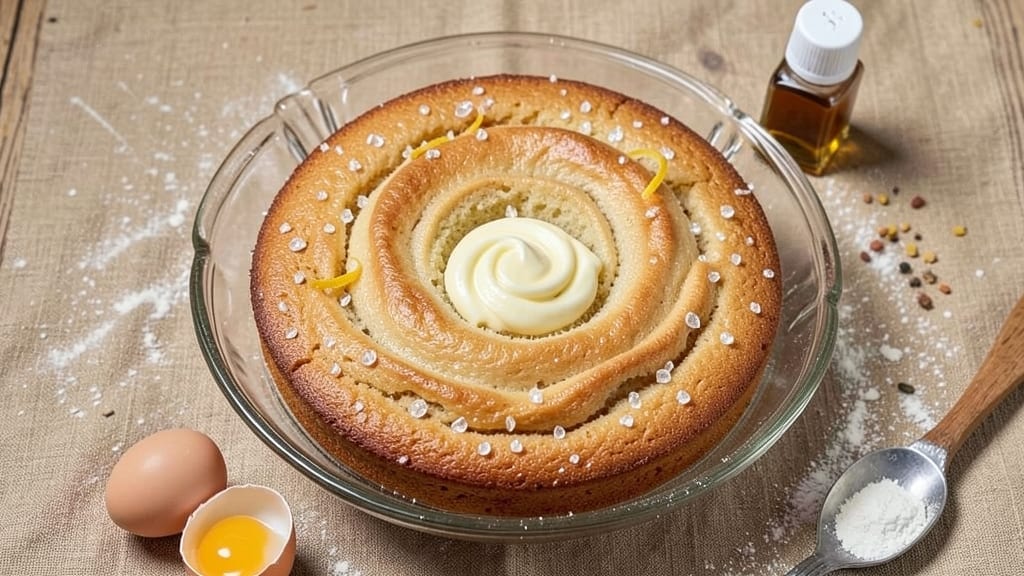
This 2-egg butter cake recipe delivers the perfect balance of tender crumb and rich vanilla flavor without requiring a full dozen eggs. The secret lies in proper mixing techniques and precise ingredient ratios that create a moist, buttery texture every time.
I’ve perfected this recipe through years of testing, ensuring it’s foolproof for both beginners and experienced bakers.
The cake’s signature moisture comes from combining melted butter with eggs at room temperature, creating a velvety batter that bakes into a tender crumb with just the right amount of structure.
A touch of vanilla extract enhances the buttery flavor, while a simple powdered sugar dusting adds that final elegant touch. This recipe uses basic pantry staples but delivers restaurant-quality results.
What sets this cake apart is its ability to stay moist for days, making it perfect for special occasions or meal prep. The baking process is straightforward—mix, bake, cool—and yields a cake that’s rich, flavorful, and impossible to resist.
Whether you’re serving it plain or with a light frosting, this butter cake is a crowd-pleaser.
For added versatility, consider layering with fresh berries or a simple cream cheese frosting. The recipe scales easily for larger gatherings, and the simple ingredients make it budget-friendly. Here’s how to achieve the perfect moist crumb every time.
Ingredients for 2 egg butter cake
Nine staples, two eggs, and a velvety crumb that’ll fool anyone into thinking it’s a dozen-egg cake.
| Ingredient | Amount | Notes |
|---|---|---|
| Unsalted Butter 🧈 | 1 cup | Melted and cooled to room temperature |
| Granulated Sugar 🍚 | 1 ½ cups | Light brown sugar adds moisture |
| All-Purpose Flour 🌾 | 2 cups | Sifted for light texture |
| Large Eggs 🥚 | 2 whole | Room temperature for even mixing |
| Pure Vanilla Extract 🌿 | 1 tbsp | High-quality for rich flavor |
| Baking Powder 🍞 | 1 ½ tsp | Ensures proper rise |
| Salt 🧂 | ½ tsp | Fine sea salt preferred |
| Whole Milk 🥛 | ½ cup | Adds tenderness |
| Powdered Sugar 🍚 | ½ cup | For dusting finished cake |
The butter is non-negotiable here—unsalted, high-fat, and room temperature. I grab Land O’Lakes or Plugrá from the store, but if you’ve got homemade, even better. The vanilla extract? No imitation stuff—look for pure Madagascar bourbon in the baking aisle. That’s where the real magic happens. The eggs need to be at room temp too—pop them out of the fridge an hour before baking. And the milk? Whole milk adds richness, but 2% works in a pinch if that’s what you’ve got.
No vanilla extract? Vanilla bean paste or even a scraped vanilla bean works wonders. Short on milk? Water plus 1 tsp melted butter mimics the same moisture. The baking powder is crucial—double-check the expiration date since old powder won’t rise. For a twist, swap half the flour for cake flour if you’ve got it—King Arthur or Gold Medal are my go-tos. And if you’re feeling fancy, add a pinch of cinnamon or cardamom to the batter. Trust me, it’s a game-changer.
This cake keeps beautifully—3-4 days wrapped in plastic at room temp, or 1 week in the fridge. Freeze it for 3 months if you’re planning ahead. I always slice it thin and layer with fresh berries or a quick cream cheese frosting. The powdered sugar dusting? Do it right before serving—it loses its sparkle fast. And if you’re making this ahead for a party, bake it a day early—flavors deepen overnight.
Why You’ll Love This Recipe
- No Mixer Needed: I swear by this recipe when I’m too lazy to pull out the stand mixer—just cream the butter and sugar by hand until fluffy. Two eggs and a splash of vanilla do the rest, and honestly? The result is so tender it melts in your mouth.
- Rich Without Fuss: That single stick of butter (yes, just one) and vanilla extract make this cake ridiculously good—no fancy extracts or extra steps. The sugar caramelizes just enough to give it a subtle depth, and the flour keeps it light. It’s the kind of cake that tastes like you spent hours baking.
- Weeknight Magic: Between us, this is my go-to when I need dessert fast. Bake it for 20 minutes, let it cool, and boom—you’ve got something impressive with zero effort. I’ve served it at book club, potlucks, and even as a “I’m too tired to cook” treat.
- Budget-Friendly Luxury: Two eggs, a stick of butter, and basic pantry staples mean this cake won’t break the bank. The portions are generous (one pan = six servings), so leftovers last days—perfect for when you want something special without the grocery splurge.
Step-by-step instructions for 2 egg butter cake
Here’s how to create a tender, moist vanilla butter cake with perfect texture every time.
Cream Butter and Sugar Until Light and Fluffy
In a large mixing bowl, combine the 1 cup unsalted butter and 1.5 cups granulated sugar. Using an electric mixer on medium speed, beat for 3-4 minutes until the mixture is light in color and has nearly doubled in volume. You’ll see ribbons form when you lift the beaters—this is your signal that air has been properly incorporated.
This creaming process is crucial for creating a tender crumb. If the butter isn’t softened properly (it should be soft but not melted), the cake will be dense. I like to press my finger into the butter—if it leaves a slight indent, it’s ready. Scrape down the sides of the bowl with a spatula every minute to ensure even mixing.
Add Eggs and Vanilla Extract
Add the 2 whole large eggs, one at a time, mixing on low speed after each addition until fully incorporated. Then add the 1 tablespoon pure vanilla extract and mix for another 10-15 seconds until combined. The mixture will look slightly thicker now, but that’s normal—it will lighten again when we add the dry ingredients.
I always use room-temperature eggs for this recipe. Cold eggs can create pockets of liquid in the batter that prevent proper mixing. If your eggs are straight from the fridge, let them sit in warm water for 5 minutes before using. The vanilla extract should be high-quality—you’ll taste the difference in the final cake.
Alternate Adding Dry and Wet Ingredients
In a separate bowl, whisk together the 2 cups all-purpose flour, 1.5 teaspoons baking powder, and 0.5 teaspoon salt. With the mixer on low speed, gradually add about one-third of the flour mixture to the butter mixture, mixing just until combined. Then add half of the 0.5 cup whole milk, mixing until smooth.
Continue alternating between the remaining flour mixture and the remaining milk, ending with the flour. This gradual addition prevents overmixing, which can make the cake tough. Mix just until the batter comes together—you should still see some dry flour streaks. The batter should be thick but pourable.
Bake in a Prepared Pan
Preheat your oven to 350°F. Grease and flour two 9-inch round cake pans or one 9×13-inch baking pan (for a sheet cake). Pour the batter evenly into the prepared pan(s). For round pans, tap them gently on the counter to remove any air bubbles. Bake for 25-30 minutes (or 30-35 minutes for a sheet cake) until a toothpick inserted into the center comes out clean.
Here’s the thing about baking times—your oven might run hot, so start checking at the 20-minute mark. The cake is done when the top springs back when gently pressed and the edges pull away slightly from the pan. If you’re unsure, err on the side of slightly underbaking—it’s easier to fix an underbaked cake than an overbaked one.
Cool and Dust with Powdered Sugar
Remove the cake from the oven and let it cool in the pan for 10 minutes. Then transfer it to a wire rack to cool completely. While the cake cools, sift 0.5 cup powdered sugar over the top for a beautiful finishing touch. This step isn’t just for looks—it also adds a subtle sweetness that complements the vanilla flavor.
For the best results, let the cake cool completely before slicing. This allows the moisture to distribute evenly, ensuring each slice is as tender as the first. The cake will keep well at room temperature for 2-3 days or can be refrigerated for up to 5 days. If you prefer, you can also wrap it tightly in plastic wrap and freeze it for up to 3 months.
Pro Tips For Making 2 Egg Butter Cake
- Cream Butter Properly: Take your time beating the butter and sugar until it’s pale and fluffy—at least 3-4 minutes. I used to rush this, and the cake turned out dense. That extra effort makes all the difference in texture.
- Room-Temp Eggs Only: Crack those eggs into a bowl first, then let them sit for 10 minutes before mixing. Cold eggs won’t blend smoothly, and you’ll end up with streaks of raw egg in your batter—trust me, it’s not pretty.
- Avoid Overmixing Dry Ingredients: Fold the flour into the wet mixture just until combined—no need to stir like you’re kneading dough. Overworking it develops gluten, and your cake will turn out tough instead of tender.
- Bake Until Golden, Not Just Set: Pull the cake when the top springs back just slightly and the edges pull away from the pan. If you wait for it to be fully set, it’ll dry out—this recipe is delicate, so don’t let it overbake.
Common mistakes when making great 2 egg butter cake
Overmixing the Batter
The biggest mistake I see is overmixing once the dry ingredients are added. This happens when people crank the mixer too high or beat too long after all ingredients are combined. The result? A tough, dense cake instead of that tender crumb we’re after.
I recommend mixing on low speed just until the batter comes together—you should still see some dry flour streaks. Once the flour disappears, stop immediately. 🍞
Skipping Room-Temp Ingredients
Cold butter, eggs, or milk can throw off the whole recipe. When these ingredients are straight from the fridge, they create pockets of liquid in the batter that prevent proper mixing and air incorporation.
Let your butter sit out for 1 hour until it’s soft but not melted, and let eggs sit in warm water for 5 minutes. I’ve ruined cakes before by skipping this step—trust me, it matters!
Incorrect Oven Temperature
Baking at the wrong temperature is a silent killer of perfect butter cake. Too low (325°F) and your cake won’t rise properly; too high (375°F) and it’ll bake unevenly with a dry exterior.
Always preheat to 350°F and use an oven thermometer to verify accuracy. My first cake disaster came from trusting my oven’s calibration—never again!
Underbaking or Overbaking
Both extremes ruin the texture. Underbaking leaves a gummy center, while overbaking creates a dry, crumbly cake. The toothpick test is foolproof: insert it into the center and pull out. If it comes out clean (with maybe a few moist crumbs), it’s perfect.
Start checking at 20 minutes—every oven behaves differently. I’ve learned to pull cakes when they’re just slightly underdone rather than risk overbaking.
Using Old Baking Powder
Expired baking powder loses its lift, resulting in a flat, dense cake. Always check the expiration date on your baking powder canister—it typically lasts 6-12 months after opening. For this recipe, 1.5 teaspoons is crucial for proper rise.
I keep a fresh canister on hand specifically for baking to avoid this common mistake. A simple test: drop a spoonful in water—if it bubbles vigorously, it’s still active. ✨
Not Greasing Pans Properly
Even with non-stick pans, proper greasing prevents sticking. Use butter or baking spray (like Baker’s Joy) and then dust with flour. For round pans, I like to use a pastry brush to coat the sides thoroughly.
If your cake sticks, it’s not just frustrating—it can tear the delicate crumb. Always grease and flour fresh pans, even if you’ve baked in them before.
Nutrition facts
Frequently asked questions
Can I substitute butter with oil in this recipe?
While possible, I don’t recommend it for this butter cake. The butter creates that signature tender crumb and rich flavor that oil can’t replicate. If you’re avoiding dairy, consider using a dairy-free butter substitute like Earth Balance, but the texture will be slightly different. The moisture and flavor are key here—skip the oil swap for best results!
How do I know when the cake is fully baked?
Use the toothpick test: insert it into the center and pull out. If it comes out clean (with maybe a few moist crumbs), your cake is perfect. Start checking at 20 minutes—every oven behaves differently. The edges should pull away slightly from the pan, and the top should spring back when gently pressed.
Can I make this cake in a bundt pan?
but you’ll need to adjust the baking time. A bundt pan requires 35-40 minutes at 350°F since the shape affects heat distribution. Grease the pan thoroughly and tap it gently on the counter after pouring to remove air bubbles. The cake will have beautiful ridges and stay moist just like the round version!
Why did my cake turn out dense?
Most likely, you overmixed the batter or used cold ingredients. The butter, eggs, and milk should all be at room temperature, and you should mix just until combined—no longer! Also, check your baking powder expiration date. Dense cakes often result from expired leavening agents or overmixing that develops gluten.
Can I add chocolate chips or nuts to this recipe?
Yes, but keep it simple! Fold in ½ cup chocolate chips or chopped nuts during Step 3 when adding the milk. Just don’t overdo it—too many mix-ins can make the cake dry. For best results, use semi-sweet chocolate chips and toast nuts lightly before adding to enhance flavor.

- 5 Lb Eye Round Roast Recipe: Slow-Braised to Melt-in-Mouth Tenderness - November 3, 2026
- 3-Hour Ciabatta Bread Recipe: Crusty Chews and Airy Holes Mastered - November 3, 2026
- 5 Fruit Salad Recipe: Vibrant Rainbow Layers With No Brown Spots - November 3, 2026