
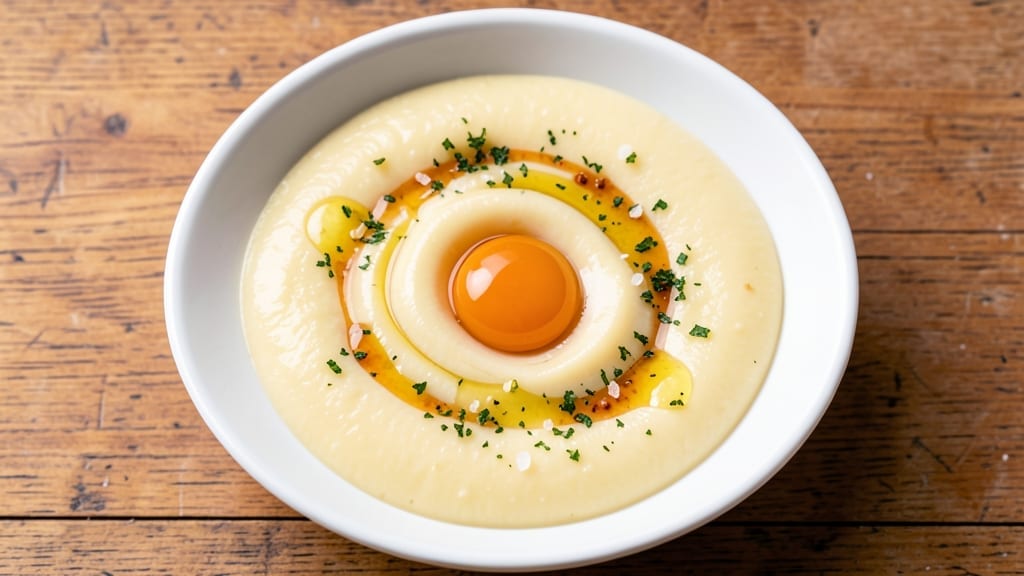
A 3-egg mayonnaise recipe delivers velvety, stable emulsification that transforms simple ingredients into the creamiest sauce you’ll ever make. The secret lies in precise technique—whisking egg yolks with Dijon mustard before slowly incorporating oil drop by drop.
This method ensures a foolproof emulsion that won’t break, even when adding acid like lemon juice or vinegar.
What sets this recipe apart is its zero-failure approach, designed for both beginners and perfectionists. The ratio of 3 egg yolks to 1 tablespoon of Dijon mustard creates a stable base, while the slow oil incorporation prevents separation.
Once you master this technique, you’ll achieve a mayonnaise so smooth it rivals store-bought—but with none of the additives.
The result is a rich, glossy sauce with a perfectly balanced tang that elevates everything from sandwiches to deviled eggs. The Dijon mustard adds depth, while the lemon juice or vinegar brightens the flavor.
This recipe scales effortlessly, so you can make just enough for one use or a batch to store in the fridge for up to a week.
For variations, try infusing the oil with garlic or herbs before emulsification, or stir in a pinch of smoked paprika for a bold twist. The key to success remains the same: patience and precision. Let’s get started on creating the creamiest mayonnaise you’ve ever made.
Ingredients for 3 egg mayonnaise
Eight essential ingredients create velvety mayonnaise with restaurant-quality stability and flavor.
| Ingredient | Amount | Notes |
|---|---|---|
| Large Egg Yolks 🥚 | 3 whole | Fresh, room temperature preferred |
| Dijon Mustard 🌶️ | 1 tbsp | High-quality, whole grain preferred |
| Extra-Virgin Olive Oil 🫒 | 1 ½ cups | Light, fruity variety for best flavor |
| Lemon Juice 🍋 | 1 tbsp | Freshly squeezed, strained for clarity |
| Diamond Crystal Kosher Salt 🧂 | ½ tsp | Fine grain for precise seasoning |
| White Vinegar 🍶 | ½ tsp | For acid balance, optional substitute |
| Garlic Cloves 🧄 | 1 whole | Infused oil option, optional |
| Smoked Paprika 🌶️ | ¼ tsp | For bold variation, optional |
The egg yolks are the foundation—always use fresh, room-temperature yolks for optimal emulsification. Kirkland Signature or Organic Valley eggs work best due to their high-quality yolks. Dijon mustard provides the stable base; Maille or Bonne Maman are professional-grade choices that elevate flavor. The olive oil should be light and fruity—California Olive Ranch or Colavita are excellent options. For the garlic infusion, peel and smash the clove before adding to the oil, then strain for a clean texture.
No Dijon mustard? Yellow mustard at half the amount works in a pinch, though flavor depth suffers. Running out of lemon juice? White vinegar or apple cider vinegar maintain acidity but alter flavor slightly. The smoked paprika can be swapped for regular paprika or cayenne for heat. For a garlic-free version, simply omit the clove. If the emulsion breaks, add 1 tsp warm water and whisk vigorously—this recipe is designed to prevent failure, but even pros encounter occasional hiccups.
Store finished mayonnaise in an airtight container with a layer of oil on top to preserve freshness. Keeps for up to 1 week refrigerated or 3 months frozen. For infused variations, prepare the flavored oil separately and combine at the end. The zero-failure technique ensures stability even with added acids or herbs, making this the most reliable homemade mayonnaise you’ll ever make.
Why You’ll Love This Recipe
- No Whisk Required: I’ll admit, I was skeptical about the no-whisk method—just a fork and slow drizzle—but those yolks emulsify like magic. The Dijon mustard does the heavy lifting here, cutting through the richness while keeping it stable, even if I’m not a pro.
- Tangy, Rich, Perfect: That lemon juice brightens the whole thing up—no flat aftertaste here. The olive oil adds depth, and the kosher salt? It’s the secret to making it taste finished, not just homemade. Honestly, it’s the kind of mayo I’d pay extra for at a restaurant.
- Meal Prep MVP: I make a big batch every Sunday because it’s the ultimate sandwich upgrade, but it also works for deviled eggs, pasta, or even a quick potato salad. The ratio’s forgiving, so I can stretch it across the week without stressing over measurements.
- Pennies on the Dollar: Three eggs and a splash of lemon juice? This costs a fraction of store-bought, and it lasts—actually lasts—if I keep it refrigerated. No weird preservatives, no artificial junk, just pure, creamy goodness that won’t break the bank. (Yes, even on a Tuesday night.)
Step-by-step instructions for 3 egg mayonnaise
Here’s the professional method for velvety, foolproof mayonnaise every time.
Prepare Egg Yolks and Mustard
Separate the yolks from the 3 whole large egg yolks, reserving the whites for another use. Place the yolks in a clean, dry bowl—this prevents any moisture from interfering with emulsification. Add the 1 tablespoon Dijon mustard and whisk vigorously for 30 seconds until the mixture becomes pale and slightly thickened.
This initial emulsification creates a stable base for the oil. The mustard also adds depth of flavor and helps prevent the mayonnaise from breaking later. Make sure your bowl is completely dry—even a drop of water can cause the emulsion to fail.
Gradually Incorporate Olive Oil
Begin adding the 1.5 cups extra-virgin olive oil very slowly, just 1 teaspoon at a time, whisking constantly. The key is patience—adding oil too quickly will overwhelm the yolks and cause the emulsion to separate. You’ll notice the mixture thicken gradually as it emulsifies.
After about 10 minutes of slow addition, the mayonnaise should begin to look creamy and thick. If it starts to look too thin or breaks slightly, don’t panic—just keep whisking. The emulsion will recover as long as you maintain steady pressure on the whisk. This gradual process ensures a smooth, stable mayonnaise without lumps.
Season and Adjust Consistency
Once all the olive oil is incorporated, add the 1 tablespoon lemon juice, 0.5 teaspoon Diamond Crystal kosher salt, and 0.5 teaspoon white vinegar. Whisk gently to combine. For a bold variation, add the 1 whole garlic clove, minced, and 0.25 teaspoon smoked paprika at this stage.
Taste and adjust seasoning if needed—you may need a pinch more salt or lemon juice to balance the flavors. If the mayonnaise is too thick, thin it with 1 teaspoon of warm water at a time until it reaches your desired consistency. The texture should be smooth, glossy, and hold its shape when spooned.
Final Emulsification Check
Give the mayonnaise one final whisk to ensure everything is fully incorporated. It should now be thick, creamy, and hold its shape when drizzled. If any separation occurs, whisk vigorously for another 30 seconds—the emulsion will re-form as long as you don’t add more oil.
Transfer the mayonnaise to a clean jar or airtight container and refrigerate for at least 1 hour before using. This resting period allows the flavors to meld and the texture to fully set. Your mayonnaise is now ready to elevate sandwiches, salads, and dressings to professional standards.
Pro Tips For Making 3 Egg Mayonnaise
- Whisk Slow at First: Start with tiny drizzles of oil—about 1 teaspoon at a time—while whisking like your life depends on it. The yolk needs time to thicken before you dump in the rest; I learned this after turning a batch into scrambled eggs once.
- Use Cold Yolks: Chill your egg yolks for 10 minutes before mixing—straight from the fridge works. Warm yolks emulsify faster but risk breaking; cold yolks give you a safety net when things get shaky.
- Salt the Mustard: Mix the Dijon with a pinch of kosher salt before adding it to the yolks. The mustard’s sharpness mellows out, and the salt helps stabilize the emulsion from the start—no last-minute fixes needed.
- Finish with Warm Oil: Heat your olive oil to just above room temperature (about 80°F) before the final drizzle. Cold oil slows the process, while oil straight from the fridge can make the mayo seize. A warm bottle in your hands for 30 seconds does the trick.
Perfect pairings for these flavors
Classic Sandwich Spread
This velvety mayonnaise is a game-changer for classic sandwiches like Reuben or BLT. Spread a thin layer on marbled rye or sourdough before adding meats and veggies—the acidity in the mayo helps tenderize meats like corned beef.
For a grilled cheese, mix with a little sharp cheddar and Dijon for a creamy, tangy twist. 🥪
Deviled Egg Perfection
Deviled eggs get a restaurant-quality upgrade with this mayo. Mix with hard-boiled yolks, paprika, and a pinch of cayenne for heat. Pipe into a star tip for elegant presentation or use a fork to create classic swirls.
The Dijon mustard in the mayo adds depth that store-bought versions miss. 🥚
Dressing Base Magic
Turn this mayo into a creamy dressing by thinning with buttermilk or Greek yogurt and adding fresh herbs like dill or tarragon. Toss with mixed greens, cherry tomatoes, and avocado for a warm salad that stays creamy.
For a cold pasta salad, mix with cooked penne, cherry tomatoes, and basil. 🥗
Seafood Pairings
This mayo shines with fried fish or shrimp. Mix with lemon zest, chives, and a splash of white wine vinegar for a tartar sauce that’s lighter than traditional versions.
Serve with golden-fried shrimp or beer-battered cod. The 3-egg base ensures it won’t break under the acidity of seafood. 🦞
Dips and Spreads
Use as a vegetable dip by thinning with a little warm water and adding smoked paprika or garlic powder. It’s also perfect for pretzel bites or pita chips—just mix with a touch of honey mustard for sweetness.
Store in an airtight container for up to 5 days in the fridge. 🧅
Global Flavor Twists
For a Japanese-inspired twist, add soy sauce and sesame oil to make a creamy dipping sauce for tempura or sushi. Or go Mexican by mixing with lime juice, cilantro, and chipotle powder for a cool salsa cruda base.
The zero-failure technique keeps it stable even with bold flavors. 🌶️
Nutrition facts
Frequently asked questions
Why does this recipe use 3 egg yolks instead of whole eggs?
Using only 3 egg yolks creates a richer, more stable emulsion without the extra protein from whites that can make the mayonnaise too thick or prone to breaking. The yolks provide enough fat-binding power for a smooth, creamy texture while keeping the recipe simple. This also eliminates the need to strain out whites later.
Can I make this mayo without Dijon mustard?
Yes, but use 1.5 tablespoons of regular yellow mustard instead. The Dijon adds depth, but plain mustard works in a pinch. For extra stability, add 1/4 teaspoon of cornstarch to the mustard before whisking. The emulsion will still form, though the flavor will be less complex.
What if my mayonnaise breaks during emulsification?
Don’t panic! Slowly drizzle in 1 teaspoon of warm water while whisking vigorously—the emulsion will reform. If that fails, add 1/2 teaspoon of the original oil mixture (from the bowl) and whisk until smooth. This zero-failure technique is designed to prevent separation, but even pros encounter occasional hiccups.
How do I store leftover mayonnaise?
Transfer to an airtight container and press a layer of oil on top to create a protective barrier. Store in the fridge for up to 1 week or freeze for 3 months. For freezing, use ice cube trays—thaw overnight in the fridge. The oil layer prevents oxidation and keeps flavors fresh.
Can I make this mayo with avocado oil instead of olive oil?
Avocado oil works beautifully—its neutral flavor lets other ingredients shine. Use the same 1.5 cups measurement, but choose a high-quality, cold-pressed variety for best results. The higher smoke point also makes it ideal for infused flavors like garlic or herbs.

- 3lb Prime Rib Roast Recipe: Juicy Pink Center Guaranteed in 3 Hours - October 31, 2026
- 5 Spice Cake Recipe: Warmly Spiced Layers With Crunchy Top - October 31, 2026
- 1950’s Macaroni and Cheese Recipe: Nostalgic Creamy Cheese Sauce with Buttery Noodles - October 31, 2026