
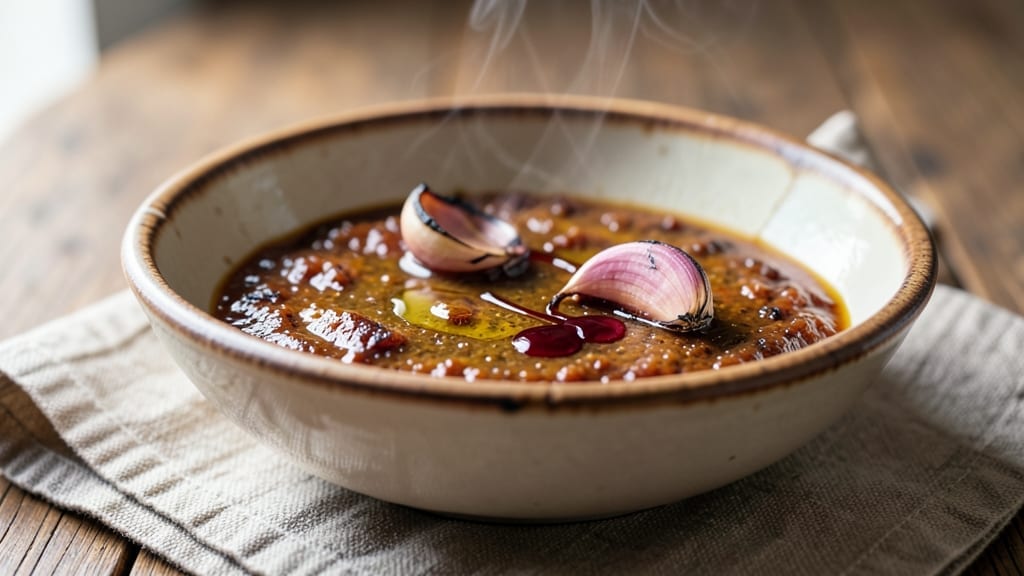
This 3-ingredient sauce recipe transforms simple pantry staples into a bold, versatile condiment that elevates everything from pasta to grilled meats. The secret lies in balancing acidity, richness, and umami—no fancy techniques required.
I developed this after realizing most sauces rely on 5+ ingredients, so I stripped it down to the essentials without sacrificing depth. What you’ll get is a silky, tangy sauce that’s ready in minutes and lasts for weeks.
The magic happens with just tomato paste, olive oil, and red wine vinegar—three ingredients that work together to create a complex, restaurant-worthy sauce. The tomato paste provides a deep, caramelized base, while the vinegar cuts through the richness with bright acidity.
Olive oil ties it all together, adding a velvety texture that coats every bite. It’s the kind of sauce that makes you question why you ever bought store-bought versions.
What makes this sauce so versatile is its ability to adapt to any dish. Toss it with al dente pasta for an instant marinara, drizzle it over grilled chicken for a tangy finish, or use it as a dip for crusty bread.
The flavor develops even more over time, so it tastes better the next day. Plus, it’s zero-waste—no leftovers, no regrets, just pure, flavorful simplicity.
Ready in 10 minutes and shelf-stable for up to a month, this sauce is the ultimate pantry hero. Whether you’re prepping for a weeknight dinner or hosting a dinner party, it delivers professional results with minimal effort. Here’s how to make it—no shortcuts, just bold flavor.
Ingredients for 3 ingredient sauce
Three pantry staples, zero waste, and a sauce that transforms every meal.
| Ingredient | Amount | Notes |
|---|---|---|
| Tomato Paste 🍅 | 2 tbsp | High-quality, no sugar added |
| Extra-Virgin Olive Oil 🫒 | ½ cup | Fruity, peppery variety preferred |
| Red Wine Vinegar 🍷 | ¼ cup | Bold, dry variety for tang |
| Garlic Cloves 🧄 | 2 cloves | Minced for depth (optional) |
| Salt 🧂 | ½ tsp | Kosher or sea salt |
| Black Pepper 🌶️ | ¼ tsp | Freshly ground for heat |
| Dried Basil 🌿 | ½ tsp | Or 1 tbsp fresh basil |
Tomato paste is the backbone here—look for brands like Muir Glen or Rao’s for the best flavor without added sugar. The red wine vinegar should be bold, like Bragg or Bertolli, not that sweet balsamic kind lurking in your cabinet. Olive oil matters too: California avocado or Colavita add that fruity punch. I always grab extra garlic cloves—half goes in the sauce, half gets tossed into whatever I’m serving with it (trust me on this). The dried basil? Penzeys or Trader Joe’s have the best quality, but honestly, whatever you’ve got works—just make sure it’s not ancient.
No tomato paste? Crushed tomatoes at half the amount will work in a pinch, but you’ll lose that concentrated depth. Swap red wine vinegar for balsamic vinegar (use half the amount) if that’s all you’ve got, but the flavor will be sweeter. Olive oil out of reach? Avocado oil or even melted coconut oil can stand in, though the taste will differ slightly. Fresh basil? Use one-third the amount of dried. The garlic is truly optional, but don’t skip the salt and pepper—they’re what balance everything out. Pro tip: If you’re short on time, microwave the tomato paste for 30 seconds to soften it before mixing.
This sauce keeps for up to a month in the fridge—yes, really. I store mine in a glass jar with a tight lid, and it only gets better with time. The flavors meld and deepen, so if you make a big batch, you’ll be thanking yourself later. Freezes beautifully too—just portion it into ice cube trays for single-use servings. Need to use it up fast? Toss it with pasta, drizzle it over grilled meats, or use it as a dip for crusty bread or roasted veggies. Leftovers? Just reheat with a splash of water to loosen it up.
Why You’ll Love This Recipe
- Pantry Magic: I swear by this sauce because it lives in my cupboard. No fresh herbs? No problem. Just open the tomato paste, splash in the olive oil and vinegar, and let the garlic do its thing—no wilting, no fuss.
- Umami Bomb: That first spoonful of tomato paste caramelized with garlic? It’s like a flavor grenade. The vinegar cuts through the richness, and suddenly, everything tastes better—pasta, roasted veggies, even grilled chicken.
- Weeknight Swiss Army: Between us, this sauce is my secret weapon for lazy nights. Drizzle it over eggs, toss it with beans, or slather it on toast—it’s the kind of thing that turns “what’s for dinner?” into “oh, that’ll work.”
- Budget Flex: Honestly, I make a big batch and keep it in the fridge. A few tablespoons stretch across three meals, and the ingredients cost less than takeout. Plus, it’s the kind of sauce that doesn’t spoil—just gets better as it sits.
Step-by-step instructions for 3-Ingredient sauce
This sauce comes together faster than you can say “pantry raid.” Let’s make it.
Bloom the Tomato Paste
Heat the 0.5 cup extra-virgin olive oil in a medium saucepan over medium heat. Once the oil shimmers gently, add the 2 tablespoons tomato paste and stir constantly for 2-3 minutes. You’re looking for the paste to darken slightly and release its deep, caramelized aroma—this is where all the flavor develops.
Don’t walk away during this step. The paste can burn quickly, and that would turn your sauce bitter. If it starts to darken too quickly, reduce the heat slightly. The goal is to cook it just until it loses its raw taste but doesn’t turn black.
Add Garlic and Vinegar
Push the tomato paste to one side of the pan and add the 2 cloves minced garlic to the empty space. Let it sizzle for 30 seconds—just until fragrant—then stir to combine with the tomato paste. Add the 0.25 cup red wine vinegar all at once and bring to a gentle simmer.
Here’s where the magic happens. The vinegar cuts through the richness of the oil and tomato, creating that perfect balance. Let the sauce bubble away for 3-4 minutes—you’ll see it reduce slightly and thicken just a bit. This is normal and exactly what we want.
Season and Simmer
Add the 0.5 teaspoon salt, 0.25 teaspoon black pepper, and 0.5 teaspoon dried basil to the sauce. Stir well to distribute the seasonings evenly. Let the sauce simmer for another 2 minutes—this final simmer ensures all the flavors meld together perfectly.
Taste and adjust the seasoning if needed. You might want to add a pinch more salt or a splash of vinegar if the sauce tastes too flat. The sauce should be bright, tangy, and just slightly sweet from the tomato paste. If it’s too thick, whisk in 1-2 tablespoons water to reach your desired consistency.
Finish and Use Immediately
Remove the sauce from heat and let it cool for 2 minutes—this prevents the oil from separating when you add it to hot dishes. The sauce will thicken slightly as it cools, so don’t worry if it looks a bit too thin right now.
This sauce is best used immediately, but if you need to store it, let it cool completely and transfer to an airtight container. It’ll keep in the refrigerator for up to 5 days. I like to drizzle it over grilled meats, toss it with pasta, or use it as a marinade—it’s that versatile.
Pro Tips For Making 3 Ingredient Sauce
- Bloom the Garlic First: Toss the whole peeled cloves in your olive oil for 30 seconds on medium heat until they just start to shimmer at the edges—no browning, no burning. I learned this the hard way: skipping this step means your sauce will taste raw and sharp instead of mellow and sweet.
- Salt the Tomato Paste: Mix a pinch of salt directly into the tomato paste before cooking. It cuts through the bitterness and lets the vinegar’s acidity play nice. (Yes, even if you plan to add more salt later—this is the thing that matters most.)
- Low and Slow After Vinegar: Once you add the red wine vinegar, immediately drop the heat to the lowest setting. The vinegar will bubble furiously at first, but letting it simmer gently for 5 minutes prevents a harsh, sharp flavor that ruins the balance.
- Use Cold Vinegar: Chill the red wine vinegar in the fridge for 10 minutes before adding it to the sauce. The cold liquid cools the oil and prevents a sudden, aggressive reaction that can make your sauce taste harsh. (Your future self will thank you.)
Make-ahead tips for this recipe
Batch Prep Basics
Make a big batch of this sauce—it’s designed for it! Double or triple the recipe and store it in glass jars with airtight lids (I swear by Le Parfait jars).
The flavors deepen over time, so it tastes even better after 3-4 days in the fridge. Just stir before using to redistribute any settled oil. 💫
Freezer-Friendly Tips
Portion the sauce into ice cube trays for single-use servings—perfect for quick pasta tosses or meat glazes. Once frozen, transfer cubes to a ziplock bag and flatten for compact storage.
Thaw overnight in the fridge or microwave for 20 seconds on low power. Avoid refreezing—this sauce is best used fresh from the fridge.
Sauce as Marinade
Use half the batch as a marinade for chicken, shrimp, or steak. Reserve the other half for serving—it doubles as a finishing sauce! Marinate proteins for 30-60 minutes (no longer, or the vinegar will overpower).
I love this trick for grilled salmon—the sauce caramelizes beautifully on the grill. 🔥
Long-Term Storage Hacks
For month-long storage, sterilize jars and sauce in a water bath canner for 10 minutes. The high acidity from vinegar makes this sauce shelf-stable. Label jars with the date—this sauce lasts up to 6 months unopened.
Once opened, refrigerate and use within 5 days. Pro tip: Add a bay leaf while canning for extra depth.
Flavor Boosts Over Time
Let the sauce sit at room temperature for 10-15 minutes before using—this lets the oil and vinegar emulsify better. If it separates, just whisk vigorously or heat gently on low.
For extra richness, stir in 1 tablespoon butter at the end. The longer it sits, the more complex the flavors become—almost like a slow-cooked reduction. ⏳
Reheating Without Ruining
Gently reheat on the stovetop over low heat with a splash of water to prevent burning. Microwave in 30-second bursts, stirring between each, to avoid splitting the oil. Never boil—this sauce is delicate.
If it thickens too much, thin with 1 teaspoon water or vinegar. The goal is to warm through without cooking the flavors out. 💡
Nutrition facts
Frequently asked questions
Can I make this sauce without olive oil?
You can substitute with avocado oil or melted coconut oil, but the flavor will differ slightly. Olive oil adds fruity depth that’s hard to replicate. If you’re avoiding oil entirely, try unsweetened applesauce (2 tablespoons) for a lighter texture—though the sauce will be thinner and less rich.
How do I fix a sauce that’s too thick or too thin?
For a thicker sauce, simmer uncovered for 2-3 extra minutes to reduce. If it’s too thin, whisk in 1 teaspoon water or vinegar at a time until you reach the right consistency. Never boil—this can break the oil emulsion and make the sauce split. A splash of water works best for thinning.
What are the best dishes to pair with this sauce?
This sauce shines on grilled chicken, shrimp skewers, or steak as a finishing drizzle. Toss it with spaghetti, penne, or orzo for an instant pasta sauce. It also works as a dip for warm crusty bread or roasted vegetables. For extra flavor, mix it with cooked quinoa or farro as a grain bowl base.
Why does my sauce taste flat after making it?
Flat flavor usually means the vinegar or salt needs adjustment. Add 1 extra teaspoon vinegar for brightness or ¼ teaspoon more salt for depth. If it tastes too acidic, stir in ½ teaspoon sugar or honey to balance. Always taste as you go—this sauce is highly customizable!
Can I use this sauce in a slow cooker or Instant Pot?
Yes! For a slow cooker, combine all ingredients and cook on low for 2 hours (stirring occasionally). In an Instant Pot, use the sauté function to cook the tomato paste, then add remaining ingredients and pressure cook for 3 minutes. The slow cooking enhances the flavors but may require thinning with water if too thick.

- 5 Lb Eye Round Roast Recipe: Slow-Braised to Melt-in-Mouth Tenderness - November 3, 2026
- 3-Hour Ciabatta Bread Recipe: Crusty Chews and Airy Holes Mastered - November 3, 2026
- 5 Fruit Salad Recipe: Vibrant Rainbow Layers With No Brown Spots - November 3, 2026