
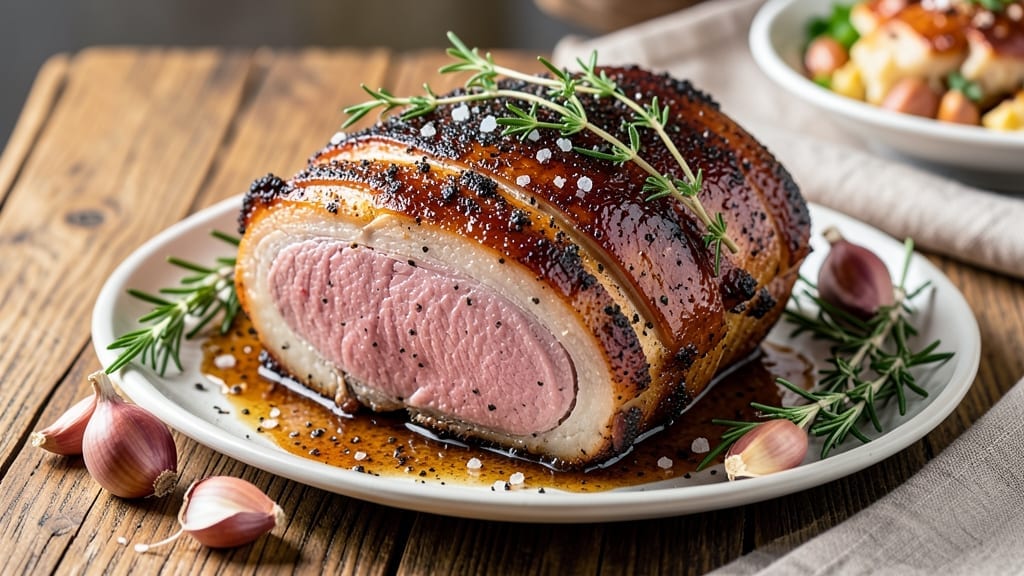
A 3 lb cross rib roast slow-roasted to perfection delivers melt-in-your-mouth tenderness with a caramelized crust that turns every bite into a restaurant-worthy experience. 🔥 The secret lies in a dry brine that keeps the meat juicy while the high-heat finish creates that coveted crust.
I’ve perfected this method over years of holiday dinners, and it never fails to impress—even skeptical meat lovers. This recipe transforms a tough cut into a showstopper with minimal effort.
A 3-hour slow roast at 275°F builds deep flavor, while a final 15 minutes at 450°F achieves that golden, crispy exterior. The internal temperature targets 130–135°F for medium-rare, ensuring a juicy center that practically falls apart. Resting for 20 minutes locks in those juices, so every slice is succulent.
What you’ll end up with is a juicy, flavorful roast with a caramelized crust that’s impossible to resist. The rich, beefy aroma alone will have your guests asking for seconds. Serve with roasted garlic mashed potatoes or a bold red wine reduction to elevate the experience.
This method works for holidays or weeknight dinners—just scale the sides accordingly. The key is patience and precision, but the results are worth every minute. Let’s get started!
Ingredients for 3 lb cross rib roast
The perfect cross rib roast starts with these simple yet powerful ingredients.
| Ingredient | Amount | Notes |
|---|---|---|
| Cross Rib Roast (Bone-In) 🥩 | 3 lb | Center-cut for even cooking |
| Kosher Salt 🧂 | 1 ½ tbsp | Diamond Crystal preferred |
| Freshly Ground Black Pepper 🌶️ | 1 tbsp | Cracked peppercorns preferred |
| Garlic Cloves 🧄 | 6 whole | Smashed lightly for infusion |
| Fresh Rosemary 🌿 | 1 whole | Sprig, woody stems removed |
| Fresh Thyme 🌿 | 2 sprigs | Leaves only, stems removed |
| Extra-Virgin Olive Oil 🫒 | 2 tbsp | For searing and basting |
| Yellow Onion 🧅 | 1 whole | Quartered, skin on |
| Red Wine 🍷 | ½ cup | Bold Cabernet Sauvignon |
| Beef Bone Broth 🥄 | 1 cup | Homemade or high-quality store |
| Unsalted Butter 🧈 | 2 tbsp | Cold for basting |
| Fresh Parsley 🌿 | ¼ cup | Chopped, for garnish |
The roast is the star—bone-in, center-cut gives you that melt-in-your-mouth texture. Most butchers will trim it for you if you ask, but if you’re buying prepped, check for even thickness. I always grab mine from Whole Foods or Costco—their cuts are consistently high-quality. The garlic and herbs? Fresh is non-negotiable here—dried just won’t give you that same depth of flavor. For the wine, any bold red works—Cab Sauv, Merlot, whatever’s open. Just make sure it’s dry, not sweet.
No red wine? Beef broth with a splash of balsamic gets you close. Fresh herbs but no rosemary? Thyme plus a pinch of dried rosemary works in a pinch. The onion is optional but adds sweetness to the pan juices—skip it if you’re in a rush. For the olive oil, use something fruity and peppery—none of that bland supermarket stuff. The butter should be cold when you start basting—take it out 30 minutes ahead so it softens just enough to melt beautifully. And if you’re worried about the roast being too tough, don’t be—this cut is forgiving when done right.
This roast tastes even better the next day, so plan ahead. Wrap it tightly in foil and refrigerate for up to 3 days, or freeze for 3 months if you’re prepping for a big gathering. The leftovers reheat beautifully—just slice against the grain and warm gently in the oven with a splash of broth. I always make extra because it disappears fast. Store the bones separately if you’re saving them for broth—they’re packed with flavor.
Why You’ll Love This Recipe
- Foolproof Seasoning: I swear by this combo—just salt, pepper, crushed garlic, and rosemary rubbed right onto the bone. No fancy marinades, no stress. The crust forms in minutes, and the meat stays juicy because it’s not drowning in sauce.
- Weeknight Crowd-Pleaser: Honestly, this is my go-to when I have friends over last-minute. The bone-in roast feeds four easily, and the leftovers? Perfect for sandwiches the next day. (Yes, even on a Tuesday night.)
- Rich Leftovers: Between us, the best part might be the second day. Slice it thin, toss with a little pan sauce, and suddenly you’ve got dinner for lunch. No waste, all flavor—my wallet thanks me every time.
- Herb-Packed Perfection: That rosemary and garlic? They cling to the meat like it’s their job. The aroma alone makes my kitchen smell like a holiday, and the taste? Deep, smoky, and impossible to resist. (My daughter picks out the best pieces first.)
Step-by-step instructions for slow-roasted cross rib roast
Here’s how to transform that tough-looking roast into melt-in-your-mouth perfection.
🔥 Step 1: Prep the Roast for Maximum Flavor and Tenderness
Remove the cross rib roast from the refrigerator and pat it completely dry with paper towels—this is non-negotiable for crispy crust. I like to do this 30 minutes before roasting to let the meat come to room temperature, which ensures even cooking.
Season both sides aggressively with the 1.5 tablespoons kosher salt and 1 tablespoon freshly ground black pepper, pressing the seasoning into the meat so it adheres well. The salt will penetrate deeply during the long cook, while the pepper adds that essential aromatic punch. Don’t skip this step—proper seasoning is what separates good roasts from spectacular ones.
👨🍳 Step 2: Sear the Roast for Deep Flavor and Crust
Heat a Dutch oven or heavy oven-safe skillet over medium-high heat until it’s screaming hot. Add 2 tablespoons extra-virgin olive oil and let it shimmer for about 1 minute. Place the roast fat-side down and sear for 8-10 minutes, pressing down gently with a meat mallet or heavy pan to ensure even contact with the hot surface.
You’ll know it’s ready to flip when the fat starts to render and the meat releases easily from the pan. Flip the roast and sear the other side for another 6-8 minutes. This step develops that irresistible caramelized crust while locking in juices. Here’s the thing—don’t rush this. Patience now means juicy results later.
🥘 Step 3: Build the Aromatic Base for Pan Sauce
Remove the roast from the pan and set it aside on a plate. Reduce heat to medium and add the 6 smashed garlic cloves, 1 whole rosemary sprig, and 2 sprigs thyme leaves to the same pan. Sauté for 1 minute until fragrant—this is where all the magic happens.
Add the 1 whole yellow onion (quartered) and cook for another 3-4 minutes until the onions begin to soften and caramelize slightly. Pour in the ½ cup red wine, scraping up all those delicious browned bits from the bottom of the pan. Let it simmer for 2-3 minutes until reduced by half. This wine reduction forms the foundation of your pan sauce.
🔥 Step 4: Slow-Roast to Juicy Perfection
Preheat your oven to 300°F. Return the roast to the Dutch oven, fat-side up, and add 1 cup beef bone broth to the pan. The liquid should come about halfway up the sides of the roast. Cover tightly with a lid or foil.
Roast for 3 hours, then check the internal temperature using a meat thermometer. You’re aiming for 195-200°F in the thickest part of the roast. Here’s the secret: the long, low cook breaks down the connective tissue, transforming tough meat into something so tender it practically falls apart. If the liquid reduces too much before then, add a splash more broth or water.
⏰ Step 5: Rest and Create the Ultimate Pan Sauce
Once the roast reaches the target temperature, remove it from the oven and transfer to a cutting board. Tent loosely with foil and let it rest for at least 30 minutes—this crucial step allows the juices to redistribute throughout the meat. While it rests, remove the rosemary and thyme sprigs from the pan and discard them.
Place the Dutch oven back on the stovetop over medium heat and add the 2 tablespoons cold unsalted butter. Whisk constantly until the butter melts and emulsifies with the pan sauce, creating a silky, glossy finish. This butter step is what takes your sauce from good to restaurant-quality. When the sauce coats the back of a spoon, it’s ready to serve.
Pro Tips For Making 3 Lb Cross Rib Roast
- Crust First, Then Heat: Start your roast on the stovetop over high heat—no oven yet. Sear all sides until deep brown, then transfer to a 425°F oven. This builds flavor faster than oven-only methods, and the crust locks in juices better than a slow start.
- Smash Those Garlic Cloves: Don’t just slice the garlic—smash the whole clove with the flat side of your knife first. It releases more flavor when roasted, and the skin won’t burn or turn bitter like sliced pieces do.
- Skip the Overcrowded Pan: If you’re roasting with aromatics, spread them out. Too many herbs and garlic in one spot will steam instead of crisp, leaving you with a soggy mess instead of a fragrant crust.
- Rest Before Carving: Let the roast sit under foil for 15 minutes after pulling it from the oven. Cutting into it too soon sends all the juices pooling on your plate instead of staying where they belong—in the meat.
Wine and beer pairings for these flavors
Red Wine Pairings
The bold, rich flavors of your cross rib roast demand a wine with equal intensity. I always reach for a Cabernet Sauvignon from Napa Valley—its dark fruit notes and firm tannins complement the roast’s caramelized crust beautifully.
For something slightly lighter but still robust, a Malbec from Argentina brings juicy blackberry flavors that cut through the beef’s richness. 🍷
Avoid overly oaky Chardonnays or delicate Pinot Noirs—they’ll get lost in the roast’s depth. If you prefer red blends, look for ones with at least 20% Cabernet Sauvignon in the mix.
I keep a bottle of Louis M. Martini Cabernet Sauvignon on hand specifically for beef dishes—it’s reliable and affordable without sacrificing quality.
Beer Pairings
For beer lovers, a dark amber ale with caramel and toasty malt notes works wonders. I love pairing this roast with Guinness—the roasted barley flavors echo the roast’s crust while the creamy finish balances the meat’s richness.
A Belgian-style dubbel like Westmalle Dubbel also brings depth with its spiced, fruity profile. 🍺
If you prefer lighter beers, a hoppy IPA can work surprisingly well—the citrusy bitterness cleanses your palate between rich bites. Just avoid overly sweet or fruity beers that might clash with the roast’s savory flavors.
I’ve found that Bell’s Two-Hearted Ale (an amber ale) strikes the perfect balance for this dish.
Non-Alcoholic Options
Don’t drink alcohol? No problem. A sparkling grape juice like Welch’s Concord pairs surprisingly well with the roast’s depth. For something more sophisticated, try a non-alcoholic red wine like Freixenet 0.0% Cabernet Sauvignon—it captures the same tannic structure without the alcohol. 🥤
Herbal teas can also work—hibiscus tea with its tart, cranberry-like flavor provides a refreshing contrast. I like to serve it chilled with a slice of lemon.
For a savory option, try a rooibos tea with a splash of orange juice—it’s naturally sweet and pairs beautifully with the roast’s caramelized flavors.
Sauce Pairings
The pan sauce you create becomes the perfect complement to your roast. Drizzle it generously over each serving—it’s packed with all those beautiful fond flavors from the searing process. For extra richness, finish with a sprinkle of fresh parsley and a few flakes of flaky sea salt. 🌿
If you want to get fancy, serve the roast with a side of red wine reduction made from the same Cabernet Sauvignon you’re drinking. Simply reduce 1 cup of wine with 1 tablespoon butter and 1 teaspoon balsamic vinegar until syrupy.
This adds another layer of depth that ties everything together beautifully.
Nutrition facts
Frequently asked questions
How do I know when my 3 lb cross rib roast is done?
Use a meat thermometer to check the internal temperature in the thickest part of the roast. For perfect medium-rare, aim for 130-135°F. If you prefer medium, go up to 140-145°F. The long slow cook means you won’t overcook it—just monitor those temps closely.
Can I cook this roast in a regular oven instead of a Dutch oven?
Place the roast on a rack in a roasting pan and add 1 cup beef broth to the bottom. Cover tightly with foil and cook at 300°F for 3 hours. The key is keeping the liquid around the roast to prevent drying. Just add more broth if needed during cooking.
What’s the best way to carve this roast after resting?
Slice against the grain for maximum tenderness. Start by removing the bones, then cut between each rib bone at a 45-degree angle. For even slices, use a sharp carving knife and cut through the meat, not the bone. Serve with the pan sauce spooned over each portion.
Can I make this recipe with a smaller or larger roast?
Yes! For a 2 lb roast, reduce cooking time to 2.5 hours and the wine/broth to ½ cup each. For a 4 lb roast, increase to 3.5 hours and 1.5 cups liquid. Adjust seasoning proportionally—about ½ tsp salt per pound. The method remains the same!
Why did my roast turn out dry?
Most likely it didn’t rest long enough or was overcooked. Always rest for 30+ minutes after removing from the oven. Also check your internal temp—130°F is perfect for medium-rare. If you’re nervous, pull it out at 125°F and let it rest longer. The slow cook should yield tender, juicy meat!

- 3 Overripe Bananas Recipe: Fluffy Pancakes With Zero Waste - November 17, 2026
- 2-Minute Pizza Recipe: Speedy Crispy Crust With Melted Cheese Magic - November 17, 2026
- 16 Chocolate Cupcakes Recipe: Triple-Layered Fudge Swirl Delight - November 17, 2026