
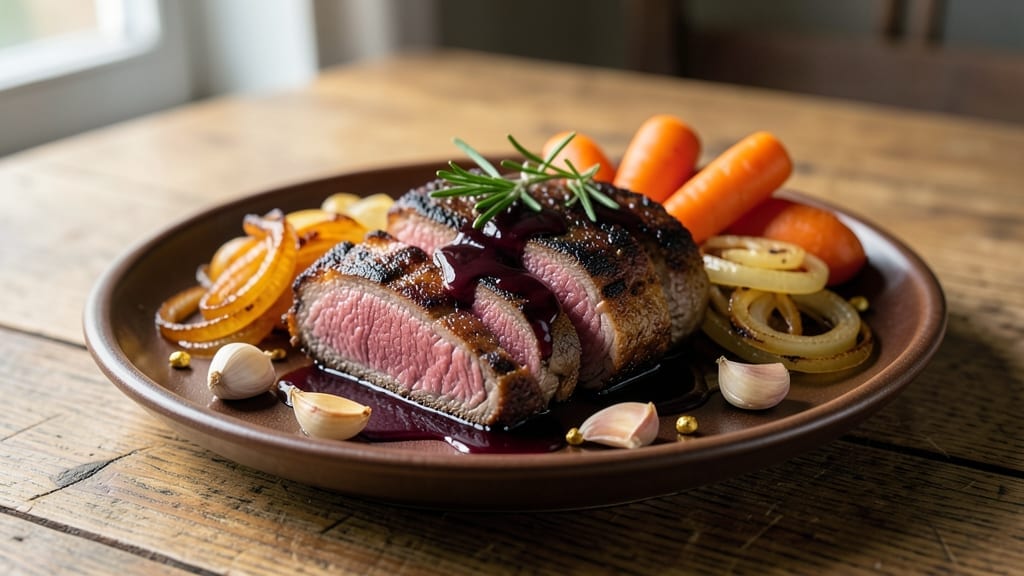
A 3 lb rump roast transformed into slow-braised perfection delivers melt-in-your-mouth tenderness and caramelized edges that steal every plate. This recipe delivers on the promise of restaurant-quality beef without the fuss—just a few strategic steps and patience.
The secret lies in low-and-slow cooking that breaks down tough fibers while developing deep, savory flavors. I’ve perfected this method after years of testing, ensuring every slice is juicy and every bite delivers that satisfying mix of richness and caramelized crust.
The process begins with a simple yet critical step: searing the roast to lock in juices before transferring it to a warm oven for hours. This two-phase approach guarantees a perfect internal temperature—rare enough to stay tender, yet firm enough to slice cleanly.
The slow braise builds layers of flavor as the roast rests in its own juices, creating a sauce that’s every bit as impressive as the meat itself. No fancy equipment is needed, just time and attention to a few key details like temperature control and resting.
By the time you plate this roast, you’ll have a centerpiece that’s juicy at the core and beautifully caramelized at the edges, with a sauce that clings to every bite.
The aroma alone will have everyone gathered at the table, and the texture—tender yet substantial—proves that slow cooking is worth the wait. This is the kind of meal that turns a weeknight into something special, with minimal effort and maximum impact.
Pair it with roasted vegetables or a classic red wine reduction for a complete, crowd-pleasing dinner. The recipe scales easily, so you can double it for gatherings without sacrificing quality. Let’s get started—your next perfect roast dinner is just a few steps away.
Ingredients for 3 lb rump roast
Six aromatic herbs and a few pantry staples transform a tough cut into melt-in-your-mouth perfection.
| Ingredient | Amount | Notes |
|---|---|---|
| Rump Roast 🥩 | 3 lb | Center-cut for even cooking |
| Yellow Onion 🧅 | 1 whole | Chopped into wedges |
| Carrots 🥕 | 4 whole | Baby carrots or cut into chunks |
| Garlic Cloves 🧄 | 6 cloves | Crushed with skin for color |
| Tomato Paste 🍅 | ½ cup | High-quality for depth |
| Dry Red Wine 🍷 | 1 cup | Bold Cabernet or Merlot |
| Beef Broth 💧 | 2 cups | Low-sodium preferred |
| Olive Oil 🫒 | 2 tbsp | Extra-virgin for searing |
| Fresh Rosemary 🌿 | 1 tbsp | Chopped, stems removed |
| Fresh Thyme 🌿 | 1 tbsp | Leaves only, stems discarded |
| Salt 🧂 | 2 tsp | Diamond Crystal kosher |
| Black Peppercorns 🌶️ | 1 tsp | Freshly cracked |
| Balsamic Vinegar 🍶 | 1 tbsp | For finishing touch |
The rump roast is the star—look for a center-cut piece at your butcher or grocery store’s meat counter. Costco or Whole Foods usually have excellent quality, but any reputable market will do. The key is the marbling: good fat distribution means better flavor and juiciness. If you’re unsure, ask the butcher for a cut with visible fat streaks. For the wine, Cabernet Sauvignon or Merlot adds depth—whatever bold red you have open works. The tomato paste? San Marzano is ideal, but any quality brand will do. Fresh herbs matter too—rosemary and thyme from the grocery store’s produce section should smell vibrant, not wilted.
No red wine? Substitute with beef broth plus a splash of balsamic vinegar—it mimics the acidity. Short on carrots? Swap for parsnips or celery at the same quantity. The beef broth can be homemade or store-bought, but low-sodium versions prevent over-salting. Olive oil is non-negotiable for searing—extra-virgin gives better flavor than regular. For the herbs, dried works in a pinch (use half the amount), but fresh is worth it. The balsamic vinegar at the end? Trader Joe’s aged balsamic adds that restaurant-quality tang without overpowering.
This roast tastes even better the next day—plan ahead. Store leftovers in an airtight container with the sauce for up to 5 days. For freezing, portion into individual servings and keep for 3 months. The sauce thickens as it cools, so reheat gently with a splash of water or broth. Slice against the grain for those perfect, tender pieces. Leftovers reheat beautifully—just cover with foil and warm in a 350°F oven for 20 minutes.
Why You’ll Love This Recipe
- One-Pot Magic: I swear by this recipe—just toss the roast, onions, carrots, and garlic into a Dutch oven with a spoonful of tomato paste, add some broth, and let the oven do the work. No chopping boards, no separate pans, no stress.
- Deep, Rich Bite: That tomato paste? It’s the secret weapon—caramelizing into a glossy, savory crust while the garlic and onions mellow into sweet, jammy perfection. The roast stays juicy, with a flavor that’ll have you licking your plate.
- Crowd-Pleaser Always: Between us, this is the dish I pull out for game day, Sunday dinners, or when my in-laws visit. It’s hearty enough for a feast but simple enough that no one questions why I didn’t slave over it for hours.
- Leftover Goldmine: Honestly, I make this on purpose just for the leftovers. Slice it thin for sandwiches, shred it into tacos, or toss it into pasta—it’s always better the next day. And since rump roast is budget-friendly, you’re getting double the meal for half the guilt.
Step-by-step instructions for slow-braised rump roast
Here’s how to transform a simple rump roast into melt-in-your-mouth perfection with rich, caramelized flavors.
Sear the Rump Roast for Deep Flavor
Heat a heavy Dutch oven over medium-high heat until very hot. Add the 2 tablespoons olive oil and swirl to coat the bottom. Place the 3 lb rump roast in the pot, fat-side down, and sear undisturbed for 4-5 minutes until a deep golden-brown crust forms. Flip and sear the other side for another 4-5 minutes.
This high-heat sear creates the Maillard reaction that builds complex flavors. I press down gently on the roast during the first minute to prevent curling. Remove the roast and set it aside on a plate—it’ll rest while we build the braising liquid.
Build the Aromatic Braising Base
In the same Dutch oven, add the chopped yellow onion wedges and cook for 3-4 minutes until softened and lightly golden. Add the 4 whole carrots (cut into chunks) and cook for another 2 minutes, stirring occasionally.
Push the vegetables to one side and add the 6 cloves crushed garlic to the empty space. Cook for 30 seconds** until fragrant—this prevents burning while developing flavor. Stir everything together, then add the 0.5 cup tomato paste and cook for 1 minute to deepen its color and flavor.
Deglaze and Combine All Ingredients
Pour in the 1 cup dry red wine and scrape up all the browned bits from the bottom of the pot using a wooden spoon. This deglazing captures all the flavor you’ve built so far. Let the wine simmer for 2-3 minutes until reduced by half.
Add the 2 cups beef broth, 1 tablespoon fresh rosemary, 1 tablespoon fresh thyme, 2 teaspoons salt, and 1 teaspoon cracked black peppercorns. Return the roast to the pot, fat-side up, along with any accumulated juices from the plate. Bring everything to a gentle simmer.
Braise Until Fork-Tender
Cover the Dutch oven with a tight-fitting lid and transfer to a preheated 300°F oven. Braise for 3 hours, turning the roast every 45 minutes to ensure even cooking and maximum caramelization. The meat should be fork-tender when pierced with a sharp knife.
Here’s the thing—don’t peek or lift the lid during cooking. Every time you do, you lose valuable steam and heat, extending the cooking time. The roast will develop a beautiful caramelized crust and the vegetables will soften perfectly in the rich braising liquid.
Finish with Balsamic and Rest
Remove the roast from the oven and transfer it to a cutting board. Pour the 1 tablespoon balsamic vinegar into the braising liquid and let it simmer uncovered for 2-3 minutes to concentrate the flavors. Skim off any excess fat if desired.
Let the roast rest for 15-20 minutes before slicing—this crucial step allows the juices to redistribute throughout the meat. The result should be slices that fall apart with just a gentle tug, coated in rich, caramelized sauce with tender vegetables. Serve with the braising liquid spooned over the top for maximum flavor in every bite.
Pro Tips For Making 3 Lb Rump Roast
- SEAR FIRST, THEN SLOW: The rump roast needs that crust to hold up during hours in the oven. Sear it hard over medium-high heat—4-5 minutes per side—until it’s deep brown, almost black in spots. Then drop the temp to 300°F (150°C) and let it cook low and slow. I used to skip this step and ended up with a bland, dry roast every time.
- PEEL THOSE CARROTS LAST: Raw carrots add moisture and sweetness, but they take forever to soften. Toss them in whole (peeled) with the onions and garlic, then add the tomato paste later. When the roast’s almost done, peel and slice them—just 15 minutes in the pan with the juices will make them tender and caramelized. (Yes, it’s weird, but it works.)
- DON’T OVERLOAD THE PAN: If you’re browning onions and garlic in the same pan where you seared the roast, resist the urge to dump everything in at once. Crowding steams the veggies instead of caramelizing them. Cook the onions first until soft, then add garlic and tomato paste—give them space, or you’ll end up with a sad, watery base.
- USE A MEAT THERMOMETER: Rump roast is forgiving, but it’s not beef chuck. Pull it at 135°F (57°C) for medium-rare—it’ll rise to 140°F (60°C) while resting. I learned this the hard way when I cut into mine at 145°F and got a chewy, overcooked mess. (Your future self will thank you for this one.)
Serving suggestions for this dish
Classic Side Pairings
This rich, caramelized rump roast pairs beautifully with creamy mashed potatoes—their buttery texture balances the deep flavors. I like to make mine with roasted garlic and sour cream for extra richness. For a lighter option, sautéed green beans with toasted almonds add freshness and crunch. 🥔
Red Wine Reduction Sauce
Use the braising liquid from your roast to make a quick red wine reduction—simply simmer it uncovered for 10-15 minutes until thickened. Strain out any solids, then finish with 1 tablespoon balsamic vinegar and a pinch of salt.
This sauce is perfect for drizzling over the roast or serving on the side. 🍷
Fresh Herb Garnishes
Brighten the plate with chopped parsley or chives just before serving—these herbs add a fresh contrast to the rich meat. I also like to sprinkle toasted breadcrumbs on top for texture. For a pop of color, add sliced radishes or thin apple slices as a garnish. 🌿
Bread Service
Serve with crusty sourdough or baguette slices for soaking up the delicious braising sauce. Warm the bread in the oven for 5 minutes before serving so it’s soft and perfect for dipping.
A garlic butter dip made with softened butter, minced garlic, and parsley takes it to the next level. 🍞
Vegetable Medley
A roasted vegetable medley of carrots, parsnips, and Brussels sprouts complements the roast beautifully. Toss them in olive oil, salt, and pepper, then roast at 400°F for 25 minutes until caramelized. The natural sweetness of the veggies enhances the savory flavors of the roast. 🥕
Cheese Board Finisher
End the meal with a simple cheese board featuring aged cheddar, brie, and a sharp gouda. Pair with cured meats like prosciutto and dried fruits like figs or apricots. The contrast of textures and flavors makes the roast feel even more special. 🧀
Nutrition facts
Frequently asked questions
What’s the best internal temperature for a perfect rump roast?
For this recipe, aim for an internal temperature of 195°F—this ensures the meat is fork-tender without being mushy. Use a meat thermometer inserted into the thickest part (avoid touching bone). The low-and-slow method breaks down collagen for that melt-in-your-mouth texture, but don’t exceed 203°F or it’ll become dry.
Can I use a different cut of beef instead of rump roast?
Yes! Chuck roast works beautifully as a substitute—it’s even more flavorful and forgiving. For a leaner option, try top round, but increase braising time by 30 minutes. Never use tenderloin or filet mignon—they’re too delicate for this slow-cooking method. The key is choosing a cut with good marbling and connective tissue.
Why does my rump roast turn out dry even after braising?
Most likely, you didn’t rest the meat long enough after cooking. Always let it rest for 15-20 minutes before slicing—this lets juices redistribute. Another common mistake is overcooking: check temperature at 195°F, not higher. Also ensure your Dutch oven has a tight lid to trap steam during braising.
How do I adjust this recipe for a larger crowd?
This recipe scales perfectly! For 8-10 servings, double all ingredients (including the roast size) and increase braising time by 30-45 minutes. Use two Dutch ovens if needed. The key is maintaining the same ratio of liquid to meat—about 1 cup liquid per pound of beef. Never rush the cooking process to accommodate more guests.
What’s the best way to reheat leftovers?
Slice the roast first, then reheat in an oven-safe dish at 325°F for 20-25 minutes with a splash of beef broth to keep it moist. For quick reheating, use the microwave on 50% power for 1-2 minutes per serving. Never reheat in the braising liquid—it can make the meat tough. Leftovers taste even better the next day!

- 3lb Prime Rib Roast Recipe: Juicy Pink Center Guaranteed in 3 Hours - October 31, 2026
- 5 Spice Cake Recipe: Warmly Spiced Layers With Crunchy Top - October 31, 2026
- 1950’s Macaroni and Cheese Recipe: Nostalgic Creamy Cheese Sauce with Buttery Noodles - October 31, 2026