
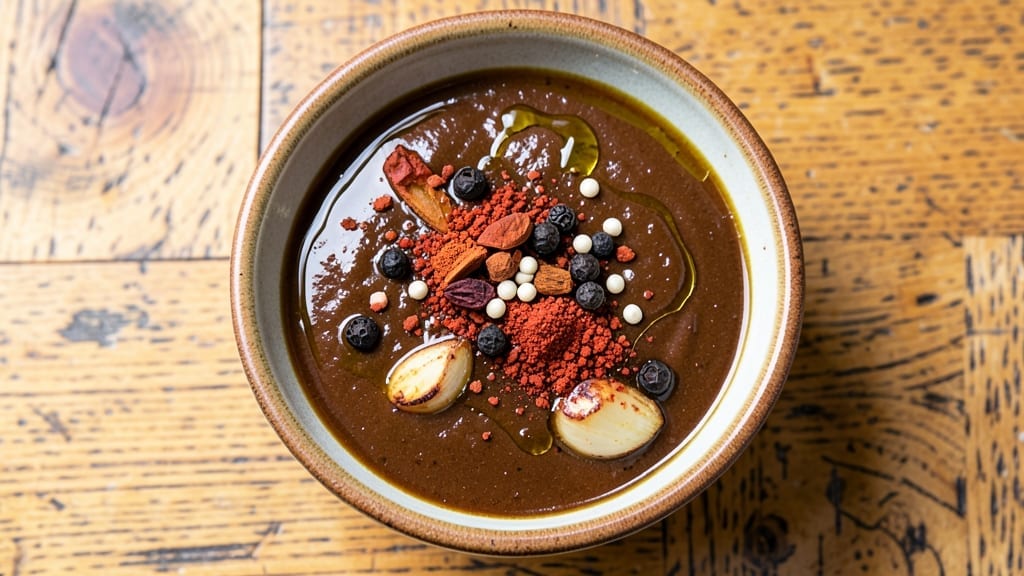
This 3 pepper sauce recipe transforms bold heat into a versatile condiment that elevates everything from tacos to grilled meats.
The secret lies in balancing three distinct peppers—cayenne for fire, black for depth, and white for subtle smokiness—blended with vinegar and oil to create a sauce that’s both complex and foolproof to make.
What sets this apart is the slow simmering process, which develops layers of flavor without overpowering the natural pepper intensity.
The recipe begins with a simple blend of dried peppers, garlic, and vinegar, simmered until the flavors meld into a cohesive, aromatic base.
A quick pulse in the blender transforms it into a velvety sauce with just the right amount of body, while a final touch of olive oil ensures smoothness.
The result is a sauce that’s fiery yet balanced, with enough acidity to cut through richness and a smoky undertone that lingers.
What makes this sauce truly special is its versatility—drizzle it over tacos for instant heat, use it as a marinade for grilled chicken, or serve it as a dip with crispy fries.
The heat level adjusts easily by adding more or less pepper, so you can tailor it to your preference. With just 10 minutes of active prep and 20 minutes of simmering, you’ll have a pantry staple that’s far superior to anything store-bought.
Store it in the fridge for up to 2 weeks, where the flavors deepen over time, or preserve it in oil for even longer shelf life.
Whether you’re a home cook looking to add depth to your meals or a grill master seeking a signature sauce, this recipe delivers restaurant-quality heat with minimal effort. Let’s get started on creating your own fiery masterpiece.
Ingredients for 3 pepper sauce
Pantry staples and spices transform into bold, smoky heat in minutes.
| Ingredient | Amount | Notes |
|---|---|---|
| Dried Cayenne Peppers 🌶️ | 2 tbsp | Crushed for heat intensity |
| Dried Black Peppercorns 🌶️ | 1 ½ tbsp | Crushed for depth |
| Dried White Peppercorns 🌶️ | 1 tbsp | Whole for subtle smokiness |
| Garlic Cloves 🧄 | 4 cloves | Freshly smashed for aroma |
| White Vinegar 💧 | 1 cup | For acidity balance |
| Extra-Virgin Olive Oil 🫒 | ½ cup | High quality for richness |
| Granulated Sugar 🍚 | 1 tbsp | Balances heat |
| Salt 🧂 | 1 tsp | Kosher preferred |
The peppers are the heart of this sauce—dried cayenne brings the fire, black peppercorns add depth, and white peppercorns contribute subtle smokiness. Grab them from the spice aisle at Whole Foods or Trader Joe’s for the freshest flavor. If you’re feeling adventurous, toast the whole peppercorns in a dry skillet for 30 seconds before crushing them—it enhances their aroma. The garlic should be fresh, not powdered, for that authentic punch. White vinegar is key here; apple cider vinegar works too if you prefer a slightly sweeter tang.
No cayenne? Red pepper flakes at half the amount works in a pinch, but you’ll lose some of that signature heat. Short on black peppercorns? Ground black pepper at one-third the amount is a decent swap, though texture will differ. White peppercorns are trickier to substitute—smoked paprika at half the amount mimics the smokiness but won’t be identical. The sugar balances the heat, so don’t skip it unless you’re going for extra spice. For the olive oil, avocado oil is a great neutral alternative if you’re avoiding olive’s fruitiness.
This sauce keeps beautifully in the fridge for 2 weeks, with flavors deepening over time. For longer storage, ladle it into a jar, cover with a thin layer of olive oil, and refrigerate for up to 3 months. The vinegar acts as a natural preservative, so you won’t need to worry about spoilage. If it thickens over time, just stir in a splash of water or vinegar to loosen it up. Trust me, the second batch always tastes even better—it’s worth making extra.
Why You’ll Love This Recipe
- Pantry Magic: I swear by this sauce because it’s made from things I already have—no last-minute grocery runs. Just dried peppers, peppercorns, and garlic simmering in vinegar, and suddenly my fridge feels like a spice merchant’s stall.
- Heat with Depth: The cayenne brings the fire, but the black and white peppercorns add layers I didn’t expect—earthy, sharp, and just a little funky. It’s not just spicy; it’s complex, like a secret weapon for any dish.
- Weeknight Workhorse: Slather it on grilled chicken, toss it with roasted veggies, or drizzle it over eggs—this sauce doesn’t play favorites. Honestly, I’ve used it on everything from tacos to mashed potatoes, and it never lets me down.
- Long-Lasting Value: A single batch keeps for months in the fridge, and the vinegar base means it won’t spoil. Between us, I’ve stretched one jar into three meals, and the cost? A fraction of store-bought sauces that taste half as good.
Step-by-step instructions for 3 pepper sauce
Here’s how to craft a perfectly balanced sauce with layered heat and smoky depth.
Crush the Peppers and Peppercorns
In a small bowl, combine the 2 tablespoons dried cayenne peppers and 1.5 tablespoons dried black peppercorns. Using the flat side of a heavy knife or mortar and pestle, crush them into a coarse powder. You want to break them down but not turn them into fine dust—this preserves texture and prevents bitterness. Set aside the 1 tablespoon dried white peppercorns whole for now; we’ll add those later.
This crushing step is crucial for releasing the peppers’ capsaicin oils while maintaining some texture. I like to work in batches if needed—just be thorough. The cayenne will be fiery, while the black peppercorns add complexity that balances the heat. Save any fine powder for garnish if you like extra kick in each bite.
Toast the Garlic and Combine with Vinegar
Heat a small skillet over medium-low heat and add the 4 cloves smashed garlic. Toast them for 1-2 minutes until fragrant and just beginning to turn golden—don’t let them brown or they’ll turn bitter. Immediately transfer the garlic to a heatproof bowl and add the 1 cup white vinegar. Let this mixture steep for 10 minutes while you prepare the remaining ingredients.
The vinegar extracts the garlic’s oils and mellows its sharpness, creating a smooth base for the sauce. This steeping time is non-negotiable—it’s what transforms raw garlic into aromatic depth. If you’re short on time, you can skip the toasting, but I promise you’ll taste the difference in the final product.
Blend All Ingredients Together
In a blender, combine the crushed pepper mixture, garlic-vinegar infusion, 0.5 cup extra-virgin olive oil, 1 tablespoon granulated sugar, and 1 teaspoon salt. Add the whole 1 tablespoon dried white peppercorns at this stage—their subtle smokiness will shine through without overpowering. Blend on high for 30-45 seconds until completely smooth, scraping down the sides as needed.
This is where the magic happens—the olive oil emulsifies with the vinegar to create a silky texture while the sugar balances the heat. The white peppercorns add that elusive smoky note that makes this sauce truly special. If your sauce looks too thick after blending, add 1-2 tablespoons water to reach your desired consistency.
Simmer and Thicken the Sauce
Transfer the blended mixture to a small saucepan and place it over medium heat. Bring to a gentle simmer and let it cook for 5-7 minutes, stirring occasionally, until it thickens slightly and coats the back of a spoon. The sauce should reduce enough to coat a spoon but still remain pourable—think of it like a thin, fiery gravy.
This simmering step is what develops the sauce’s complexity. You’re evaporating some of the vinegar’s sharpness while concentrating the flavors. Taste as you go and adjust the heat level—if it’s too fiery, add a pinch more sugar; if it’s too mild, add a bit more crushed pepper mixture. Remember, you can always adjust later, but you can’t un-blend what’s been blended.
Strain and Bottle for Storage
Let the sauce cool for 5 minutes, then strain it through a fine-mesh sieve into a clean jar or bottle. Press on the solids with a spoon to extract every last drop of flavor. The strained sauce should be completely smooth with no visible particles. Seal the jar tightly and let it sit at room temperature for 24 hours before using—this resting period allows the flavors to meld completely.
This sauce keeps beautifully in the refrigerator for up to 3 months, though I find it’s best used within the first month. The flavors continue to develop over time, becoming more complex. For an extra smooth texture, you can strain it again before serving. Use it to elevate everything from grilled meats to creamy pasta dishes—just remember, a little goes a long way with this fiery creation.
Pro Tips For Making 3 Pepper Sauce
- Toast the Peppers First: I learned this the hard way—skipping the toasting step means your cayenne peppers will just float like sad, soggy ghosts instead of infusing the oil properly. Dry-toast them in a skillet over medium heat for 30 seconds until fragrant, then immediately crush them with the peppers. This unlocks their flavor and prevents a watery, weak sauce.
- Crush Peppers Coarsely: Don’t pulverize those dried peppers into dust—aim for rough chunks, about the size of a pea. Too fine, and your sauce turns into a muddy paste; too whole, and you’ll get uneven heat. A mortar and pestle works best, but if you’re lazy (like me), a rolling pin on dried peppers in a ziplock bag does the trick.
- Simmer Low and Slow: After combining everything in the vinegar, resist the urge to boil it aggressively. A gentle simmer for 10–15 minutes—just until the garlic softens and the peppers release their oils—keeps the sauce bright and flavorful. Boil it too hard, and you’ll end up with a bitter, vinegary mess.
- Strain Twice for Smoothness: Use a fine-mesh sieve first to catch the pepper skins, then a cheesecloth-lined strainer for the final pass. I was skeptical until I tried it—your sauce will be silky, not gritty, and the texture makes a real difference when drizzling over eggs or pasta. (Yes, even if you’re impatient like me.)
Perfect pairings for this 3 pepper sauce
Drizzle Perfection
Use this sauce as a finishing touch for grilled meats like ribeye steaks or pork chops—just a few drops add instant heat and complexity. I love drizzling it over seared scallops or grilled shrimp skewers for a restaurant-worthy kick.
For extra drama, warm the sauce slightly before serving to enhance its aromatic qualities. 🔥
Marinade Magic
Thin the sauce with 2 tablespoons water per 1 tablespoon sauce to create a bold marinade for chicken thighs or beef short ribs. Let the meat soak for 30-60 minutes—the peppers will tenderize while infusing deep flavor.
I always marinate boneless pork chops this way before grilling, and the results are unforgettable.
Dip Delight
Serve this sauce chilled as a dip with crispy fried plantains, hot wings, or vegetable sticks. The heat contrasts perfectly with the crunch while the smoky undertones add depth.
For a crowd-pleaser, arrange the sauce in a small bowl with a wooden spoon for scooping—it looks as good as it tastes. 🌶️
Pasta Partner
Toss 1 tablespoon sauce into ½ cup cream sauce or pesto for an instant heat boost. The acidity cuts through the richness while the peppers add layers of flavor.
I recommend using it with fettuccine or linguine—the wide noodles hold the sauce beautifully. A sprinkle of fresh basil brightens the dish.
Taco Topper
Use this sauce as a substitute for store-bought hot sauce on tacos, nachos, or burrito bowls. The smoky depth complements shredded beef, pulled pork, or grilled fish tacos perfectly. For extra authenticity, mix 1 teaspoon sauce with 1 tablespoon sour cream to create a spicy crema. 🌮
Beverage Pairings
Cool the sauce slightly and drizzle it into iced tea or sparkling water for a spicy twist. The heat balances the sweetness of mango margaritas or citrus cocktails. For beer lovers, pair it with a Mexican lager like Modelo or a hoppy IPA to tame the spice.
A sip of cold milk helps reset your palate between bites. 🍺
Nutrition facts
Frequently asked questions
Can I adjust the heat level in this pepper sauce?
For milder heat, reduce the cayenne to 1 tablespoon or replace half with smoked paprika. For extra fire, add ½ teaspoon cayenne powder after blending. Always taste as you go—you can’t un-blend it! The sugar helps balance heat, so adjust that too if needed.
What’s the difference between white and black peppercorns in this sauce?
Black peppercorns add bold, sharp flavor and complexity, while white peppercorns contribute subtle smokiness without overpowering. The white peppercorns stay whole during blending, releasing their aroma slowly. If you can’t find white peppercorns, use ½ teaspoon smoked paprika instead. The black peppercorns are crushed first to release their oils.
How do I fix a sauce that’s too thick or too thin?
For thick sauce, simmer uncovered for 2-3 extra minutes to reduce. If it’s too thin, simmer longer or add 1 teaspoon cornstarch mixed with water. For thin sauce, blend again with 1 tablespoon water or vinegar. The ideal consistency should coat the back of a spoon but still be pourable.
Can I make this sauce without a blender?
Yes! Simmer all ingredients (including whole white peppercorns) for 10-12 minutes until thickened, then strain through a fine-mesh sieve. The texture will be slightly grainier but still flavorful. For a smoother result, use a food mill or mortar and pestle to crush the peppers finely before simmering.
Why does my sauce taste bitter?
Bitterness usually means the peppers were over-crushed or cooked too long. For next time, crush peppers coarsely and simmer only until thickened (5-7 minutes). If it’s already bitter, stir in ½ teaspoon sugar or a pinch of salt to balance. Fresh vinegar also helps—avoid using old or cloudy vinegar.

- 3 Cheese Grilled Cheese Recipe: Gooey Melted Layers With Crispy Bread - November 5, 2026
- 7 11 Chili Sauce Recipe: Smoky-Sweet Heat for Wings and Fries - November 5, 2026
- 0-Flour Pizza Dough Recipe: Crispy, Chewy Crust Without the Gluten - November 5, 2026