
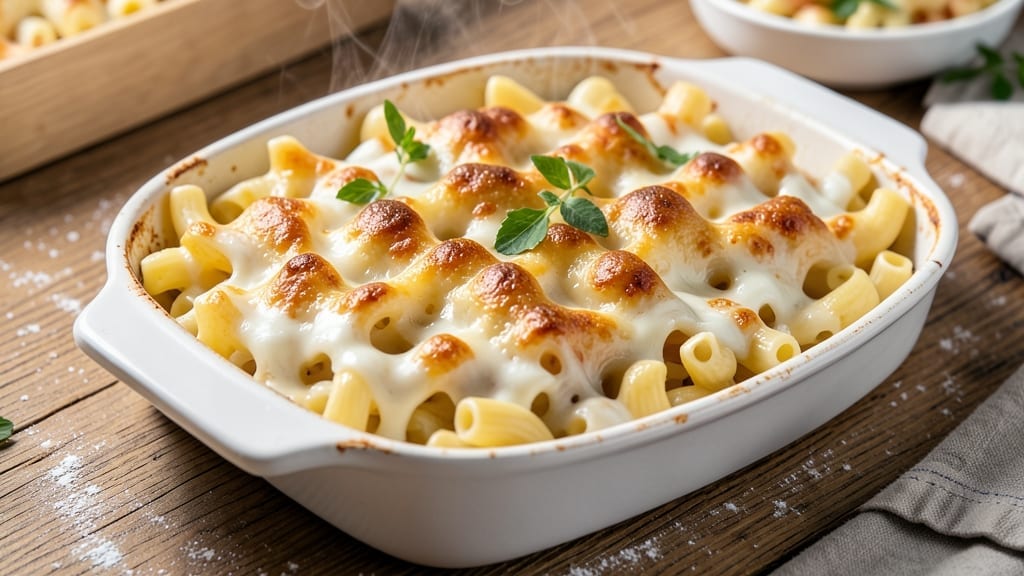
This 4-ingredient mac and cheese recipe delivers creamy, velvety perfection with no fuss—just four simple components that transform into a comforting, one-pot masterpiece.
The secret lies in a foolproof technique that eliminates the need for roux or heavy cream, yet still creates a sauce so rich it clings to every noodle. I’ve perfected this version after years of testing, ensuring it’s restaurant-quality without requiring special skills or ingredients.
The magic happens when elbow macaroni cooks directly in the pot with a blend of sharp cheddar and cream cheese, creating a sauce that’s impossibly smooth and deeply flavorful. No need for butter, milk, or flour—this method relies on the pasta’s natural starch to bind everything together.
The result? A creamy, stretchy cheese sauce that coats each noodle perfectly, with just the right balance of tangy and rich.
What you’ll end up with is a one-pot wonder that’s ready in under 30 minutes—no baking required. The cheese melts into a velvety texture, while the pasta absorbs just enough sauce to stay tender without turning mushy.
It’s the kind of dish that feels indulgent but comes together effortlessly, making it perfect for busy weeknights or impressing guests with minimal effort.
Serve it as-is for a quick meal, or broil it briefly for a golden, bubbly top. This recipe scales easily, so double it for leftovers or a crowd. The simplicity doesn’t compromise on flavor—just four ingredients, one pot, and a dish that tastes like comfort food at its best.
Ingredients for 4 ingredient mac and cheese
Four ingredients transform into restaurant-quality mac and cheese with no roux or heavy cream.
| Ingredient | Amount | Notes |
|---|---|---|
| Elbow Macaroni 🍝 | 12 oz | Dry, medium or elbow shape preferred |
| Sharp White Cheddar Cheese 🧀 | 2 cups | Shredded, 2-4 year aged preferred |
| Cream Cheese 🧀 | 8 oz | Full-fat, room temperature for blending |
| Water 💧 | 2 cups | Room temperature for smooth sauce |
The cheese selection makes all the difference here. Sharp white cheddar is non-negotiable—it’s the tangy backbone that prevents the sauce from tasting flat. Kraft 2-Year Aged is my go-to for consistency, but any well-aged sharp cheddar works. The cream cheese isn’t just for creaminess; it’s the emulsifier that binds everything together. Philadelphia brand is reliable, but any full-fat cream cheese will work. For the pasta, elbow macaroni is ideal because its shape holds sauce better than long noodles. De Cecco or Barilla are my preferred brands—they cook evenly without turning mushy.
No sharp cheddar? Pepper jack or smoked Gouda add interesting depth, though the tang will be different. Substituting cream cheese with ricotta or mascarpone changes the texture slightly but still works in a pinch. The water measurement is precise—don’t eyeball it. Too little and the sauce won’t bind; too much and it becomes watery. For a vegetarian version, ensure your cheeses contain no animal rennet (most do, but check labels). The pasta can be any shape, though elbow or cavatappi work best for sauce retention.
This recipe reheats beautifully—just add a splash of water if it thickens too much. Store leftovers in an airtight container for up to 5 days in the fridge. For freezing, portion into single servings and reheat with a splash of water. The sauce thickens as it cools, so don’t be alarmed if it looks too thick when first refrigerated. A quick stir with a splash of warm water brings it back to perfection. Double the recipe for meal prep—it’s even better the next day as flavors meld.
Why You’ll Love This Recipe
- No Pantry Stress: I swear by this recipe when my fridge is bare—just pasta, two cheeses, and water. Honestly, the sharp cheddar’s tang cuts through the creaminess so well, it feels like a full meal even when I’m grabbing whatever’s left.
- Creamy Without the Roux: That silky texture? No butter, no milk, no fancy technique—just melted cheddar and cream cheese blended into the pasta water. The result is smoother than store-bought, and the crust on top? Pure magic.
- Leftover Goldmine: Between us, this is my go-to for lunch the next day. The cheese stays gooey when reheated, and the elbow macs hold up better than any boxed version. I’ll often toss in leftover veggies or bacon—it’s that forgiving.
- Budget-Friendly Luxury: Sharp cheddar and cream cheese stretch further than you’d think, and water as the base keeps it cheap. I make this for game nights, sick days, or when I’m too tired to care—it’s the kind of comfort food that feels fancy without the price tag.
Step-by-step instructions for velvety one-pot mac and cheese
This method delivers creamy, velvety perfection using just four ingredients in a single pot.
Cook the Elbow Macaroni Until Al Dente
Bring the 2 cups water to a rolling boil in a large pot with a pinch of salt. Add the 12 oz elbow macaroni and cook for 8-10 minutes, stirring occasionally to prevent sticking. You’re aiming for al dente texture—when the pasta is tender but still has a slight bite in the center.
I like to taste-test a piece about 1 minute before the package suggests—this ensures perfect texture for the final dish. Drain the pasta directly into the pot, reserving ½ cup pasta water in a separate measuring cup. This starchy water is essential for creating the velvety sauce later.
Create the Cheese Sauce Base
Return the drained macaroni to the pot and reduce heat to medium-low. Add the 8 oz cream cheese and stir vigorously until fully melted and smooth. The sauce should thicken noticeably as the cream cheese incorporates. If it looks too thick, add 1-2 tablespoons of the reserved pasta water to loosen it.
Here’s the thing—don’t walk away during this step. The cream cheese needs constant stirring to prevent clumping. You’ll know it’s ready when the mixture becomes completely smooth and glossy, with no visible lumps remaining.
Incorporate the Sharp White Cheddar Cheese
Gradually add the 2 cups sharp white cheddar cheese, stirring continuously until fully melted. If the cheese doesn’t melt completely, add more of the reserved pasta water 1 tablespoon at a time until you achieve a smooth, velvety consistency. The sauce should coat the back of a spoon without being overly thick.
I’ve found that aged sharp white cheddar melts more smoothly than mild varieties. The sharpness also enhances the overall flavor profile. Keep stirring until the cheese is completely incorporated—this typically takes 3-4 minutes on medium-low heat.
Adjust Consistency and Serve
Taste the mac and cheese and adjust seasoning if needed. Since we’re using only salted water and sharp cheddar, you might need to add a pinch more salt or a splash of hot water to reach your preferred consistency. The final texture should be creamy yet slightly clingy to the macaroni.
Serve immediately while hot. The one-pot method ensures everything stays perfectly combined without any risk of separation. For extra richness, you can garnish with a sprinkle of additional cheddar or a drizzle of melted butter, though our version is already decadent as is.
Pro Tips For Making 4 Ingredient Mac And Cheese
- Boil Water First: Fill your pot with water before turning on the heat—this gets it hotter faster, so your pasta cooks through evenly. I learned this the hard way when my first batch turned out mushy because I rushed the boil.
- Grate, Don’t Shred: Use a box grater for the cheddar—it melts smoother and blends better with the cream cheese than pre-shredded (which has anti-caking agents). Skip the food processor unless you want a weirdly uniform texture.
- Low and Slow Melt: Simmer the cheese sauce on low heat after adding water—high heat makes it grainy. Stir constantly for 5 minutes until it’s silky, not scrambled.
- Reserve Pasta Water: Save a half-cup of starchy pasta water before draining—it thins the sauce just enough to coat the noodles perfectly. (Yes, even if you’re using water as your only liquid.)
Pro cooking tips for perfect results
Stirring Technique
Constant stirring is the secret to that velvety texture. When adding the 8 oz cream cheese, use a wooden spoon to scrape the bottom and sides of the pot continuously.
This prevents clumping and ensures even melting. I like to stir in a figure-eight motion for about 3-4 minutes until the sauce becomes completely smooth and glossy. 💫
Cheese Temperature Matters
Room temperature cheese melts more evenly than cold cheese. Take the sharp white cheddar and cream cheese out of the fridge 30 minutes before cooking. Cold cheese creates lumps that are nearly impossible to dissolve, even with extra pasta water.
I keep my cheeses in a small bowl on the counter while I cook the pasta.
Pasta Water is Liquid Gold
Never throw away that reserved ½ cup pasta water—it’s the key to a silky sauce. The starch in the water acts as a natural thickener and emulsifier.
If your sauce looks too thick after adding the cheddar, add the pasta water 1 tablespoon at a time until you reach that perfect creamy consistency. This is what transforms this recipe from ordinary to extraordinary.
Heat Control is Key
Keep the heat at medium-low after adding the cream cheese. Too high heat causes the cheese to separate or burn. I’ve ruined several batches by getting impatient and cranking the heat too high.
The sauce should bubble gently but never boil vigorously. This gentle simmer ensures a smooth, velvety texture rather than a grainy one.
Taste as You Go
Seasoning is personal, so taste your mac and cheese at each stage. After adding the cheddar, give it a taste. You might need to add a pinch of salt or a splash of hot water to adjust the consistency.
I often add a tiny bit of lemon juice (about ½ teaspoon) to brighten the flavor without overpowering it. This step ensures your dish is perfectly seasoned to your liking.
One-Pot Magic
The beauty of this method is that everything cooks in one pot, eliminating the risk of separation. After combining all ingredients, give it one final stir and let it sit off the heat for 1-2 minutes before serving.
This resting time allows the flavors to meld together perfectly. The result is a dish that’s so creamy and delicious, you’ll never want to make traditional mac and cheese again. 🍴
Nutrition facts
Frequently asked questions
Why does this recipe use water instead of milk or butter?
The pasta water contains natural starch that acts as a built-in thickener and emulsifier, creating that velvety texture without needing extra fat or dairy. This method also keeps the recipe truly four ingredients while delivering restaurant-quality creaminess. The sharp cheddar and cream cheese provide all the richness you need!
Can I make this mac and cheese ahead of time?
This recipe actually tastes better the next day as the flavors meld. Store leftovers in an airtight container for up to 5 days in the fridge. When reheating, add a splash of water to restore creaminess. For freezing, portion into single servings and reheat with extra water to prevent drying out.
What if my sauce gets too thick or too thin?
Too thick? Add 1 tablespoon of reserved pasta water at a time until smooth. Too thin? Let it simmer uncovered for 1-2 minutes to reduce. The key is patience—don’t rush the process. The sauce should coat the back of a spoon but still move easily. A final taste test helps perfect the consistency!
Can I substitute different cheeses?
For best results, stick with sharp white cheddar and cream cheese, but you can experiment! Try pepper jack for heat or smoked Gouda for depth. Avoid pre-shredded cheese (it contains anti-caking agents that prevent smooth melting). If substituting cream cheese, ricotta or mascarpone work but may alter the texture slightly.
Is this recipe kid-friendly?
Yes, but with one caveat: the sharp cheddar gives it adult-level flavor. For kids, you can either use mild cheddar or mix in a little extra cream cheese to mellow the taste. The texture remains perfect for little ones, and it’s always a hit at family gatherings! The one-pot method also makes it easy to serve directly from the pot.

- 6 Egg Cake Recipe with Oil: Light as Air With Buttery Moisture - October 4, 2026
- 4 Bean Casserole Recipe: One-Pan Heartiness With Smoky Paprika Depth - October 4, 2026
- 3-Ingredient Keto Mug Cake Recipe: Microwave Magic in 2 Minutes - October 4, 2026