
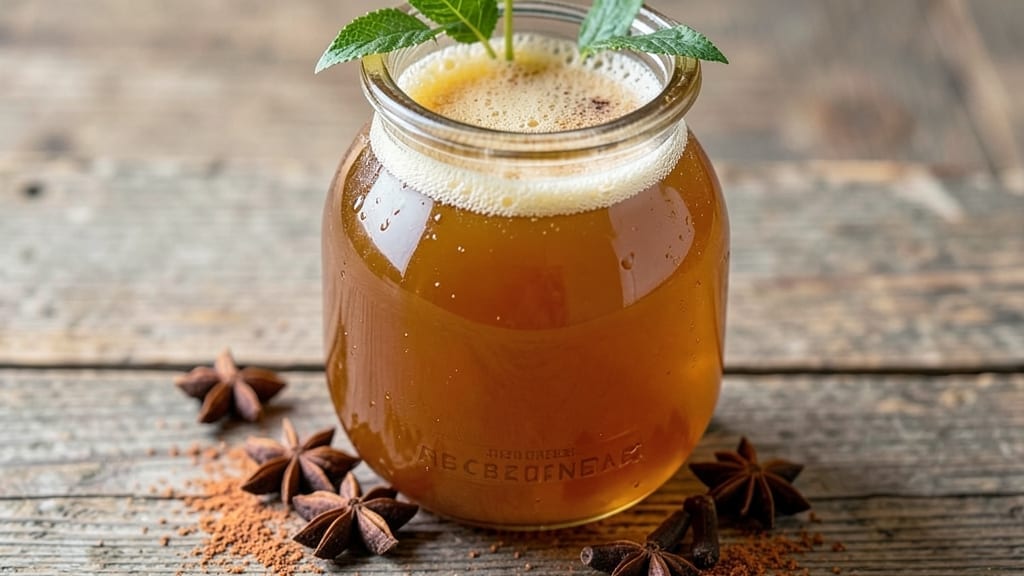
Making 5-gallon hard apple cider transforms crisp fall apples into a rich, spiced fermented drink perfect for gatherings. The process blends traditional orchard flavors with modern fermentation techniques—think warm cinnamon, clove depth, and a smooth 6-8% alcohol finish.
This recipe ensures clarity on yeast selection, sugar ratios, and sanitation to guarantee reliable results every batch.
The magic lies in balancing sweetness and spice while controlling fermentation. You’ll start with fresh apple juice (or concentrate) and carefully selected yeast, then add aromatic spices like star anagram and black pepper for complexity.
A 5-gallon carboy makes this scalable for crowds, with clear instructions for aging, bottling, and optional pasteurization to extend shelf life.
What you’ll achieve is a velvety, slightly effervescent cider with layers of caramel and spice—bright enough for toasts, bold enough for sipping. The recipe includes safety notes on carbonation management and storage, ensuring your hard cider stays crisp and delicious for months.
Whether for holidays or casual sipping, this method delivers restaurant-quality results at home.
Perfect for batching ahead, this cider scales effortlessly for parties or personal stashes. Pair with seasonal treats like apple pie or sharp cheeses for a cohesive autumn spread. Let’s get fermenting!
Ingredients for 5 gallon hard apple cider
Five gallons of crisp apple juice, aromatic spices, and precise fermentation—this is your crowd-pleasing cider foundation.
| Ingredient | Amount | Notes |
|---|---|---|
| Fresh Apple Juice (unpasteurized) 🍎 | 5 gallons | Cloudy preferred for fermentation |
| Granulated White Sugar 🍚 | 2 ½ lbs | Non-iodized preferred for fermentation |
| Active Dry Ale Yeast 🍺 | 1 package | Lalvin EC-1118 or similar |
| Star Anise Pods 🌿 | 4 whole | Crushed lightly for aroma |
| Whole Cloves 🌶️ | 8 whole | For depth and spice |
| Ground Cinnamon 🌿 | 1 tbsp | Ceylon preferred for quality |
| Black Peppercorns 🌶️ | 1 tsp | Crushed for complexity |
| Campden Tablets (Potassium Metabisulfite) 💊 | 1 tablet | Dissolve in 1 cup warm water |
| 5-Gallon Food-Grade Plastic Carboy 🍶 | 1 whole | With airlock and bung |
| 5-Gallon Sanitizing Solution 🧼 | 1 cup | Star San or equivalent |
| Primary Fermentation Lock 🔒 | 1 whole | With rubber stopper |
| Secondary Fermentation Bottles 🍾 | 12 whole | Swing-top or flip-top bottles |
| Pectic Enzyme (optional) 🧪 | 1 tbsp | For clearer final product |
| Hydrogen Peroxide (3%) 🧪 | ½ cup | For bottle sanitization |
The apple juice is non-negotiable—local orchard juice with natural sediment works best for fermentation. Costco or Trader Joe’s often carry unpasteurized options in gallon jugs, but check labels for ‘cloudy’ or ‘unfiltered’. If using concentrate, dilute it with filtered water to 5 gallons total. The sugar is your yeast food, so non-iodized white sugar prevents flavor interference. For yeast, Lalvin EC-1118 (available at homebrew shops) gives consistent results, but any dry ale yeast will work. Spices? Whole Spice Shop sells bulk spices by the ounce—just enough to infuse without overpowering.
No Campden tablets? Potassium sorbate powder works too, but measure carefully—1/4 tsp per gallon is the equivalent. Running short on bottles? Grolsch or Heineken bottles work perfectly with the right caps. The pectic enzyme is optional but Pectinex Ultra Color (from homebrew suppliers) clarifies beautifully. For sanitizing, Star San is the gold standard—just 1 cup in 5 gallons of water. Pro tip: Crush spices lightly with a mortar and pestle to release oils without making a mess. And if you’re batching for a crowd, double the spices—they’ll thank you later.
Store your carboy in a cool (68-72°F), dark place for primary fermentation (7-10 days). After racking to secondary, bottles can age 4-6 weeks for better carbonation. Once bottled, cider keeps 6 months refrigerated—the longer it sits, the smoother it gets. For serving, chill 24 hours minimum for crispness. And if you’re pasteurizing, 150°F for 15 minutes extends shelf life to 1 year. Just don’t forget to cool it quickly to preserve flavor.
Why You’ll Love This Recipe
- Fridge-to-Ferment Ready: I swear by this—just pour the juice, toss in the sugar and spices, pitch the yeast, and let it do the work. No fancy equipment, no stress. My first batch fermented in a clean 5-gallon bucket I borrowed from my neighbor (no judgment).
- Spice-Kissed Magic: That star anise and clove combo? It’s like autumn in a glass—warm, aromatic, and just sweet enough. The yeast does its thing, but the spices make it taste like you spent hours simmering cider over an open fire (without the smoke in your kitchen).
- Party in a Bucket: Serve it ice-cold at tailgates, sip it by the firepit, or gift bottles to friends. I’ve even used it to brine roasted pork—suddenly, your holiday ham tastes like it came from a cider mill. Versatile enough for any gathering, simple enough for a solo night in.
- Pennies on the Dollar: Five gallons for under $20? With just juice, sugar, and a pinch of spices, this is my go-to for bulk drinks without breaking the bank. Plus, the leftovers ferment into something even better—like, “I’ll drink this for a week” better.
Step-by-step instructions for crafting spiced hard apple cider
Here’s how to transform fresh apple juice into rich, spiced hard cider that’ll impress any crowd.
Sanitize Equipment and Prepare the Must
Start by sanitizing your 5-gallon food-grade plastic carboy and primary fermentation lock using the 1 cup 5-gallon sanitizing solution. Fill the carboy halfway with warm water and add the sanitizer, swishing thoroughly before rinsing with clean water. This critical step prevents contamination that could ruin your batch.
In a large sanitized bucket, combine the 5 gallons fresh apple juice (unpasteurized) with the 2.5 lbs granulated white sugar, stirring until completely dissolved. Add the lightly crushed 4 whole star anise pods, 8 whole cloves, 1 tbsp ground cinnamon, and 1 tsp black peppercorns. The spices should steep in the juice for 24 hours at room temperature before fermentation begins. This infusion creates the warm, aromatic complexity signature to hard apple cider.
Add Campden Tablets and Yeast for Clean Fermentation
Dissolve the 1 tablet Campden Tablets (Potassium Metabisulfite) in 1 cup warm water and stir it into your spiced juice mixture. This step is crucial for preventing wild yeast and bacteria from competing with your active dry ale yeast. Let the mixture sit for 24 hours to ensure proper sanitation.
After the sanitizing period, transfer the mixture to your sanitized 5-gallon carboy, leaving about 1 inch of headspace at the top. Sprinkle the active dry ale yeast evenly over the surface of the liquid. The yeast should float on top initially before it activates. Attach the primary fermentation lock immediately to prevent contamination while allowing carbon dioxide to escape.
Primary Fermentation and Daily Monitoring
Place the carboy in a dark, temperature-controlled space between 65-75°F. Primary fermentation typically lasts 7-10 days, during which you’ll see vigorous bubbling through the airlock. Check the lock daily – if it stops bubbling for more than 12 hours, your yeast may have finished its work.
After 5 days, you may choose to add the 1 tbsp pectic enzyme (optional) to help clarify the cider. Stir it in gently to avoid disturbing the yeast. The fermentation process creates a natural effervescence and develops the cider’s signature apple flavor profile. You’ll know it’s ready for transfer when the bubbling slows significantly and the specific gravity reads 1.000 on a hydrometer.
Secondary Fermentation and Bottling
Sanitize your 12 whole secondary fermentation bottles by filling each with 0.5 cup hydrogen peroxide (3%), swirling to coat all surfaces, then rinsing thoroughly with clean water. Carefully siphon the fermented cider from the carboy into the bottles, leaving about 1 inch of headspace in each.
Add a 1/4 tsp of additional yeast to each bottle if you want extra carbonation, then seal with sanitized caps. Store the bottles in a dark place at room temperature for 3-5 days to allow for secondary fermentation. The bottles should develop gentle pressure – if they feel too firm, place them in a cool area to slow carbonation.
Conditioning and Final Tasting
After secondary fermentation, move the bottles to a cool, dark place for 2-4 weeks to condition. This step allows flavors to meld and carbonation to stabilize. Taste occasionally using a sanitized spoon – the cider should be fully fermented with no remaining sweetness when ready.
Once satisfied with the flavor and carbonation, your 25 servings of hard apple cider are ready to enjoy! Store bottles in the refrigerator to slow further fermentation and preserve freshness. Each glass should deliver a perfect balance of apple sweetness, warm spice notes, and crisp effervescence.
Pro Tips For Making 5 Gallon Hard Apple Cider
- Sterilize First: Scrub your 5-gallon bucket and airlock with hot, soapy water—then rinse with boiling water—or risk infections ruining your batch. I learned this the hard way after a funky batch from a “quick wipe-down” that let wild yeast take over.
- Sanitize Yeast Properly: Dissolve the yeast in warm (not hot) water with a pinch of sugar—wait 5–10 minutes until it foams before adding to the juice. Cold water kills it; hot water cooks it. (Yes, I’ve done both.)
- Star Anise Timing: Add star anise and cloves after primary fermentation starts—not at the beginning—or they’ll overpower the flavor. Steep them for 3–5 days max during fermentation, then remove. (Leave them too long, and your cider tastes like a spice cabinet.)
- Sugar Gradually: Don’t dump all the sugar at once—split it into two additions: half at pitch, half after 24 hours. This keeps the yeast from getting overwhelmed and crashing. (I once added all 3 lbs at once and got a sluggish, sticky mess.)
Regional styles of this recipe
New England Style
In New England, hard apple cider often leans toward a drier, tart profile with bold spices like nutmeg and allspice. Use 6 lbs of sugar instead of 2.5 lbs for a slightly higher alcohol content (around 8-10% ABV).
Add 1 tsp ground nutmeg and ½ tsp ground allspice to the spice blend, and ferment at a cooler 60-65°F for 10-12 days to preserve tartness. The result is a bold, almost wine-like cider perfect for chilly autumn nights. 🍂
Midwest Sweet Cider
The Midwest tradition favors sweeter, fruit-forward ciders with a touch of warmth. Reduce sugar to 1.5 lbs and add ½ cup apple cider vinegar during primary fermentation to balance sweetness. Include ½ tsp ground ginger and ½ tsp coriander seeds for a gingerbread-like depth.
Ferment at 68-72°F for 7-9 days, then bottle in swing-top bottles for a semi-sweet, effervescent finish that’s crowd-pleasing at harvest festivals. 🍎
Pacific Northwest Dry Cider
West Coast cider-makers often prefer dry, crisp, and lightly spiced versions with a hint of citrus. Use 2 lbs sugar for a 6-7% ABV finish and add zest from 1 lemon along with the standard spices.
Ferment at 65-70°F for 10 days, then age in bottles for 4-6 weeks to develop a clean, mineral-driven profile. Serve chilled with local Pacific Northwest cheeses like Humboldt Fog for a sophisticated pairing. 🌊
Southern Spiced Cider
Southern styles embrace rich, molasses-like sweetness with smoky and peppery notes. Increase sugar to 3 lbs and add ½ tsp smoked paprika and ½ tsp black pepper (crushed coarsely). Ferment at 70-75°F for 8-10 days, then bottle with 1 oz honey per gallon for a caramelized depth.
This bold, spicy-sweet cider pairs perfectly with BBQ ribs or peach cobbler. 🔥
European-Inspired Dry Cider
For a dry, wine-like cider inspired by European traditions, use 1.5 lbs sugar and add 1 tsp orange peel and ½ tsp juniper berries (lightly crushed). Ferment at 60-65°F for 12-14 days, then age in bottles for 6-8 weeks to develop complex, tannic notes.
This dry, almost bitter cider is best served with aged cheddar or dark chocolate for a sophisticated twist. 🍷
Nutrition facts
Frequently asked questions
Can I use store-bought apple juice instead of fresh?
Yes, but choose unpasteurized, cloudy juice from the refrigerated section (like Trader Joe’s or Costco brands). Avoid clear, pasteurized juice—it lacks the natural yeast and sediment needed for fermentation. If using concentrate, dilute it with filtered water to 5 gallons total and add 1 extra pound of sugar to compensate for lost sweetness.
How do I know when fermentation is complete?
Fermentation is done when the airlock stops bubbling for 24+ hours and the specific gravity reads 1.000 on a hydrometer. Taste a small sample—if it’s dry (no sweetness) and slightly fizzy, it’s ready. For extra safety, let it sit 2 more days before bottling to ensure all sugar is converted.
What if my cider tastes too sweet or sour?
Too sweet? Add 1/4 tsp extra yeast to each bottle and ferment 3 more days to convert residual sugar. Too sour? Mix 1 tsp honey per bottle and let it sit 1 week to mellow flavors. For drastic fixes, blend with 1 part fresh apple juice to 3 parts cider and re-ferment.
Can I make this without a carboy?
Yes, but use a food-grade plastic bucket with a tight lid and a one-way valve (like a balloon tied with a hole in the lid). Sanitize everything thoroughly and monitor for leaks. For bottling, use swing-top bottles with 1/4 tsp yeast per bottle—just be cautious with carbonation buildup.
How long will my hard cider last?
Unpasteurized cider keeps 3-6 months refrigerated, with flavors improving over time. Pasteurized versions (heated to 150°F for 15 minutes) last 1 year unopened. Once opened, consume within 1 week—the alcohol content preserves it longer than non-alcoholic cider, but oxidation still occurs.

- 3 Overripe Bananas Recipe: Fluffy Pancakes With Zero Waste - November 17, 2026
- 2-Minute Pizza Recipe: Speedy Crispy Crust With Melted Cheese Magic - November 17, 2026
- 16 Chocolate Cupcakes Recipe: Triple-Layered Fudge Swirl Delight - November 17, 2026