
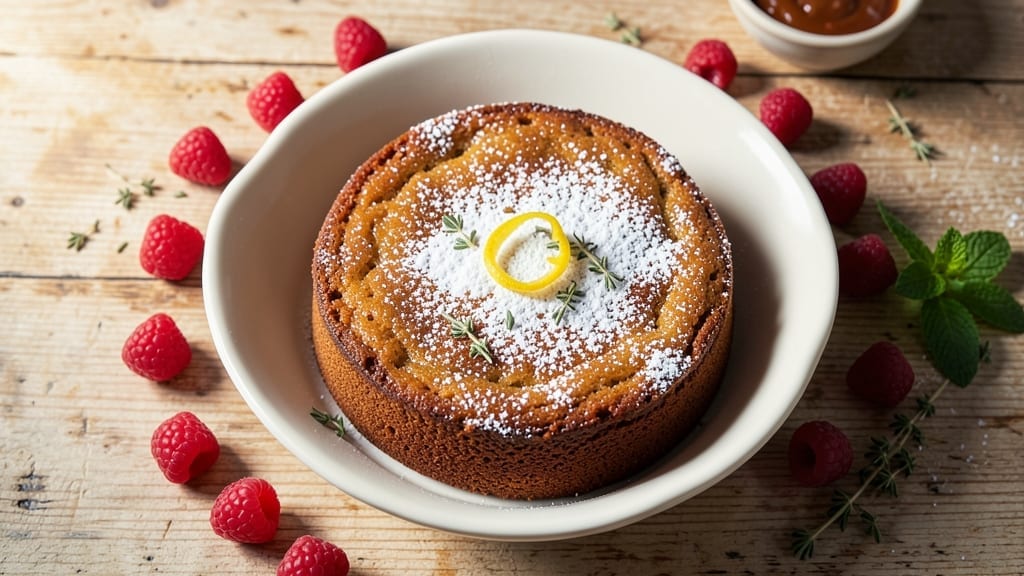
This 6-cup pound cake recipe delivers the perfect balance of vanilla-infused layers and buttery moisture that makes every slice irresistible. The secret lies in the ratio of ingredients—rich butter, precise sugar measurements, and a touch of vanilla extract that infuses every bite with warmth.
I’ve baked this recipe countless times, and it never fails to impress with its tender crumb and subtle sweetness. The beauty of this recipe is its simplicity: just six cups of batter yield a moist, golden cake that bakes evenly in a standard 9×13-inch pan.
No special equipment is needed, and the baking time is straightforward, making it ideal for both beginners and seasoned bakers. The key is patience—letting the cake cool before slicing ensures clean layers every time.
What you’ll end up with is a cake that’s buttery yet light, with a delicate vanilla aroma that lingers with each bite. The texture is perfect—neither too dense nor too crumbly—making it versatile for serving as-is, with a dusting of powdered sugar, or layered with a simple glaze.
It’s the kind of cake that disappears quickly, leaving only crumbs and happy memories. Whether you’re baking for a celebration or a cozy weekend treat, this recipe delivers restaurant-quality results at home. The simplicity of the ingredients doesn’t compromise on flavor—just pure, comforting cake perfection.
Ingredients for 6 cup pound cake
Six cups of batter yield restaurant-quality vanilla pound cake with perfect layers.
| Ingredient | Amount | Notes |
|---|---|---|
| Unsalted Butter 🧈 | 1 ½ cups | Room temperature for creaming |
| Granulated White Sugar 🍚 | 2 ¼ cups | Superfine for smoother texture |
| All-Purpose Flour 🌾 | 2 cups | Sifted for lighter batter |
| Pure Vanilla Extract 🌸 | 2 tbsp | High-quality, Madagascar bourbon |
| Large Eggs 🥚 | 4 whole | Room temperature, separated |
| Baking Powder 🧂 | 2 tsp | Aluminum-free preferred |
| Salt 🧂 | ½ tsp | Diamond Crystal kosher |
| Milk 🥛 | 1 ½ cups | Whole milk for richness |
| Cream of Tartar 🧂 | ½ tsp | Stabilizes egg whites |
The butter is non-negotiable here—European-style or Plugrá from the bakery section gives that signature richness. I always grab mine from Whole Foods or Costco when it’s on sale, but the regular supermarket stuff works fine if it’s unsalted. The sugar matters too: superfine dissolves better, but if you only have regular granulated, pulse it in a food processor for 30 seconds. For the vanilla, Madagascar bourbon extract has the deepest flavor—McCormick or Lake Champlain are solid choices. The eggs need to be room temperature, so pull them out of the fridge 30 minutes before mixing.
No vanilla extract? Vanilla bean paste works beautifully—just reduce the amount to 1 tbsp. Short on butter? Vegetable shortening keeps the texture light, though it won’t taste quite as rich. The milk can be swapped for heavy cream if you want extra decadence, or almond milk for a lighter version. For the flour, if you’re at King Arthur or Bob’s Red Mill, grab their cake flour blend—it’s pre-sifted and makes life easier. The baking powder should be fresh: if it’s more than 6 months old, toast it gently in a dry pan to revive it.
This batter keeps for 3 days in the fridge, covered tightly. For longer storage, portion into ziplock bags and freeze for up to 3 months5 days wrapped in plastic, but I always bake it fresh for that perfect crumb. If you make extra, slice and freeze the pieces between parchment paper—they thaw in 10 minutes and taste like they just came out of the oven.
Why You’ll Love This Recipe
- Six-Ingredient Magic: The butter-to-flour ratio here is chef’s kiss—no measuring cups, no guesswork. Just fold those eggs into the sugar until it’s light and airy, and boom. You’re halfway done before the oven even heats up.
- Vanilla Kiss: That one teaspoon of pure vanilla? It doesn’t just happen—it sings. The warmth of the butter and sugar lets it bloom into this rich, buttery depth that makes store-bought boxes taste like a sad afterthought.
- Everyday Superstar: Slice it for breakfast, cube it for dessert, or serve it plain with coffee—this cake doesn’t put on airs. Honestly, I’ve even thrown it into a smoothie when I was lazy (shhh, don’t tell). It’s the kind of recipe that works hard for you.
- Leftovers That Last: Bake it once, enjoy it for days. The texture stays moist for ages, and the rich flavor only gets better as it sits. I’ve had it cold, room temp, and even reheated—it’s my go-to for when I forget to plan ahead. (Yes, even on a Tuesday night.)
Step-by-step instructions for vanilla-infused pound cake
Here’s how to create layers of buttery moisture and vanilla essence that define this classic recipe.
Prepare Your Ingredients for Optimal Texture
Begin by separating the 4 whole large eggs into yolks and whites. Place the yolks in a large mixing bowl and the whites in a separate, grease-free container. Let the 1.5 cups unsalted butter sit at room temperature for 30 minutes—it should be soft but still hold its shape when pressed. This ensures proper creaming for a tender crumb.
In a small bowl, whisk together the 2.25 cups granulated white sugar, 1.5 cups milk, 2 tbsp pure vanilla extract, 0.5 tsp cream of tartar, 0.5 tsp salt, and 2 tsp baking powder. Sift the 2 cups all-purpose flour into the same bowl and gently fold it into the wet mixture using a spatula. This pre-mixing prevents lumps in your batter later.
Cream Butter and Sugar for Lightness
Using an electric mixer on medium speed, beat the 1.5 cups unsalted butter until smooth and creamy—about 2 minutes. Gradually add the 2.25 cups granulated white sugar while mixing on medium-high speed for 3-4 minutes. The mixture should become pale and fluffy, nearly doubling in volume. This step incorporates air, which creates that signature light, airy texture.
Add the egg yolks, one at a time, mixing well after each addition. Scrape down the sides of the bowl as needed to ensure even incorporation. Here’s the thing—don’t rush this step. Properly creamed butter and sugar create the foundation for that melt-in-your-mouth crumb we’re after.
Combine Wet and Dry Ingredients
With the mixer on low speed, gradually add the prepared wet ingredient mixture to the butter-sugar-yolk combination. Mix just until combined—about 1 minute. Be careful not to overmix, as this can develop gluten and make your cake dense. The batter should be smooth with no visible flour streaks.
In a separate bowl, beat the egg whites with an electric mixer on medium speed until foamy. Gradually increase the speed to high and beat until stiff peaks form—about 3-4 minutes. Gently fold one-third of the beaten egg whites into the cake batter to lighten it. Then, carefully fold in the remaining egg whites using a spatula in a gentle, scooping motion. This maintains the airiness while keeping the structure intact.
Bake for Evenly Moist Layers
Preheat your oven to 350°F. Grease and flour three 9-inch round cake pans or line them with parchment paper. Divide the batter evenly among the pans. Bake for 25-30 minutes or until a toothpick inserted into the center comes out clean. The cake should spring back when gently pressed in the center.
Here’s a pro tip: Rotate the pans halfway through baking for even heat distribution. This prevents any potential hot spots that could dry out one side. Let the cakes cool in their pans for 10 minutes, then transfer to a wire rack to cool completely before layering. This gradual cooling preserves moisture and prevents cracking.
Assemble for Maximum Vanilla Flavor
Once completely cooled, place one cake layer on a serving plate. Spread a thin layer of your favorite vanilla buttercream or whipped cream between each layer. The vanilla extract in your batter will already provide rich flavor, but this extra step enhances the layers of taste and texture.
For presentation, dust the top and sides with a light layer of powdered sugar or additional vanilla-infused glaze. The cake should be moist with a tender crumb that holds its shape. Slice into perfect portions for serving—each bite should deliver that buttery, vanilla-kissed goodness we’re after.
Pro Tips For Making 6 Cup Pound Cake
- Cream Butter Slowly: I learned this the hard way—dumping cold butter straight into the sugar and whipping like crazy just creates grease. Instead, soften the butter to room temp (it should dent when pressed), then beat it with sugar on medium speed for 2–3 minutes first. This emulsifies the fat properly, so your cake won’t turn out greasy or dense.
- Sift That Flour: Yes, even if your recipe doesn’t say it. Sifting the flour removes pockets of air and prevents a heavy texture. For a 6-cup cake, sift the flour twice—once before mixing, once after adding dry ingredients. (Pro move: Sift directly into your bowl to avoid mess.)
- Don’t Overmix Eggs: After adding eggs, mix just until combined—no need to beat them into oblivion. Overmixing develops gluten, which makes your pound cake tough instead of tender. Stop when the batter looks smooth but still has slight streaks.
- Test for Doneness Early: Pound cakes bake differently than cupcakes—don’t wait for the toothpick to come out completely clean. Pull it out at 325°F (163°C) when it has a few moist crumbs. If the sides pull away but the center’s still slightly jiggly, it’s done. (Trust me, overbaking dries it out.)
Serving suggestions for this 6 cup pound cake
Classic Presentation
Serve your pound cake sliced into thick, even portions on a white cake stand for an elegant touch. I like to arrange slices on a marble slab for a rustic yet refined look.
The golden layers should be visible, so slice just before serving to maintain moisture. A simple dusting of powdered sugar adds a professional finish without overpowering the vanilla flavor. 💛
Frosting & Glaze Ideas
For a vanilla buttercream, whip 1 cup unsalted butter with 3 cups powdered sugar and 2 tbsp vanilla extract until light and fluffy. Spread between layers and on top for a smooth, creamy finish.
Alternatively, a lemon glaze made with 1 cup powdered sugar, 2 tbsp lemon juice, and 1 tbsp milk adds a bright contrast to the rich cake. I often drizzle glaze over the top for a glossy, restaurant-style presentation.
Fruit & Nut Toppings
Fresh raspberries or blackberries add a pop of color and acidity that cuts through the richness. Arrange them in a circular pattern on top or between layers for visual appeal. For a nutty twist, sprinkle toasted pecans or chopped walnuts over the buttercream.
I also love adding a dark chocolate ganache drizzle for depth—just melt 4 oz dark chocolate with ½ cup heavy cream, then cool slightly before drizzling.
Coffee & Tea Pairings
A hot cup of coffee or earl grey tea complements the vanilla notes beautifully. For a dessert coffee, try a cortado with its creamy texture and balanced sweetness.
If you prefer tea, chamomile or jasmine enhances the cake’s floral undertones. Serve with a whipped cream dollop on the side for an extra touch of indulgence. ☕
Make-Ahead Serving
This cake actually tastes better the next day, so assemble it 24 hours ahead and store wrapped in an airtight container at room temperature. Refrigerate for up to 3 days if you’re prepping ahead.
Bring to room temperature before serving to preserve that perfect crumb. For a birthday or celebration, add candles and serve with a vanilla bean slice on the side for an interactive touch. 🎉
Portioning for Guests
Cut into 12 equal slices for a crowd—each portion should be about 2 inches wide. For individual servings, use a small round cutter to create uniform rounds. I often serve mini versions at parties by baking the batter in a muffin tin (greased well) for bite-sized treats.
Garnish with a sprinkle of vanilla sugar or a tiny edible flower for a whimsical touch. 🌸
Nutrition facts
Frequently asked questions
Why does this recipe use six cups of flour?
This is a classic pound cake ratio where the total weight of butter, sugar, and eggs equals one pound (16 ounces) per cup of flour. The 6 cups of all-purpose flour create three 9-inch layers with perfect structure and moisture. This ratio ensures a tender crumb without being too dense, making it ideal for layering or serving plain.
Can I bake this in a 9×13-inch pan instead of layers?
Yes! Reduce the batter to 4 cups total (about ⅔ of the recipe) for a single 9×13-inch pan. Bake at 325°F for 50-60 minutes until a toothpick comes out clean. The texture will be slightly denser but still moist. For best results, line the pan with parchment paper and grease lightly.
What if my cake turns out dry?
Dryness usually happens from overbaking or using cold ingredients. Always check doneness with a toothpick at 25-30 minutes—the cake should spring back when pressed. To fix dryness, brush warm slices with simple syrup (equal parts sugar and water, heated until dissolved) or add a thin layer of vanilla buttercream between slices. For prevention, don’t overmix the batter and use room-temperature butter.
How do I store leftover pound cake?
Wrap the cake tightly in plastic wrap and store at room temperature for 3-4 days. For longer storage, slice and freeze individual portions between parchment paper for up to 3 months. Thaw at room temperature for 1-2 hours before serving. Reheat slices in a 200°F oven for 5 minutes to restore freshness.
Can I substitute butter with oil?
While possible, butter gives this cake its signature richness and flavor. If substituting, use 1.25 cups vegetable oil (replace 1:1 with melted butter) and reduce milk by ¼ cup. The texture will be slightly denser, but still moist. For best results, stick with butter—its fat content creates that perfect crumb.

- 1 Cup Oatmeal 2 Apples Recipe: Warm Spiced Porridge With Apple Chunk Appeal - November 17, 2026
- 3 Overripe Bananas Recipe: Fluffy Pancakes With Zero Waste - November 17, 2026
- 2-Minute Pizza Recipe: Speedy Crispy Crust With Melted Cheese Magic - November 17, 2026