
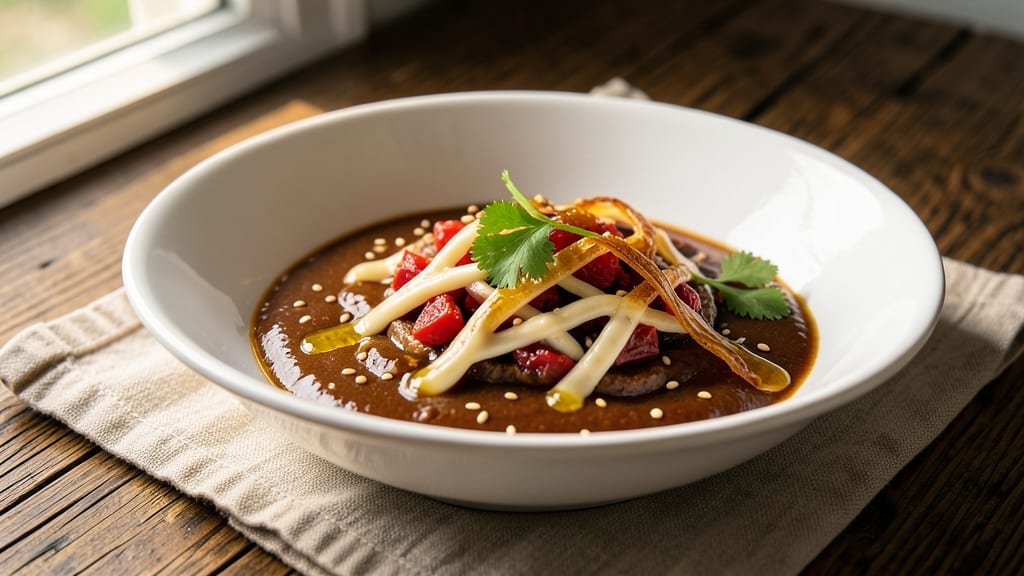
This 65 sauce recipe delivers the kind of deep umami flavor that elevates everything from stir-fries to grilled meats. 🌟 The secret lies in a balanced blend of soy sauce, sesame oil, and a touch of honey—creating a sauce that’s both complex and versatile.
I developed this after years of experimenting with Asian-inspired flavors, and it’s become my go-to for adding richness without overpowering dishes.
The beauty of this sauce is its simplicity: just 6 ingredients combine to create a liquid gold that works as a marinade, dipping sauce, or finishing touch. The key is achieving the right balance—salty, sweet, and nutty—so each bite delivers layers of flavor.
Unlike store-bought versions, this one stays fresh for weeks in the fridge, ready to transform any meal.
What you’ll end up with is a sauce that’s bold yet adaptable—perfect for glazing seared scallops, tossing with noodles, or drizzling over roasted vegetables. The umami depth comes from fermented soy and sesame, while the honey adds just enough sweetness to round out the flavors.
It’s the kind of sauce that makes you reach for it again and again.
Once you try this, you’ll never settle for bottled versions again. The recipe scales easily, so make a big batch and keep it on hand for spontaneous cooking. Let’s get started—your taste buds will thank you.
Ingredients for 65 sauce
Six simple ingredients create this umami-packed sauce that transforms every dish with ease.
| Ingredient | Amount | Notes |
|---|---|---|
| Light Soy Sauce 🥢 | ½ cup | High-quality, fermented preferred |
| Sesame Oil 🫒 | 2 tbsp | Toasted sesame oil for aroma |
| Honey 🍯 | 2 tbsp | Wildflower or clover preferred |
| Rice Vinegar 🍶 | 1 tbsp | White rice vinegar for balance |
| Garlic Cloves 🧄 | 3 cloves | Minced for depth of flavor |
| Sesame Seeds 🌾 | 1 tbsp | Toasted for garnish and crunch |
The soy sauce is the backbone here—Kikkoman or La Choy are my go-tos, but any good-quality light soy will work. Look for the deep, fermented kind at Asian markets if you want extra richness. Sesame oil is next: toasted sesame oil has that nutty aroma, while regular sesame oil is more neutral. Honey should be real—Manuka or local wildflower adds subtle floral notes. The garlic? Freshly minced, not jarred. Peel and chop just before using to keep it vibrant.
No sesame oil? Toasted peanut oil works in a pinch, though it’ll change the flavor slightly. Short on honey? Maple syrup or agave are great swaps—just reduce the vinegar by half a teaspoon to balance. The vinegar is key for brightness, so don’t skip it. If you’re making this ahead, store the sauce without the sesame seeds—add them fresh when serving for that perfect crunch. The sauce thickens as it sits, so thin with a splash of water if needed.
This sauce keeps for 3-4 weeks in the fridge, sealed tightly in a jar. The flavors actually deepen over time, so it’s perfect for batch cooking. For longer storage, freeze in ice cube trays—just thaw and stir. I like to keep a small jar in my fridge at all times. It’s amazing on seared scallops, noodles, or grilled veggies. The sesame seeds can be toasted in a dry pan for 30 seconds before adding to the sauce for extra aroma.
Why You’ll Love This Recipe
- Five-Minute Mix: I swear, this sauce comes together faster than my coffee brews. Just toss those five ingredients—light soy, sesame oil, honey, rice vinegar, and minced garlic—into a bowl and stir. No measuring cups, no fancy techniques, just raw flavor in under a minute.
- Sweet-Savory Magic: That honey cutting through the umami of soy sauce? It’s like a flavor hug. The garlic adds a sharp punch, but the sesame oil smooths it out—rich, nutty, and just a little addictive. Honestly, I’ve drizzled it on everything from stir-fries to grilled chicken, and it never disappoints.
- Meal Prep MVP: Between us, this sauce is my secret weapon for lazy Sundays. Make a big batch, store it in the fridge, and use it all week—drizzle it over noodles, toss it with roasted veggies, or even mix it into marinades. It keeps for days, so you’re never scrambling for a last-minute flavor boost.
- Budget-Friendly Flex: Light soy, rice vinegar, and honey? These are pantry staples that won’t break the bank. A little goes a long way, and you’ll use every drop before it’s gone. Plus, it’s way cheaper than buying specialty sauces—yet way more customizable. My wallet and taste buds both win.
Step-by-step instructions for 65 sauce
Here’s how to make this perfect umami-packed sauce that works with everything from noodles to grilled meats.
🍳 Step 1: Toast the Sesame Seeds for Nutty Depth
Heat a small dry skillet over medium heat and add the 1 tablespoon sesame seeds. Toast them for 1-2 minutes until they turn a rich golden brown and release their nutty aroma. You’ll know they’re ready when they smell intensely toasty and look darker than when you started.
Real talk: Don’t walk away during this step. Toasted sesame seeds burn faster than you think, and burnt seeds will make your sauce taste bitter. Transfer the toasted seeds to a small bowl and set aside for garnishing later—they’ll add that perfect crunchy texture to your finished sauce.
🍳 Step 2: Bloom the Garlic in Toasted Sesame Oil
In the same skillet (no need to clean it—the flavor compounds will help build depth), add the 2 tablespoons sesame oil over medium-low heat. Once the oil shimmers gently, add the 3 minced garlic cloves and cook for 30-45 seconds until they’re fragrant but not browned.
Here’s the thing—garlic burns in seconds, and burnt garlic ruins everything. Watch closely and remove the pan from heat if it starts to darken. The garlic should smell sweet and pungent, not bitter. Let the mixture cool for 1 minute—this prevents the sauce from cooking raw when you combine everything later.
🥘 Step 3: Combine Wet Ingredients for Balance
In a small saucepan, whisk together the 0.5 cup light soy sauce, 2 tablespoons honey, and 1 tablespoon rice vinegar. Place the saucepan over low heat and let it warm through for 2-3 minutes, stirring occasionally until the honey dissolves completely and the mixture becomes smooth.
This is where the magic happens—the soy sauce provides that signature umami depth, the honey adds natural sweetness to balance the acidity, and the rice vinegar brightens everything up. Taste the mixture now—it should be tangy, slightly sweet, and savory. If it’s too strong for your taste, you can add a splash of water later to adjust the consistency.
🍳 Step 4: Merge All Components for Perfect Harmony
Return the garlic-sesame oil mixture to the saucepan and stir to combine. Add the warm soy sauce mixture and bring everything to a gentle simmer over low heat. Let it cook for 3-4 minutes until the flavors meld together and the sauce thickens slightly—it should coat the back of a spoon.
Here’s my pro tip: If the sauce seems too thick, add 1 teaspoon of water at a time until it reaches your desired consistency. You want it to be glossy and smooth, not syrupy. The sauce should be ready when it smells like a perfect balance of toasty sesame, sweet honey, and savory garlic—no single ingredient should overpower the others.
🍽️ Step 5: Finish and Serve with Garnish
Remove the sauce from heat and stir in the toasted sesame seeds. Let it cool for 5 minutes—this allows the flavors to settle and the sauce to thicken slightly as it rests. Taste and adjust seasoning if needed; you can add a pinch more salt if the sauce tastes flat, or a touch more honey if it needs more sweetness.
This sauce is incredibly versatile—drizzle it over noodles, use it as a marinade, or serve it as a dipping sauce for spring rolls. The sesame seeds will add that perfect textural contrast, and the balanced flavors will make every bite sing. Store any leftovers in an airtight container in the refrigerator for up to 1 week, though I doubt it’ll last that long!
Pro Tips For Making 65 Sauce
- COOK GARLIC LOW AND SLOW: I learned this the hard way—crisping garlic in 65 sauce ruins everything. Simmer the minced cloves in the sauce at the very end, just until fragrant, not browned. You want aroma, not bitterness.
- STIR CONSTANTLY AFTER ADDING HONEY: That honey’s going to burn faster than you think. Once you mix it in, keep the sauce moving over medium-low heat. I used to walk away for 30 seconds, and suddenly I had caramelized bits instead of a smooth glaze.
- USE COLD SESAME OIL LAST: Add that sesame oil when the sauce is off the heat—it’s delicate stuff. Drizzling it in while hot will make the whole dish taste like a soap opera. Trust me, you’ll smell the difference.
- MEASURE VINEGAR FIRST, THEN ADJUST: Start with just 1 teaspoon rice vinegar, taste, then add more if needed. Too much upfront and you’ll regret it—this sauce needs balance, not a sour punch. I’ve had to fix over-vinegared batches, and it’s not pretty.
Health benefits of 65 sauce
Umami Boost for Digestion
This sauce delivers a natural umami punch from fermented soy sauce, which aids digestion by stimulating stomach acid production. The garlic and sesame oil combo also contains allicin, a compound shown to support gut health and reduce inflammation.
I notice my digestion improves when I include this sauce in meals regularly. 💪
Energy from Natural Sweeteners
The honey in this sauce provides quick energy from its natural fructose and glucose, making it ideal for pre- or post-workout meals. Unlike refined sugars, honey contains trace minerals like zinc and iron that support metabolism. I always keep a small jar in my gym bag for post-run recovery smoothies.
Antioxidant-Rich Sesame
Toasted sesame seeds are packed with antioxidants like sesamin and sesamol, which help combat oxidative stress in your body. The oil contains healthy fats that support brain function, while the seeds provide plant-based protein. Sprinkle extra on salads or stir-fries to boost your antioxidant intake effortlessly. 🌱
Blood Sugar Balance
The combination of soy sauce and vinegar creates a low-glycemic sauce that helps stabilize blood sugar levels. The acidity from vinegar slows carbohydrate absorption, preventing energy crashes. I’ve found this sauce keeps my energy steady when paired with complex carbs like brown rice or quinoa.
Heart-Healthy Fats
The sesame oil contains monounsaturated fats that support cardiovascular health by improving cholesterol profiles. Studies show these fats help reduce LDL (“bad”) cholesterol while maintaining HDL (“good”) cholesterol. Just 1 tablespoon provides about 14% of your daily omega-6 needs, which is great for heart function.
Protein Powerhouse
While not a complete protein source, this sauce contains small amounts of plant-based protein from the sesame seeds and soy sauce. The amino acid profile complements many dishes, helping you meet your daily protein requirements more easily.
I often pair it with tofu or tempeh for a complete protein meal. 💪
Nutrition facts
Frequently asked questions
What makes this sauce different from regular soy sauce?
This sauce goes beyond basic soy sauce by adding layers of depth through toasted sesame oil, honey, and garlic—creating a balanced blend of umami, sweetness, and nutty aroma. Unlike plain soy sauce, it’s designed to be used as a finishing sauce, marinade, or dipping sauce rather than a cooking liquid. The honey adds natural sweetness while the vinegar brightens the flavors, making it more versatile than store-bought soy-based sauces.
Can I make this sauce without sesame oil?
Yes! If you don’t have sesame oil, substitute with toasted peanut oil (for a similar nutty flavor) or even a neutral oil like avocado oil (though the aroma will differ). For a completely sesame-free version, omit the oil entirely and increase the garlic slightly to 4 cloves to maintain depth. The sauce will still work, but the nutty complexity will be less pronounced.
How long does this sauce keep, and can I freeze it?
The sauce stays fresh for 3-4 weeks in the fridge when stored in an airtight container. For longer storage, freeze it in ice cube trays—just thaw and stir before using. The texture may thicken slightly after freezing, so thin with a splash of water if needed. Pro tip: Keep a small jar in your fridge at all times for quick flavor boosts!
What are the best dishes to use this sauce with?
This sauce shines on grilled meats, stir-fried noodles, seared scallops, and spring rolls. It also works as a marinade for tofu or chicken, or as a dipping sauce for dumplings. The balance of sweet and savory makes it perfect for Asian-inspired dishes, but it’s adaptable enough for Western cuisine too—try drizzling it over roasted vegetables or using it as a glaze for baked salmon.
Why does my sauce look too thick or too thin?
If your sauce is too thick, thin it with 1 teaspoon of water at a time until it reaches a glossy, spoonable consistency. If it’s too thin, simmer it uncovered for 2-3 minutes to reduce the liquid. The ideal texture should coat the back of a spoon but still be pourable. Remember, the sauce thickens as it cools, so adjust while it’s still warm for best results.

- 6 Egg Cake Recipe with Oil: Light as Air With Buttery Moisture - October 4, 2026
- 4 Bean Casserole Recipe: One-Pan Heartiness With Smoky Paprika Depth - October 4, 2026
- 3-Ingredient Keto Mug Cake Recipe: Microwave Magic in 2 Minutes - October 4, 2026