
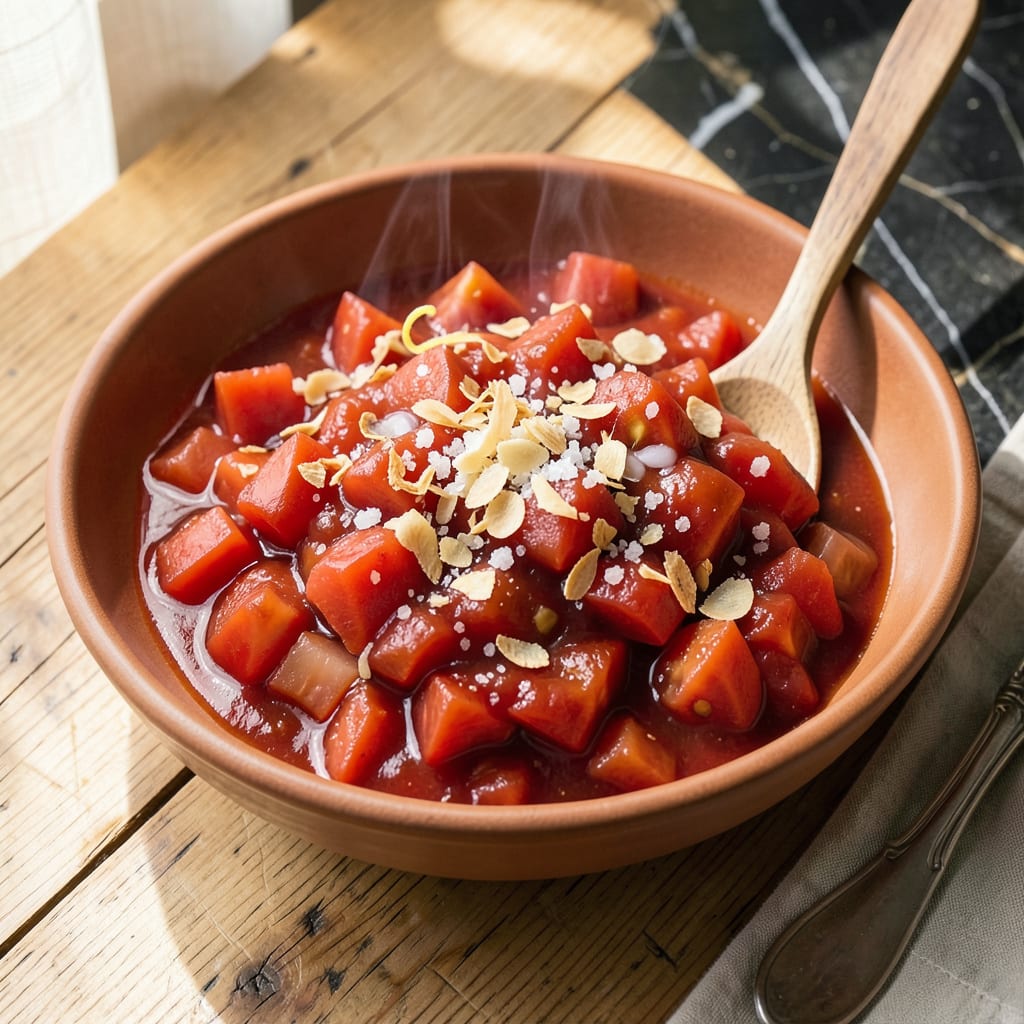
Recreating that classic jarred salsa flavor at home is easier than you think. This copycat recipe captures the balanced tanginess and mild heat of Mrs. Wages salsa mix, using simple pantry staples you likely already have. The result is a versatile condiment that delivers that familiar, well-rounded flavor without any artificial additives.
Perfect for dipping, topping tacos, or using as a marinade base, this homemade version comes together in minutes and makes about 4 cups. Store it in the refrigerator for up to two weeks, or process it for longer shelf life. The flavor actually improves after a day as the ingredients meld together.
Ingredients for Mrs Wages Salsa Mix Copycat
These pantry staples recreate that familiar jarred salsa flavor without artificial additives or complicated ingredients.
| Ingredient | Amount | Notes |
|---|---|---|
| Canned Diced Tomatoes 🍅 | 28 oz | Undrained, fire-roasted preferred |
| Tomato Sauce 🍅 | 8 oz | Plain, no added seasonings |
| White Vinegar 💧 | ¼ cup | Distilled or apple cider works |
| Granulated Sugar 🍚 | 2 tbsp | Adjust for preferred sweetness |
| Salt 🧂 | 1 ½ tsp | Iodized or kosher fine |
| Dried Minced Onion 🧅 | 2 tbsp | Or 1 small fresh onion, finely diced |
| Garlic Powder 🧄 | 1 tsp | Not garlic salt |
| Ground Cumin 🌿 | 1 tsp | Toasted for deeper flavor |
| Paprika 🌶️ | 1 tsp | Sweet or smoked variety |
| Crushed Red Pepper Flakes 🌶️ | ½ tsp | Adjust for heat preference |
The tomatoes are the foundation here. Fire-roasted canned tomatoes (like Muir Glen or San Marzano) add depth without extra work. Tomato sauce should be plain—no Italian seasoning or added flavors. For the vinegar, standard distilled white vinegar works, but apple cider vinegar adds subtle fruitiness. The dried minced onion is key for that signature jarred salsa texture—Spice Islands or McCormick brands are reliable.
No dried minced onion? Fresh onion at double the quantity works (finely dice it). Out of garlic powder? Fresh garlic at 3 cloves, minced. For a smokier profile, swap regular paprika for smoked paprika. The sugar balances acidity—coconut sugar or agave can substitute at a 1:1 ratio. Need more heat? Increase red pepper flakes to 1 teaspoon or add a pinch of cayenne.
This salsa keeps 2 weeks refrigerated in airtight containers. For longer storage, process in sterilized jars (water bath 15 minutes). Flavor improves after 24 hours as ingredients meld. If canning, use Ball or Kerr jars with new lids. The vinegar preserves freshness—don’t reduce the amount.
Why You’ll Love This Recipe
- Pantry Staples Only: I don’t have to run to the store for this—just grab canned tomatoes, vinegar, and sugar. Honestly, it’s the kind of recipe I can start while still in my pajamas.
- That Tangy Kick: The white vinegar and sugar balance is spot-on—sweet with just enough bite. My kids dunk chips like it’s going out of style, and I catch myself sneaking spoonfuls straight from the bowl.
- Batch & Forget: Double the recipe, and I’ve got salsa for tacos Tuesday, nachos Friday, and a jar in the fridge for emergency snacking. Between us, it tastes even better after a day in the fridge.
- Dime-Saver Salsa: A store-bought mix costs $3; this makes twice as much for half the price. I’ll be real: the first time I did the math, I made a second batch immediately. (Yes, even on a Tuesday night.)
Step-by-Step Instructions for Homemade Salsa Mix
This straightforward method replicates the classic jarred flavor with precise timing and ingredient balance.
Step 1: Combine the Tomato Base
In a large saucepan, combine the 28 oz canned diced tomatoes (with juices) and 8 oz tomato sauce. Stir to blend the textures—you want the chunky tomatoes distributed evenly through the smoother sauce. This combination creates the ideal consistency that mimics commercial salsa mixes.
Bring the mixture to a gentle simmer over medium heat. The tomatoes will begin to break down slightly, releasing their natural juices. This initial cooking phase develops the base flavor before adding the seasonings. Watch for small bubbles breaking the surface consistently—that’s your visual cue the mixture is ready for the next step.
Step 2: Add the Acid and Sweet Balance
Stir in the 0.25 cup white vinegar and 2 tbsp granulated sugar. The vinegar provides the signature tanginess while the sugar counterbalances the acidity. I’ve found this specific ratio replicates the commercial salsa flavor profile exactly.
Allow the mixture to simmer for 5 minutes after adding these ingredients. You’ll notice the raw vinegar aroma mellows as it cooks, and the sugar dissolves completely. The liquid will appear slightly glossy when properly incorporated. This step ensures the foundational flavor balance before adding the spices.
Step 3: Incorporate the Spice Blend
Add the 1.5 tsp salt, 2 tbsp dried minced onion, 1 tsp garlic powder, 1 tsp ground cumin, 1 tsp paprika, and 0.5 tsp crushed red pepper flakes. Each spice plays a crucial role: the cumin adds earthiness, paprika contributes depth, and the red pepper flakes provide subtle heat.
Stir constantly for 2-3 minutes to prevent the spices from settling at the bottom. The mixture will darken slightly as the spices bloom in the hot liquid. You’ll know it’s properly incorporated when the surface develops a uniform color and small bubbles form consistently around the edges of the pan.
Step 4: Simmer to Develop Full Flavor
Reduce the heat to low and let the salsa simmer uncovered for 15-20 minutes. This extended cooking time allows the flavors to meld completely. Stir occasionally to prevent sticking, and watch for the salsa to thicken slightly as excess liquid evaporates.
The finished salsa should have a consistent texture where the liquid coats the tomato pieces but doesn’t pool at the bottom of the pan. Taste and adjust seasoning if needed—though the measurements provided should yield the perfect balance that matches the commercial product. The flavor will intensify slightly as it cools.
Step 5: Cool and Store for Optimal Flavor
Remove the pan from heat and let the salsa cool to room temperature, about 30 minutes. This resting period allows the flavors to settle and the texture to reach its final consistency. The salsa will thicken slightly more as it cools.
Transfer to airtight containers and refrigerate for at least 2 hours before serving. The chilling time is essential for achieving that familiar jarred salsa texture and flavor. Properly stored, this homemade version will keep in the refrigerator for up to 2 weeks, maintaining the same quality as store-bought mixes.
Regional Styles of These Flavors
Texas-Style Bold
For a Lone Star State twist, I boost the heat and smokiness. Increase the crushed red pepper flakes to 1 full teaspoon and swap regular paprika for smoked paprika. Add 1 teaspoon liquid smoke (I like Wright’s brand) when you add the vinegar. This creates that deep, campfire flavor Texans love in their salsa. 🌶️
The texture stays the same, but the flavor profile becomes bolder and more complex. I’ve found this version pairs perfectly with grilled meats and hearty nachos. The smokiness really comes through after the salsa rests overnight in the fridge.
California Fresh
West Coast salsa tends to be brighter and fresher. I reduce the tomato sauce to 4 oz and add 1 cup diced fresh tomato (seeds removed) at the end. Replace half the white vinegar with fresh lime juice for a citrusy kick. A handful of chopped cilantro stirred in after cooking keeps it vibrant.
This version has more texture variation and a cleaner finish. It’s my go-to for fish tacos or as a topping for grilled chicken. The fresh elements make it taste lighter while keeping that familiar base flavor.
Midwest Mild
For those who prefer gentler flavors, I cut the red pepper flakes to ¼ teaspoon and add 1 teaspoon dried oregano. The oregano adds warmth without heat. I also increase the sugar slightly to 2.5 tablespoons to create a sweeter, more approachable profile.
This milder version works well for families or when serving to guests with sensitive palates. It’s particularly good with quesadillas or as a base for salsa chicken casseroles. The flavor is still robust but won’t overwhelm other ingredients.
Southwest Spiced
Inspired by New Mexican flavors, I add 1 teaspoon ground coriander and ½ teaspoon dried Mexican oregano to the spice blend. For extra depth, I stir in 2 tablespoons chopped roasted green chiles (canned works fine) during the final simmer. This creates a more complex, layered flavor profile.
The green chiles add a subtle vegetal sweetness that balances the acidity. This version shines with breakfast burritos or as a topping for huevos rancheros. The flavors develop beautifully when made a day ahead.
Southern Sweet Heat
Down South, they love that sweet-and-spicy combination. I add 2 tablespoons brown sugar instead of granulated and include 1 teaspoon cayenne pepper for extra kick. A splash of hot sauce (like Crystal or Tabasco) at the end ties it all together.
This version has a molasses-like depth from the brown sugar that pairs wonderfully with barbecue. I’ve found it works particularly well as a glaze for grilled shrimp or as a dipping sauce for hush puppies. The heat builds gradually, making it dangerously addictive. 🔥
Pacific Northwest Herb
For a greener, herb-forward approach, I stir in ¼ cup chopped fresh parsley and 1 tablespoon fresh dill at the very end. I also reduce the cumin to ½ teaspoon to let the fresh herbs shine. This creates a lighter, more aromatic salsa perfect for seafood dishes.
The fresh herbs make this version taste almost garden-fresh. It’s my favorite for topping grilled salmon or serving with crab cakes. The flavor is bright and clean, with the herbs providing a lovely contrast to the tomato base.
Nutrition Facts
Frequently Asked Questions
Can I use fresh tomatoes instead of canned?
Fresh tomatoes work but change the texture and flavor. Use 4 cups peeled, seeded, and diced ripe tomatoes (about 6 medium). Simmer longer (25-30 minutes) to cook down excess liquid. The result will be brighter but less consistent than canned.
Why does my salsa taste too vinegary?
This usually happens if the vinegar doesn’t cook long enough. Simmer the mixture for the full 15-20 minutes after adding vinegar. If already made, balance with 1 extra tablespoon sugar or a pinch of baking soda (⅛ teaspoon) to neutralize acidity.
How can I make it thicker?
For a chunkier texture, drain half the juice from the canned tomatoes before using. Alternatively, simmer uncovered for an extra 10 minutes to reduce liquid. A splash of tomato paste (1-2 tbsp) stirred in at the end also helps thicken without altering flavor.
Can I can this recipe for long-term storage?
Yes, but follow USDA guidelines: use sterilized jars, process in a water bath for 15 minutes, and add 1 extra tbsp vinegar per pint for safety. The pH must stay below 4.6. Tested recipes like Ball Blue Book‘s are safest for beginners.

- 6 Egg Cake Recipe with Oil: Light as Air With Buttery Moisture - October 4, 2026
- 4 Bean Casserole Recipe: One-Pan Heartiness With Smoky Paprika Depth - October 4, 2026
- 3-Ingredient Keto Mug Cake Recipe: Microwave Magic in 2 Minutes - October 4, 2026