
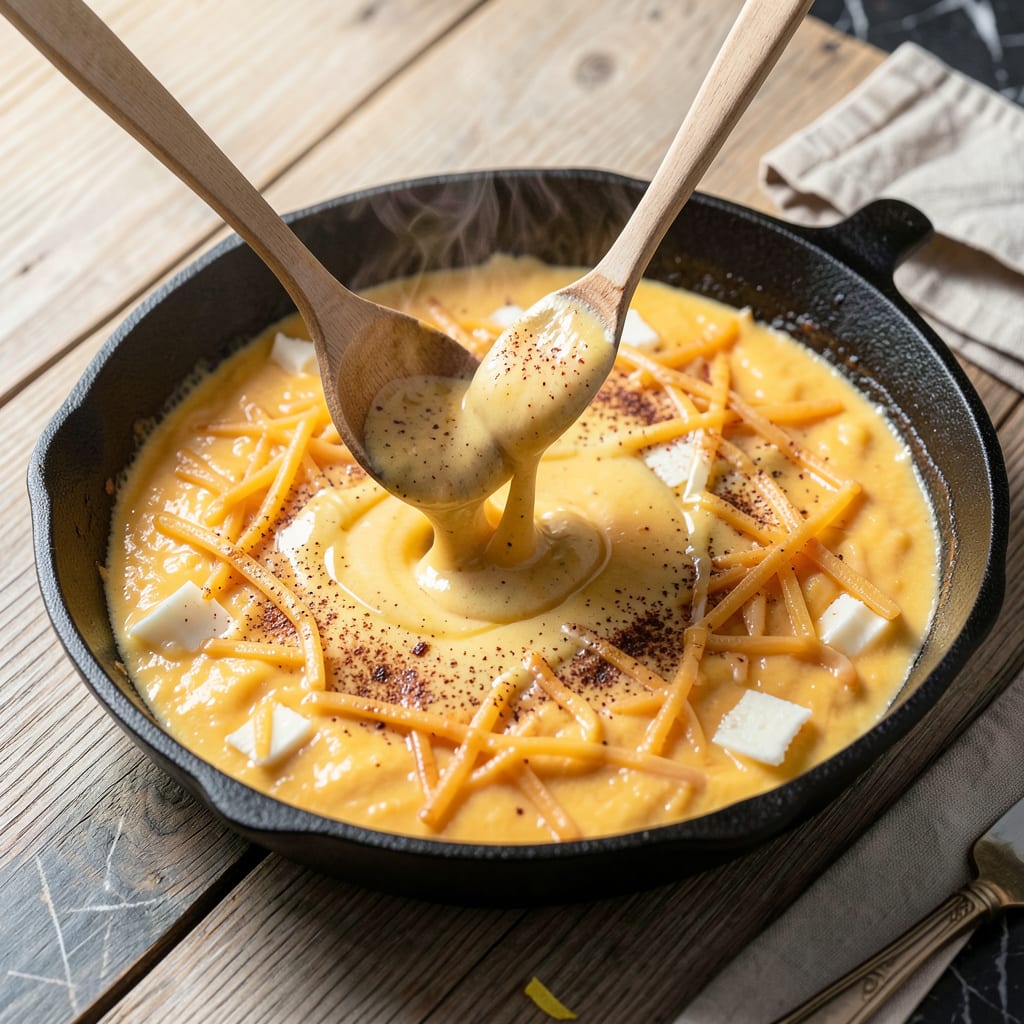
Achieving perfectly smooth queso without graininess or separation is possible with sodium citrate—the secret ingredient professional chefs use for ultra-creamy melted cheese. This method transforms ordinary cheese into a velvety dip that stays stable even when reheated, eliminating the frustration of clumpy or broken sauces.
The science is simple: sodium citrate acts as an emulsifier, allowing cheese to melt uniformly without oil separation. With the right cheese blend (think American for creaminess, cheddar for sharpness) and precise technique, you’ll create a restaurant-quality queso that’s ideal for chips, nachos, or as a topping for loaded fries. No specialized equipment required—just a saucepan and 15 minutes.
Ingredients for Sodium Citrate Queso
These nine precisely measured ingredients create the ultra-smooth, professional-grade queso promised in the introduction.
| Ingredient | Amount | Notes |
|---|---|---|
| Sharp Cheddar Cheese 🧀 | 8 oz | Block form, freshly grated |
| American Cheese 🧀 | 8 oz | Deli counter slices preferred |
| Sodium Citrate 🧪 | 1 tbsp | Food-grade emulsifier |
| Whole Milk 🥛 | ½ cup | Full-fat for optimal creaminess |
| Unsalted Butter 🧈 | 1 tbsp | European-style preferred |
| Distilled White Vinegar 🍶 | 1 tsp | Balances richness |
| Garlic Powder 🧄 | ½ tsp | Freshly ground preferred |
| Onion Powder 🧅 | ½ tsp | Enhances savory depth |
| Ground Cumin 🌿 | ¼ tsp | Toasted for complexity |
| Cayenne Pepper 🔥 | 0.125 tsp | Adjust for heat preference |
The cheese blend is critical for optimal texture and flavor. Sharp cheddar provides the necessary acidity and depth, while American cheese (preferably from the deli counter) ensures unparalleled creaminess. Sodium citrate must be food-grade—Modernist Pantry offers reliable quality. For milk, whole milk with 3.5% fat content yields superior results compared to reduced-fat alternatives. The butter should be European-style (82-86% fat) for maximum emulsification capacity without water content interference.
Substitutions require careful consideration to maintain emulsification. Monterey Jack can replace cheddar at a 1:1 ratio, though flavor intensity will diminish. For sodium citrate, sodium hexametaphosphate (at half the quantity) is the only viable alternative. Vinegar alternatives include fresh lime juice (same quantity) or citric acid solution (1/4 tsp dissolved in 1 tsp water). Spice adjustments should maintain the total volume—smoked paprika can replace cumin for a different profile.
Storage parameters are precise for maintaining quality. The prepared queso holds at 160°F for up to 4 hours in a thermal container. Refrigerated in an airtight container, it remains stable for 5 days, though reheating requires gentle heat and additional milk to restore texture. Sodium citrate maintains its potency for 2 years when stored in a cool, dark environment with desiccant packets to prevent clumping. Cheese should be purchased within 3 days of preparation for optimal melt characteristics.
Why You’ll Love This Recipe
- I’ll be real: this is the only queso that doesn’t turn into a grainy, oily mess on me. The sodium citrate binds the sharp cheddar and American cheese into something smooth every single time—no babysitting, no whisking frantically over heat.
- No Melting Drama: I’ll be real: this is the only queso that doesn’t turn into a grainy, oily mess on me. The sodium citrate binds the sharp cheddar and American cheese into something smooth every single time—no babysitting, no whisking frantically over heat.
- That First-Dip Moment: The combo of extra-sharp cheddar’s bite with the velvety melt of American cheese? Honestly, it’s the reason I make double batches. The butter and whole milk round it out so it’s rich but not heavy—just pure, salty, cheesy satisfaction.
- Taco Night’s MVP: Between us, this queso is why my weeknight tacos feel like a restaurant spread. It reheats like a dream (microwave or stovetop, no separation), clings to chips like it’s its job, and even my picky nephew asks for it on his nachos.
Step-by-Step Instructions for Sodium Citrate Queso
This method ensures a perfectly smooth, velvety cheese dip with no graininess or separation.
Step 1: Prepare the Cheese Base
Begin by grating the 8 oz Sharp Cheddar Cheese into fine shreds using a box grater. I recommend freshly grating from a block rather than using pre-shredded cheese, as the anti-caking agents in pre-shredded varieties can interfere with the emulsification process. Tear the 8 oz American Cheese into small pieces—this helps it melt evenly without clumping.
Combine both cheeses in a medium bowl and toss with the 1 tbsp Sodium Citrate until evenly coated. The sodium citrate acts as an emulsifier, preventing the fats and proteins from separating during heating. This step is critical for achieving that signature ultra-smooth texture.
Step 2: Create the Liquid Base
In a heavy-bottomed saucepan, combine the 0.5 cup Whole Milk and 1 tbsp Unsalted Butter over medium heat. Warm the mixture until the butter fully melts and the milk reaches 160°F—you’ll see small bubbles forming around the edges of the pan. Avoid boiling, as excessive heat can cause the proteins to curdle prematurely.
Once warmed, add the 1 tsp Distilled White Vinegar and stir for 30 seconds. The vinegar brightens the flavor profile and helps balance the richness of the cheese. The mixture should appear smooth with no visible separation before proceeding to the next step.
Step 3: Emulsify the Cheese Mixture
Gradually add the cheese-sodium citrate mixture to the warm liquid, stirring constantly with a silicone spatula. Maintain medium-low heat and continue stirring for 3-5 minutes until the cheese fully melts. The mixture will initially appear thick and stringy, but persistent stirring transforms it into a glossy, homogeneous sauce.
Watch for visual cues: the queso is ready when it coats the back of a spoon and leaves a clean path when you run your finger through it. If the mixture appears too thick, you can thin it with additional whole milk, 1 tablespoon at a time, until reaching your desired consistency.
Step 4: Season and Finish
Remove the saucepan from heat and immediately stir in the 0.5 tsp Garlic Powder, 0.5 tsp Onion Powder, 0.25 tsp Ground Cumin, and 0.125 tsp Cayenne Pepper. The residual heat will bloom the spices without risk of scorching. Taste and adjust seasoning if needed—the flavors should be balanced with a subtle heat from the cayenne.
Let the queso rest for 2 minutes before serving. This brief resting period allows the emulsion to stabilize fully. The final texture should be perfectly smooth with a velvety mouthfeel that clings to chips without being overly thick or greasy.
Regional Styles of These Flavors
Tex-Mex Classic
The Lone Star State takes queso seriously, and this version stays true to Texas roots by adding 1/4 cup diced pickled jalapeños (with 1 tbsp brine) to the finished sauce. I love using Hatch Valley peppers when in season—their smoky-sweet flavor pairs perfectly with the sharp cheddar. Serve with thick-cut El Milagro tortilla chips for authentic crunch. 🌶️
New Mexico Green Chile
Up north, they swap the heat source by blending in 1/2 cup roasted, chopped Hatch green chiles (fire-roasted for maximum flavor). The chiles add a vegetal sweetness that balances the cheese’s richness. I recommend Buchanan’s brand for consistent quality. This version shines on blue corn chips or as a smother for breakfast burritos.
Wisconsin Pub Style
Midwest taverns put their own spin by incorporating 4 oz beer-braised brats (finely diced) and 1 tsp mustard powder into the mix. The beer from the brats adds malty depth, while the mustard cuts through the fat. I’ve found Leinenkugel’s Summer Shandy works surprisingly well here. Serve with pretzel bites for the ultimate game-day combo.
California Avocado
West Coast versions lighten things up with 1/2 cup diced Hass avocado folded in just before serving. The creamy avocado adds freshness and a beautiful green swirl. I like to finish with 1 tbsp fresh lime zest and a sprinkle of Tajín seasoning. This pairs wonderfully with plantain chips for a tropical twist.
Chicago Stadium Style
Inspired by sports bars, this version gets its signature kick from 2 tbsp Giardiniera relish (drained well) stirred in at the end. The pickled vegetables add crunch and tang that cuts through all that cheese. I use Marconi’s brand for authentic Chicago flavor. Serve with garlic breadsticks for dipping—trust me on this one. 💛
Southwest Chipotle
For smoky depth, blend in 1 tbsp chipotle peppers in adobo (minced) with the spices. The smokiness pairs beautifully with the cheddar’s sharpness. I recommend San Marcos brand chipotles for consistent heat. Garnish with cilantro leaves and serve with tostones (fried plantains) for a creative Caribbean-Southwest fusion.
Nutrition Facts
Frequently Asked Questions
Where can I find food-grade sodium citrate?
Look for it in specialty baking stores or online retailers like Modernist Pantry or Amazon. It’s often sold as a “melting salt” for cheese sauces. Avoid industrial-grade versions, which aren’t safe for consumption.
Can I make this ahead of time?
Store in an airtight container for up to 5 days in the fridge. Reheat gently over low heat, stirring constantly. Add 1-2 tbsp milk if it thickens too much.
Why did my queso turn grainy?
This usually happens if the heat was too high or the cheese wasn’t fully coated in sodium citrate. Next time, keep the temperature at medium-low and stir constantly. If it happens, blend with an immersion blender to smooth it out.
What cheese works best for this recipe?
Sharp cheddar and American cheese create the perfect balance of flavor and creaminess. For variations, try Monterey Jack or Pepper Jack for a spicier kick. Always grate your own for best results.
Can I freeze leftover queso?
Yes, but the texture may change slightly. Freeze in 1-cup portions for up to 3 months. Thaw overnight in the fridge, then reheat slowly with extra milk to restore creaminess.

- 4 Bean Casserole Recipe: One-Pan Heartiness With Smoky Paprika Depth - October 4, 2026
- 3-Ingredient Keto Mug Cake Recipe: Microwave Magic in 2 Minutes - October 4, 2026
- 3 Ingredient Lemon Cookie Recipe: Zesty Brightness in 15 Minutes - October 4, 2026