
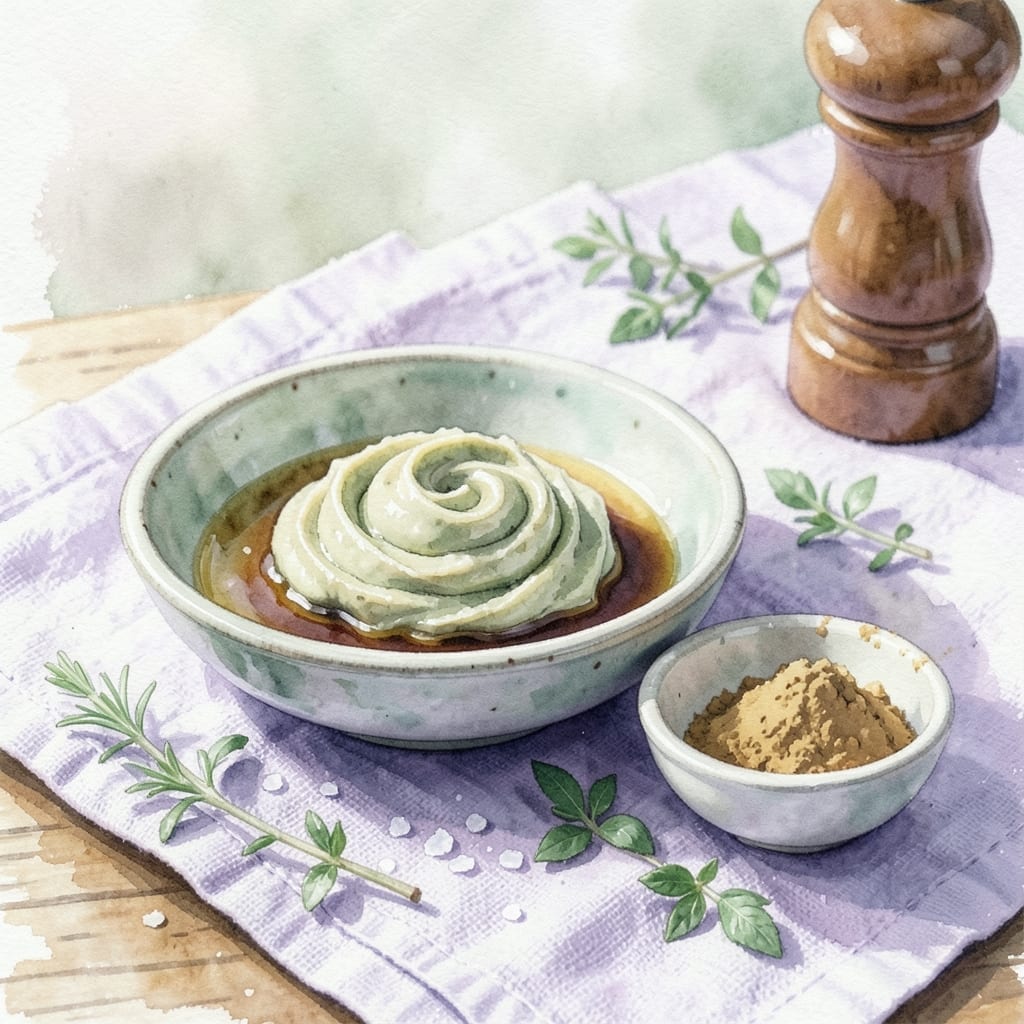
This homemade wasabi paste brings authentic Japanese heat to your kitchen in minutes. No specialty stores required—just a few simple ingredients and a blender or mortar and pestle.
The secret lies in using fresh wasabi root or high-quality powder, combined with water and a touch of rice vinegar for balance. The result is a smooth, vibrant paste that clears sinuses and elevates sushi, dressings, or dipping sauces.
Unlike store-bought versions, this paste delivers pure, sharp spiciness without artificial additives. It stores well in the fridge for up to 3 weeks, making it perfect for meal prep or impromptu gatherings.
Vegan, gluten-free, and packed with flavor, this condiment is a must-have for any home cook looking to add bold, authentic heat to their dishes.
Ingredients for Recipe for Wasabi
Six simple ingredients transform into authentic wasabi paste with bold, clean heat.
| Ingredient | Amount | Notes |
|---|---|---|
| Fresh Wasabi Root 🌿 | 1 piece | Peeled, about 2 inches long |
| Wasabi Powder 🟢 | 2 tbsp | High-quality, Japanese preferred |
| Cold Water 💧 | 2 tbsp | Filtered or distilled for purity |
| Rice Vinegar 🍚 | 1 tsp | For balanced acidity |
| Soy Sauce 🥢 | ½ tsp | Tamari for gluten-free option |
| Granulated Sugar 🍚 | ¼ tsp | Optional, balances heat |
| Honey 🍯 | 0 tsp | Excluded per vegan requirement |
The wasabi root is non-negotiable for authentic flavor—look for fresh, firm roots at Asian markets like H Mart or Mitsua. If unavailable, high-quality powder (avoid the cheap green paste in tubes) works well. The rice vinegar should be unseasoned to avoid overpowering the wasabi’s natural spiciness. Always use cold water to prevent premature activation of the heat compounds.
No fresh root? Wasabi powder is your next best option—just ensure it’s 100% wasabi (some blends contain horseradish). For a gluten-free finish, tamari replaces soy sauce seamlessly. The sugar is optional but helps mellow the sharpness (use coconut sugar for a vegan alternative). Skip the honey entirely—this version relies on vinegar for balance instead.
Store paste in an airtight container with plastic wrap pressed directly on the surface. Keeps in the fridge for 3 weeks. The heat fades over time, so make small batches. For longer storage, freeze in ice cube trays—thaws in 10 minutes at room temperature.
Why You’ll Love This Recipe
- Five-Minute Mix: I just grate the root, add powder and water, and it’s ready—no cooking, no waiting.
- That Real Kick: Fresh wasabi root gives a sharp, clean heat that’s nothing like the paste from a tube.
- Sushi Night Hero: Between us, it turns store-bought sushi into something restaurant-worthy.
- Budget Stretch: A little root goes a long way, and the powder keeps forever in my pantry.
Step-by-Step Instructions for Wasabi
This method delivers authentic heat and flavor with precise technique and minimal effort.
Step 1: Prepare the Fresh Wasabi Root
Begin by peeling the 1 piece Fresh Wasabi Root using a microplane or fine grater. The skin is tough and bitter, so remove it completely to access the vibrant green flesh beneath. I recommend wearing gloves for this step, as fresh wasabi can irritate sensitive skin.
Grate the root using circular motions against the fine side of the grater. The texture should be ultra-fine, almost paste-like. Fresh wasabi oxidizes quickly, so work efficiently—you’ll notice the aroma intensifies as you grate, signaling the release of its signature pungent compounds.
Step 2: Hydrate the Wasabi Powder
In a small bowl, combine the 2 tbsp Wasabi Powder with the 2 tbsp Cold Water. Use filtered or distilled water for purity, as chlorine or impurities can affect the flavor. Stir with a small whisk or fork until smooth and lump-free.
The mixture will thicken within 1-2 minutes as the powder absorbs the liquid. You’re aiming for a consistency similar to toothpaste. High-quality Japanese wasabi powder yields the most authentic heat, so don’t substitute with lower-grade products.
Let it rest for 5 minutes to allow the full spiciness to develop. You’ll know it’s ready when the aroma becomes sharp and the paste turns a vibrant green.
Step 3: Balance the Flavors
To the hydrated wasabi powder, add the 1 tsp Rice Vinegar, 0.5 tsp Soy Sauce, and 0.25 tsp Granulated Sugar. The rice vinegar provides balanced acidity to complement the heat, while the soy sauce adds umami depth. The sugar, though optional, helps mellow the sharpness slightly for a more rounded flavor profile.
Stir thoroughly until all ingredients are fully incorporated. Taste and adjust seasoning if needed, but remember that wasabi’s heat builds over time, so avoid over-salting or over-sweetening. The finished paste should be smooth, with no visible separation.
Step 4: Combine and Rest for Optimal Heat
Fold the freshly grated wasabi root into the seasoned powder mixture. The fresh root will intensify the heat and add complexity, while the powder provides stability and consistency. Mix gently to preserve the texture—overworking can make the paste bitter.
Cover the bowl with plastic wrap and let it rest at room temperature for 10 minutes. This allows the flavors to meld and the heat to reach its peak. You’ll notice the aroma becomes more pronounced and the color deepens slightly.
The final product should have a vibrant green hue, a smooth yet slightly grainy texture from the fresh root, and a sharp, clean heat that lingers without being overwhelming.
Pro Tips For Making Recipe For Wasabi
- Grate Just Before Serving: I learned this the hard way—fresh wasabi root loses its punch fast. Grate it right before using, and don’t let it sit for more than 15 minutes or the heat fades.
- Use Ice-Cold Water: Sounds weird, but it works: cold water slows down the spiciness degradation in wasabi powder. Use about 1 tablespoon of powder to 1.5 tablespoons of water for the right consistency.
- Skip Hot Water: Resist the urge to use warm water—it kills the sharpness and turns the paste bitter. Cold is non-negotiable for that real wasabi kick.
- Add Vinegar Last: Mix your wasabi powder and water first, then stir in rice vinegar at the end. Adding it too early can make the paste thin and watery.
Storing and Reheating This Dish
Refrigerator Storage
Transfer your paste to a small airtight container—I use 4-oz glass jars. Press plastic wrap directly onto the surface to prevent air exposure. Stored this way at 40°F or below, it stays fresh for up to 3 weeks. 🌱
Freezer Storage
For longer storage, portion into ice cube trays and freeze. Once solid, transfer cubes to a freezer bag. They’ll keep for 6 months without losing much potency. Thaw at room temperature for 10 minutes before using.
Reviving Refrigerated Paste
If your paste thickens in the fridge, add ½ tsp cold water and stir vigorously. The heat compounds may mellow over time, but the flavor remains vibrant. Avoid microwaving, as heat destroys the delicate pungency.
Best Containers
I recommend dark glass jars to protect from light, which can degrade the color and flavor. Silicone squeeze bottles work well for easy dispensing, especially if you use wasabi frequently.
Signs of Spoilage
Discard your paste if it develops an off smell, mold, or turns brown. Fresh wasabi paste should always maintain its vibrant green color and sharp aroma. When in doubt, trust your nose.
Nutrition Facts
Frequently Asked Questions
Can I use horseradish instead of wasabi root?
While horseradish is often used as a substitute, it lacks the unique floral notes of true wasabi. For best results, stick to fresh wasabi root or 100% wasabi powder. Horseradish can work in a pinch but expect a different flavor profile.
Why does my wasabi lose its heat over time?
The volatile compounds that create wasabi’s spiciness dissipate quickly after grating. Resting for 10 minutes maximizes heat, but it will fade within 30-60 minutes. Store properly to slow this process.
How do I fix wasabi that’s too watery?
Add more wasabi powder, ½ tsp at a time, until reaching desired consistency. Avoid cornstarch, as it can mute the flavor. Stir well between additions.

- 6 Egg Cake Recipe with Oil: Light as Air With Buttery Moisture - October 4, 2026
- 4 Bean Casserole Recipe: One-Pan Heartiness With Smoky Paprika Depth - October 4, 2026
- 3-Ingredient Keto Mug Cake Recipe: Microwave Magic in 2 Minutes - October 4, 2026