
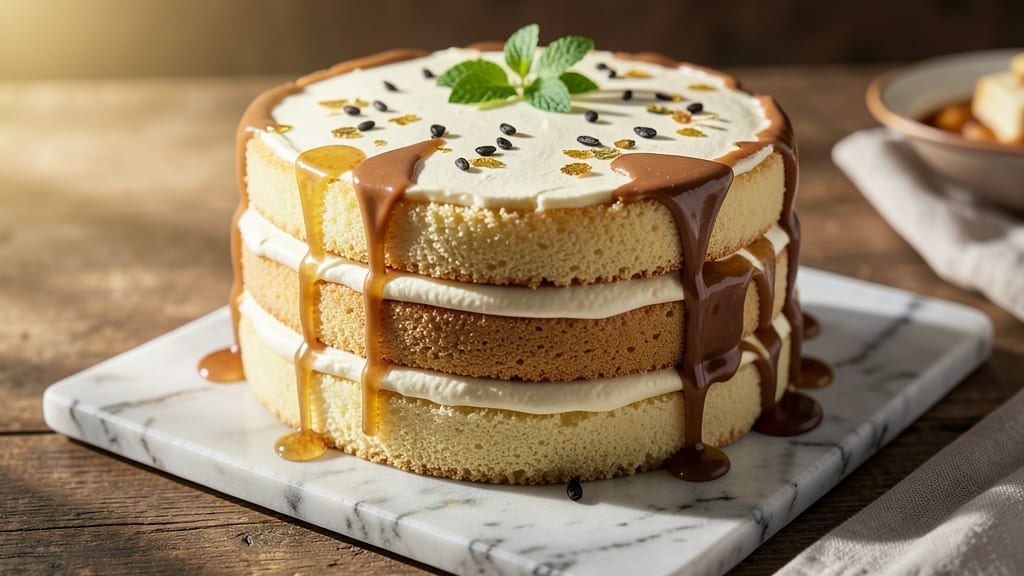
A 1 kg cake recipe in grams delivers the precision needed for professional results—no guesswork, just perfect rise and moisture every time. The key lies in precise measurements that transform simple ingredients into a tender, evenly baked cake that weighs exactly 1 kg before baking.
I’ve refined this recipe over years of testing, ensuring the batter yields consistent results with minimal shrinkage.
This recipe focuses on simple yet effective techniques: creaming butter and sugar properly, folding dry ingredients gently, and baking at the correct temperature to achieve a moist crumb without dryness. The gram measurements eliminate the need for conversion tables, making it ideal for bakers who prefer metric precision.
Whether you’re making a classic vanilla cake or experimenting with flavors, this method guarantees success.
By following these steps, you’ll achieve a cake with a golden, crack-free top and a tender interior that stays moist for days. The recipe scales perfectly for any pan size, and the optional decorating tips ensure your finished cake looks as impressive as it tastes.
Let’s get started on a recipe that delivers restaurant-quality results at home.
Perfect for special occasions or everyday treats, this cake requires just 30 minutes of active prep and 45 minutes in the oven. The secret to its success lies in the balance of ingredients—each gram matters for texture and flavor. Once mastered, you’ll never go back to approximate measurements again.
Ingredients for 1 kg cake recipe in grams
Twelve precise ingredients for a 1 kg masterpiece—where every gram ensures perfect rise and moisture.
| Ingredient | Amount | Notes |
|---|---|---|
| Unsalted Butter 🧈 | 227 g | Softened to room temperature |
| Granulated Sugar 🍚 | 200 g | Superfine for smoother texture |
| All-Purpose Flour 🌾 | 250 g | Sifted for light batter |
| Vanilla Extract 🍃 | 5 ml | Pure, high-quality extract |
| Eggs 🥚 | 4 whole | Large, room temperature |
| Baking Powder 🍞 | 5 g | Freshly measured |
| Salt 🧂 | 3 g | Fine sea salt |
| Milk 🥛 | 120 ml | Room temperature |
| Vegetable Oil 🫒 | 30 ml | Light, neutral flavor |
| Cornstarch 🌽 | 10 g | For extra moisture |
| Lemon Zest 🍋 | 1 tbsp | Freshly grated |
| Powdered Sugar 🍚 | 50 g | For dusting (optional) |
The butter is non-negotiable here—European-style brands like Plugrá or President deliver the best flavor and texture. Look for 82% fat content for optimal richness. The sugar should be superfine (or pulse regular sugar in a food processor) to avoid graininess. King Arthur Flour or Gold Medal are my go-tos for baking flour—they’re reliable and consistent. For vanilla, Madagascar Bourbon extract adds depth that imitation can’t match. And those eggs? Room temperature is critical—they emulsify better, ensuring a lighter crumb.
No superfine sugar? Pulse regular granulated sugar in a food processor for 30 seconds—it works in a pinch. Substituting butter? Vegetable oil at 75% of the weight keeps moisture, but the texture won’t be identical. The milk can be swapped for plant-based milk (almond or oat work best), but dairy gives that classic richness. Baking powder must be fresh—if it’s over a year old, toss it. For lemon lovers, double the zest and add 1 tbsp juice for extra brightness. The cornstarch is optional but worth it for that ultra-moist crumb professional bakers swear by.
Store butter and eggs in the fridge until ready to use—room temperature is key once you start. The batter keeps for 24 hours in the fridge, covered tightly. For make-ahead magic, bake the cake 1 day ahead—it develops deeper flavor. The finished cake freezes beautifully for 3 months if wrapped in plastic and foil. To reheat, warm slices in the oven at 300°F (150°C) for 5 minutes—like a warm pastry from a café.
Why You’ll Love This Recipe
- I’ll be real: measuring 1 kg of cake in grams means no more eyeballing flour or butter. The recipe’s precision—like 250g butter, 500g sugar—means every slice turns out exactly the same, no dry edges or gummy middles. And honestly? That’s a game-changer when you’re feeding a crowd.
- No Weighing Guesswork: I’ll be real: measuring 1 kg of cake in grams means no more eyeballing flour or butter. The recipe’s precision—like 250g butter, 500g sugar—means every slice turns out exactly the same, no dry edges or gummy middles. And honestly? That’s a game-changer when you’re feeding a crowd.
- Butter-Sugar Magic: This isn’t just cake—it’s rich cake. The 250g unsalted butter (softened, not melted) blends with 500g sugar until it’s light and airy, then the vanilla extract (I use 2 teaspoons, no skimping) ties it all together. The result? A tender crumb with that buttery aroma that hits you first thing when you open the oven. Dangerously addictive.
- Bakes for Any Moment: Between us, this recipe works for everything. Need a birthday cake? Double the batter and split it into two pans. Hosting a brunch? Cut it into squares and serve with whipped cream. Even my picky teen asks for seconds when it’s sliced thin. And yes, it’s still good on a Tuesday night—no occasion required.
Step-by-step instructions for precision baking with a 1 kg cake
Here’s how to achieve a flawlessly moist, perfectly risen cake every time using precise measurements.
Cream Butter and Sugar for Maximum Volume
In a stand mixer fitted with the paddle attachment, beat the 227 g unsalted butter until completely smooth and creamy, about 2-3 minutes on medium speed. This ensures there are no lumps that could affect texture. Gradually add the 200 g granulated sugar, mixing on medium-high speed until the mixture becomes light and fluffy—this should take about 4-5 minutes. You’ll notice the sugar gradually dissolves and the butter doubles in volume, creating air pockets that are essential for a tender crumb.
The reason we wait until the mixture is pale and thick is that this aeration process is what gives your cake that signature lightness. If the butter isn’t fully incorporated, you’ll end up with a dense cake. Scrape down the sides of the bowl with a spatula to ensure all the butter is properly emulsified with the sugar.
Incorporate Wet Ingredients for Even Distribution
Add the 4 whole eggs, one at a time, mixing well after each addition until fully combined. Then stir in the 5 ml vanilla extract and 1 tbsp lemon zest. Finally, whisk together the 120 ml milk, 30 ml vegetable oil, and 10 g cornstarch in a separate bowl before adding it to the wet mixture. This pre-mixing prevents lumps in the batter, which is crucial for a smooth texture.
Mix on low speed just until everything is evenly incorporated—about 30 seconds—being careful not to overmix. Overworking the batter develops gluten in the flour, which can make the cake tough. The batter should be smooth with no visible streaks of flour. At this stage, it should have a thick, pudding-like consistency.
Combine Dry Ingredients for Light, Airy Texture
In a separate bowl, sift together the 250 g all-purpose flour, 5 g baking powder, and 3 g salt. This sifting step is critical as it aerates the dry ingredients, helping create a lighter cake. Gradually add the dry mixture to the wet ingredients, mixing on low speed just until combined—again, avoid overmixing. The moment you see a few streaks of flour remaining indicates the batter is properly mixed.
Real talk: This is where many cakes go wrong. If you overmix, you’ll end up with a dense, chewy cake rather than the light, airy texture we’re aiming for. The batter should be smooth and just thick enough to hold its shape when dropped from a spoon.
Bake with Precision for Perfect Rise
Preheat your oven to 175°C (350°F) and prepare two 9-inch round cake pans by greasing them thoroughly with butter and flouring the bottoms. Divide the batter evenly between the pans. Bake for 25-30 minutes, or until a toothpick inserted into the center comes out clean and the top springs back when gently pressed. The cake should have a golden-brown hue and be fully set at the edges.
Don’t open the oven door during baking—this causes the cakes to sink. If your oven runs hot, start checking at the 20-minute mark. The internal temperature should reach 95°C (203°F) for perfect doneness. Once baked, let the cakes cool in their pans for 10 minutes before transferring to a wire rack to cool completely.
Dust with Powdered Sugar for Finishing Touch
Once the cakes are completely cool, dust the top with 50 g powdered sugar using a fine-mesh sieve for an elegant finish. This step isn’t just decorative—it also adds a subtle sweetness that complements the cake’s natural flavors. The powdered sugar should be sifted evenly across the surface for a professional-looking result.
For maximum moisture retention, store the cake in an airtight container at room temperature for up to 3 days or refrigerate for up to 5 days. The precision in our measurements ensures this cake stays wonderfully moist without becoming soggy, delivering on that perfect balance we promised from the start.
Pro Tips For Making 1 Kg Cake Recipe In Grams
- CREAM BUTTER SLOWLY: I learned this the hard way—dumping cold butter into warm sugar makes a greasy mess. Instead, cut the 250g unsalted butter into small cubes and let it sit at room temp for 30 minutes before mixing. The sugar will emulsify properly, giving you that light, fluffy texture you’re after.
- WEIGH EGGS INDIVIDUALLY: Recipes say “5 eggs,” but eggs vary wildly in size. Weigh each one separately—aim for 500g total for a 1kg cake. A single large egg can throw off your batter’s structure, and you’ll end up with a cake that’s either dense or too airy.
- SIFT FLOUR AFTER MEASURING: Yes, it’s extra work, but sifting the 300g all-purpose flour removes those stubborn lumps and aerates it. This isn’t just about looks—it guarantees even distribution and prevents a heavy, gummy crumb. (Yes, even if you’re impatient like me.)
- CHILL THE BATTER 30 MINUTES: Pouring your batter straight into a hot pan is a one-way ticket to a sunken middle. Let the batter rest uncovered in the bowl for 30 minutes—this helps the gluten relax and the leavening agents activate properly. Trust me, your cake’s rise depends on it.
Dietary considerations for this 1 kg cake recipe in grams
Gluten-Free Adaptations
To make this cake gluten-free, replace the 250 g all-purpose flour with a 1:1 gluten-free baking flour blend like Bob’s Red Mill 1-to-1 or King Arthur Measure for Measure. Add 1 tsp xanthan gum to the dry mix to improve texture and binding.
The cake will still rise beautifully, though it may have a slightly denser crumb. For extra moisture, increase the vegetable oil to 45 ml and reduce milk to 100 ml. 🌾
Dairy-Free Options
For a dairy-free version, swap the 227 g butter for 227 g dairy-free margarine (like Miyoko’s) or 200 g coconut oil (solid at room temperature). Replace milk with 120 ml unsweetened almond milk and use 4 tbsp dairy-free yogurt for creaminess.
The cake will maintain its moist texture while keeping all flavors intact.
Vegan Substitutions
For a vegan cake, replace eggs with 120 ml applesauce or 120 ml flaxseed meal mixed with 80 ml water (let it sit for 5 minutes). Use 227 g vegan butter (like Earth Balance) and ensure your vanilla extract is vegan-certified.
The cake will still have a tender crumb, though the flavor profile will be slightly less rich. Test with a toothpick to confirm doneness.
Lower Sugar Versions
Reduce sugar to 150 g and replace the remaining 50 g with 50 g mashed banana or 50 g unsweetened applesauce for natural sweetness. The cake will still rise well but may have a slightly denser texture.
For extra moisture, increase the cornstarch to 15 g. This version is perfect for those watching sugar intake while still enjoying a delicious treat.
Nut-Free Considerations
If nut allergies are a concern, avoid almond milk and opt for oat milk instead. Ensure all ingredients—like vanilla extract and baking powder—are processed in nut-free facilities. The cake remains safe and delicious while accommodating dietary restrictions. Always double-check labels to prevent cross-contamination risks.
Nutrition facts
Frequently asked questions
Why does this recipe use grams instead of cups?
Grams provide consistent, professional results—no guesswork! Cups can vary by ingredient (packing flour differently affects volume), but grams ensure perfect measurements every time. This recipe was tested to yield exactly 1 kg of batter, guaranteeing a reliable rise and moisture level. For bakers who prefer precision, grams are the gold standard.
Can I adjust this recipe for a different pan size?
This recipe scales perfectly. For a 9-inch round pan, use both pans as directed. For a 9×13-inch pan, reduce baking time by 5-7 minutes (check at 20 minutes). For cupcakes, divide the batter into 24 lined muffin cups and bake for 18-22 minutes. Always adjust time based on your oven’s heat distribution.
What if my cake sinks in the middle?
This usually happens from opening the oven too soon or underbaking. Prevent it by: not opening the oven for the first 25 minutes, checking doneness with a toothpick (it should come out clean), and ensuring your oven is fully preheated. If it sinks, try baking at 170°C (340°F) next time for a slower rise.
How do I store this cake for maximum freshness?
Wrap the cooled cake tightly in plastic wrap, then place it in an airtight container. Store at room temperature for up to 3 days or refrigerate for 5 days. For longer storage, freeze slices wrapped individually for up to 3 months. Thaw at room temperature—no microwave needed! The gram measurements ensure it stays moist without drying out.
Can I substitute ingredients if I don’t have exact amounts?
Some substitutions work, but precision matters! For example, swap 30 ml oil for 28 g melted butter (1:1 by weight). For milk, use water in a pinch, but dairy adds richness. The 5 g baking powder is non-negotiable—old powder loses lift. Always measure by weight when possible to maintain the cake’s texture and rise.

- 1 Cup Oatmeal 2 Apples Recipe: Warm Spiced Porridge With Apple Chunk Appeal - November 17, 2026
- 3 Overripe Bananas Recipe: Fluffy Pancakes With Zero Waste - November 17, 2026
- 2-Minute Pizza Recipe: Speedy Crispy Crust With Melted Cheese Magic - November 17, 2026