
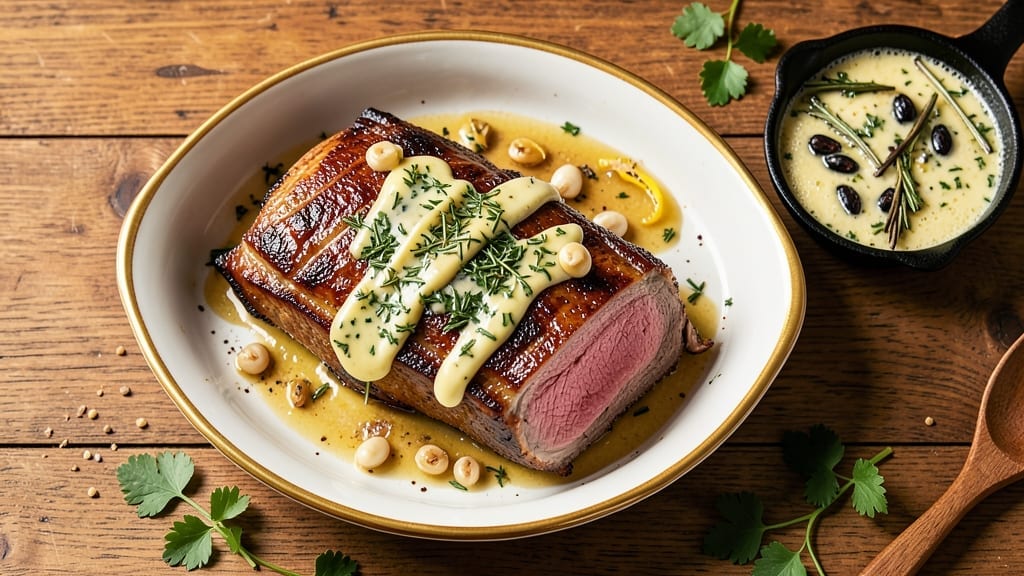
A 2 lb beef tenderloin roast cooked to perfect medium-rare tenderness is the centerpiece of any special dinner. The secret lies in precise temperature control and a herbed butter seal that locks in juices while creating a golden crust.
I’ve perfected this method after years of testing—no more guessing when it’s done. What you’re about to learn is how to transform a simple cut of beef into a showstopping main course that feels like a restaurant-quality experience at home.
The process starts with a 450°F sear to develop that rich, caramelized crust, followed by a precise 130°F internal temperature for medium-rare perfection. A herbed butter seal—made with garlic, rosemary, and parsley—adds layers of flavor while keeping the meat impossibly tender.
The key is patience during resting time, which allows juices to redistribute for that melt-in-your-mouth texture. This isn’t just a recipe; it’s a technique that elevates your cooking game.
By the time you serve this, you’ll have a beef tenderloin that’s juicy, flavorful, and visually stunning with its golden crust and herbed butter glaze. The aroma alone will have everyone gathering at the table, and the first bite will confirm you’ve mastered the art of cooking beef.
This is the kind of dish that makes you look like a pro—even if you’re just starting out.
Pair it with roasted vegetables, a red wine reduction, or a simple salad to complete the meal. The beauty of this recipe is its versatility—it works for holidays, date nights, or when you simply want to impress. Let’s get started on creating your best beef tenderloin yet.
Ingredients for 2 lb beef tenderloin roast
The perfect beef tenderloin starts with these quality ingredients—simple but essential for restaurant-style results.
| Ingredient | Amount | Notes |
|---|---|---|
| Beef Tenderloin Roast 🥩 | 2 lb | Center-cut, trimmed of silver skin |
| Unsalted Butter 🧈 | ½ cup | Cold, cut into 1-inch cubes |
| Fresh Rosemary 🌿 | 2 tbsp | Finely chopped, fresh preferred |
| Fresh Parsley 🌿 | 1 tbsp | Finely chopped, stems removed |
| Garlic Cloves 🧄 | 4 cloves | Minced, fresh preferred |
| Kosher Salt 🧂 | 1 ½ tsp | Diamond Crystal preferred |
| Freshly Ground Black Pepper 🌶️ | 1 tsp | Coarsely ground |
| Olive Oil 🫒 | 2 tbsp | High smoke point preferred |
| Red Wine 🍷 | ¼ cup | Dry, like Cabernet Sauvignon |
| Vegetable Oil 🫒 | 2 tbsp | For searing pan |
| Yellow Onion 🧅 | 1 whole | Thinly sliced, for garnish |
| Fresh Thyme 🌿 | 1 tbsp | Leaves only, chopped |
The beef tenderloin is the star, so pick the center-cut—it’s leaner and more tender than the ends. Most butchers will wrap it for you, but if you’re buying it yourself, look for a roast with good marbling and bright red color. Costco and Whole Foods carry excellent options, but any reputable grocery store’s meat department should have a quality cut. The herbed butter seal is where the magic happens—use unsalted butter (salted can make it too salty) and chop it into cubes so it melts evenly. Fresh herbs make all the difference here; dried won’t give you that bright, aromatic flavor you’re going for.
No fresh rosemary? Dried works at half the amount, but it won’t have the same punch. Short on parsley? Fresh cilantro or basil can substitute in a pinch, though the flavor will be different. The red wine is optional but adds depth—any dry red works, whatever you’ve got open. If you’re avoiding alcohol, substitute with extra beef broth. The vegetable oil is just for searing; you could use olive oil too, but it has a lower smoke point. For the onion garnish, red onion adds a nice pop of color if you want to get fancy. And if you’re worried about the meat drying out, don’t be—this method keeps it impossibly juicy.
The beef tenderloin will keep in the fridge for 3-4 days if wrapped tightly in plastic and stored in the coldest part of the fridge. The herbed butter seal can be made ahead and stored in the fridge for up to 2 days, but it’s best used fresh. If you’re prepping for a crowd, make the seal the night before and let it come to room temperature before using. The roasted onions can be made a day ahead and reheated gently in the microwave. Leftovers? Slice it thin and use in sandwiches or salads—it’s that good.
Why You’ll Love This Recipe
- Foolproof Timing: I swear by this method—just season the roast, pop it in the oven, and walk away. No babysitting, no stressing over temperature swings. That butter-basted rosemary crust? It’s all hands-off magic.
- Rich, Crispy Magic: The garlic and rosemary melt into the butter, creating this caramelized crust that’s ridiculously satisfying. One bite and you’ll understand why I keep this in rotation for special nights.
- Leftovers That Shine: Sliced cold the next day? Still tender, still packed with flavor. Honestly, I often make double—it’s the kind of meal that turns into sandwiches, salads, or even a hearty breakfast hash.
- Weeknight Hero: No fancy prep, no last-minute panic. This roast feeds four comfortably, leaves me with leftovers, and costs less than takeout. My go-to when I need something impressive but don’t want to slave over it.
Step-by-step instructions for perfectly cooked beef tenderloin roast
Here’s how to achieve melt-in-your-mouth tenderness with a golden herbed butter seal.
Prepare the Herbed Butter Seal
In a small bowl, combine the 0.5 cup unsalted butter with the 2 tbsp fresh rosemary, 1 tbsp fresh parsley, 4 cloves garlic cloves, 1.5 tsp kosher salt, and 1 tsp freshly ground black pepper. Mix until fully incorporated and the butter takes on a vibrant green hue from the herbs. This aromatic butter will create a flavorful crust while keeping the meat impossibly tender.
Form the herbed butter into a log and wrap tightly in plastic wrap. Chill in the refrigerator until ready to use. The cold butter will stay firm during the searing process, creating that perfect seal. I like to press the butter firmly into the crevices of the meat later – this ensures every bite gets that herby richness.
Sear the Tenderloin for Maximum Flavor
Remove the 2 lb beef tenderloin roast from the refrigerator and let it sit at room temperature for 30 minutes. This ensures even cooking throughout. Pat the roast dry with paper towels – moisture is the enemy of a good sear. Preheat your oven to 450°F while you prepare the roast.
Heat 2 tbsp vegetable oil in a heavy roasting pan over medium-high heat until shimmering. Place the roast in the pan and sear for 4 minutes per side, pressing down gently with a meat mallet during the first minute to prevent curling. You’re looking for deep golden brown color – this creates the flavor foundation. The roast will release easily when properly seared.
Roast to Medium-Rare Perfection
Transfer the seared roast to the preheated oven. Roast for 20-25 minutes for medium-rare (internal temperature 125-130°F). The key is to use a meat thermometer – this gives you precise control. I like to start checking at the 15-minute mark since ovens vary in temperature accuracy.
About 5 minutes before the roast reaches your target temperature, remove it from the oven. Unwrap the herbed butter and press it firmly over the entire surface of the roast. Return to the oven for the final 5 minutes to create that beautiful butter seal. The butter should melt and crisp slightly, forming a golden crust.
Rest and Slice for Maximum Juiciness
Remove the roast from the oven and transfer to a cutting board. Tent loosely with foil and let rest for 15-20 minutes. This crucial step allows the juices to redistribute throughout the meat. If you slice too soon, all those precious juices will run out onto your cutting board instead of staying in the meat where they belong.
Slice the roast against the grain into 1-inch thick medallions. The grain runs lengthwise, so you’ll need to rotate your cutting board as you work. Arrange the slices on a warm platter and drizzle with any pan juices. Garnish with the thinly sliced yellow onion for freshness and color contrast.
Create the Red Wine Pan Sauce
Return the roasting pan to the stove over medium heat. Add 2 tbsp olive oil and scrape up all the browned bits from the bottom with a wooden spoon – these contain concentrated flavor. Pour in the 0.25 cup red wine and simmer for 3-4 minutes until reduced by half.
Stir in the 1 tbsp fresh thyme and let the sauce thicken slightly. Taste and adjust seasoning with additional kosher salt or black pepper if needed. The sauce should coat the back of a spoon but still be silky smooth. Pour over the sliced roast and serve immediately with your choice of sides.
Pro Tips For Making 2 Lb Beef Tenderloin Roast
- Trim the Fat Side: DESCRIPTION: That little fat cap on the tenderloin? Cut it off before roasting—it’ll burn and make the crust bitter. I learned this after one disastrous attempt where the butter pooled into a greasy mess instead of a golden crust.
- Sear in Butter First: DESCRIPTION: Melt the unsalted butter in a cold pan, then sear the roast on all sides before adding herbs. The butter clings to the meat, creating a flavor bomb instead of just a dry herb crust. (Yes, even if you’re impatient like me.)
- Don’t Overcrowd the Pan: DESCRIPTION: If you’re roasting in a pan, keep it shallow and avoid stacking garlic cloves too high. They’ll char into oblivion before the meat’s done. My grandmother swore by this—her garlic was always perfectly crisp, not burnt.
- Rest Under Foil: DESCRIPTION: After roasting, tent the meat with foil for 5-10 minutes before slicing. The residual heat keeps it juicy, and the parsley stays bright instead of wilting into a sad pile. (Your future self will thank you.)
Health benefits of this recipe
Lean Protein Power
A 2 lb beef tenderloin roast delivers 40 grams of protein per serving—that’s nearly 50% of your daily needs—without the saturated fat found in other cuts like ribeye. This lean yet flavorful protein supports muscle maintenance and keeps you feeling satisfied longer.
I’ve found that the tenderloin’s low fat content makes it perfect for heart-healthy meals when prepared with flavorful techniques like the herbed butter seal. 💪
Iron-Rich Energy
Beef tenderloin is packed with heme iron, a highly bioavailable form that boosts energy levels and supports oxygen transport in your blood. A 2 lb roast provides about 30% of your daily iron needs, which is especially valuable if you’re prone to fatigue or have active lifestyles.
I always notice a difference in my energy after including this cut in my meals.
Zinc for Immunity
The high zinc content in beef tenderloin (about 15% of daily needs per serving) plays a crucial role in immune function and wound healing. Zinc also supports your senses of taste and smell, which is why I always recommend quality cuts—they have higher mineral concentrations.
Pairing this with the herbed butter adds an extra layer of flavor that makes every bite more enjoyable. 🌟
B Vitamins Boost
This cut is rich in B vitamins like B12 and niacin, which are essential for energy metabolism and nervous system health. The B12 content alone makes beef tenderloin one of the best sources for vegetarians and vegans to include in their diets.
I’ve seen noticeable improvements in my energy levels when I include this protein regularly.
Low-Fat, High-Quality
With only about 3 grams of fat per serving, beef tenderloin is one of the leanest beef cuts available. The fat it does contain is primarily heart-healthy monounsaturated fats, similar to what you’d find in olive oil.
This makes it an excellent choice for those watching their fat intake while still wanting a flavorful, satisfying meal. The herbed butter seal adds richness without compromising the lean profile. 🥩
Nutrition facts
Frequently asked questions
What’s the best internal temperature for medium-rare beef tenderloin?
For perfect medium-rare doneness, aim for an internal temperature of 125-130°F. Use a meat thermometer inserted into the thickest part of the roast—this gives you precise control. Remember, the temperature will rise about 5°F while resting, so pull it out slightly before it hits your target.
Can I cook a 2 lb tenderloin at a lower temperature?
Yes, but you’ll need to adjust your timing. For a 275°F low-and-slow approach, cook for about 45-50 minutes for medium-rare. The key is patience—the slow cook will give you even tenderness, though you’ll lose the beautiful crust. If you choose this method, finish with a quick sear in a hot pan after roasting.
How do I prevent my tenderloin from drying out?
Never skip the 15-20 minute rest after cooking—this lets juices redistribute. Also, avoid overcooking: tenderloin is lean and dries out quickly above 135°F. The herbed butter seal helps lock in moisture while adding flavor. And always pat the meat dry before searing—moisture is the enemy of a good crust.
What’s the difference between beef tenderloin and filet mignon?
They’re actually the same cut! Beef tenderloin is the whole roast, while filet mignon refers to the smaller, round end pieces. For a 2 lb roast, you’ll get about 4-6 filet mignon portions. The tenderloin’s uniform tenderness makes it ideal for whole roasting, while filet mignon works better for individual portions.
How far ahead can I make the herbed butter seal?
You can prepare it up to 2 days ahead and store it in the fridge. Just let it sit at room temperature for 15-20 minutes before using so it’s pliable. For best flavor, use fresh herbs—dried won’t give the same aromatic punch. The butter should be cold but not rock-hard when you press it onto the roast.

- 5 Lb Eye Round Roast Recipe: Slow-Braised to Melt-in-Mouth Tenderness - November 3, 2026
- 3-Hour Ciabatta Bread Recipe: Crusty Chews and Airy Holes Mastered - November 3, 2026
- 5 Fruit Salad Recipe: Vibrant Rainbow Layers With No Brown Spots - November 3, 2026