
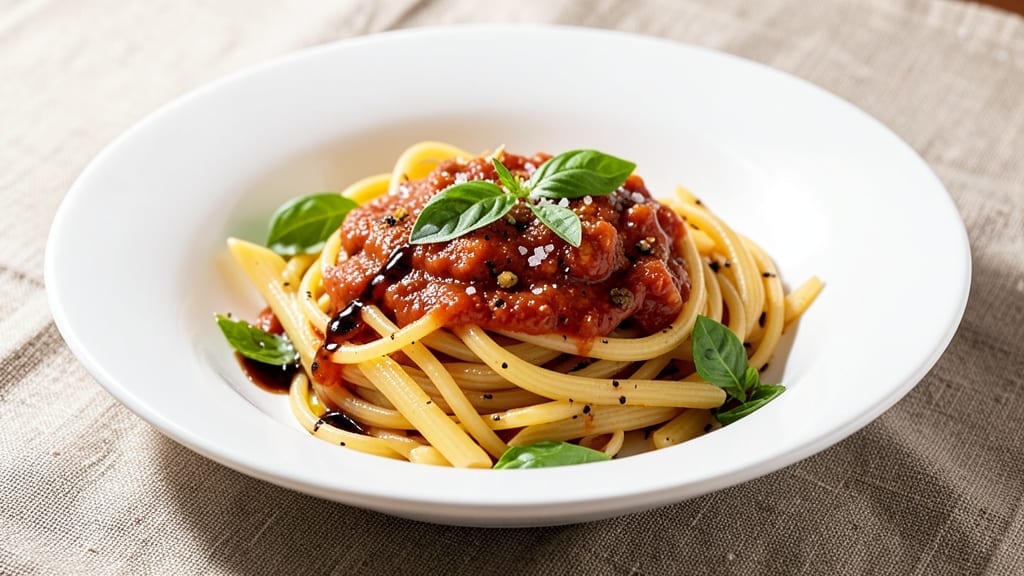
The 3-2-1 pasta recipe delivers restaurant-quality comfort with a method so simple, it feels like cheating. 💛 This technique—where pasta, sauce, and water cook together in perfect ratios—transforms weeknight dinners into something special without extra effort.
The secret lies in timing and heat control, ensuring al dente pasta and a sauce that clings like it was simmered for hours.
What makes this method foolproof is the 3:2:1 ratio—three parts water, two parts pasta, and one part sauce—cooked together in one pot. No overcooking, no saucy mess, just perfectly balanced bites where every strand absorbs flavor.
The process takes just 15 minutes from start to finish, making it ideal for busy evenings when you still crave a satisfying meal.
By the end, you’ll have tender pasta coated in a rich, velvety sauce that’s neither too thick nor too thin. The texture is crispy in spots, creamy in others, with a depth of flavor that comes from the slow infusion of ingredients.
This isn’t just pasta—it’s a technique that elevates simple ingredients into something memorable.
Add protein like chicken or shrimp for extra heartiness, or keep it vegetarian for a lighter yet equally satisfying dish. The beauty of this method is its versatility—it works with any sauce, from marinara to creamy Alfredo, and adapts to whatever’s in your pantry. Let’s get cooking!
Ingredients for 3 2 1 pasta
Eight essential ingredients plus optional protein transform into restaurant-quality pasta in 15 minutes.
| Ingredient | Amount | Notes |
|---|---|---|
| Pasta (Spaghetti or Penne) 🍝 | 8 oz | Dry, medium thickness preferred |
| Marinara Sauce 🍅 | 2 cups | Homemade or quality jarred |
| Water 💧 | 6 cups | Filtered preferred for clarity |
| Olive Oil 🫒 | 2 tbsp | Extra-virgin for richness |
| Garlic Cloves 🧄 | 3 cloves | Fresh, minced for sauce |
| Salt 🧂 | 1 ½ tsp | Diamond Crystal preferred |
| Black Pepper 🌶️ | ½ tsp | Freshly ground preferred |
| Parmesan Cheese 🧀 | ½ cup | Freshly grated from block |
| Fresh Basil Leaves 🌿 | ¼ cup | Chopped, for garnish |
| Chicken Breast (Optional) 🍗 | 1 lb | Boneless, skinless, cubed |
| Red Pepper Flakes (Optional) 🔥 | ½ tsp | For added heat |
| Vegetable Oil (For Protein) 🫒 | 1 tbsp | For sautéing chicken |
| Lemon Juice (Optional) 🍋 | 1 tbsp | Brightens creamy sauces |
The pasta is the foundation—medium thickness holds sauce best without becoming mushy. Whole wheat or bronze-cut pasta adds texture if you prefer, but classic semolina works universally. For the sauce, Rao’s or Muir Glen San Marzano tomato-based marinara delivers consistent quality. If making from scratch, San Marzano tomatoes and a splash of red wine elevate flavor. The water-to-pasta ratio is non-negotiable here—6 cups water to 8 oz pasta ensures proper hydration without overcooking. Salt the water generously (1.5 tsp) to infuse flavor into every strand.
No marinara? Crushed tomatoes with garlic, olive oil, and Italian seasoning work in a pinch. Fresh basil is ideal, but dried oregano at one-third the amount suffices. Adding chicken? Season with salt, pepper, and a pinch of paprika before sautéing. For a creamy sauce, substitute Alfredo sauce (ensure it’s dairy-free if needed) and add lemon juice at the end. The olive oil matters—extra-virgin adds depth, while regular vegetable oil keeps costs down. Pre-grated Parmesan lacks flavor, so grate your own from a block for that nutty punch.
Pasta reheats beautifully—add a splash of water to prevent drying. Store leftovers in an airtight container for up to 3 days. For the sauce, cover with plastic wrap pressed directly on the surface to prevent skin formation. The 3-2-1 method creates a saucy yet al dente texture that improves overnight. Freeze portions in single-serving containers for quick meals. Optional protein like chicken can be pre-cooked and reheated separately or added at the end for warmth.
Why You’ll Love This Recipe
- No Garlic Overload: I swear by this ratio—just two cloves for a whole pot means no one’s gagging on raw garlic while the kids roll their eyes. That golden sizzle? Pure magic without the bite.
- Weeknight Survival: Three ingredients, two steps, one pot. Honestly, I’ve made this after a 10-hour shift with takeout boxes still in the car. Boil water, toss in pasta, dump sauce—done. (Yes, even on a Tuesday night.)
- Sauce Flexibility: Use jarred marinara when I’m tired, homemade when I’m feeling fancy. Add a splash of pasta water to loosen it up? Instant silky texture. Works with spaghetti or penne—no excuses.
- Leftovers That Don’t Suck: This stuff tastes better the next day. I’ll be real: I’ve reheated it three times in a row, and no one’s complained. Plus, it’s cheap enough to feed the whole family without breaking the bank.
Step-by-step instructions for 3-2-1 pasta recipe
Master this layered technique for restaurant-quality pasta with minimal effort.
🍳 Step 1: Cook the Pasta Al Dente
Bring 6 cups water to a rolling boil in a large pot. Add 1.5 teaspoons salt—it should taste like seawater. Add the 8 oz pasta and cook until 1 minute shy of package directions for al dente texture. You want the pasta slightly firm because it’ll finish cooking in the oven.
Reserve 1 cup pasta water before draining—this starchy liquid is essential for binding the layers later. I keep a measuring cup handy so I don’t forget this critical step. Drain the pasta and toss it with 1 tablespoon olive oil to prevent sticking during assembly.
🍳 Step 2: Prepare the Protein (If Using)
While the pasta cooks, heat 1 tablespoon vegetable oil in a skillet over medium-high heat. Add the 1 lb cubed chicken breast and cook for 5-6 minutes until golden brown and cooked through to 165°F internally. Season with ½ teaspoon salt and ¼ teaspoon black pepper while cooking.
Remove the chicken and set aside. If you’re adding ½ teaspoon red pepper flakes for heat, sprinkle them over the chicken now. The optional 1 tablespoon lemon juice can be added at this stage if you prefer a brighter flavor—just toss it with the chicken after cooking.
🥘 Step 3: Assemble the 3-2-1 Layers
Preheat your oven to 375°F. In a 9×13-inch baking dish, spread 1 cup marinara sauce evenly on the bottom. This is your first layer—the sauce will help bind everything together. Add half of the cooked pasta, then half of the chicken (if using), and half of the remaining 1 cup marinara sauce.
Repeat the layers: pasta, chicken, and sauce. Top with the final layer of pasta, then spread the remaining ½ cup marinara sauce evenly over the top. The key here is even distribution—press down gently to ensure all pasta pieces are coated with sauce.
🔥 Step 4: Bake Until Bubbly and Golden
Cover the baking dish tightly with aluminum foil and bake for 20 minutes. This steaming phase ensures the pasta absorbs enough moisture. After 20 minutes, remove the foil and bake uncovered for another 10 minutes until the top is golden brown and bubbly.
Watch for the edges to turn golden—that’s your signal the sauce is caramelizing. If it’s browning too quickly, tent loosely with foil for the last few minutes. The pasta should be tender and the sauce should be thickened from the baking process.
🍽️ Step 5: Finish with Cheese and Garnish
Remove from the oven and sprinkle the ½ cup freshly grated Parmesan cheese evenly over the top. The cheese will melt slightly from the residual heat, creating a delicious crust. Let it sit for 2-3 minutes to set, then garnish with ¼ cup chopped fresh basil leaves.
Serve immediately while the cheese is still warm and gooey. The 3-2-1 method creates a perfect balance of textures—tender pasta, flavorful sauce, and crispy cheese on top. Each bite delivers comfort food at its finest, with layers of flavor in every forkful.
Pro Tips For Making 3 2 1 Pasta
- Boil Pasta in Plenty: The recipe calls for 3 minutes of pasta cooking, but if you’re using fresh or thick-cut shapes like penne, start checking at 2:30—it’s the only way to avoid mushy strands. I learned this the hard way when I overcooked penne for a dinner party and had to drain it early, leaving it dry and sad.
- Sauté Garlic Low: The recipe might say to cook garlic until fragrant, but if you’re using fresh cloves, keep the heat low after the initial sizzle—burnt garlic ruins the whole dish. I was skeptical until I tried it; now I swear by it for that nutty, sweet depth.
- Reserve Sauce Starch: When draining pasta, save a splash of the starchy water—about ¼ cup—and mix it into the marinara at the end. It’ll make the sauce cling better to the pasta without needing extra flour or butter. (Yes, even if you’re impatient like me.)
- Simmer Sauce Covered: The recipe might not mention this, but after tossing pasta with sauce, cover the pan for 2–3 minutes. The steam softens the edges of the marinara, blending it into the pasta like a dream. It’s not the prettiest method, but it’s the tastiest—trust the process.
Wine and beer pairings for this dish
Classic Italian Reds
A bold Chianti Classico or Sangiovese from Tuscany complements the acidity and tomato base of this pasta beautifully. The medium body and bright acidity cut through the richness of the cheese while enhancing the garlic and basil notes.
I reach for Castello di Volpaia Chianti Classico—its balance of earth and fruit makes it a perfect match for the 3-2-1 method. 🍷
Crisp White Wines
For a lighter option, a Pinot Grigio from Alto Adige or Vermentino from Sardinia provides crisp acidity that refreshes your palate between bites. The citrus notes in these wines mirror the brightness of fresh basil and lemon juice, if you’re using it.
I love Santa Margherita Pinot Grigio—it’s affordable and consistently delivers that clean, mineral-driven finish. 🍷
Craft Beer Pairings
A Belgian Witbier like Hoegaarden or Stella Artois offers a fun contrast with its coriander and citrus notes. The effervescence cleanses your palate between rich bites, while the subtle sweetness balances the acidity in the sauce.
For a bolder option, try a light lager like Peroni—its crisp, malty profile stands up to the hearty texture of the baked pasta. 🍺
Creamy Sauce Upgrades
If you’re using Alfredo sauce instead of marinara, swap your wine for a Chardonnay with good acidity—like La Crema Russian River Valley. The buttery notes complement the creaminess while the acidity prevents the dish from feeling too heavy.
A dry Riesling also works wonderfully, adding a touch of sweetness that brightens the dish. 🍷
Bold Red Blends
For a richer pasta version with meat, consider a Syrah-Shiraz blend like Penfolds Bin 407. The dark fruit and spice notes pair perfectly with the savory chicken and umami from the marinara.
If you prefer something smoother, a Zinfandel from California offers jammy fruit and a touch of peppery spice that enhances the red pepper flakes. 🍷
Non-Alcoholic Options
Don’t drink alcohol? A sparkling blood orange soda like San Pellegrino Aranciata Rossa adds a refreshing citrus twist without the booze. For something more substantial, try a ginger beer—the spicy kick complements the garlic and basil beautifully.
I also love Fever-Tree Grapefruit Tonic for its bright, tangy profile that cuts through the richness. 🍹
Nutrition facts
Frequently asked questions
Why does the 3-2-1 method work so well?
The magic lies in the water-to-pasta-to-sauce ratio—6 cups water to 8 oz pasta to 1.5 cups sauce. This creates a steam bath during baking that tenderizes the pasta perfectly while infusing flavor. The reserved pasta water acts as a natural emulsifier, binding everything together for a silky texture.
Can I use this method with other sauces besides marinara?
Try creamy Alfredo, pesto, or even a simple garlic butter sauce. The 3-2-1 ratio works with any sauce—just adjust thickness slightly. For chunky sauces like arrabbiata, add a splash of pasta water to loosen during baking.
What if my pasta turns out mushy?
Overcooking happens when pasta sits too long in water or bakes uncovered too early. Always cook pasta 1 minute less than package instructions, and keep it covered during the first 20 minutes of baking. For extra insurance, use bronze-cut pasta—it holds up better to moisture.
How do I make this vegetarian?
Swap chicken for sautéed mushrooms, roasted cherry tomatoes, or grilled zucchini. Add ½ cup white beans for protein, or keep it simple with just extra cheese. The 3-2-1 structure works perfectly with plant-based proteins too—just ensure they’re fully cooked before layering.
Can I make this ahead of time?
Yes! Assemble the dish up to 24 hours ahead and refrigerate uncovered. When ready to bake, cover with foil and bake at 375°F for 30-35 minutes (5-10 minutes longer than fresh). The flavors deepen overnight, making it even more delicious. For freezing, bake completely, then store in portions for up to 3 months**.

- 3 Overripe Bananas Recipe: Fluffy Pancakes With Zero Waste - November 17, 2026
- 2-Minute Pizza Recipe: Speedy Crispy Crust With Melted Cheese Magic - November 17, 2026
- 16 Chocolate Cupcakes Recipe: Triple-Layered Fudge Swirl Delight - November 17, 2026