
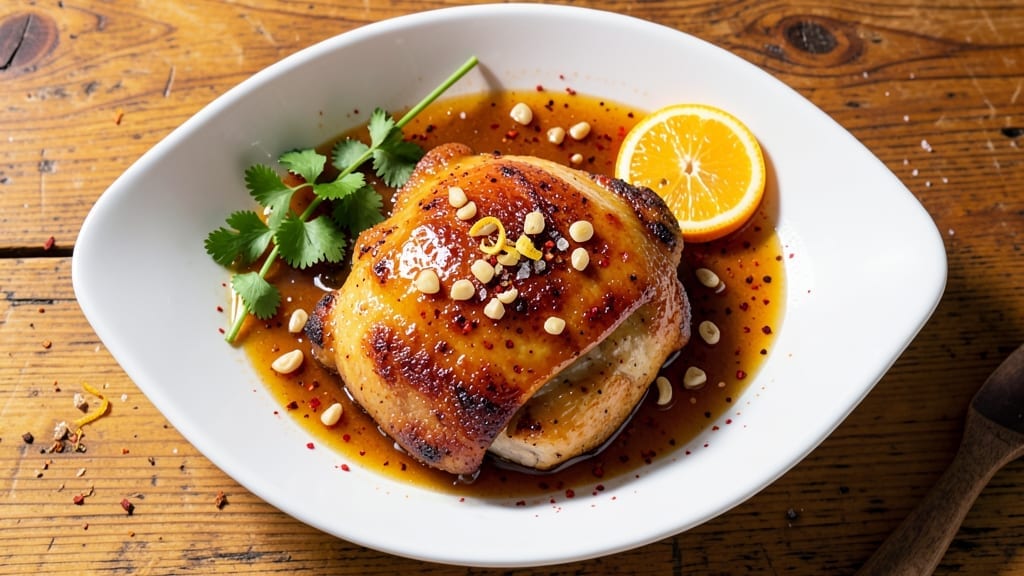
This 3-ingredient orange chicken sauce recipe delivers restaurant-quality sweet-spicy glaze that clings to every bite—no complicated techniques required. The secret lies in balancing tangy orange juice with umami soy sauce and a touch of heat, creating a sauce that’s effortlessly sticky and packed with flavor.
Perfect for stir-fries, marinades, or dipping, this sauce transforms ordinary chicken into something unforgettable.
What makes this sauce special is its simplicity—just three core ingredients combine to create complex flavor. The orange juice provides bright acidity, while soy sauce adds depth and a subtle salty note.
A pinch of red pepper flakes or chili paste introduces just the right amount of heat, ensuring each bite is bold without being overwhelming. The sauce thickens naturally as it simmers, creating that signature glossy finish.
By the time you’re done, you’ll have a versatile sauce that works equally well as a stir-fry glaze, marinade, or dipping sauce. The sweetness caramelizes slightly when cooked, deepening the flavor profile, while the acidity keeps it fresh and vibrant.
This isn’t just a sauce—it’s the game-changer that turns simple chicken into a standout dish.
Store it in the fridge for up to a week or freeze for longer shelf life, making it the perfect pantry staple for quick weeknight meals. Whether you’re cooking for one or feeding a crowd, this sauce delivers restaurant-quality results with minimal effort. Let’s get started!
Ingredients for 3 ingredient orange chicken sauce
Three core ingredients plus a few pantry staples—this sauce is restaurant-quality magic.
| Ingredient | Amount | Notes |
|---|---|---|
| Fresh Orange Juice 🍊 | 1 cup | Freshly squeezed preferred |
| Soy Sauce 🥢 | ½ cup | Light or regular preferred |
| Red Pepper Flakes 🌶️ | 1 tbsp | Adjust for desired heat |
| Granulated Sugar 🍚 | ¼ cup | Or brown sugar for depth |
| Cornstarch 🌾 | 1 tsp | For thickening consistency |
| Garlic Cloves 🧄 | 3 cloves | Minced for extra flavor |
| Ginger Root 🌿 | 1 tbsp | Freshly grated preferred |
| Sesame Oil 🫒 | 1 tsp | For aromatic finish |
The orange juice is non-negotiable here. Freshly squeezed gives you that bright, vibrant acidity that cuts through the sweetness. Trader Joe’s has great value bottles, but if you’ve got time, juice your own—it makes a difference. The soy sauce? Kikkoman or Lee Kum Kee are solid choices. If you’re using low-sodium, add an extra pinch of salt later. For the red pepper flakes, Penzeys or any good bulk bin will have the freshest, most potent ones—no dusty old jars here. The garlic and ginger? Fresh is always better, but if you’re in a pinch, dried will work (just double the amount).
No fresh ginger? Ground ginger at half the amount gets you close. Short on orange juice? Substitute with lime juice—it’ll be tangier but still delicious. The sesame oil is optional but adds that signature aroma. Toast the seeds lightly before adding for extra flavor. If you’re making this ahead, the cornstarch will thicken it up even more overnight, so you might want to add a splash of water to loosen it before using. The sugar can be swapped for honey or maple syrup, but it won’t caramelize the same way.
This sauce keeps like a dream. Fridge for up to 1 week—it actually tastes better the next day as the flavors meld. For longer storage, freeze in ice cube trays. 3 months frozen, and it thaws perfectly for stir-fries or marinades. If it thickens too much after refrigerating, just add a splash of water or orange juice to loosen it up. Double the batch—you’ll want it on hand for everything from chicken to noodles.
Why You’ll Love This Recipe
- Pantry Magic: I swear by this sauce—no fancy ingredients, just what’s already lurking in my cabinets. That bright orange tang from fresh juice cuts through the saltiness, and the sugar balances the heat in one quick simmer.
- Bright & Bold: The red pepper flakes add a slow-building warmth, while the cornstarch thickens it just enough to cling to everything. Honestly? It’s the kind of flavor that makes you reach for seconds without even thinking.
- Weeknight Hero: This sauce turns takeout cravings into a 15-minute fix. Toss it with chicken, noodles, or even stir-fried veggies—it’s my go-to when I’m too tired to overthink dinner.
- Budget Win: A splash of orange juice and a spoonful of sugar transform cheap soy sauce into something special. Between us, this is how I stretch groceries without sacrificing taste—leftovers? They’re my secret weapon.
Step-by-step instructions for 3-Ingredient orange chicken sauce
Here’s how to make this sticky, vibrant sauce that’ll transform ordinary chicken into something extraordinary.
Prepare the Aromatic Base
In a medium saucepan, combine the 1 cup fresh orange juice, 0.5 cup soy sauce, 0.25 cup granulated sugar, 3 cloves minced garlic, and 1 tbsp freshly grated ginger root. I like to use freshly grated ginger because it adds a brighter, more complex flavor than powdered versions.
Bring the mixture to a gentle boil over medium-high heat. Once boiling, reduce the heat to medium-low and let it simmer uncovered for 5-7 minutes. You’ll notice the sauce starts to reduce and concentrate—this is when the flavors begin to meld together beautifully. The aroma should be tangy, slightly sweet, and packed with that fresh citrus punch.
Thicken the Sauce to Perfection
In a small bowl, whisk together the 1 tsp cornstarch with 2 tablespoons of cold water until completely dissolved. This creates a smooth slurry that will help thicken our sauce without clumping. Real talk: if you skip this step, your sauce will end up too thin and watery—trust me, I’ve made that mistake.
Slowly pour the cornstarch mixture into the simmering sauce while stirring constantly with a wooden spoon. Keep the heat at medium-low and continue stirring for 3-5 minutes until the sauce thickens to a glossy, syrupy consistency. You’re looking for a texture that coats the back of a spoon but still flows smoothly—it should look like it’s got some body to it, not too thin or too stiff.
Finish with Flavor and Heat
Remove the saucepan from heat and stir in the 1 tbsp red pepper flakes and 1 tsp sesame oil. The red pepper flakes will add a subtle heat that balances the sweetness, while the sesame oil brings a nutty aroma that ties everything together. Give it a taste at this point—you might want to adjust the sweetness or heat to your preference. If it needs more sweetness, add a pinch more sugar. If it needs more heat, add a bit more red pepper flakes.
Let the sauce sit off the heat for 5 minutes to cool slightly and thicken further. This resting period allows all the flavors to fully develop and mingle. You’ll notice the sauce becomes even more vibrant in color and glossy in texture. Once cooled, it should be ready to use immediately—this sauce doesn’t keep well once thickened, so use it right away for the best results.
Pro Tips For Making 3 Ingredient Orange Chicken Sauce
- Reduce the Juice First: Simmer the fresh orange juice on medium heat for 3–4 minutes before adding anything else—it drives off the raw citrus sharpness and concentrates the sweetness. I used to skip this, and the sauce always tasted thin and tart afterward.
- Use Cold Cornstarch Slurry: Whisk the cornstarch with cold water (not hot sauce) into a smooth paste before stirring it in. Hot sauce thins the slurry, and lumps ruin the glossy finish—trust me, I’ve seen both.
- Balance the Heat Early: Taste the sauce before adding red pepper flakes, then adjust soy and sugar first. The flakes pack a punch, and you’ll end up with a mouth-on-fire disaster if you dump them in blindly.
- Simmer Until Syrupy: Keep the sauce at a steady simmer for 5–7 minutes after thickening—it’ll look done sooner, but that’s when it turns gluey. Patience here makes the difference between a glossy glaze and a sticky mess.
Pro cooking tips for this dish
Heat Control Secrets
Start with medium-high heat to bring the sauce to a boil quickly, but once it reaches a simmer, reduce to medium-low immediately. Too high heat burns the sugar and turns the sauce bitter—trust me, I’ve ruined batches this way!
The goal is a gentle, steady simmer that lets flavors meld without scorching. A wide, shallow saucepan helps distribute heat evenly and prevents hot spots. 🔥
Cornstarch Slurry Hack
Whisk the 1 tsp cornstarch with 2 tbsp cold water until completely smooth—no lumps allowed! Pour it in slowly while stirring constantly with a wooden spoon. If you add it too fast, you’ll end up with a gluey mess.
For extra insurance, I strain the sauce through a fine-mesh sieve afterward to remove any tiny clumps. This ensures a silky, restaurant-quality finish every time.
Flavor Balancing Trick
Taste the sauce before adding the red pepper flakes—this is your flavor checkpoint. If it’s too sweet, add ½ tsp more ginger or a splash of soy sauce. Too tangy? A pinch of sugar or honey balances it out.
The red pepper flakes should add heat, not overpower. Start with 1 tsp if you’re sensitive to spice, then adjust. The sesame oil is the final touch—add it last so the aroma doesn’t cook off.
Thickness Adjustments
If your sauce thickens too much while simmering, add 1 tbsp water and stir until smooth. For a glossier finish, I brush the sauce with a tiny bit of neutral oil (like vegetable or canola) before using—it makes it cling better to chicken or noodles.
If it’s too thin after thickening, mix ½ tsp cornstarch with 1 tsp water and stir in until desired consistency is reached.
Storage Longevity
This sauce tastes even better the next day, so don’t rush using it! Store it in an airtight container in the fridge for up to 1 week. For longer storage, freeze in ice cube trays—thawed cubes are perfect for stir-fries or marinades.
If it thickens after refrigerating, loosen it with 1-2 tbsp water or orange juice. Double the batch—you’ll want it on hand for everything from takeout-style chicken to noodle bowls. ✨
Pro Equipment Upgrade
Skip the cheap saucepan—opt for a stainless steel or heavy-bottomed pan (like All-Clad) to prevent scorching and ensure even heat distribution. A microplane for ginger and garlic gives you finer, more flavorful results than mincing.
For stirring, a silicon spatula won’t scratch the pan, and it’s easier to scrape up every last bit of sticky goodness. Invest in these tools, and your sauce will always turn out pro-level. 💡
Nutrition facts
Frequently asked questions
Can I make this sauce without cornstarch?
Yes, but the texture will be thinner. Replace the cornstarch with 1 tsp arrowroot powder or ½ tsp xanthan gum for a similar thickening effect. For a naturally thickened version, simmer the sauce uncovered for 10-15 minutes longer—it will reduce naturally, though the consistency won’t be as glossy.
How do I adjust the sweetness or heat?
For less sweetness, reduce the sugar by 1 tbsp or add ½ tsp more ginger to balance. For more heat, increase red pepper flakes by ½ tsp at a time. Taste after adding the sesame oil—this is your final flavor checkpoint! Adjust gradually to avoid overpowering the citrus notes.
What’s the best way to use leftover sauce?
Leftover sauce is perfect for glazing roasted veggies, drizzling over noodles, or marinating tofu. For extra richness, stir in 1 tbsp honey or 1 tsp fish sauce before using. If it’s too thick after refrigerating, thin with 1-2 tbsp orange juice or water. Store in an airtight container for up to 1 week.
Can I make this sauce ahead of time?
Make it 1-2 days ahead for deeper flavor development. Store in the fridge, and reheat gently over low heat, stirring occasionally to prevent scorching. For longer storage, freeze in ice cube trays—thawed cubes work great for quick stir-fries. The flavors actually improve over time!
Why did my sauce turn cloudy or separate?
Cloudiness often means the sauce cooled too quickly. Reheat gently while stirring to restore clarity. Separation can happen if fat (like sesame oil) wasn’t fully incorporated. Whisk vigorously to re-emulsify, or strain through a fine-mesh sieve for a silky texture. Always stir consistently while simmering to prevent this!

- 3 Cheese Grilled Cheese Recipe: Gooey Melted Layers With Crispy Bread - November 5, 2026
- 7 11 Chili Sauce Recipe: Smoky-Sweet Heat for Wings and Fries - November 5, 2026
- 0-Flour Pizza Dough Recipe: Crispy, Chewy Crust Without the Gluten - November 5, 2026