
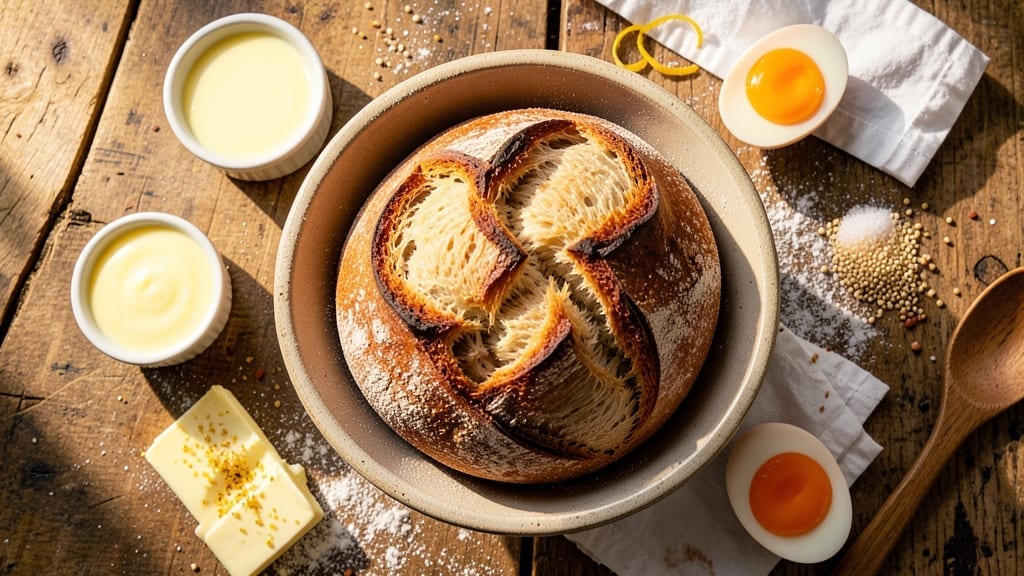
A 500-gram bread recipe that delivers restaurant-quality crust and an airy crumb is within reach, even for home bakers. This method transforms basic ingredients into a loaf with a crisp, golden shell and tender interior—no fancy equipment required.
The secret lies in precise kneading, proper proofing, and baking at the right temperature to ensure consistent results every time.
The beauty of this recipe is its adaptability—whether you want classic white bread, hearty whole wheat, or tangy sourdough, the foundation remains the same. We’ll focus on achieving that perfect balance of texture and flavor, with tips to avoid common pitfalls like dense crumb or pale crust.
Once mastered, this technique becomes your go-to for homemade bread that rivals store-bought.
By the end, you’ll have a loaf with a crispy crust that shatters satisfyingly and a light, airy crumb that melts in your mouth. The aroma alone will transform your kitchen into a bakery, and the satisfaction of creating something from scratch is unmatched.
This recipe is designed for confidence, so even if you’re new to baking, you’ll achieve professional results.
Ready to elevate your bread game? Let’s break down the ingredients, step-by-step instructions, and pro tips to ensure your first loaf is as close to perfect as possible. Whether you’re baking for a family dinner or treating yourself, this method delivers every time.
Ingredients for 500 gram bread
Basic ingredients, transformative results—this list builds restaurant-worthy bread at home.
| Ingredient | Amount | Notes |
|---|---|---|
| All-Purpose Flour 🌾 | 3 ½ cups | Sifted for even texture |
| Active Dry Yeast 🍞 | ¼ tsp | Freshly activated in warm water |
| Granulated Sugar 🍚 | ½ tsp | Feeds yeast for activation |
| Unsalted Butter 🧈 | ¼ cup | Cold, cubed for texture |
| Large Eggs 🥚 | 1 whole | Room temperature for blending |
| Whole Milk 🥛 | ½ cup | Warmed for better dough hydration |
| Diamond Crystal Kosher Salt 🧂 | 1 ½ tsp | Fine grain preferred |
| Extra-Virgin Olive Oil 🫒 | 1 tbsp | For dough softness |
| Ice Water 💧 | ¼ cup | For final dough adjustment |
| Cornmeal 🌽 | 2 tbsp | For dusting baking sheet |
| Coarse Sea Salt 🧂 | 1 tsp | For crust enhancement |
Flour is the backbone here—King Arthur or Gold Medal are my go-tos for consistent results, but any all-purpose works in a pinch. The yeast needs to be freshly activated in warm water with sugar (it should foam in 5-10 minutes). Butter should be cold and cubed—European-style butter adds extra flavor if you’re splurging. For the milk, warm it just enough to dissolve sugar (110°F), but don’t boil it or you’ll kill the yeast. Salt matters too: Diamond Crystal is lighter than Morton’s, so adjust if you swap. The olive oil adds tenderness—California avocado oil works too if you prefer a neutral taste.
No yeast? Sourdough starter at double the amount works for a tangy twist. Short on butter? Coconut oil or vegan butter keeps it dairy-free without sacrificing texture. The egg can be replaced with 1 tbsp flaxseed meal + 3 tbsp water for vegan versions. For a whole wheat loaf, swap half the all-purpose flour for whole wheat—King Arthur whole wheat blends best. Ice water might sound odd, but it’s key for controlling dough temperature during final kneading. If your kitchen’s warm, use slightly more. The cornmeal isn’t just for dusting—it adds a subtle crunch to the crust.
Dough keeps 2 days in the fridge, wrapped tightly. For longer storage, freeze shaped loaves (thaw at room temp). The crust stays crisp for 3 days if wrapped in foil. Pro tip: Slice and toast immediately for maximum freshness. Leftovers? Toss in breadcrumbs for meatballs or croutons—nothing goes to waste.
Why You’ll Love This Recipe
- No-Knead Magic: I swear by this—just mix the flour, yeast, sugar, and a splash of warm water, let it rise overnight, then bake. No standing at the counter, no overworked arms. The dough is forgiving, and the crust? Golden perfection with almost no effort.
- Buttery Crust, Soft Heart: That unsalted butter and egg combo makes all the difference. The outside cracks into a flaky, buttery crust while the inside stays pillowy—like a bakery loaf without the fuss. Honestly, it’s the kind of bread that disappears fast.
- Meal Prep MVP: Make it once, use it all week. Toast slices for breakfast, pack it for lunches, or serve warm with dinner. It keeps well at room temperature, and freezing slices means fresh bread anytime—no last-minute baking stress.
- Budget-Friendly Staple: Five simple ingredients, one loaf that feeds a family. The flour and butter stretch far, and you can adjust the size without waste. Between us? This is the bread I reach for when grocery money’s tight but I still want something special.
Step-by-step instructions for artisan bread mastery
Here’s how to transform simple ingredients into a loaf with a crackly crust and light, airy crumb.
Activate the Yeast for Maximum Rise
Combine the 0.5 tsp granulated sugar and 0.25 tsp active dry yeast in a small bowl with ¼ cup warm whole milk (about 110°F). Let it sit for 5-10 minutes until frothy—this confirms the yeast is alive and ready to work. If nothing happens after 10 minutes, your yeast is dead and you’ll need to start over.
I always test my yeast this way because cold milk can shock it while water that’s too hot kills it instantly. The sugar feeds the yeast, creating those telltale bubbles that signal it’s ready to transform our dough. Once active, proceed immediately to avoid overproofing.
Mix and Knead the Dough
In a large mixing bowl, combine the 3.5 cups all-purpose flour and 1.5 tsp diamond crystal kosher salt. Make a well in the center and add the yeast mixture, 1 whole large egg, ¼ cup cold cubed unsalted butter, and 1 tbsp extra-virgin olive oil. Mix with a wooden spoon until a shaggy dough forms.
Transfer the dough to a lightly floured surface and knead for 8-10 minutes by hand (or 5-6 minutes with a stand mixer using the dough hook). You’re looking for smooth, elastic dough that springs back when poked. The butter should be fully incorporated but still visible as small flecks—this creates those tender pockets in your final loaf.
First Rise and Shaping
Lightly oil a large bowl, place the dough inside, and cover with a damp towel. Let it rise in a warm place for 1-2 hours or until doubled in size. I like to place my oven light on for gentle warmth—this creates consistent conditions without overheating.
Once risen, punch down the dough to release air and shape it into a round boule. Fold the edges under and seal the seam. Place on a parchment-lined baking sheet dusted with 2 tbsp cornmeal—this prevents sticking and gives that beautiful rustic bottom crust. Cover again and let rise for 30-45 minutes until noticeably puffy.
Score and Bake for Perfect Crust
Preheat your oven to 425°F with a Dutch oven inside for 30 minutes. Remove the Dutch oven and carefully transfer the dough (with parchment) into it. Score the top with a sharp razor in a crosshatch pattern—this controls expansion and creates that iconic artisan look.
Sprinkle generously with 1 tsp coarse sea salt and bake covered for 25 minutes, then uncover and bake 10-15 minutes more until the crust is deep golden brown. The interior temperature should reach 190-200°F when checked with an instant-read thermometer. Tap the bottom—it should sound hollow, not dull.
Cool and Enjoy
Remove the bread from the Dutch oven and let it cool on a wire rack for at least 1 hour before slicing. The crust will firm up as it cools, and the crumb will develop its signature airiness. I know it’s tempting to cut into it warm, but patience here prevents a gummy interior.
Slice with a serrated knife and serve with your favorite butter or olive oil. The exterior should be crisp enough to stand up to gentle pressure, while the interior reveals an open crumb with those beautiful butter pockets. This loaf keeps well for 3-4 days at room temperature or can be frozen for up to 3 months.
Pro Tips For Making 500 Gram Bread
- Bloom the Yeast First: DESCRIPTION: Skip mixing yeast directly into flour—it’s a rookie move. Instead, dissolve the yeast in warm water (about 110°F/43°C) with a pinch of sugar first, then wait 5-10 minutes until it foams like a tiny beer. This guarantees your dough won’t sit there doing nothing while you’re distracted.
- Soften Butter Properly: DESCRIPTION: Cold butter makes tough bread. Rub it between your fingers until it’s just soft enough to press into the dough—like a firm room-temperature stick, not melted puddle. I learned this the hard way after kneading a brick-like dough that took forever to rise.
- Don’t Over-Knead: DESCRIPTION: The dough should spring back slowly when poked, not bounce like a trampoline. Overworking it develops gluten too much, making bread dense. My first batch was a sad, heavy loaf—now I stop when it’s just shy of smooth.
- Eggs at Room Temp: DESCRIPTION: Cold eggs shock the dough and slow fermentation. Let them sit out for 30 minutes before mixing—yes, even if you’re in a hurry. The difference in rise time is noticeable, and your bread won’t taste like it was made in a fridge.
Serving suggestions for leftovers
Classic Toast Toppings
Warm slices of this bread make the perfect canvas for classic toppings. Spread 2 tbsp cultured butter (like Plugrá or Kirkland Signature) and sprinkle with flaky sea salt and freshly cracked black pepper.
For something sweet, layer with thin-sliced strawberries and a drizzle of honey—the crust’s crispness contrasts beautifully with the jammy fruit. 🍓
Add a gourmet touch with avocado slices, everything bagel seasoning, and a squeeze of lemon juice. The bread’s airy crumb soaks up the creamy avocado perfectly while the seasoning adds a satisfying crunch.
I also love pairing it with smoked salmon, herbed cream cheese, and red onion for a brunch-worthy bite.
Sandwich Perfection
This bread holds up remarkably well to sandwiches, especially when toasted lightly. For a grilled cheese, use sharp cheddar and Gruyère, then press in a butterfly grill pan until golden. The crust’s structure prevents sogginess while the butter pockets create melt-in-your-mouth moments. 🧀
Build a classic BLT with crispy bacon, butter lettuce, and tomato slices—the bread’s neutral flavor lets the ingredients shine. For a heartier option, layer with roasted turkey, Swiss cheese, and honey mustard on Sourdough Bread Company sourdough-style loaves (if you’re feeling adventurous).
Dinner Rolls Transformation
Slice the loaf into 1-inch thick rounds and toast until golden for instant dinner rolls. Serve with homemade gravy and braised short ribs for a restaurant-quality meal. The crust’s crispness contrasts perfectly with the rich, tender meat. For a lighter option, pair with roasted vegetables and herb butter. 🥩
Drizzle warm rolls with garlic-infused olive oil and sprinkle with fresh rosemary for an Italian-inspired twist. These rolls also work beautifully with chili or taco fillings—the crust holds up to saucy dishes while the crumb stays tender. Keep a batch in the freezer for quick weeknight dinners.
Breakfast Pairings
Start your day with this bread as a breakfast loaf. Top with scrambled eggs, crispy hash browns, and hot sauce for a hearty meal. The crust’s structure makes it ideal for soaking up runny yolks while maintaining its shape.
For something lighter, try Greek yogurt, granola, and maple syrup. 🥞
Make French toast using thick slices—brush with a mix of 1 egg, ¼ cup milk, 1 tsp vanilla, and 1 tbsp cinnamon, then pan-fry in butter until caramelized.
The bread’s airy crumb creates a delightful texture contrast with the crispy exterior. Serve with berry compote for a showstopping brunch dish.
International Variations
Turn your loaf into focaccia by shaping it into a flat rectangle, dimpling the top with your fingers, and drizzling with olive oil before baking. Finish with rosemary sprigs and flaky salt for an Italian-inspired treat. The crust’s crispness works perfectly for this style. 🌿
For a French baguette twist, shape the dough into a long oval and bake until the crust is ultra-crisp. Serve with olive tapenade or whipped goat cheese for an elegant appetizer. The bread’s versatility makes it perfect for adapting to global flavors while keeping the signature texture intact.
Nutrition facts
Frequently asked questions
Why does my bread turn out dense instead of airy?
Dense bread usually means one of three things: underproofed dough, over-kneading, or incorrect yeast activation. Make sure your yeast is bubbly when mixed with warm milk (it should foam in 5-10 minutes), knead just until smooth (8-10 minutes by hand), and let it rise until doubled in size. Cold kitchen? Place your dough bowl near the oven light for gentle warmth.
Can I make this recipe without a Dutch oven?
If you don’t have a Dutch oven, try baking the loaf on a baking sheet lined with parchment paper. For extra crispness, place a metal bowl filled with hot water on the lower oven rack to create steam during the first 15 minutes of baking. The crust won’t be as thick, but you’ll still get a delicious loaf with a good crumb.
How do I know when the bread is fully baked?
Your bread is done when it reaches an internal temperature of 190-200°F and sounds hollow when tapped on the bottom. The crust should be deep golden brown, not pale. If you’re unsure, let it bake 5 more minutes—underbaked bread continues cooking as it cools, which can make the crumb gummy.
What’s the best way to store leftover bread?
For short-term storage, wrap the loaf tightly in plastic wrap or place it in an airtight container to keep it fresh for 3-4 days at room temperature. For longer storage, freeze the loaf (unsliced) for up to 3 months. Thaw at room temperature and refresh in a 350°F oven for 10 minutes to restore crispness.
Can I add seeds or nuts to this recipe?
Yes! For added texture, fold in 1-2 tablespoons of seeds (like sesame or poppy) or ½ cup chopped nuts (walnuts or pecans work well) during the final kneading stage. Just be sure to adjust the flour slightly if your additions are very dry. Toast the seeds/nuts first for extra flavor and to prevent them from absorbing too much moisture from the dough.

- 6 Egg Cake Recipe with Oil: Light as Air With Buttery Moisture - October 4, 2026
- 4 Bean Casserole Recipe: One-Pan Heartiness With Smoky Paprika Depth - October 4, 2026
- 3-Ingredient Keto Mug Cake Recipe: Microwave Magic in 2 Minutes - October 4, 2026